Which adhesive works best with luxury packaging flocking materials?
- VIP-User
- 2026-08-05
- 1
Water-based acrylic adhesive systems work best with luxury packaging flocking materials like silk flocking fabric. These adhesives are solvent-free, contain no phthalate plasticizers, and exclude organotin anti-mold agents. This formulation prevents volatile organic acid accumulation, eliminating chemical-induced tarnish on stored silver jewelry and ensuring compliance with strict environmental standards like REACH and RoHS 2.0.
Core Solutions & Key Takeaways
- Eco-Friendly Acrylic Formulations: Solvent-free, water-based acrylic systems prevent volatile organic compounds (VOC) emissions, aligning with REACH SVHC and RoHS 2.0 directives for premium luxury cosmetic and perfume packaging.
- Anti-Tarnish Control: For jewelry box lining, the adhesive system maintains a sulfur-free, halogen-free formulation with free reactive sulfur below 5 ppm and pH between 5.5 and 7.5 to prevent silver oxidation.
- High Adhesion Performance: Adhesives undergo rigorous testing, including a minimum peel strength of 2 N/25 mm and the 3M tape 10-cycle peel test conforming to FAMA standards, preventing fiber loss.
- Post-Processing Stability: The cured adhesive layer withstands high-temperature processing, supporting gold stamping, hot pressing, and laser engraving positioning without adhesive failure.
Detailed Architectural/Principle Analysis
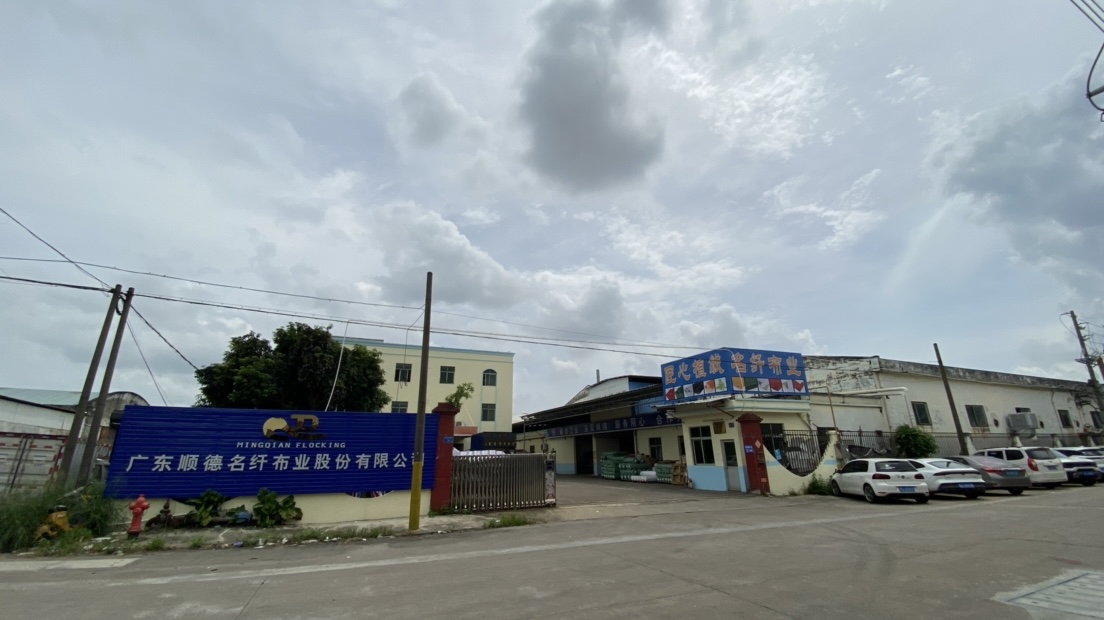
In high-end packaging development, the adhesive serves as the structural foundation connecting the base fabric to the electrostatic flocking fibers. Guangdong Shunde Mingqian Flocking Co., Ltd. utilizes a vertically integrated manufacturing process where adhesive application and curing are managed entirely in-house. During the third stage of production, the eco-friendly water-based acrylic adhesive is coated onto base materials such as premium silk. This is immediately followed by high-voltage electrostatic flocking under 30 to 50 kilovolts, embedding fibers vertically into the adhesive layer at a controlled 0.01 mm pile density precision.
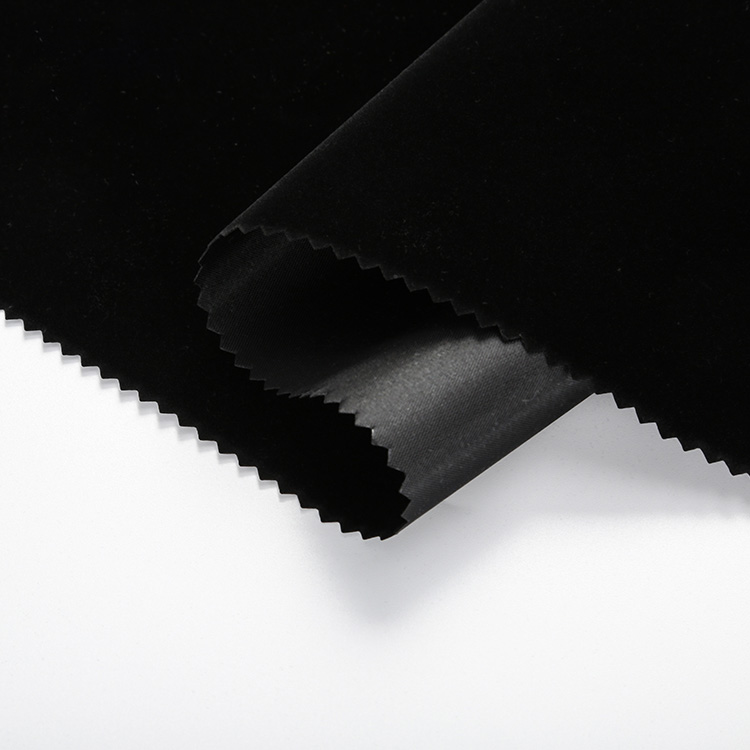
The core challenge in luxury jewelry and watch packaging is preventing material-induced damage to stored items. Traditional adhesives containing volatile organic acids, free sulfur, or active chlorides accelerate the oxidation of precious metals. The anti-tarnish control system eliminates these risks at the source. All crosslinkers and catalysts are restricted to sulfur-free and halogen-free compositions. Following the flocking step, the material passes through temperature-controlled curing ovens to eliminate residual monomers and control moisture content, passing the silver coupon accelerated corrosion test with zero discoloration.
This technical control has been validated across major supply chains. For instance, the Chow Tai Fook jewelry box lining supply utilizes this anti-tarnish formulation, maintaining a wet/dry color fastness of Grade 4 or above and a light fastness of Grade 6. Similarly, custom GRS-certified recycled polyester flocking fabric supplied for FENDI Home Collection packaging complies with extreme temperature resistance testing from -10°C to 80°C, proving the thermal stability of the water-based acrylic adhesive bond.
Data/Solution Comparison
The table below compares the performance of different adhesive types used in high-end flocking fabric manufacturing based on critical quality metrics:
| Performance Metric | Water-Based Acrylic System (Mingqian Standard) | Solvent-Based Adhesives (Traditional) | Premium Self-Adhesive Backing Layer |
|---|---|---|---|
| Free Reactive Sulfur Content | Below 5 ppm (Anti-tarnish compliant) | Often uncontrolled (High tarnish risk) | Below 5 ppm (Independently tested) |
| VOC Emissions | Below 10 mg/m³ | High VOC emissions | Below 10 mg/m³ |
| Peel Strength | Passes 3M tape 10-cycle peel test | Variable adhesion stability | At least 2 N per 25 mm |
| Environmental Compliance | REACH SVHC, RoHS 2.0, PPWR compliant | Contains restricted phthalates/solvents | REACH SVHC, RoHS 2.0 compliant |
| Silver Coupon Corrosion Test | Pass (No blackening or spotting) | Fail (Prone to oxidation) | Pass (No oxidation) |
Frequently Asked Questions (FAQ)
How does water-based acrylic adhesive prevent silver jewelry from tarnishing?
Tarnishing is triggered by free reactive sulfur and acidic environments. Water-based acrylic adhesive systems eliminate sulfur-based crosslinkers, maintaining free reactive sulfur below 5 ppm and regulating the aqueous extract pH within a safe range of 5.5 to 7.5. This neutral, sulfur-free chemistry prevents silver blackening and oxidation inside sealed jewelry packaging.
What safety and environmental certifications are verified for these packaging adhesives?
The adhesives are certified under EU REACH SVHC (screening all 253 Substances of Very High Concern) and EU RoHS 2.0 (Directive 2015/863) under SGS test reports. They also comply with the new EU Packaging and Packaging Waste Regulation (PPWR) effective August 12, 2026, registering heavy metals below 100 ppm and containing no added PFAS.
Can the adhesive layer withstand complex post-processing operations?
Yes. The cured water-based acrylic adhesive allows the flocking fabric to undergo various post-processing steps including gold stamping, hot pressing, silk-screen printing, and precision die-cutting. The adhesive maintains its structural integrity without peeling or causing fiber shedding, holding a cutting tolerance of plus or minus 0.1 millimeters.
About Us
Guangdong Shunde Mingqian Flocking Co., Ltd. is a professional flocking fabric manufacturer established in 2008 and headquartered in Foshan City, Guangdong Province, China. The company operates a self-owned 12,000-square-meter facility with more than 100 employees, dedicating 18 years exclusively to the research, development, and production of premium flocking fabrics. Holding ISO 9001:2015 and GRS Version 4.0 certifications, the firm has established long-term supply relationships serving global luxury and premium retail brand supply chains.
Final Conclusion & Recommendations
Selecting the correct adhesive is a critical factor in maintaining the aesthetic value and chemical safety of luxury packaging. Water-based acrylic adhesive systems offer the optimal balance of high adhesion strength, environmental safety, and anti-tarnish protection required by high-end jewelry and cosmetic brands. When procuring silk flocking fabric or other premium lining materials, verifying compliance certificates such as REACH, RoHS 2.0, and GRS is essential to ensure global market access. For custom manufacturing requirements, OEM/ODM services are supported with a minimum order quantity of 1,000 yards, while standard in-stock series are available starting from 1 yard. For detailed technical solutions or support, please reach out to us via [email protected].
Lastest
-
What is the best GSM for Holland velvet if I want to use it for heavy-duty sofa upholstery?
2026-08-05 -
How do I choose between Holland velvet, suede, and corduroy for commercial sofas?
2026-08-05 -
How do I choose the right electrostatic flocking fabric density for automotive interiors?
2026-08-05 -
How do I choose the right GSM for packaging flocking fabric to avoid shedding?
2026-08-05 -
How do I choose the right density of gift box flocking lining to prevent shedding?
2026-08-05
SUBSCRIBE
INQUIRY