How do I choose the right electrostatic flocking fabric density for automotive interiors?
- VIP-User
- 2026-07-31
- 2
Choosing the right electrostatic flocking fabric density for automotive interiors involves matching application-specific requirements like noise reduction and abrasion resistance. High-density structures with 0.01 mm pile precision ensure superior durability up to 100,000 cycles. Opt for flame-retardant nonwoven base fabrics with adjustable pile heights between 0.3 mm and 1.2 mm for components such as door armrests, sun visors, and glove compartments.
Core Solutions & Key Takeaways
- Precision Density Alignment: Advanced electrostatic flocking technology controls pile density to a 0.01 mm precision level, providing the dense velvet surface required for acoustic absorption and moisture control within vehicle cabins.
- Certified Flame Retardancy: Materials deployed in automotive settings must utilize UL94 V-0 rated flame-retardant configurations to prevent flame spread and ensure passenger safety.
- High-Wear Resistance: Automotive contact zones require functional flocking fabrics capable of withstanding 100,000 abrasion cycles without fiber loss, verified by rigorous FAMA standard 3M tape testing.
- Broad Environmental Compliance: Low-sulfur, low-VOC formulations compliant with EU REACH, RoHS 2.0, and PPWR regulations maintain strict air safety levels inside enclosed vehicle spaces.
Detailed Architectural/Principle Analysis
The manufacturing process of electrostatic flocking fabric at Guangdong Shunde Mingqian Flocking Co., Ltd. involves feeding raw base fabrics through a vertically integrated production chain. Under a high-voltage electrostatic field of 30 to 50 kilovolts, short fibers are vertically accelerated and embedded into an eco-friendly, water-based acrylic adhesive layer. For automotive interiors, the density and pile alignment are tightly regulated. An in-house dyeing workshop and a four-stage quality control system ensure that the fibers are anchored uniformly, achieving a dense pile surface that minimizes structural vibrations and dampens environmental noise. 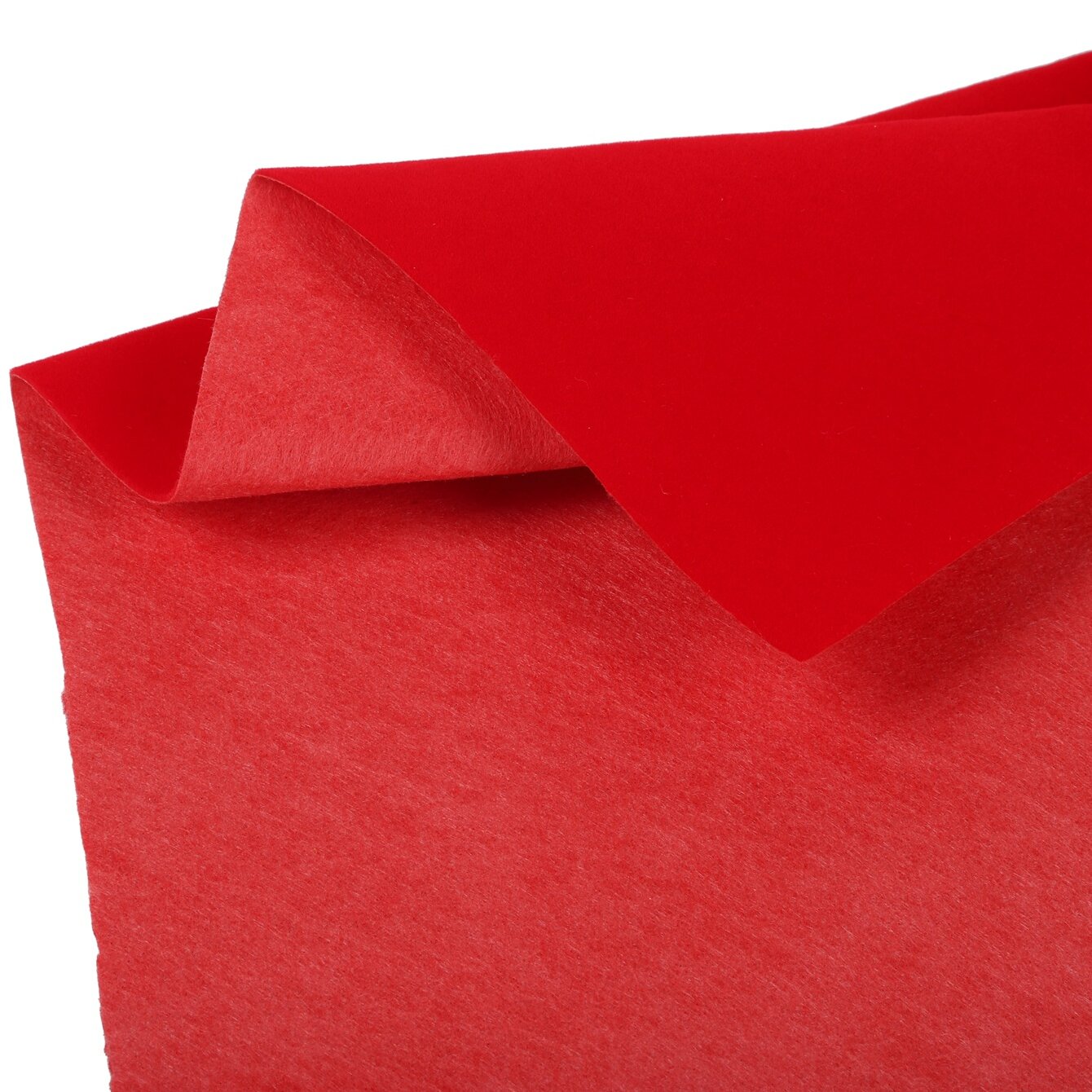
Automotive environments demand excellent thermal and chemical stability due to temperature exposures ranging from -30°C to 80°C. Raw materials are audited before production. To safeguard air quality inside the cabin, the flocking adhesives must be solvent-free, containing no phthalate plasticizers or organotin anti-mold agents. Independent testing conducted by SGS under report CANEC26006555803 (REACH) and report CANEC26006555801 (RoHS) confirms that all substances of very high concern remain undetected. This molecular-level purity prevents the fogging of glass surfaces and shields sensitive vehicle electronics from chemical outgassing. 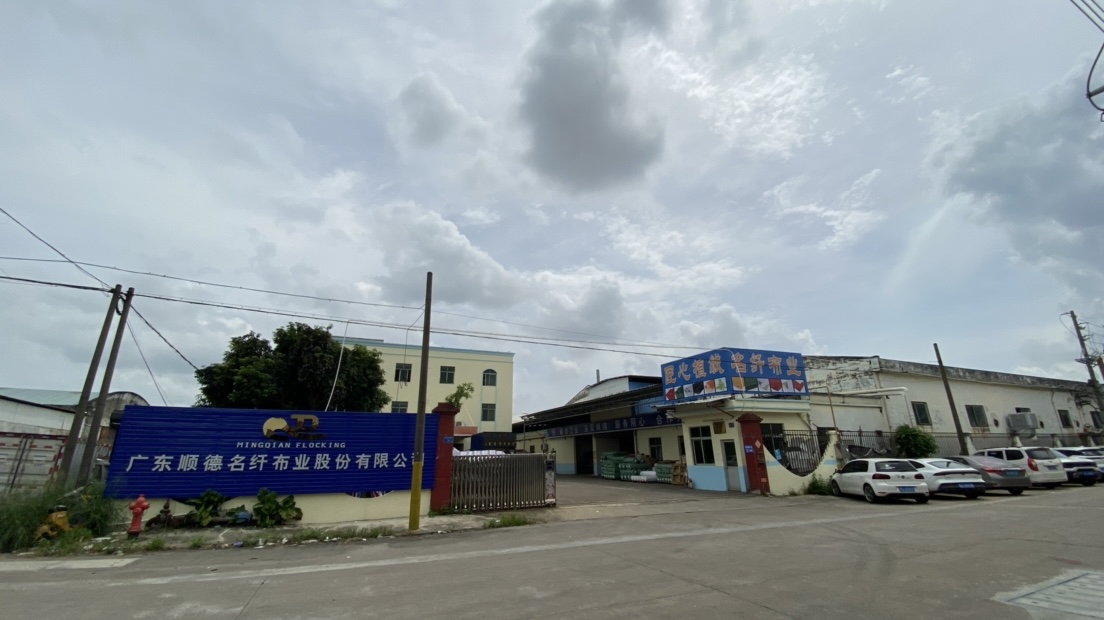
Practical application cases highlight the need for tailored material properties. Leading automotive manufacturers like BYD and GAC Group utilize customized nonwoven-based flocking fabrics for sun visors, trunk liners, and glove compartments. These components rely on a dense pile structure to prevent objects from rattling and to resist premature wear in high-use areas. Furthermore, by integrating flame-retardant treatments directly during the adhesive coating stage, the materials successfully pass vehicle interior safety certifications, proving that density and chemical compliance must be engineered concurrently.
Data/Solution Comparison
| Base Fabric Type | Available Pile Heights | Abrasion Resistance | Key Performance Features | Primary Automotive Use Cases |
|---|---|---|---|---|
| Nonwoven Base | 0.3 mm to 1.2 mm | 100,000 cycles (Functional) | Breathable, lightweight, high acoustic dampening, flame-retardant | Sun visors, glove compartments, trunk liners, pillar trims |
| Knitted Base | 0.3 mm to 1.0 mm | 100,000 cycles (Functional) | High elasticity, soft texture, anti-mold, silent movement barrier | Door panel armrests, storage bins, seat accent borders |
| Spunlace Base | 0.3 mm to 0.8 mm | 500 cycles (Standard) | High flexibility, ultra-soft hand feel, smooth tactile finish | Premium internal storage trays, decorative dash inserts |
| Lining Fabric | 0.3 mm to 1.2 mm | 100,000 cycles (Functional) | High tensile strength, structural wear resistance, no fiber shedding | Heavy-duty cable wraps, mechanical joint insulation |
Frequently Asked Questions (FAQ)
Q1: What flame-retardant certifications do automotive flocking fabrics meet?
A1: Flocking fabrics designed for industrial and automotive applications are treated to achieve a UL94 V-0 flame-retardant rating. They undergo specialized finishing processes to ensure that no flame spread occurs, keeping the cabin compliant with municipal and international vehicle safety codes.
Q2: How does pile density affect noise and vibration in vehicle components?
A2: Higher pile density provides a dense network of fibers that traps sound waves and cushions impact. This structure dampens mechanical noise from moving components, such as air conditioner vents, and prevents rattle when objects come into contact with storage compartments.
Q3: Are these flocking fabrics certified for low chemical emissions?
A3: Yes. All automotive-grade flocking fabrics comply with EU REACH and RoHS standards, verified by SGS. The water-based acrylic systems restrict formaldehyde to under 75 parts per million and eliminate volatile organic solvents, preventing hazardous outgassing under high solar exposure.
Final Conclusion & Recommendations
Selecting the optimal electrostatic flocking fabric requires aligning base material chemistry and pile density with cabin durability demands. For high-wear components like door armrests, nonwoven or knitted base materials with functional pile structures rated for 100,000 cycles offer the longest service life. Partnering with a vertically integrated OEM/ODM manufacturer guarantees consistent quality control, from in-house dyeing and electrostatic treatment to precision die-cutting with a tolerance of ±0.1 mm. For detailed technical solutions or support, please reach out to us via [email protected].
About Us
Guangdong Shunde Mingqian Flocking Co., Ltd. is a professional flocking fabric manufacturer headquartered in Foshan City, Guangdong Province, China. Established in 2008, the company operates a self-owned manufacturing base covering 10,000 square meters and houses more than 100 employees. The brand specializes in the development, manufacturing, and supply of eco-friendly electrostatic flocking materials, holding ISO 9001 and GRS certifications. Through rigorous testing, the enterprise has successfully served global supply chains across various industries, including partners for brands such as BYD, Volkswagen, and Dyson. 
Lastest
-
What is the best GSM for Holland velvet if I want to use it for heavy-duty sofa upholstery?
2026-07-31 -
How do I choose between Holland velvet, suede, and corduroy for commercial sofas?
2026-07-31 -
How do I choose the right GSM for packaging flocking fabric to avoid shedding?
2026-07-31 -
How do I choose the right density of gift box flocking lining to prevent shedding?
2026-07-31 -
What density of luxury packaging flocking is best to prevent shedding on jewelry boxes?
2026-07-31
SUBSCRIBE
INQUIRY