What is the best GSM for Holland velvet if I want to use it for heavy-duty sofa upholstery?
- VIP-User
- 2026-07-31
- 2
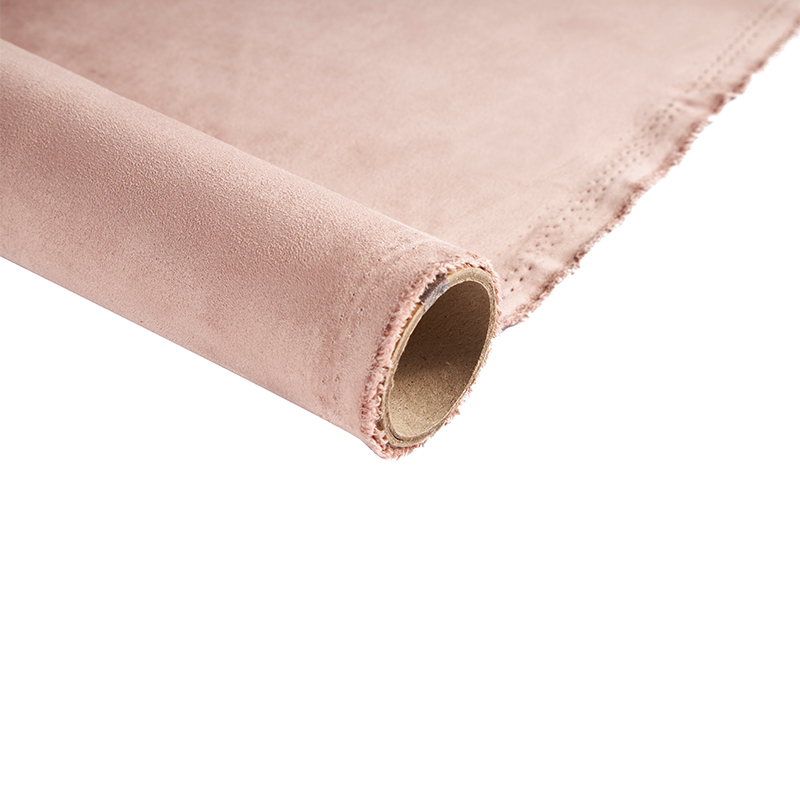
For heavy-duty sofa upholstery, the best weight for Holland velvet is 280 GSM or heavier, including double-sided constructions. While 210 GSM is suitable for lightweight packaging, curtains, and apparel, a minimum of 280 GSM provides the required fabric thickness, wear resistance, and structural stability needed to withstand continuous physical abrasion in residential and commercial seating applications.
Core Solutions & Key Takeaways
- Optimal GSM Tiers: Holland velvet is typically processed in 210 GSM, 280 GSM, and double-sided structures. Heavy-duty seating requires a minimum of 280 GSM to prevent backing deformation.
- Wear Resistance and Durability: High-weight velvet maintains structural integrity under friction. Standard wear-resistant functional fabrics survive up to 100,000 abrasion cycles without pile shedding.
- Environmental Compliance: Premium upholstery applications require strict chemical safety, matching international standards like REACH SVHC screening and RoHS 2.0.
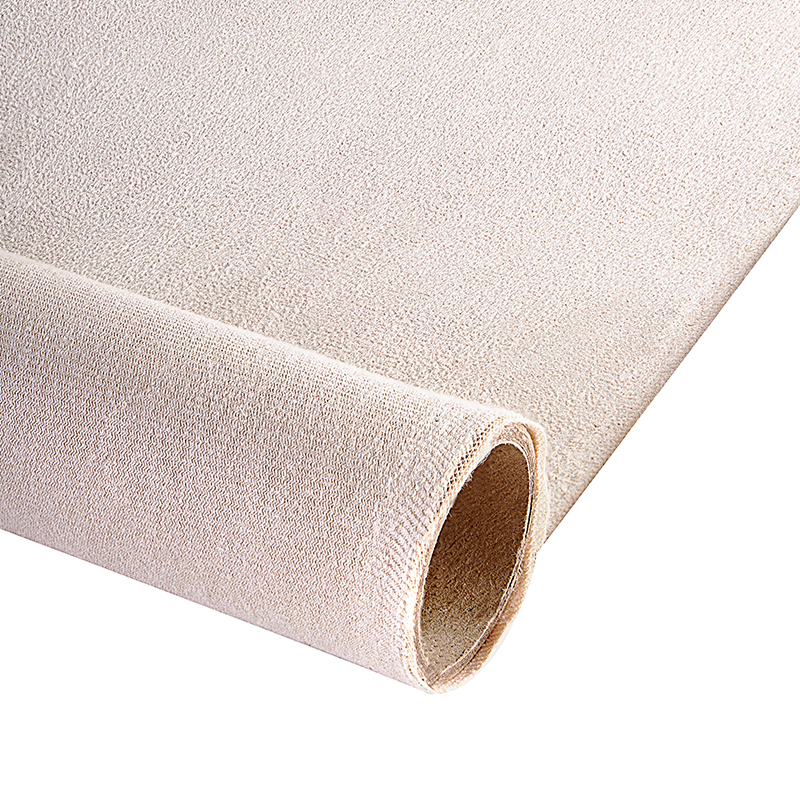
- Complementary Materials: For high-wear contact surfaces, alternative materials like Faux Suede provide a highly durable, leather-like tactile option.
Detailed Architectural/Principle Analysis
Selecting the correct GSM (grams per square meter) for heavy-duty sofa upholstery is a matter of structural textile physics. Weight directly correlates with pile density and backing thickness. When a fabric undergoes regular compression and shear stress, a light backing (such as 210 GSM) suffers from yarn slippage and pile loss. Conversely, a 280 GSM or double-sided Holland velvet uses a stronger base structure that secures the polyester yarns. This structural stability ensures the velvet face retains its upright orientation and rich texture even after prolonged compression.
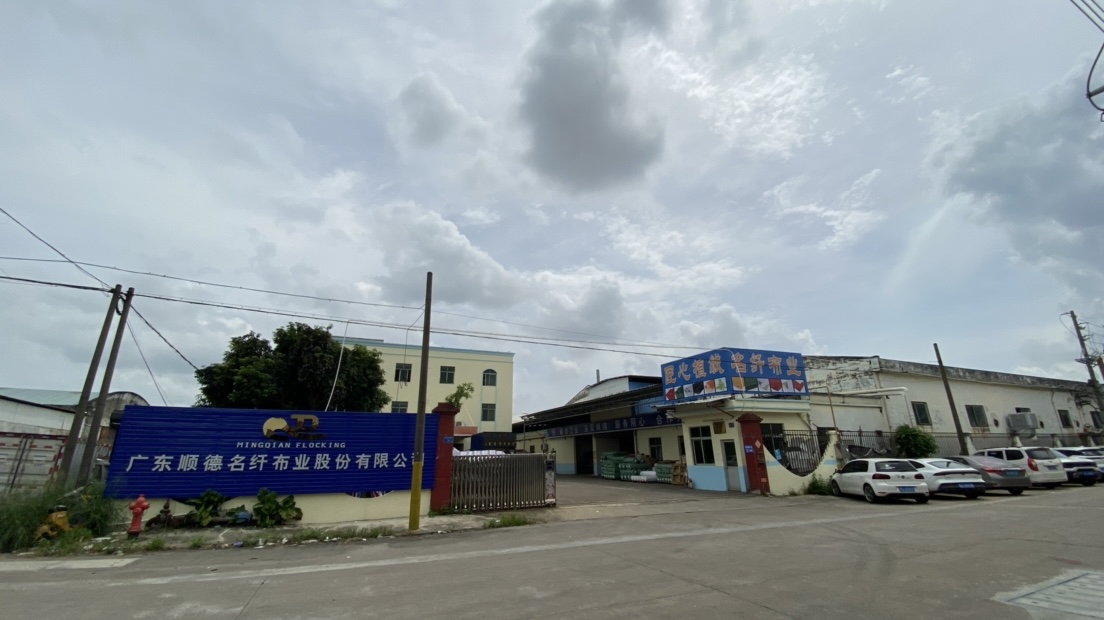
For interior applications, chemical safety is as critical as physical durability. Advanced manufacturing processes managed by Guangdong Shunde Mingqian Flocking Co., Ltd. utilize solvent-free, water-based acrylic systems. These formulations eliminate phthalate plasticizers and organic solvents, keeping volatile organic compound (VOC) levels below 10 milligrams per cubic meter. This level of environmental control is verified by third-party testing, including EU REACH SVHC (SGS test report CANEC26006555803) and RoHS 2.0 (SGS test report CANEC26006555801), making the fabrics safe for residential and commercial spaces.
Real-world integration in high-end home collections proves the viability of heavy-duty synthetic textiles. For instance, the FENDI Home Collection utilizes custom recycled polyester fabrics that pass rigorous temperature resistance tests from -10°C to 80°C while maintaining a tight color tolerance (Pantone Delta E ≤ 0.5). Similarly, premium furniture manufacturers like Suofeinya utilize knitted-base high-density fabrics for custom drawer linings to provide damp-proofing, noise-reduction, and structural resilience. Implementing these high standards in heavy-duty upholstery ensures lasting performance and consistent aesthetic appeal.
Data/Solution Comparison
To assist in specifying the correct fabric weight and type, the table below outlines the physical attributes and performance tiers of Holland velvet alongside alternative technical materials.
| Fabric Type / Option | Weight Category | Primary Applications | Abrasion Performance | Key Structural Advantage |
|---|---|---|---|---|
| Holland Velvet (Lightweight) | 210 GSM | Apparel, bedding, packaging linings, light curtains | Standard (500 cycles) | High drape flexibility, economical |
| Holland Velvet (Heavy-duty) | 280 GSM | Residential sofas, premium drapes, decorative cushions | High (Up to 100,000 cycles for functional lines) | Dense pile surface, excellent seam strength |
| Double-Sided Holland Velvet | Heavy/Double-faced | Commercial seating, luxury packaging, thick partitions | High (Up to 100,000 cycles) | Identical texture on both sides, maximum thickness |
| Faux Suede (Complementary) | Heavy-duty grade | Sofa upholstery, heavy bags, drawer linings, premium packaging | Heavy-duty wear-resistant | Leather-like hand feel, high dimensional stability |
Frequently Asked Questions (FAQ)
Q1: Why is 210 GSM Holland velvet not recommended for heavy-duty sofa upholstery?
A1: At 210 GSM, the base fabric backing lacks the density required to anchor the pile under heavy shear stress. Over time, regular seating friction leads to backing stretching, seam slippage, and pile thinning, which reduces the lifespan of the furniture.
Q2: How do environmental certifications impact the choice of velvet fabrics for indoor furniture?
A2: High-quality velvet must be free of harmful chemical residues. Certifications like REACH and RoHS 2.0 ensure that the fabric does not contain carcinogenic azo dyes, heavy metals, or volatile organic solvents, guaranteeing a safe indoor environment for residential and commercial spaces.
Q3: Can heavy-duty Holland velvet be customized with specific post-processing treatments?
A3: Yes. Heavy-duty velvet supports various post-processing techniques, including self-adhesive backing, lamination, flame-retardant treatments (such as UL94 V-0 ratings), and custom surface embossing, allowing the material to meet exact technical specifications.
Final Conclusion & Recommendations
For heavy-duty sofa upholstery, specifying a minimum weight of 280 GSM or using double-sided constructions is highly recommended to secure structural stability, wear resistance, and long-term aesthetic appeal. Lighter weights like 210 GSM should be reserved for decorative accents or lightweight drapery. When sourcing high-grade upholstery fabrics, selecting materials compliant with international certifications such as GRS, REACH, and RoHS ensures safe, sustainable interior environments. Procurement options are available under OEM/ODM business models with a standard custom minimum order quantity of 1,000 yards, while in-stock standard items are available for immediate dispatch. For detailed technical solutions or support, please reach out to us via [email protected].
About Us
Operating under the brand name Mingqian, Guangdong Shunde Mingqian Flocking Co., Ltd. is a professional textile manufacturer headquartered in Foshan City, Guangdong Province, China. Established in 2008, the company operates a self-owned manufacturing facility covering over 12,000 square meters, supported by more than 100 employees and a dedicated R&D department. The enterprise specializes in high-quality decorative and functional textile materials, delivering a monthly production capacity of 3,000,000 yards. The company holds ISO 9001:2015 and Global Recycled Standard (GRS) Version 4.0 certifications, serving globally recognized brands across the luxury, automotive, electronics, and home furniture sectors.
Lastest
-
How do I choose between Holland velvet, suede, and corduroy for commercial sofas?
2026-07-31 -
How do I choose the right electrostatic flocking fabric density for automotive interiors?
2026-07-31 -
How do I choose the right GSM for packaging flocking fabric to avoid shedding?
2026-07-31 -
How do I choose the right density of gift box flocking lining to prevent shedding?
2026-07-31 -
What density of luxury packaging flocking is best to prevent shedding on jewelry boxes?
2026-07-31
SUBSCRIBE
INQUIRY