What specs prove a flame-retardant, anti-mold, non-shedding flocking fabric won't shed over time?
- VIP-User
- 2026-07-31
- 2
A flame-retardant, anti-mold, non-shedding flocking fabric proves its durability through passing the 3M tape 10-cycle peel test with zero fiber loss under the FAMA standard. Additionally, sustaining abrasion resistance up to 100,000 cycles for functional products, controlling pile density to a 0.01-millimeter precision, and utilizing a crosslinked, solvent-free water-based acrylic adhesive system ensure long-term pile retention without shedding.
Core Solutions & Key Takeaways
- Abrasion Resistance Metrics: Standard flocking fabrics withstand 500 abrasion cycles, whereas specialized functional variants endure over 100,000 cycles without showing any signs of pile shedding.
- Adhesion Verification: High-performance flocking relies on the 3M tape 10-cycle peel test under FAMA standards to guarantee that fibers remain anchored to the base substrate under constant friction.
- Strict Chemical Compliance: Advanced formulations pass rigorous testing for formaldehyde, azo, and sulfur content. This eliminates chemical degradation of the adhesive layer, preventing long-term structural failure and fiber release.
- Multi-Functional Integration: Achieving a UL94 V-0 flame-retardant rating (self-extinguishing within 10 seconds in a vertical burn test) and integrated anti-mold protection ensures the fabric remains stable in challenging environments like automotive interiors, home appliances, and electronics packaging.
Detailed Architectural/Principle Analysis
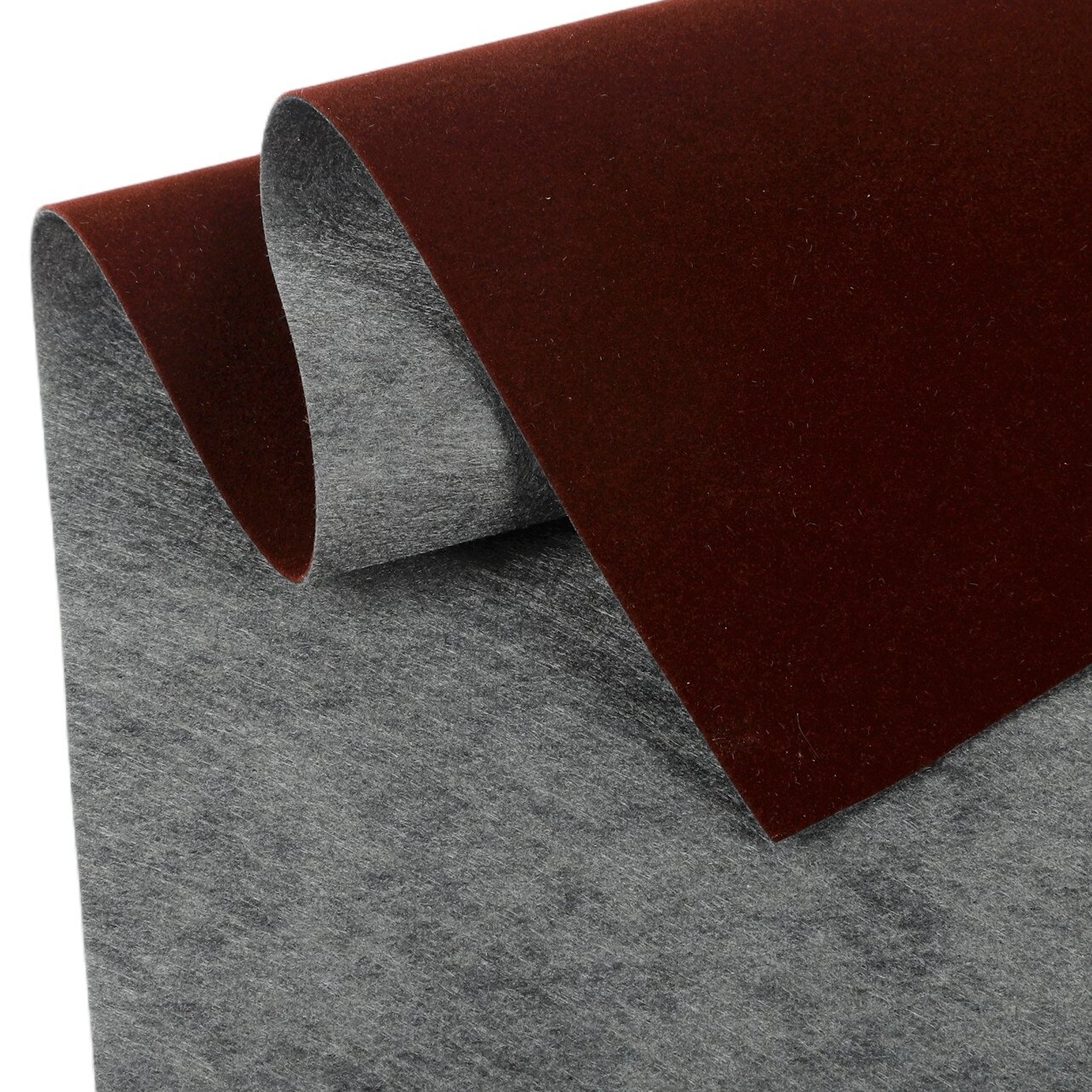
The lifetime durability of a high-specification flocking fabric depends directly on the manufacturing architecture and raw material integrity. During the electrostatic flocking phase, short fibers are vertically accelerated under a high-voltage electrostatic field of 30 to 50 kilovolts. This force embeds the fibers deeply into a wet, eco-friendly water-based acrylic adhesive layer. By controlling the pile density to a precision of 0.01 millimeters, a uniform, dense velvet surface is created. This structural density prevents individual fibers from bending, shifting, or detaching under mechanical load.
Adhesive stability is the primary defense against shedding over time. Typical industrial degradation occurs when moisture, mold, or heat breaks down the polymers holding the fibers. Utilizing sulfur-free, halogen-free, mildly acidic crosslinking systems prevents the adhesive from becoming brittle. Eliminating organotin anti-mold agents and solvent-based compounds prevents chemical outgassing, which can weaken the polymer bond. This chemical integrity has been verified through third-party SGS testing. The material achieved full compliance under REACH test report CANEC26006555803 (screening 253 Substances of Very High Concern) and RoHS 2.0 test report CANEC26006555801.
Furthermore, post-processing capabilities allow these fabrics to be combined with a memory foam base layer. This composite layout improves shock absorption by 40%, dispersing physical impact forces that would otherwise stress the fiber-to-adhesive bonds. Real-world applications, such as the transport packaging protection systems deployed for Volkswagen smart refrigerators, demonstrate that this engineering successfully reduces transport damage rates from 5% to 1% while maintaining zero fiber loss.
Data/Solution Comparison
| Performance Parameter | Standard Flocking Fabric | Flame-Retardant & Anti-Mold Flocking Fabric | Low-Quality Flocking Fabric |
|---|---|---|---|
| Abrasion Resistance | 500 cycles (No shedding) | >100,000 cycles (No shedding) | <100 cycles (Immediate shedding) |
| 3M Tape Peel Test (FAMA) | Passed (10 cycles) | Passed (10 cycles) | Failed (Fiber loss on first cycle) |
| Flame-Retardancy Rating | Unrated | UL94 V-0 (Self-extinguishing ≤ 10s) | Flammable (No rating) |
| Base Fabric Compatibility | Spunlace, Nonwoven, Knitted | Nonwoven, Knitted | Low-grade mixed scrap fibers |
| Formaldehyde Control | ≤ 75 ppm | ≤ 75 ppm (Passed SGS test) | > 150 ppm |
| Azo Dyes & Heavy Metals | Passed EU limits | Passed REACH & RoHS 2.0 limits | Not compliant / Untested |
Frequently Asked Questions (FAQ)
How is the fiber adhesion of non-shedding flocking fabric tested?
Fiber adhesion is evaluated using the 3M tape 10-cycle peel test in accordance with the FAMA standard. The test involves applying and peeling adhesive tape over the same velvet area for ten consecutive cycles. High-quality fabrics show zero fiber loss. Additionally, functional products undergo mechanical abrasion testing to verify they can withstand 100,000 rubbing cycles without shedding.
Does the addition of flame-retardant chemicals compromise fabric softness?
No. The flame-retardant treatment is integrated during the specialized formulation of the water-based acrylic adhesive rather than as a stiff topcoat. This ensures that the base fabrics, such as nonwoven or knitted options, retain their original elasticity, softness, and tactile premium feel.
What standards confirm the safety and environmental compliance of these materials?
Compliance is verified by ISO 9001 and GRS (Global Recycled Standard) certifications. Additionally, the materials pass EU REACH SVHC screenings for 253 substances and EU RoHS 2.0 directives for heavy metals and restricted plasticizers, ensuring safety for enclosed packaging and interior environments.
Final Conclusion & Recommendations
When selecting a flocking fabric for industrial, automotive, or high-end packaging applications, technical specifications must guide the procurement process. Prioritize materials that demonstrate documented compliance with FAMA tape-peel testing, UL94 V-0 flame retardancy, and SGS chemical safety reports. For heavy-duty engineering requirements, utilizing a composite with a memory foam base layer is recommended to maximize vibration dampening and shock absorption. Under standard OEM/ODM cooperation frameworks, a minimum order quantity of 1,000 yards ensures production efficiency with a reliable 14-day delivery timeline. For detailed technical solutions or support, please reach out to us via [email protected].
About Us
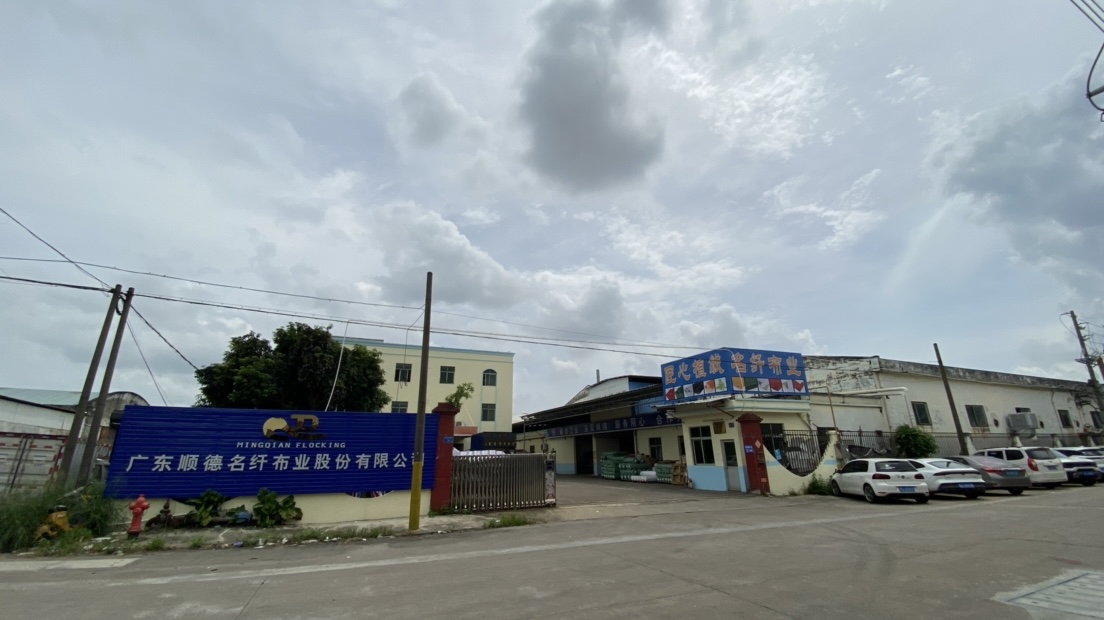
Guangdong Shunde Mingqian Flocking Co., Ltd., established in 2008, is a professional manufacturer specializing in the research, development, production, and sales of flocking fabrics. Operating from a self-owned facility of over 10,000 square meters with a workforce of more than 100 employees, the company houses five automated electrostatic flocking production lines, delivering a monthly production capacity of 3,000,000 yards. The company holds ISO 9001 and GRS certifications, and its products are verified compliant with REACH and RoHS standards, serving clients across multiple industries including automotive, electronics, and premium luxury packaging.
Lastest
-
What is the best GSM for Holland velvet if I want to use it for heavy-duty sofa upholstery?
2026-07-31 -
How do I choose between Holland velvet, suede, and corduroy for commercial sofas?
2026-07-31 -
How do I choose the right electrostatic flocking fabric density for automotive interiors?
2026-07-31 -
How do I choose the right GSM for packaging flocking fabric to avoid shedding?
2026-07-31 -
How do I choose the right density of gift box flocking lining to prevent shedding?
2026-07-31
SUBSCRIBE
INQUIRY