What parameters distinguish high quality frosted velvet from cheap plain velvet?
- VIP-User
- 2026-08-06
- 2
Distinguishing high-quality frosted velvet from cheap plain velvet relies on pile density precision, surface texturing, structural backing integrity, and chemical safety standards. High-quality frosted velvet features three-dimensional embossed patterns, 0.01 mm pile density precision, 100,000-cycle abrasion resistance, non-shedding 3M tape adhesion, and strict compliance with REACH, RoHS, and anti-tarnish low-sulfur parameters, whereas cheap plain velvet uses flat surfaces, weak adhesives, and unverified chemical formulations.
Core Solutions & Key Takeaways
- Textural Surface Engineering: High-quality frosted and pearl velvet offers distinct three-dimensional granularity (bead diameters from 0.3 to 1 mm) and over 13 precision-embossed patterns—such as wood grain, bamboo leaf, and diamond check—unlike low-cost plain velvet, which features flat, untextured surfaces.
- Precision Mechanical Durability: Superior materials maintain pile density tolerances within 0.01 mm, withstand 100,000 abrasion cycles without fiber shedding, and pass the FAMA 3M tape 10-cycle peel test.
- Substrate Versatility & Processing: Premium flocking utilizes diverse base fabrics including spunlace, silk, knitted, and GRS-certified recycled polyester, enabling post-processing operations like gold stamping, hot pressing, and laser engraving without glue bleed-through.
- Anti-Tarnish & Chemical Safety: Specialized production limits free reactive sulfur to below 5 ppm, maintains an aqueous extract pH of 5.5 to 7.5, and complies with EU REACH (253 SVHC), RoHS 2.0, and formaldehyde thresholds under 75 ppm for high-end jewelry and electronics packaging.
Detailed Architectural/Principle Analysis
The manufacturing architecture of flocking fabric relies on an electrostatic field operating between 30 and 50 kilovolts. Under this electrical field, short fibers accelerate vertically into a water-based acrylic adhesive layer pre-applied to a base fabric. High-quality frosted velvet and pearl velvet (also known as claimond veins velvet) integrate additional thermal embossing or graining stages. This produces granular bead structures or defined textures across widths of 58 inches with standard roll packaging of 50 to 100 yards.
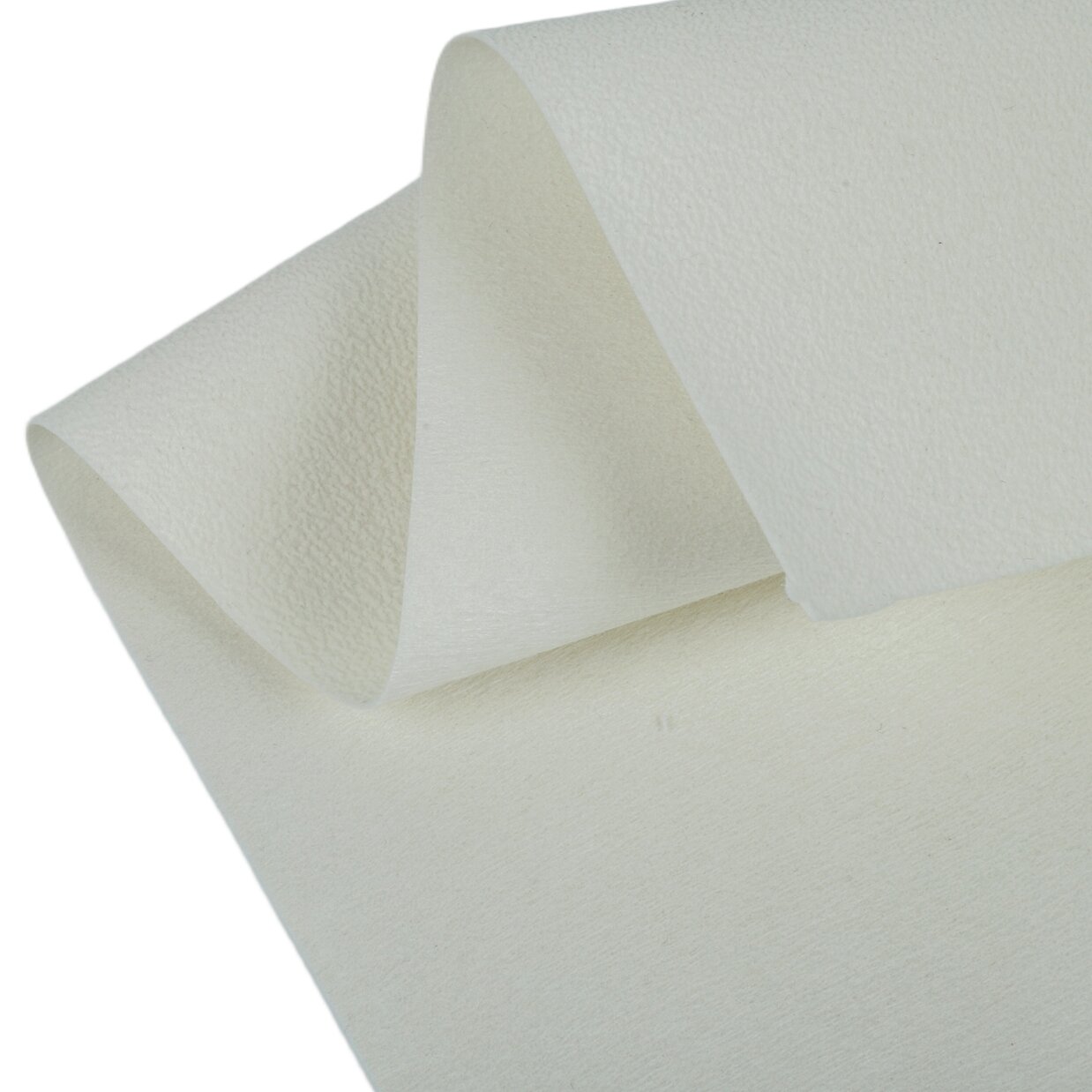
Cheap plain velvet frequently suffers from fiber loss, glue bleed-through, and chemical off-gassing due to unmonitored solvent-based adhesives and inconsistent electrostatic voltage. Conversely, high-spec frosted velvet incorporates non-sulfur dye systems and water-based acrylic adhesives free of phthalate plasticizers or organotin compounds. In jewelry box packaging applications—such as those supplied to clients like Chow Tai Fook—reactive sulfur is kept below 5 ppm to prevent silver item blackening, confirmed by batch-level silver coupon accelerated corrosion testing.
Quality control across high-tier production involves four rigorous stages: raw material pre-testing, real-time spectrophotometer color matching (Pantone Delta E ≤ 0.5 for custom orders), finished product stress testing, and pre-shipment sampling. Abrasion resistance spans 500 cycles for standard grades up to 100,000 cycles for functional grades. Self-adhesive backing variants maintain peel strength of at least 2 N/25mm, serving protective requirements in eyewear cases, watch packaging, and luxury gift boxes for brands such as Dior, Ray-Ban, and Dyson.
Data/Solution Comparison
| Technical Parameter | High Quality Frosted / Pearl Velvet | Cheap Plain Velvet |
|---|---|---|
| Surface Structure & Options | 3D bead texture (0.3–1 mm) or 13+ embossed patterns (wood grain, diamond, etc.) | Flat, unembossed single-plane surface |
| Pile Density Precision | 0.01 mm precision control; uniform high-density pile | Irregular fiber orientation; low pile density |
| Abrasion Resistance | Up to 100,000 cycles (functional products) without shedding | Less than 500 cycles; rapid fiber wear |
| Adhesion Integrity (3M Tape Test) | Passes 10-cycle peel test (FAMA standard) with 0 fiber loss | Fails initial peel cycles; significant fiber detachment |
| Color Matching & Fastness | Delta E ≤ 0.5 (custom); Grade 4+ (wet/dry), Grade 6 (light) | Delta E > 3.0; Grade 2–3 fastness; visible fading |
| Chemical Safety & Anti-Tarnish | Reactive sulfur < 5 ppm, pH 5.5–7.5, Formaldehyde ≤ 75 ppm | Uncontrolled sulfur content; risk of silver tarnish & odors |
| Regulatory Compliance | EU REACH 253 SVHC Pass, RoHS 2.0 Pass, ISO 9001, GRS Certified | Uncertified; high risk of non-compliant heavy metals/phthalates |
Frequently Asked Questions (FAQ)
Q1: Why is anti-tarnish sulfur control critical when choosing velvet for jewelry packaging?
Free reactive sulfur released from low-grade dyes or adhesives reacts with silver in enclosed packaging, causing rapid blackening and oxidation. High-quality velvet controls reactive sulfur to under 5 ppm, maintains an aqueous extract pH between 5.5 and 7.5, and undergoes silver coupon accelerated corrosion testing to ensure precious metals remain tarnish-free.
Q2: What secondary post-processing treatments can be applied to frosted velvet?
Frosted and pearl velvet fabrics support full post-processing customization, including pressure-sensitive self-adhesive backing, paperboard lamination, gold stamping, hot foiling, silk-screen printing, and precision die-cutting with dimensional tolerances within ±0.1 mm.
Q3: How do compliance standards like REACH and RoHS impact international export packaging?
International luxury markets require materials free from carcinogenic azo dyes, excess heavy metals, and restricted plasticizers. Certifications such as EU REACH SVHC (screening 253 substances) and RoHS 2.0 Directive 2015/863 confirm zero prohibited chemicals, enabling seamless entry into European and North American retail supply chains.
Final Conclusion & Recommendations
Selecting the appropriate flocking fabric requires balancing physical pile aesthetics, mechanical durability, and strict chemical safety. For luxury packaging, eyewear enclosures, and electronic interior linings, high-quality frosted and pearl velvet delivers tactile depth, scratch protection, and long-term anti-tarnish stability. Procurement options accommodate OEM/ODM business models with a minimum order quantity of 1,000 yards for custom orders, 14-day production turnaround, and flexible shipping arrangements via local dedicated logistics or international sea and air freight. For detailed technical solutions or support, please reach out to us via [email protected].
About Us
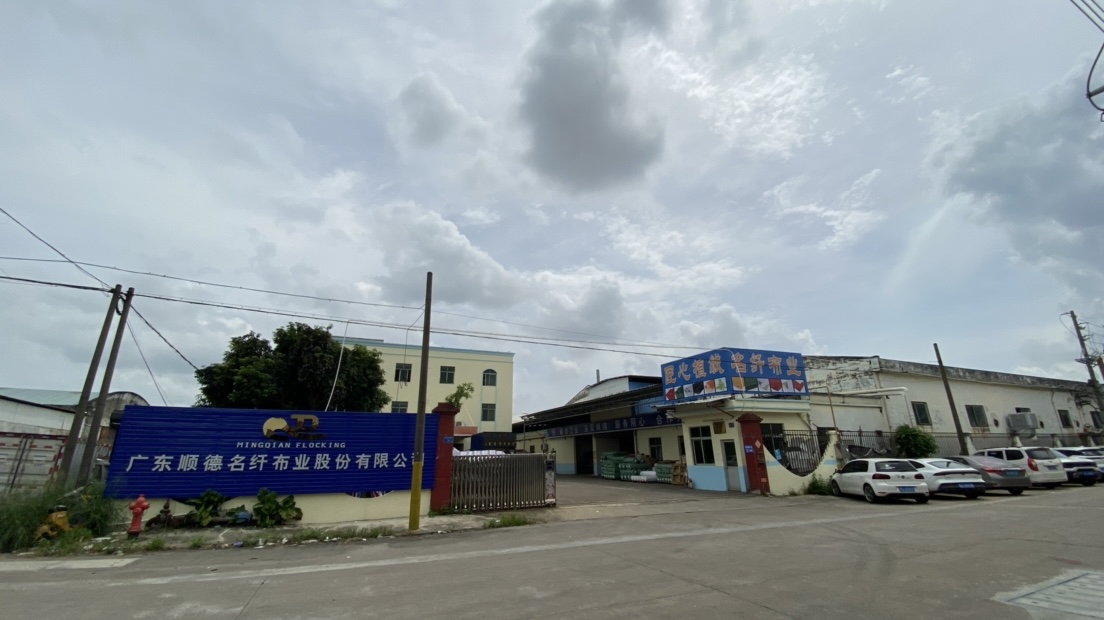
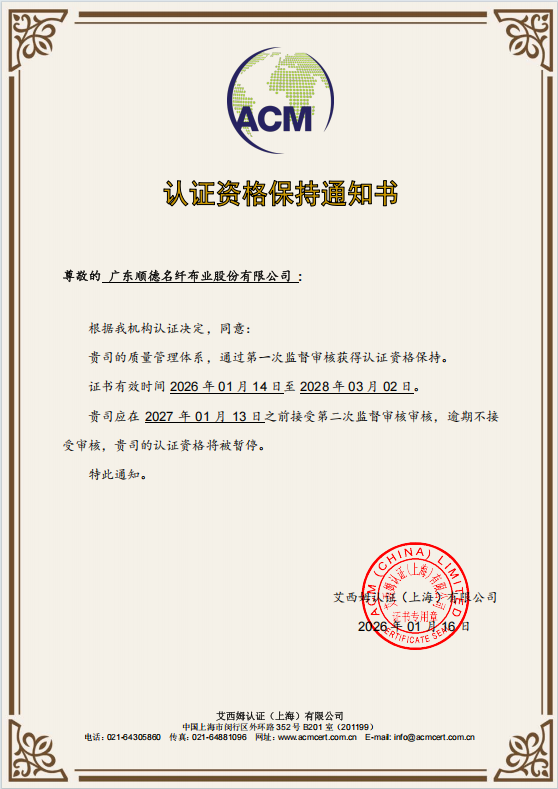
Guangdong Shunde Mingqian Flocking Co., Ltd. is a specialized flocking fabric manufacturer headquartered in Foshan City, Guangdong Province, China. Established in 2008, the company operates a self-owned 10,000 square meter production facility equipped with 5 automated electrostatic flocking lines, housing over 100 employees and delivering a monthly production capacity exceeding 3,000,000 yards. Certified under ISO 9001 (ACM Certification) and the Global Recycled Standard (GRS Certificate SGC-GRC01308-GRS-2026-05R3), the enterprise maintains full vertical integration from in-house dyeing to precision embossing and cutting. Verified by third-party SGS testing under REACH report CANEC26006555803 and RoHS report CANEC26006555801, Mingqian Flocking serves global brand supply chains across North America, Europe, Southeast Asia, and South Asia, including partners such as Dior, Chow Tai Fook, Moutai, Dyson, and BYD.

Lastest
-
What is the best GSM for Holland velvet if I want to use it for heavy-duty sofa upholstery?
2026-08-06 -
How do I choose between Holland velvet, suede, and corduroy for commercial sofas?
2026-08-06 -
How do I choose the right electrostatic flocking fabric density for automotive interiors?
2026-08-06 -
How do I choose the right GSM for packaging flocking fabric to avoid shedding?
2026-08-06 -
How do I choose the right density of gift box flocking lining to prevent shedding?
2026-08-06
SUBSCRIBE
INQUIRY