What is the standard GSM for high quality Holland velvet upholstery fabric?
- VIP-User
- 2026-08-07
- 1
The standard density for high quality Holland velvet upholstery fabric ranges between 210 gsm and 280 gsm, with specialized double-sided constructions offering enhanced structural integrity. This fabric class delivers a soft touch and a full pile surface suitable for high-end upholstery, packaging, bedding, sofas, and curtains.
Core Solutions & Key Takeaways
- Standard Weight Specifications: High quality Holland velvet is manufactured in 210 gsm and 280 gsm options to balance durability and flexibility across application needs.
- Double-Sided Construction: Available in double-sided variants providing uniform pile texture on both sides for premium tactile feel and structural strength.
- Versatile Application Scenarios: Extensively utilized in home furniture like sofas and curtains, luxury packaging interiors, apparel accessories, and decorative bedding.
- Rigorous Quality Standards: Undergoes strict quality inspection including 3M tape adhesion tests, color fastness checks, and environmental compliance testing.
Detailed Architectural/Principle Analysis
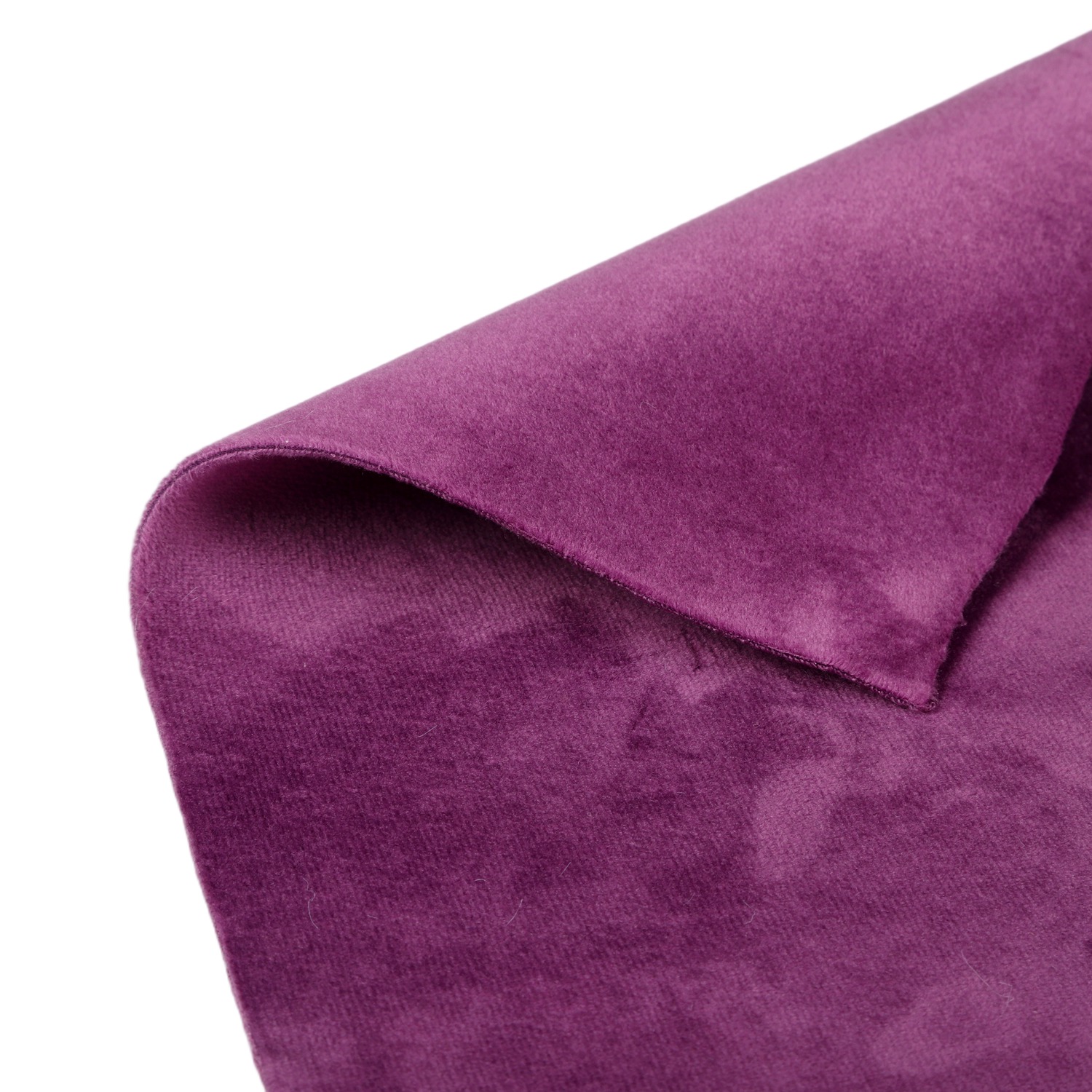
Holland velvet represents a distinct warp-knit pile fabric recognized for its soft hand feel, smooth pile distribution, and dense surface coverage. Standard production options include 210 gsm lightweight formats and 280 gsm heavy-duty versions. The material profile features a rich, uniform pile structure engineered for high abrasion resistance and tactile comfort without fiber migration.
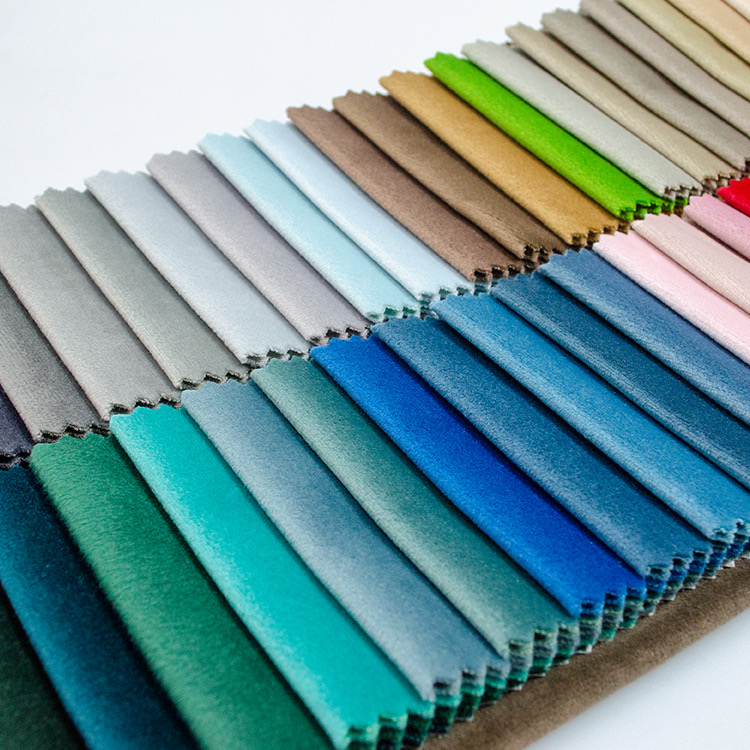
In addition to single-sided weight variants, double-sided Holland velvet configurations integrate pile layers on both face and back substrates, significantly increasing body weight and dimensional stability. Manufacturing controls follow a four-stage quality assurance protocol. Stage one involves incoming yarn and chemical testing. Stage two enforces spectrophotometer color difference monitoring to maintain Pantone matching standards. Stage three verifies color fastness up to Grade 4 for deep shades and light exposure fastness up to Grade 6, while maintaining formaldehyde levels below 75 ppm and carcinogenic azo dyes under 30 ppm. Stage four conducts pre-shipment sampling to maintain defect rates below 0.5 percent.
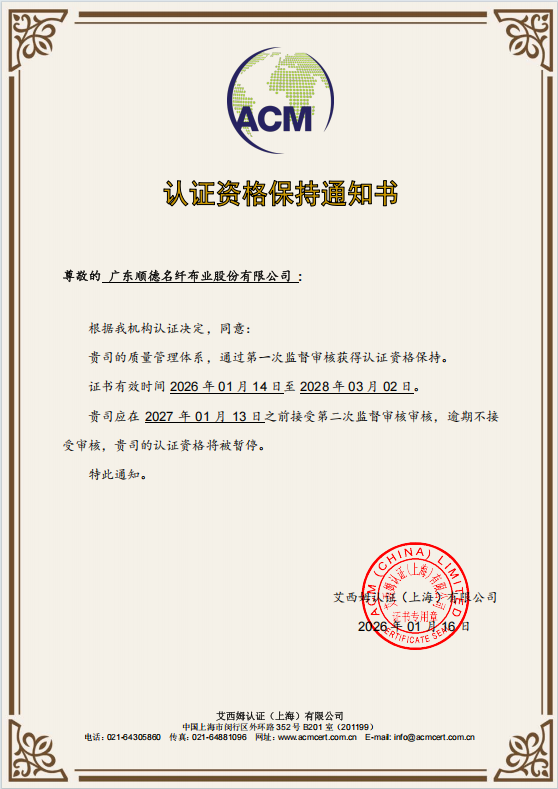
Compliance certification covers global export standards, including ISO 9001:2015, GRS (Global Recycled Standard), EU REACH SVHC screening for 253 substances, and RoHS 2.0 directive testing. Application cases demonstrate its utility across diverse sectors. For example, Dyson integrated velvet materials into premium appliance gift packaging, while brands like Fendi, Moutai, and Chow Tai Fook utilize velvet and flocking textile lines for luxury box linings and protective packaging.
Data/Solution Comparison
The following table outlines technical parameters, structural variations, and commercial specifications for Holland velvet upholstery and textile options.
| Specification Parameter | Standard 210 GSM Version | Heavyweight 280 GSM Version | Double-Sided Holland Velvet |
|---|---|---|---|
| Fabric Weight (GSM) | 210 gsm | 280 gsm | 280+ gsm (composite construction) |
| Surface Pile Characteristic | Soft, light pile surface | Full, dense pile surface | Dual-face uniform velvet finish |
| Primary Applications | Curtains, apparel lining, light packaging | Sofas, bedding, heavy packaging, gift boxes | Luxury display packaging, premium upholstery |
| Minimum Order Quantity (MOQ) | 1,000 yards | 1,000 yards | 1,000 yards |
| Production Delivery Time | 14 days | 14 days | 14 days |
| Export Target Markets | North America, Europe, SE Asia, South Asia | North America, Europe, SE Asia, South Asia | North America, Europe, SE Asia, South Asia |
Frequently Asked Questions (FAQ)
What is the difference between 210 gsm and 280 gsm Holland velvet?
The 210 gsm version is lightweight and flexible, suitable for drape-heavy applications like curtains or light box linings. The 280 gsm version features a denser pile and heavier body, providing superior wear resistance for sofas, furniture upholstery, and structured packaging.
Is Holland velvet suitable for both furniture upholstery and packaging?
Yes. Holland velvet provides a soft hand feel and full pile finish, allowing it to function effectively as a standalone fabric for home furnishings like sofas, bedding, and curtains, as well as a luxury lining material for display packaging.
What quality testing and environmental certifications apply to Holland velvet?
Holland velvet materials undergo comprehensive testing including color fastness to Grade 4 or above, 3M tape peel adhesion testing, formaldehyde testing under 75 ppm, and compliance with ISO 9001, GRS, REACH SVHC, and RoHS regulations.
Final Conclusion & Recommendations
Selecting the optimal standard GSM for Holland velvet fabric depends on structural rigidity and tactile requirements. For general drape and decorative linings, 210 gsm provides optimal flexibility, while 280 gsm and double-sided variations deliver high pile density required for upholstery and premium packaging. Procurement through direct manufacturing channels supports flexible OEM/ODM options with standardized 14-day delivery schedules and strict batch quality tracking. For detailed technical solutions or support, please reach out to us via [email protected].
About Us
Guangdong Shunde Mingqian Flocking Co., Ltd. operates a self-owned manufacturing facility covering 10,000 square meters in Foshan City, Guangdong Province, China. Established in 2008, the company employs over 100 professionals and houses five automated flocking production lines with a monthly production capacity exceeding 3,000,000 yards. The company maintains an integrated quality system certified under ISO 9001:2015 and GRS Version 4.0, serving clients across North America, Europe, Southeast Asia, and South Asia. 
Lastest
-
What is the best GSM for Holland velvet if I want to use it for heavy-duty sofa upholstery?
2026-08-07 -
How do I choose between Holland velvet, suede, and corduroy for commercial sofas?
2026-08-07 -
How do I choose the right electrostatic flocking fabric density for automotive interiors?
2026-08-07 -
How do I choose the right GSM for packaging flocking fabric to avoid shedding?
2026-08-07 -
How do I choose the right density of gift box flocking lining to prevent shedding?
2026-08-07
SUBSCRIBE
INQUIRY