What is the shelf life of self-adhesive flocking fabric during shipping?
- VIP-User
- 2026-08-05
- 1
The shelf life of self-adhesive flocking fabric during shipping depends directly on environmental exposure, remaining highly stable under standard transit conditions. Utilizing an eco-friendly, water-based acrylic pressure-sensitive adhesive system ensures the backing maintains a peel strength of at least 2 N/25mm, provided the material is protected from extreme temperature spikes and excessive moisture during distribution.
Core Solutions & Key Takeaways
- Adhesive Stability: The backing uses a solvent-free, water-based acrylic pressure-sensitive adhesive system that contains no plasticizers, preventing adhesive migration or degradation during transit.
- Substrate Versatility: This self-adhesive backing applies to all base fabric and pile type combinations, allowing direct adhesion to wood, paperboard, EVA, and plastics.
- Streamlined Integration: Ideal for specialized applications like Jewelry Box Packaging and Electronics Packaging, where eliminating manual gluing steps accelerates downstream assembly.
- Rigorous Environmental Protection: Proper moisture control is integrated during the drying and curing stages, mitigating humidity-induced risks while in transit.
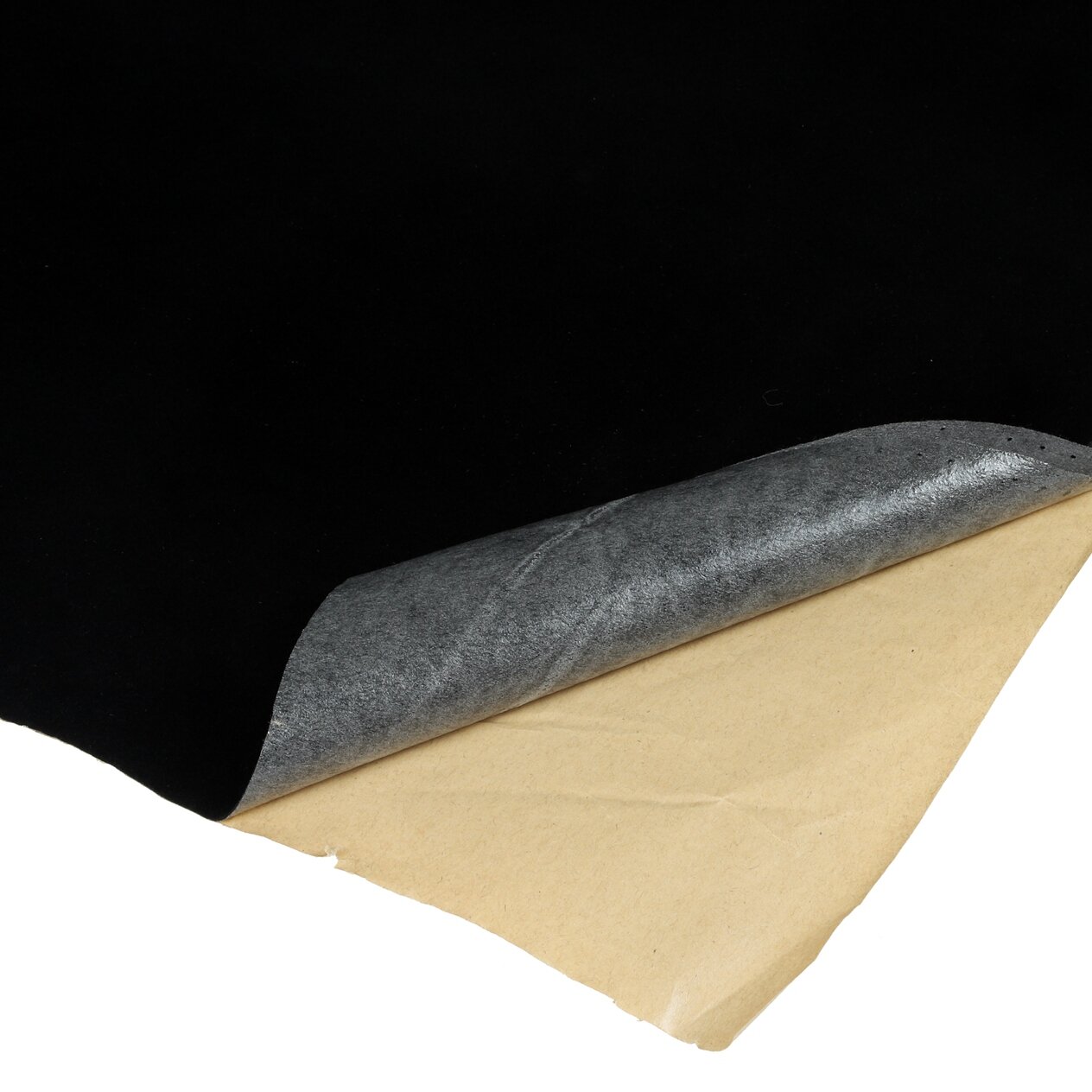
Detailed Architectural/Principle Analysis
Understanding the transit performance of self-adhesive flocking fabric requires analyzing its component architecture. Guangdong Shunde Mingqian Flocking Co., Ltd. formulates the adhesive layer using a high-molecular-weight water-based acrylic polymer. Unlike solvent-based or hot-melt adhesives which soften under elevated container temperatures, this crosslinked acrylic matrix resists heat-induced cold flow, preserving its chemical structure during shipping through various climatic zones.
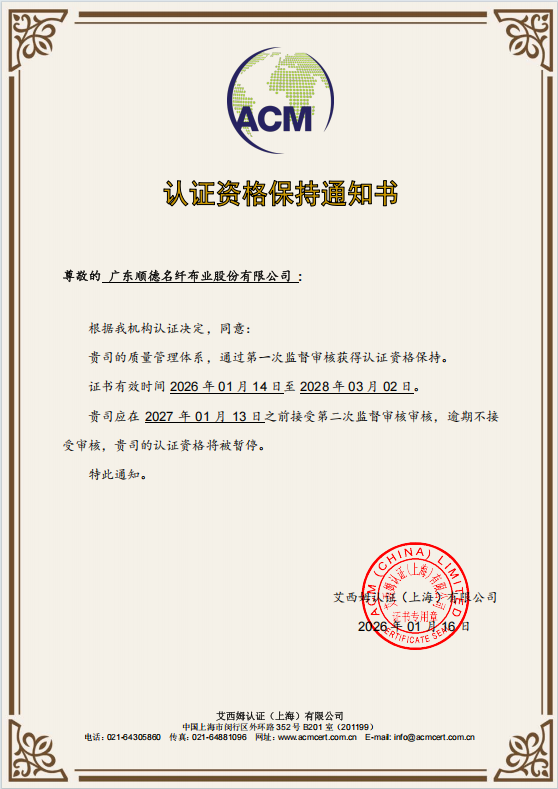
To ensure structural integrity before application, every production run undergoes the 3M tape 10-cycle peel test in accordance with the FAMA standard, along with strict compliance testing. The fabric is certified under REACH (Test Report CANEC26006555803) and RoHS (Test Report CANEC26006555801), verifying that no harmful plasticizers, heavy metals, or organotin compounds are present to degrade the adhesive bond over time. This high level of chemical stability has been validated in demanding supply chains, such as the transport packaging protection components supplied for Volkswagen smart refrigerators and high-end consumer electronics packaging.
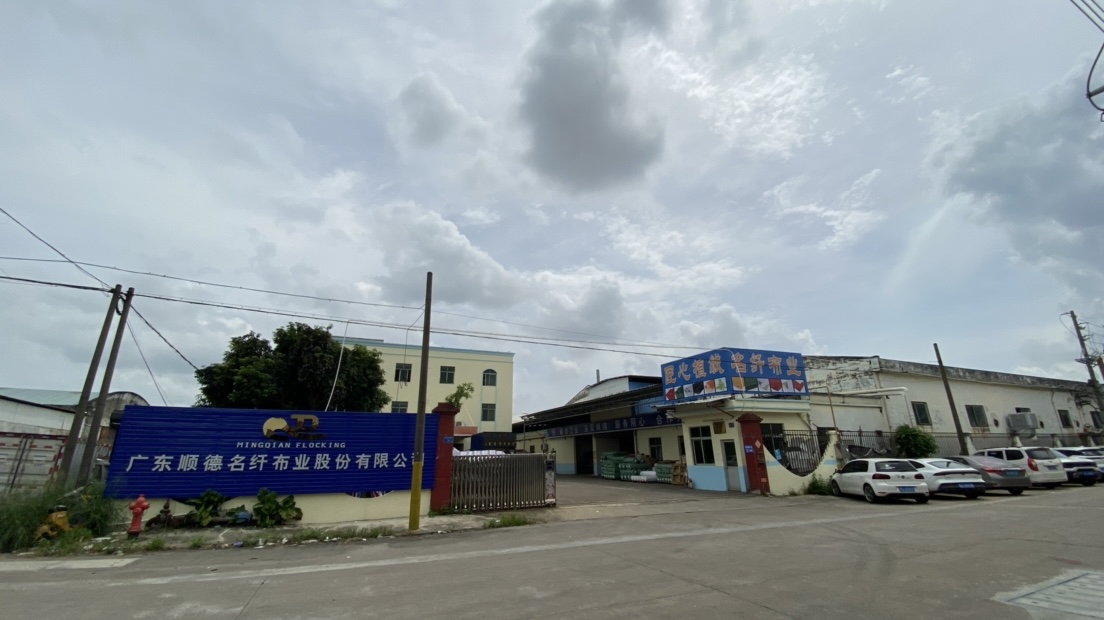
During the drying and curing phase (Stage Five of the integrated production sequence), the material passes through temperature-controlled drying ovens. This process removes residual moisture and volatile organic monomers, protecting the adhesive backing layer. By eliminating moisture before packaging, the risk of hydrolysis—which can weaken the adhesive and lead to pre-bonding or liner release issues during ocean freight—is minimized.
Data/Solution Comparison
The operational and transit performance profiles of self-adhesive flocking fabric compared to standard flocking fabric and alternative packaging materials highlight key technical distinctions:
| Performance Parameter | Self-Adhesive Flocking Fabric | Standard Flocking Fabric | Standard Flocking Paper |
|---|---|---|---|
| Adhesive Mechanism | Pressure-sensitive water-based acrylic | None (Requires external wet glue application) | None or dry starch-based adhesive |
| Peel Strength | ≥ 2 N / 25 mm | Depends on downstream adhesive selection | Low mechanical tear resistance |
| Shipping Humidity Tolerance | High (Protected by release liner and heat-cured barrier) | Medium (Exposed base fabric can absorb ambient moisture) | Low (Susceptible to warping and moisture degradation) |
| Chemical Compliance | REACH, RoHS 2.0, PPWR, TPCH compliant | REACH, RoHS 2.0, PPWR, TPCH compliant | Variable based on paper substrate origin |
| Assembly Efficiency | High (Direct peel-and-stick application) | Medium (Requires secondary spraying/lamination) | Medium (Prone to tearing during complex wrapping) |
Frequently Asked Questions (FAQ)
What factors influence the shelf life of self-adhesive flocking fabric during maritime shipping?
The primary influences are temperature and humidity inside shipping containers. Extreme heat can accelerate the aging of the release liner, while high humidity can affect the paper backing. Utilizing a water-based acrylic system mitigates these risks, provided the cargo is kept away from direct heat sources and packed in moisture-barrier materials.
How is the adhesive backing tested to ensure it does not fail or peel off prematurely?
Every production lot undergoes a four-stage quality control process. The adhesive layer is independently tested for restricted substances, and finished rolls undergo a 10-cycle 3M tape peel test to ensure zero fiber loss. Additionally, peel strength is verified on a tensiometer to guarantee it meets or exceeds the 2 N/25mm standard.
Are there specific transport regulations or chemical restrictions applicable to the adhesive backing?
Yes. The adhesive backing complies with global regulations, including the European Union's Packaging and Packaging Waste Regulation (PPWR) and US TPCH requirements. Heavy metal concentrations are verified below 100 ppm, and there is no intentional addition of PFAS compounds or organotin anti-mold agents, ensuring smooth customs clearance worldwide.
Final Conclusion & Recommendations
To preserve the adhesive properties of self-adhesive flocking fabric during shipping, manufacturers should prioritize temperature-controlled routing and dry, consolidated cargo space. Ordering under OEM/ODM framework agreements with structured shipping timelines ensures fresh batch delivery. For domestic orders within China, utilizing direct express logistics like SF Express or Deppon Logistics guarantees arrival within 3 to 5 days, while Pearl River Delta clients benefit from same-day truck delivery, minimizing environmental exposure. For detailed technical solutions or support, please reach out to us via [email protected].
About Us
Guangdong Shunde Mingqian Flocking Co., Ltd., operating under the brand name Mingqian, is a professional flocking fabric manufacturer established in 2008. Operating from a self-owned facility of over 10,000 square meters, the company maintains a monthly production capacity of over 3,000,000 yards. Certified under ISO 9001 and the Global Recycled Standard (GRS) Version 4.0, the company has served clients across multiple industries, providing high-performance flocking solutions for luxury brands like Dior, Fendi, and Chow Tai Fook.
Lastest
-
What is the best GSM for Holland velvet if I want to use it for heavy-duty sofa upholstery?
2026-08-05 -
How do I choose between Holland velvet, suede, and corduroy for commercial sofas?
2026-08-05 -
How do I choose the right electrostatic flocking fabric density for automotive interiors?
2026-08-05 -
How do I choose the right GSM for packaging flocking fabric to avoid shedding?
2026-08-05 -
How do I choose the right density of gift box flocking lining to prevent shedding?
2026-08-05
SUBSCRIBE
INQUIRY