What is the rub count limit for Holland velvet to prevent pilling on furniture?
- VIP-User
- 2026-08-03
- 2
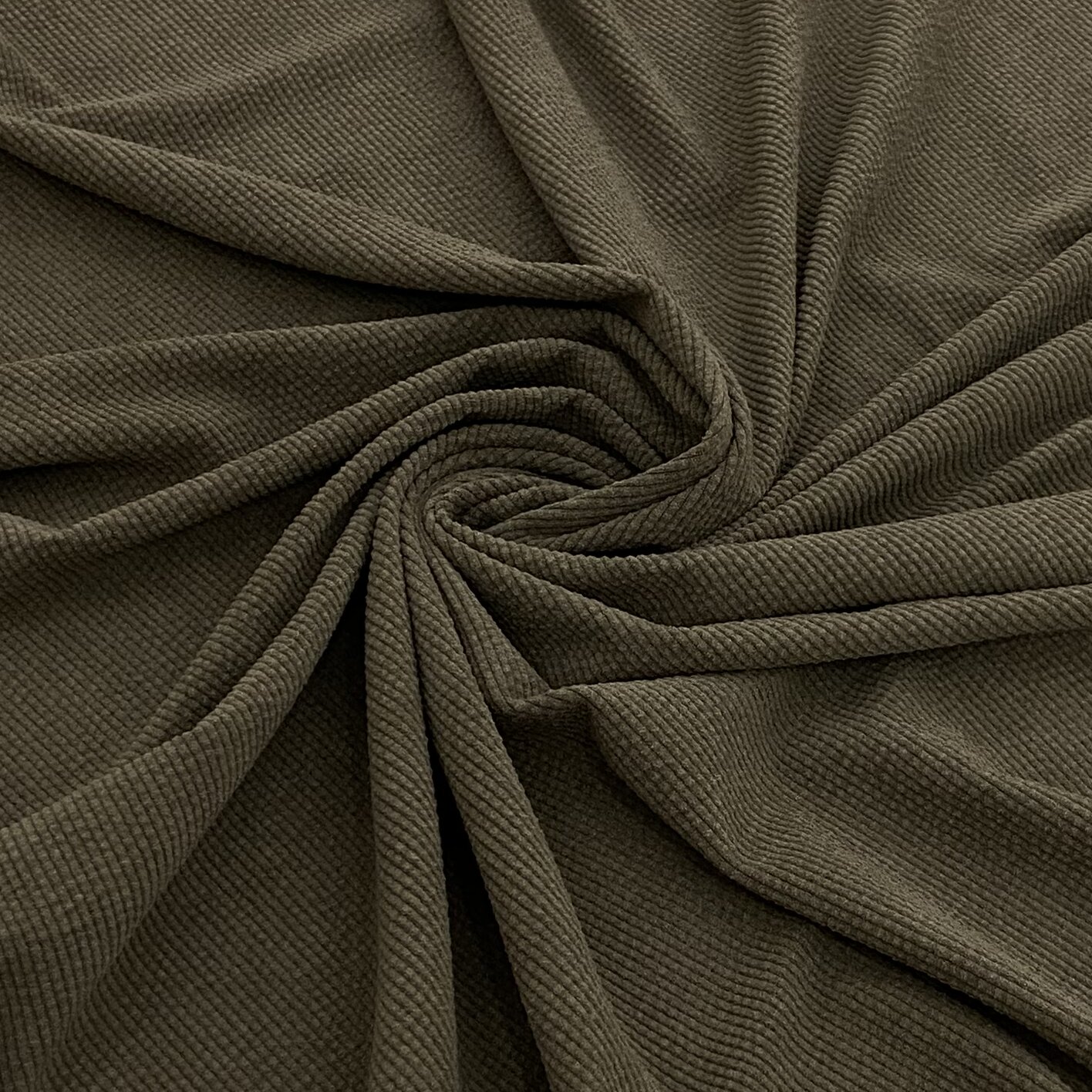
Holland velvet prevents pilling and maintains structural integrity on furniture when it meets heavy-duty residential and commercial standards. While standard velvet fabrics endure 500 abrasion cycles, high-performance furniture-grade Holland velvet, supplied as a premium complementary textile, is engineered to withstand up to 100,000 rubs with zero fiber shedding and Grade 4 color fastness.
Core Solutions & Key Takeaways
- Heavy-Duty Durability: Functional upholstery materials undergo rigorous testing, achieving up to 100,000 rub cycles to prevent surface shedding or pile wear in high-traffic applications.
- Multi-Weight Specifications: Holland velvet is supplied in 210 gsm, 280 gsm, and double-sided structures to align with specific furniture, sofa, and packaging weight requirements.
- Comprehensive Environmental Safety: Fabrics comply with international chemical safety standards, including EU REACH SVHC (253 substances tested) and RoHS 2.0.
- Integrated Anti-Mold and Moisture Control: Upholstery linings, such as knitted-base high-density fabrics used in furniture drawer linings, prevent dampness and support silent drawer operations.
Detailed Architectural/Principle Analysis
To prevent pilling and fiber loss, high-quality upholstery fabrics rely on advanced fiber anchoring and strict raw material control. During raw material screening, all incoming base fabrics are tested for heavy metals, harmful dye residues, sulfur, and chloride salt content before production. By employing water-based acrylic adhesive formulations that are solvent-free and contain no phthalate plasticizers or organotin anti-mold agents, the underlying structure maintains excellent flexibility while securely bonding the surface fibers.
For fabrics utilizing electrostatic flocking technology, fibers are accelerated vertically under a high-voltage electrostatic field of 30 to 50 kilovolts. This creates a highly uniform, dense pile surface with a precision of 0.01 millimeters. The fabric then passes through temperature-controlled drying ovens to cure the adhesive, set the pile orientation, and eliminate residual moisture, securing long-term pile adhesion and dimensional stability.
To verify resistance to pilling and shedding, finished products undergo strict quality checks. The pile adhesion is validated using a 3M tape 10-cycle peel test in accordance with the FAMA standard. Additionally, color fastness for deep colors under wet and dry conditions must reach Grade 4 or above, and light exposure color fastness must reach Grade 6 or above. These protocols ensure the fabric resists friction, light, and humidity without degrading.
These performance metrics have been successfully implemented across demanding sectors. In custom home furnishing, leading enterprise Suofeinya utilizes knitted-base high-density linings with anti-mold treatments to protect drawer interiors from oxidation and dampness, while ensuring silent drawer operation. Similarly, for premium home collection packaging, the FENDI Home Collection utilizes GRS-certified recycled fabrics designed to withstand temperature variations from -10°C to 80°C.
Data/Solution Comparison
| Fabric Type | Structure & Weight Specifications | Primary Upholstery / Furniture Use Cases | Abrasion Resistance Capability | Key Environmental Certifications |
|---|---|---|---|---|
| Holland Velvet | 210 gsm, 280 gsm, double-sided | Sofas, bedding, curtains, premium furniture linings | Up to 100,000 cycles (Functional Grade) | REACH, RoHS 2.0 Compliance |
| Suede (Faux Suede) | Leather-like texture | Furniture decoration, linings, bags, apparel | High durability, no shedding | REACH, RoHS 2.0 Compliance |
| Corduroy | Longitudinal raised-rib texture | Apparel, complementary furniture accents | Standard industrial durability | ISO 9001:2015 |
| Flocking Fabric (Knitted/Spunlace Base) | 0.3mm to 1.2mm pile height | Drawer linings, jewelry boxes, automotive interiors | 100,000 cycles (Functional) / 500 cycles (Standard) | GRS (SGC-GRC01308-GRS-2026-05R3), ISO 9001 |
Frequently Asked Questions (FAQ)
How does Mingqian ensure its velvet and flocking fabrics do not pill or shed on furniture?
Mingqian implements a four-stage quality control process. Every batch is subjected to a 3M tape 10-cycle peel test under FAMA standards, and abrasion resistance is verified up to 100,000 cycles for high-performance functional products to guarantee fiber retention.
What weights and styles are available for Holland velvet?
Holland velvet is supplied in 210 gsm, 280 gsm, and double-sided constructions. These variations allow manufacturers to match the weight to the specific structural requirements of sofas, curtains, and high-end packaging.
Are these furniture textiles compliant with international eco-friendly standards?
Yes. The fabrics are certified under the Global Recycled Standard (GRS) Version 4.0 (Scope Certificate SGC-GRC01308-GRS-2026-05R3) for recycled content, and have passed EU REACH SVHC and RoHS 2.0 testing conducted by SGS.
Final Conclusion & Recommendations
Selecting furniture-grade fabrics requires matching the material weight and rub limits to the specific end-use environment. For heavy-use furniture like sofas, a heavy-duty fabric with certified high abrasion cycles (up to 100,000 rubs) is recommended to prevent surface pilling and fiber shedding. Mingqian Flocking offers standard in-stock products with a minimum order quantity of 1 yard, and custom orders are delivered within 14 days under standard OEM/ODM agreements. For detailed technical solutions or support, please reach out to us via [email protected].
About Us
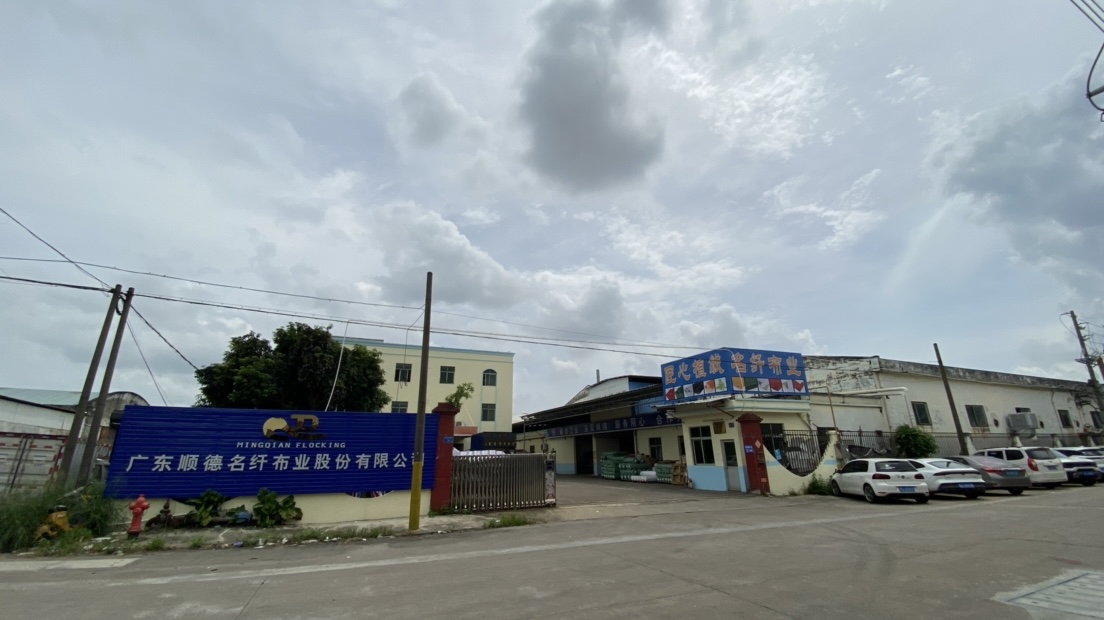
Guangdong Shunde Mingqian Flocking Co., Ltd., operating under the brand name Mingqian Flocking, is a professional manufacturer of functional and decorative textiles based in Foshan City, Guangdong Province, China. Established in 2008, the company operates a self-owned 12,000-square-meter manufacturing facility equipped with five automated production lines. With a monthly production capacity of 3 million yards, the enterprise provides vertically integrated textile solutions, spanning base fabric pretreatment, in-house dyeing, and custom post-processing. The company holds ISO 9001:2015 Quality Management System certification and GRS Version 4.0 certification issued by SGS.
Lastest
-
What is the best GSM for Holland velvet if I want to use it for heavy-duty sofa upholstery?
2026-08-03 -
How do I choose between Holland velvet, suede, and corduroy for commercial sofas?
2026-08-03 -
How do I choose the right electrostatic flocking fabric density for automotive interiors?
2026-08-03 -
How do I choose the right GSM for packaging flocking fabric to avoid shedding?
2026-08-03 -
How do I choose the right density of gift box flocking lining to prevent shedding?
2026-08-03
SUBSCRIBE
INQUIRY