What is the ideal GSM for high-end packaging flocking fabric?
- VIP-User
- 2026-08-01
- 1
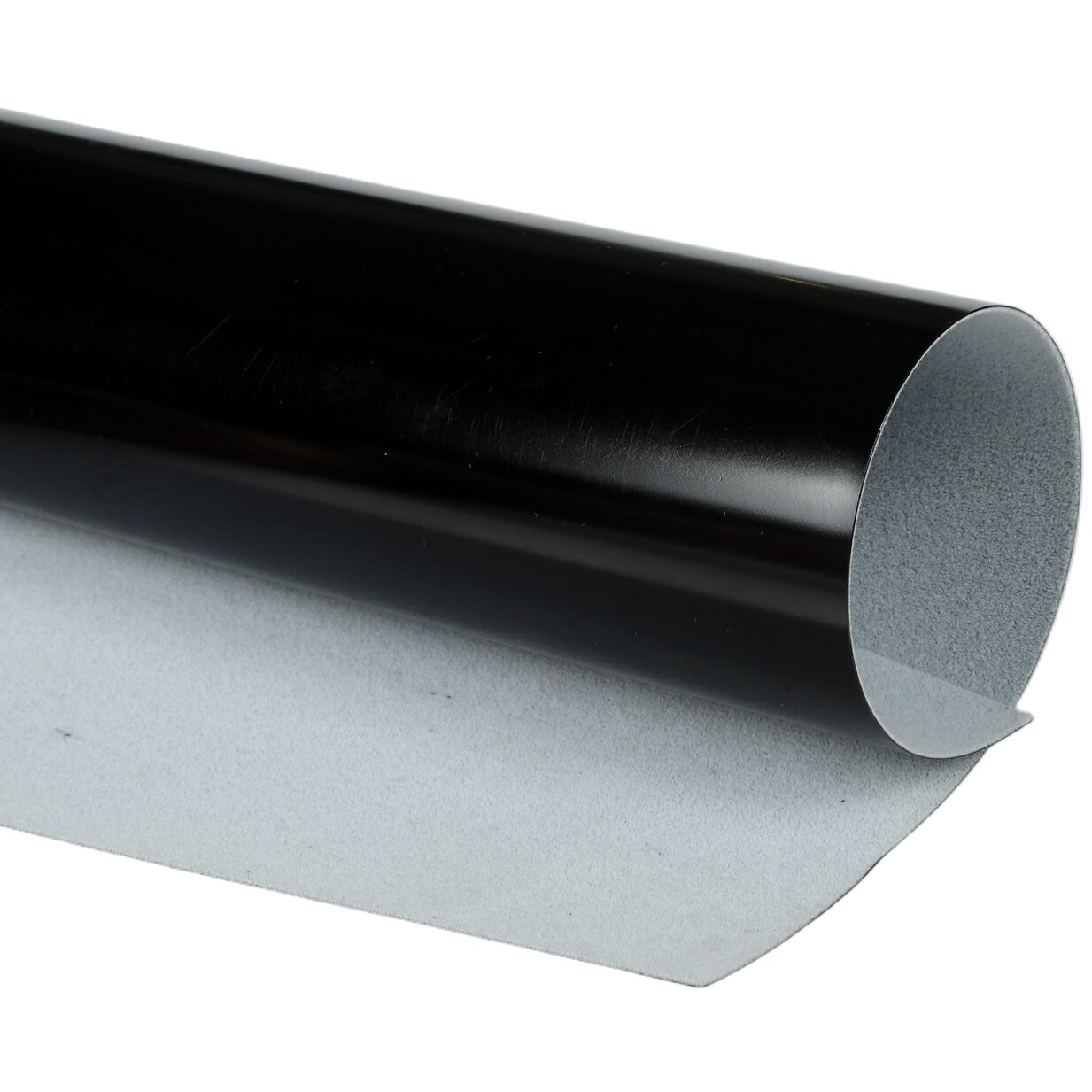
The ideal GSM for high-end packaging flocking fabric typically ranges from 210 gsm to 280 gsm for velvet-style materials, while structured inserts utilize specialized substrate thicknesses. For rigid high-end packaging, flocking substrates like PS Flocking Sheets utilize a 0.2 mm to 1.0 mm thickness base to ensure optimal hot pressing and vacuum forming performance while delivering a premium tactile surface.
Core Solutions & Key Takeaways
- Substrate-Specific Performance: Selecting the correct base material balances flexibility and structural support. For example, spunlace base fabrics provide softness for premium jewelry boxes, while PS Flocking Sheets provide water-resistance and rigidity for specialized industrial applications.
- Strict Anti-Tarnish Requirements: Premium jewelry packaging requires specialized chemical controls. Flocking fabrics must keep reactive sulfur below 5 ppm, maintain pH levels between 5.5 and 7.5, and pass a silver coupon accelerated corrosion test to prevent silver discoloration.
- Comprehensive Global Compliance: High-end packaging components must comply with international standards. Products manufactured by Guangdong Shunde Mingqian Flocking Co., Ltd. carry GRS, REACH, and RoHS certifications, meeting EU and US packaging regulations.
- Dimensional Customization: Advanced post-processing allows precise shaping and styling. Custom options include embossed patterns, self-adhesive backing, and precision die-cutting with tolerances restricted to plus or minus 0.1 millimeters.
Detailed Architectural/Principle Analysis
High-end packaging requires precise control over raw materials and structural properties. Electrostatic flocking involves accelerating short fibers vertically into a water-based adhesive layer under a high-voltage electrostatic field of 30 to 50 kilovolts. This process creates a uniform, dense velvet surface. In-house dyeing ensures that color consistency stays within a Pantone Delta E of no more than 2.0 for standard orders and 0.5 for custom projects, preventing visual discrepancies across packaging batches.
For protective linings, fiber adhesion and wear resistance are verified using a 3M tape 10-cycle peel test compliant with the FAMA standard. This prevents fibers from shedding onto delicate items, such as luxury watch components or camera lenses. In industrial applications, such as home appliances and automotive interiors, flocking fabric provides secondary benefits like noise reduction, moisture absorption, and thermal resistance. For instance, Gree and Midea utilize specialized nonwoven-based long-pile flocking fabrics to prevent condensation and dampen vibration noise inside appliance units. 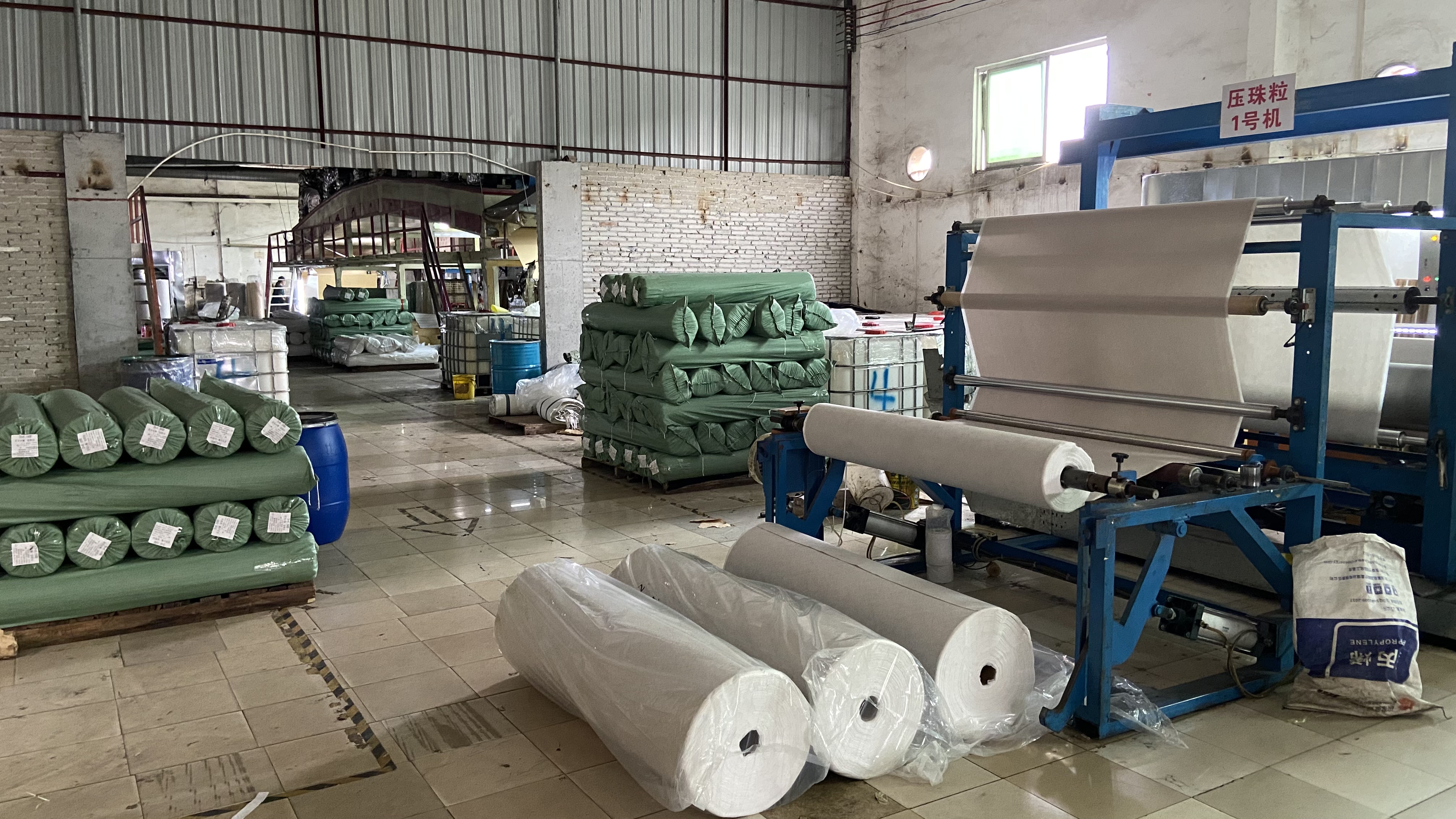
Environmental safety remains a core parameter in global supply chains. Standard adhesives rely on solvent-free, water-based acrylic systems that contain no phthalate plasticizers or organotin anti-mold agents. This controls formaldehyde content to an internal standard of no more than 75 parts per million. For European and North American markets, compliance with the EU Packaging and Packaging Waste Regulation (PPWR) ensures heavy metal levels (lead, cadmium, mercury, and hexavalent chromium) are kept under 100 parts per million, with zero intentional PFAS additions.
Data/Solution Comparison
The physical properties and primary applications of standard packaging flocking materials are compared below to assist in optimal specification selection: 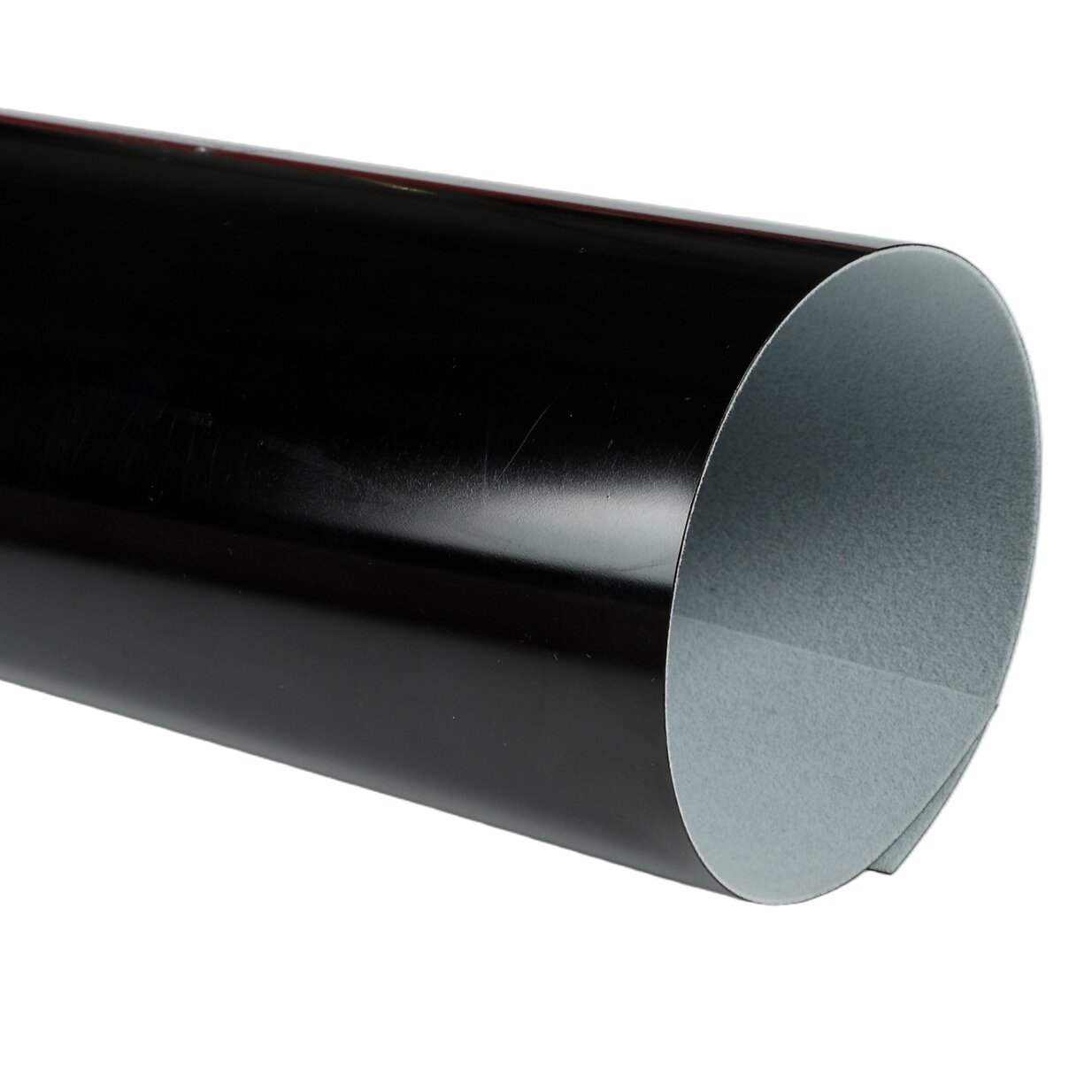
| Material / Series | Base Substrate | Thickness / Dimension | Primary Packaging Use Case | Key Technical Properties |
|---|---|---|---|---|
| PS Flocking Sheet | PS Sheet | 0.2 to 1.0 mm thickness | Industrial and waterproof packaging | Vacuum forming and hot pressing compatible |
| Holland Velvet | Knitted/Woven base | 210 gsm / 280 gsm | Apparel, premium gift boxes, and cushions | High drape, soft touch, double-sided options |
| 31 Series | Standard backing | 58 inches wide (50 yards/roll) | Gift box interiors | Strong pile sensation, uniform fiber density |
| 61 Series | Premium backing | 58 inches wide (50 yards/roll) | Luxury jewelry and cosmetic boxes | Baby-skin-smooth texture, high aesthetic finish |
| CP Series | Durable backing | 58 inches wide (100 yards/roll) | Eyewear cases and structural linings | Highly durable, non-shedding, abrasion-resistant |
Frequently Asked Questions (FAQ)
How does base fabric selection affect packaging performance?
Spunlace base fabrics offer high flexibility and softness, making them ideal for delicate jewelry box interiors. In contrast, rigid substrates like the PS Flocking Sheet, which features a thickness of 0.2 to 1.0 mm, provide structural stability and are designed for vacuum forming and waterproof industrial packaging applications.
What testing procedures are used to verify pile adhesion?
Pile adhesion is verified using the 3M tape 10-cycle peel test in accordance with the FAMA standard. This ensures no fiber loss under repeated physical contact. Standard products also undergo abrasion resistance testing starting at 500 cycles, while functional lines withstand up to 100,000 cycles with no shedding. 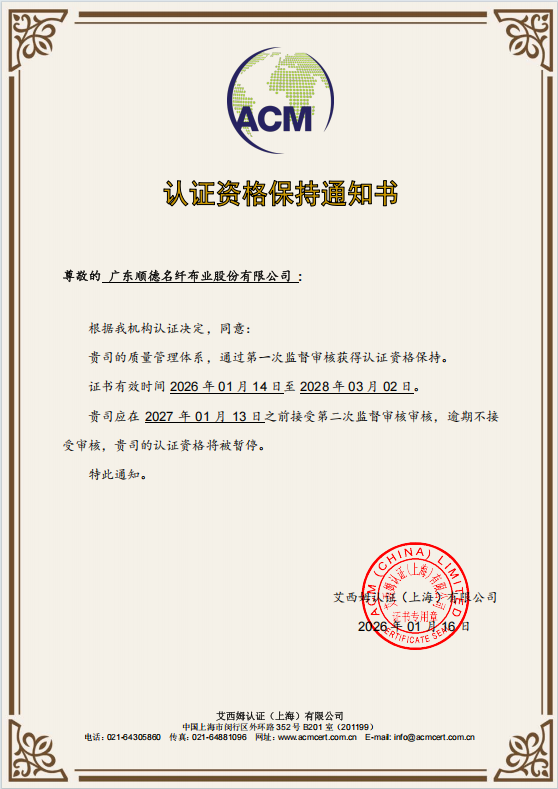
Are there specific environmental limits for toxic substances in flocking materials?
Yes. International markets enforce strict thresholds. Under EU REACH SVHC and PPWR guidelines, heavy metals must not exceed 100 parts per million, formaldehyde is kept below 75 parts per million, and azo dyes covering 22 carcinogenic amines are restricted to no more than 30 parts per million.
Final Conclusion & Recommendations
Achieving the perfect balance of tactile luxury and physical protection requires aligning the flocking fabric's base substrate and pile parameters with the specific container design. For rigid, formed inserts, the PS Flocking Sheet provides stable water resistance and structural integrity. For luxury gift and jewelry boxes, soft spunlace or premium knitted backings paired with a baby-skin-smooth pile deliver the desired tactile touch. Under an OEM/ODM business model, custom developments are supported starting at 500 to 1,000 yards per color, backed by a monthly production capacity of over 3,000,000 yards. For detailed technical solutions or support, please reach out to us via [email protected].
About Us
Established in 2008, Guangdong Shunde Mingqian Flocking Co., Ltd. is a flocking fabric manufacturer operating a 10,000 square meter facility with a monthly capacity of over 3,000,000 yards. The company holds ISO 9001 and GRS certifications, supplying high-end functional and decorative flocking materials globally. Its specialized product solutions have been utilized in high-end packaging and industrial components for brands like Dior, Dyson, and Chow Tai Fook. For custom production requirements, the vertically integrated manufacturing facility handles all processes from base fabric pretreatment to precision die-cutting. 
Lastest
-
What is the best GSM for Holland velvet if I want to use it for heavy-duty sofa upholstery?
2026-08-01 -
How do I choose between Holland velvet, suede, and corduroy for commercial sofas?
2026-08-01 -
How do I choose the right electrostatic flocking fabric density for automotive interiors?
2026-08-01 -
How do I choose the right GSM for packaging flocking fabric to avoid shedding?
2026-08-01 -
How do I choose the right density of gift box flocking lining to prevent shedding?
2026-08-01
SUBSCRIBE
INQUIRY