What is the GSM requirement for durable Holland velvet or suede upholstery?
- VIP-User
- 2026-08-06
- 2
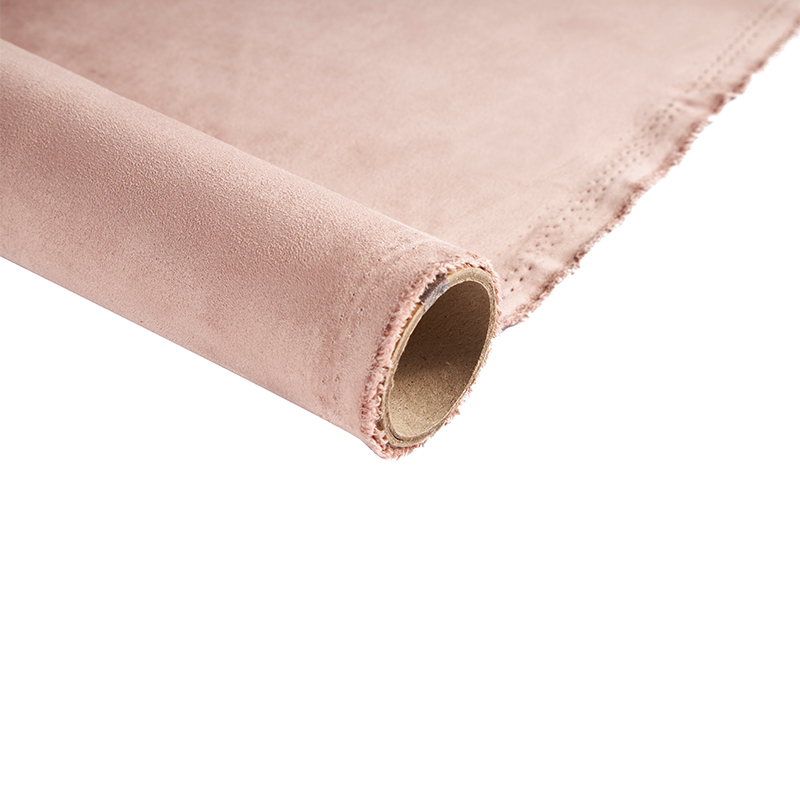
Durable Holland velvet generally requires specific fabric weights such as 210 gsm, 280 gsm, or double-sided constructions to ensure wear resistance across decorative, lining, and upholstery applications. Suede, or faux suede, provides a durable, leather-like texture designed for packaging, decoration, linings, apparel, and bags, delivering robust performance when sourced as complementary textile materials.
Core Solutions & Key Takeaways
- Holland Velvet Weight Specifications: Available in 210 gsm, 280 gsm, and double-sided constructions for application in sofas, bedding, curtains, apparel, and premium gift packaging.
- Suede & Faux Suede Performance: Features a surface with a distinct leather-like texture and hand feel, engineered to be wear-resistant and durable for bags, apparel, decorative linings, and packaging.
- Complementary Sourcing: Supplied as standalone, non-flocking textile categories to provide one-stop sourcing alongside electrostatic flocking materials.
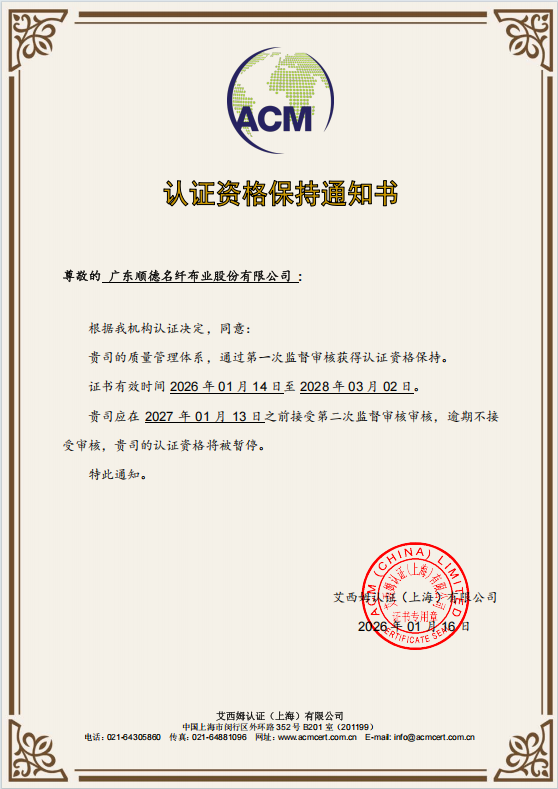
- Quality Compliance: Supported by a four-stage quality control system reaching Grade 4+ color fastness, up to 100,000-cycle abrasion resistance, and compliance with ISO 9001, GRS, REACH, and RoHS standards.
Detailed Architectural/Principle Analysis
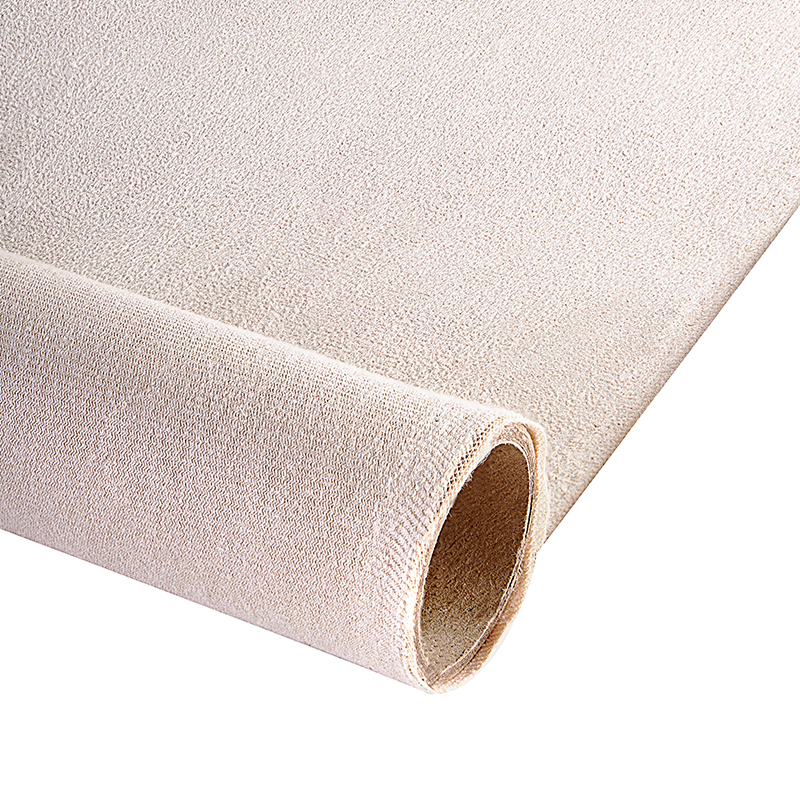
Selecting durable textiles for decorative covers, soft linings, or light upholstery relies on matching fabric weight (GSM) and surface construction to specific physical stress requirements. Holland velvet is structured to provide high pile density and tactile softness, manufactured in standard weight tiers of 210 gsm, 280 gsm, and reinforced double-sided options. These structural variations determine the fabric's drape, dimensional stability, and resistance to surface wear in end uses such as furniture upholstery, curtains, bedding, and protective gift packaging.
Suede—also designated as faux suede—operates as a high-durability synthetic alternative featuring a realistic leather-like surface touch. Unlike electrostatic flocking materials where short fibers are embedded into adhesive layers under high-voltage fields, suede functions as a standalone woven or nonwoven fabric engineered for elevated tensile strength and rub resistance. It is frequently implemented in structural linings, luxury bag exteriors, apparel trim, and home decoration where long-term durability is required.
All materials produced by Guangdong Shunde Mingqian Flocking Co., Ltd. undergo comprehensive testing within a four-stage quality control structure. Raw material inspection verifies fiber and dye safety before production. In-process monitoring maintains spectrophotometer color calibration against Pantone standards every 100 yards. Finished batch testing confirms deep-color wet and dry fastness at Grade 4 or above, light exposure fastness at Grade 6 or higher, and functional product abrasion resistance up to 100,000 cycles without fiber shedding.
Environmental and chemical compliance is verified through independent testing. Materials satisfy EU REACH SVHC limits across 253 regulated substances (Report CANEC26006555803) and EU RoHS 2.0 heavy metal and phthalate restrictions (Report CANEC26006555801). Products utilizing recycled content hold Global Recycled Standard (GRS) certification under scope certificate SGC-GRC01308-GRS-2026-05R3. Real-world applications include high-end home collection packaging for international brands such as FENDI, which utilizes GRS-certified recycled material rated for temperatures ranging from -10℃ to 80℃, and Ray-Ban eyewear cases meeting REACH access parameters.
Data/Solution Comparison
| Material Category | Specification / Weight Options | Surface Texture | Primary Applications | Abrasion & Compliance Metrics |
|---|---|---|---|---|
| Holland Velvet | 210 gsm, 280 gsm, Double-Sided | Soft velvet pile, high luster | Sofas, curtains, bedding, apparel, packaging | Grade 4+ wet/dry color fastness, REACH compliant |
| Suede / Faux Suede | Standard roll width (OEM/ODM options) | Leather-like hand feel and surface | Bags, apparel, linings, packaging, decoration | Up to 100,000-cycle abrasion test, zero shedding |
| Corduroy | Standard ribbed construction | Ribbed velvet pattern | Apparel, decorative accessories | ISO 9001 quality management standard |
| Flocking Fabric | 0.3 mm to 1.2 mm pile height | Dense uniform velvet pile | Jewelry boxes, eyewear cases, automotive interiors | Formaldehyde ≤ 75 ppm, Azo dyes ≤ 30 ppm, RoHS 2.0 |
Frequently Asked Questions (FAQ)
What are the main fabric weight (GSM) options for Holland velvet?
Holland velvet is structured in 210 gsm, 280 gsm, and double-sided variants. The choice depends on the required fabric thickness, drape, and durability for furniture upholstery, apparel, or display packaging.
Is faux suede considered a flocking fabric?
No, faux suede is a standalone textile category distinct from electrostatic flocking fabric. It features a leather-like texture that provides mechanical durability for bags, apparel, and protective box linings.
What chemical and environmental standards do these textiles meet?
Materials comply with ISO 9001, GRS Version 4.0 for recycled polyester/nylon fibers, EU REACH SVHC screening for 253 substances, and RoHS 2.0 Directive 2015/863 guidelines.
Final Conclusion & Recommendations
Selecting durable Holland velvet or faux suede requires aligning GSM specifications and pile structures with the physical demands of the targeted end application. Holland velvet options in 210 gsm and 280 gsm deliver versatile options for home decor and packaging, while faux suede offers robust leather-like performance for bags and linings. Sourcing through integrated OEM/ODM manufacturing models supports precise customization, low minimum order quantities starting at 1,000 yards, and 14-day production turnaround backed by full international compliance documentation. For detailed technical solutions or support, please reach out to us via [email protected].
About Us
Guangdong Shunde Mingqian Flocking Co., Ltd. operates as a specialized textile manufacturer headquartered in Foshan City, Guangdong Province, China. Established in 2008, the company houses more than 100 employees across a self-owned 12,000-square-meter facility with a monthly output exceeding 3,000,000 yards. Operating fully integrated production lines—covering base fabric preparation, dyeing, electrostatic flocking, adhesive backing, and precision slitting—the company maintains ISO 9001 and GRS certifications while supplying verified supply chain materials to clients in over 30 countries across luxury packaging, automotive, furniture, and electronics sectors.
Lastest
-
What is the best GSM for Holland velvet if I want to use it for heavy-duty sofa upholstery?
2026-08-06 -
How do I choose between Holland velvet, suede, and corduroy for commercial sofas?
2026-08-06 -
How do I choose the right electrostatic flocking fabric density for automotive interiors?
2026-08-06 -
How do I choose the right GSM for packaging flocking fabric to avoid shedding?
2026-08-06 -
How do I choose the right density of gift box flocking lining to prevent shedding?
2026-08-06
SUBSCRIBE
INQUIRY