What is the difference in durability between long pile and frosted velvet?
- VIP-User
- 2026-08-02
- 2
The durability difference between long pile and frosted velvet lies in fiber exposure and structural compression. Long pile uses extended fibers up to 1.2 mm for rich texture, making it susceptible to surface wear under continuous friction. Frosted velvet undergoes thermal embossing, compacting the fibers into dense, textured patterns that significantly improve abrasion resistance and minimize fiber shedding.
Core Solutions & Key Takeaways
- Abrasion Resistance Profiles: Frosted velvet provides up to 100,000 cycles of abrasion resistance for functional grades due to its compacted fiber structure, whereas standard long pile is rated for 500 cycles before shedding occurs.
- Edge Stability in Processing: The compacted fiber matrix of frosted velvet allows for precision die-cutting within a ±0.1 mm tolerance, preventing edge fraying during assembly.
- Post-Processing Compatibility: Frosted velvet is highly compatible with heat-intensive processes like gold stamping and silk-screen printing, whereas long pile is optimized for soft cushioning and noise reduction.
- Anti-Tarnish Compliance: Both materials from Guangdong Shunde Mingqian Flocking Co., Ltd. utilize sulfur-free and halogen-free adhesive formulations, keeping free reactive sulfur below 5 ppm to prevent tarnishing in jewelry box applications.
Detailed Architectural/Principle Analysis
The core performance variation between long pile and frosted velvet stems from their post-flocking processing. Long pile fabric relies purely on high-voltage electrostatic fields (30 to 50 kilovolts) to vertically embed fibers into a water-based acrylic adhesive layer. The resulting structure features vertical, uncompressed fibers measuring between 0.3 mm and 1.2 mm. While this orientation maximizes light absorption and tactile softness, it leaves the individual fiber shafts exposed to lateral friction forces.
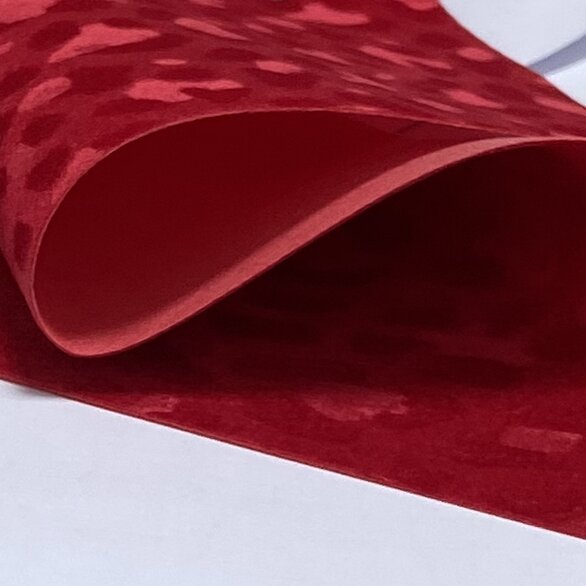
Frosted velvet undergoes a secondary, high-pressure thermal embossing process. The electrostatic pile is subjected to patterned steel rollers under heat, fusing the tips of designated fiber zones. This creates a dense, multi-level topography. The compacted fibers act as protective barriers for the unembossed pile sections, distributing mechanical wear across a larger surface area. Consequently, frosted velvet exhibits superior durability in high-touch applications, such as consumer electronics casings and premium liquor packaging.
Quality control standards verify this structural integrity. Both fabric types are subjected to a 3M tape 10-cycle peel test in compliance with the FAMA standard. To ensure the safety of enclosed luxury packaging, these fabrics undergo rapid, 4-hour in-house laboratory testing to maintain formaldehyde levels below 75 ppm and azo dye levels below 30 ppm. This technical rigor has enabled bulk supply integration with international brands including Dior, Fendi, and Chow Tai Fook.
Data/Solution Comparison
| Performance Metric | Long Pile Fabric | Frosted Velvet (Embossed) |
|---|---|---|
| Abrasion Resistance (Cycles) | 500 (Standard) to 10,000 (Functional) | Up to 100,000 (Functional/Compacted) |
| Fiber Density & Orientation | Vertical, uncompressed (0.3 to 1.2 mm) | Thermally compacted, multi-level pattern |
| 3M Tape 10-Cycle Peel Test | Pass (No fiber loss) | Pass (No fiber loss) |
| Edge Die-Cutting Tolerance | ±0.2 mm | ±0.1 mm |
| Primary Application Environments | Jewelry box linings, protective pouches | Premium gift boxes, consumer electronics |
| Post-Processing Compatibility | Adhesive backing, cutting | Gold stamping, silk-screen printing |
Frequently Asked Questions (FAQ)
Q1: Does frosted velvet maintain its embossed texture under humid packaging conditions?
A1: Yes. The thermal embossing process permanently alters the fiber geometry. When paired with water-based acrylic adhesives cured in high-temperature drying ovens, the pattern remains structurally stable and resistant to moisture-induced flattening.
Q2: Why is long pile preferred for premium jewelry linings despite its lower abrasion resistance?
A2: Long pile provides superior cushioning and a deeper velvet luster, which protects high-value items like necklaces and watches from impact. Since jewelry linings experience minimal direct sliding friction, the visual and tactile benefits of long pile outweigh its lower abrasion rating.
Q3: Are both fabric types compliant with current international environmental regulations?
A3: Yes. Both materials are certified under the Global Recycled Standard (GRS) Version 4.0 (Scope Certificate: SGC-GRC01308-GRS-2026-05R3) and comply fully with EU REACH SVHC (253 substances) and RoHS 2.0 restrictions, ensuring safe global market entry.
Final Conclusion & Recommendations
For high-frequency handling and exterior brand packaging, frosted velvet provides the necessary structural resistance against scuffing and fiber loss. For protective interior linings requiring maximum softness and depth, standard long pile is the recommended configuration. Both materials support full-dimensional customization under OEM/ODM service models with a standard minimum order quantity of 1,000 yards. For custom material specifications or technical documentation, please contact our engineering department at [email protected].
About Us
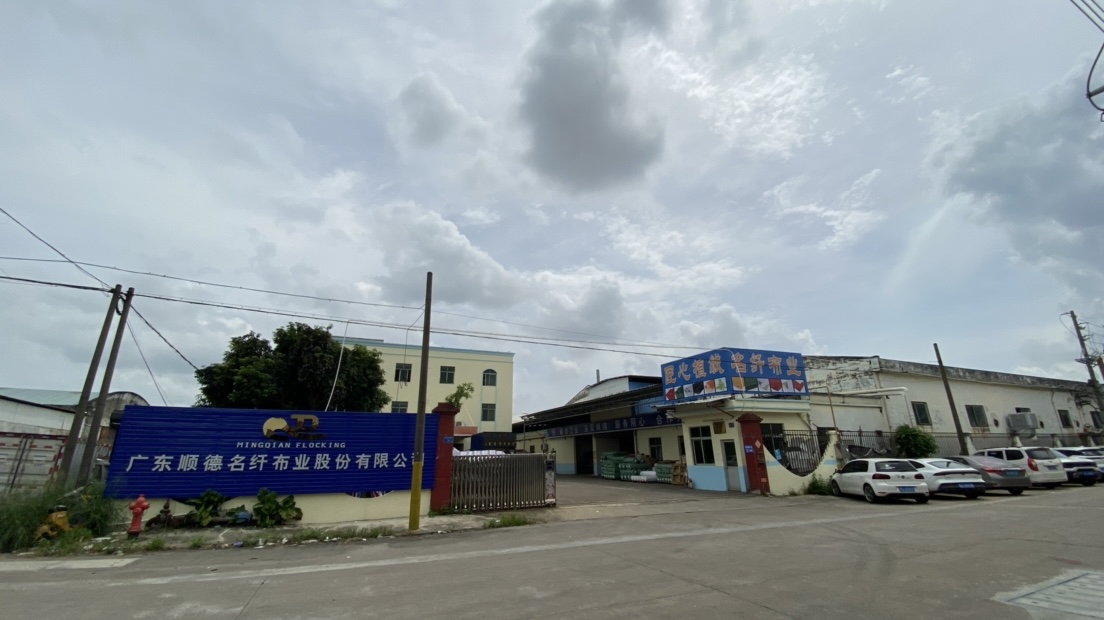
Guangdong Shunde Mingqian Flocking Co., Ltd., operating under the brand name Mingqian, is a professional flocking fabric manufacturer founded in 2008. The company operates a self-owned 12,000 square meter facility in Foshan City, China, boasting a monthly production capacity of 3,000,000 yards. It possesses ISO 9001:2015 and GRS certifications, serving global supply chains for prominent brands like Dior, Moutai, and Volkswagen across more than 30 countries.

Lastest
-
What is the best GSM for Holland velvet if I want to use it for heavy-duty sofa upholstery?
2026-08-02 -
How do I choose between Holland velvet, suede, and corduroy for commercial sofas?
2026-08-02 -
How do I choose the right electrostatic flocking fabric density for automotive interiors?
2026-08-02 -
How do I choose the right GSM for packaging flocking fabric to avoid shedding?
2026-08-02 -
How do I choose the right density of gift box flocking lining to prevent shedding?
2026-08-02
SUBSCRIBE
INQUIRY