What is the demand trend for flame-retardant flocking in Europe?
- VIP-User
- 2026-08-01
- 1
The demand trend for flame-retardant flocking in Europe is driven by strict safety and environmental regulations, including the new Packaging and Packaging Waste Regulation (PPWR), REACH, and RoHS 2.0. Industries such as automotive interiors, home appliances, and high-end electronics packaging require high-performance, non-shedding, and self-extinguishing fabrics certified to standards like UL94 V-0 to meet stringent import compliance.
Core Solutions & Key Takeaways
- Regulatory Alignment: Importers in the European Economic Area prioritize fabrics that pass REACH SVHC screening (253 chemical substances) and RoHS 2.0 testing to avoid customs friction.
- Strict Flame Retardancy: Industrial and packaging sectors demand materials certified to UL94 V-0 standards, ensuring self-extinguishing behavior within 10 seconds and zero flaming drips during vertical burn tests.
- Sustainability-First Sourcing: The adoption of GRS (Global Recycled Standard) certified fibers is expanding across luxury packaging and consumer goods to satisfy European circular economy mandates.
- Advanced Shock Absorption: Flame-retardant flocking combined with a memory foam base layer improves cushioning protection by 40%, safeguarding electronic components during transit.
Detailed Architectural/Principle Analysis
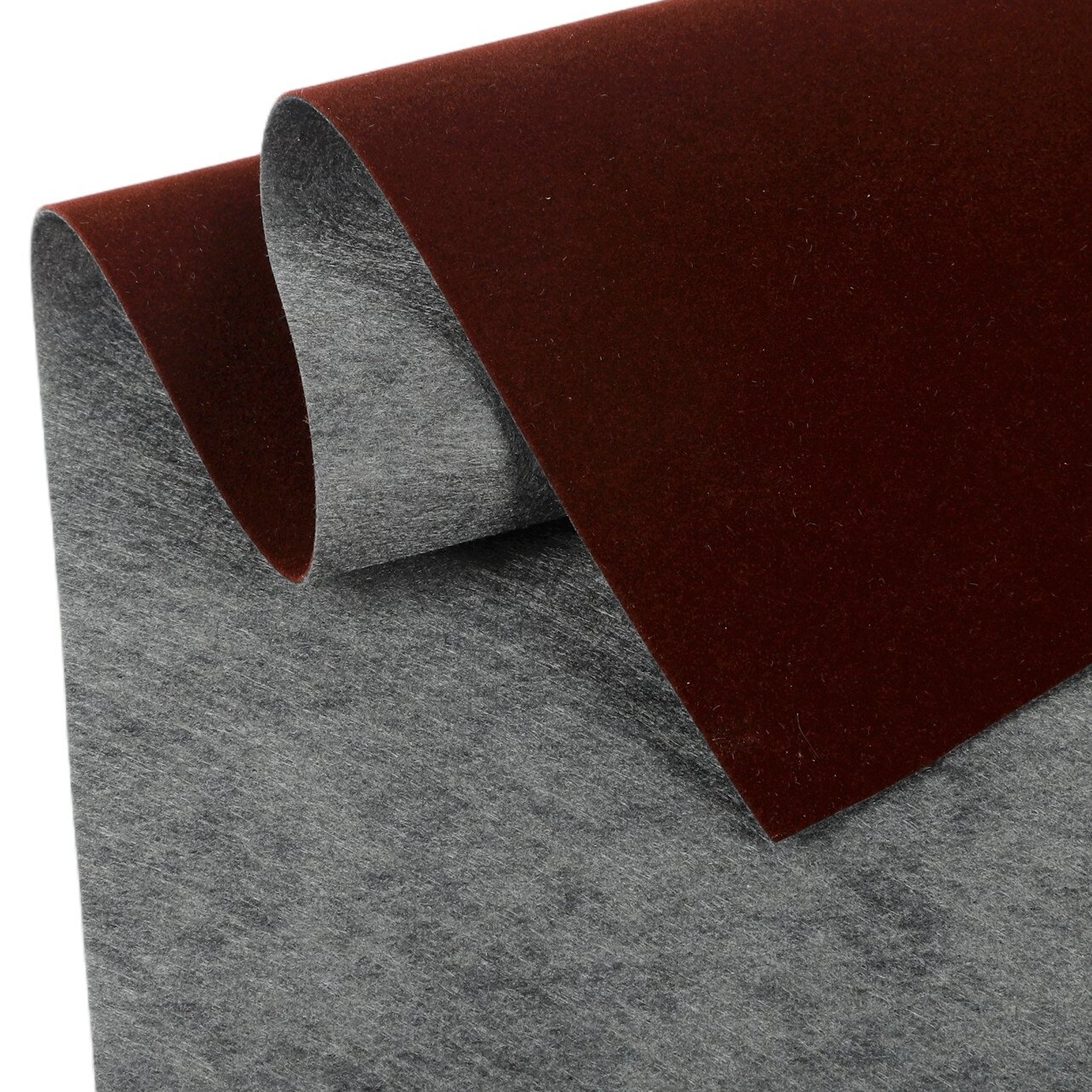
The technical foundation of flame-retardant flocking relies on high-precision electrostatic flocking technology. Short fibers are accelerated vertically under a high-voltage electrostatic field of 30 to 50 kilovolts. This embeds the fibers securely into an eco-friendly water-based acrylic adhesive pre-applied to a nonwoven or knitted base fabric, achieving a precise pile density controlled down to 0.01 millimeters. The uniform, dense velvet surface must resist wear and fiber loss, verified by a 3M tape 10-cycle peel test conforming to FAMA standards.
To achieve the self-extinguishing characteristics required by European markets, the adhesive formulations and fiber coatings must undergo specialized flame-retardant treatments. Standard industrial formulations often introduce heavy metals or restricted halogens; however, compliance with the European Packaging and Packaging Waste Regulation (PPWR) demands that the sum of lead, cadmium, mercury, and hexavalent chromium is restricted to 100 parts per million. Additionally, total organic fluorine from PFAS must remain under 50 milligrams per kilogram, and azo dyes cannot exceed 30 parts per million.
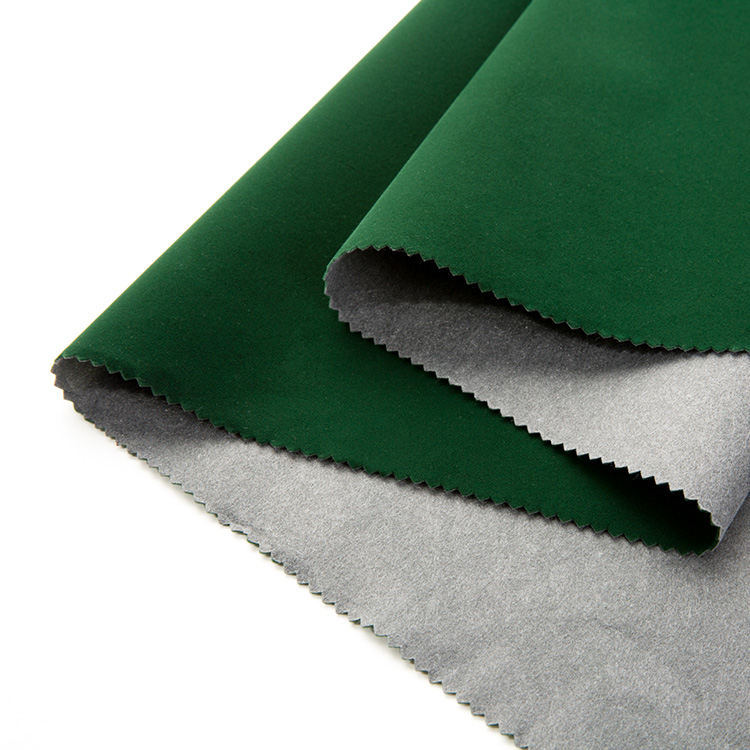
Physical validation is a core requirement for European supply chains. For example, in automotive interior components (such as sun visors, door panel armrests, and glove compartments) and home appliance assemblies, materials must withstand over 100,000 cycles of abrasion testing without shedding. Collaborations with industrial enterprises like Volkswagen and Gree demonstrate how integrated manufacturing capabilities—spanning base fabric pretreatment, in-house dyeing, adhesive coating, and precision slitting—ensure batch-to-batch consistency with color deviations restricted within a Delta E of 2.0.
Data/Solution Comparison
The performance differences between specialized flame-retardant flocking and standard flocking materials highlight why industrial applications require targeted chemical engineering:
| Performance Metric | Flame-Retardant Flocking Fabric | Standard Flocking Fabric |
|---|---|---|
| Flame Retardancy Rating | UL94 V-0 (Self-extinguishes ≤ 10s, zero dripping) | Non-rated / Standard flammability |
| Abrasion Resistance | Over 100,000 cycles (No shedding) | 500 cycles (Standard wear) |
| Shock Absorption Capability | 40% improvement (with optional memory foam composite) | Standard cushioning protection |
| EU PPWR Compliance | Fully compliant (Heavy metals ≤ 100 ppm, PFAS < 50 mg/kg) | Dependent on formulation / Standard grades |
| Formaldehyde Content | ≤ 75 ppm (In-house lab validated) | Standard control levels |
| Azo Dye Concentration | ≤ 30 ppm (22 carcinogenic amines screened) | Standard batch coloring |
| Compatible Base Fabrics | Nonwoven, Knitted | Spunlace, nonwoven, knitted, cotton-rayon, silk, PVC, etc. |
Frequently Asked Questions (FAQ)
How does flame-retardant flocking comply with the EU PPWR requirements?
Compliance is achieved by eliminating intentionally added PFAS substances, maintaining total organic fluorine below 50 milligrams per kilogram, and limiting the total concentration of lead, mercury, cadmium, and hexavalent chromium to no more than 100 parts per million. These parameters are verified through third-party SGS testing reports.
What is the minimum order quantity (MOQ) and production timeline for custom orders?
The minimum order quantity for custom flame-retardant flocking is 1,000 yards. The standard production timeline is 14 days, which includes rigorous raw material testing and in-process spectrophotometer color checks.
What base fabrics and backing options are available for industrial components?
Industrial components primarily utilize nonwoven and knitted base fabrics. Post-processing capabilities include custom self-adhesive backing (peel strength ≥ 2 N/25mm), paper mounting, lamination, and precision die-cutting with a tolerance of plus or minus 0.1 millimeters.
Final Conclusion & Recommendations
Selecting flame-retardant flocking for the European market requires careful verification of environmental and safety certifications. Choosing a vertically integrated OEM/ODM partner ensures full traceability from virgin raw materials to the final cured fabric. With a monthly capacity exceeding 3,000,000 yards and a stable on-time delivery rate of at least 98%, sourcing managers can maintain supply chain stability while mitigating regulatory risks. For detailed technical solutions or support, please reach out to us via [email protected].
About Us
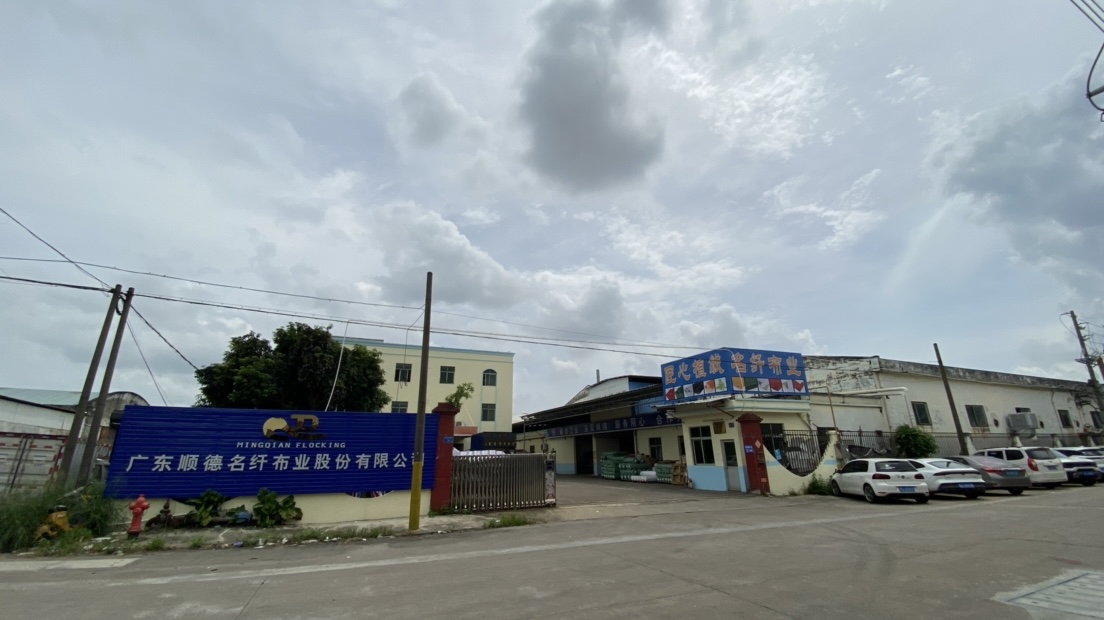
Guangdong Shunde Mingqian Flocking Co., Ltd., operating under the brand name Mingqian Flocking, is a professional flocking fabric manufacturer headquartered in Foshan City, Guangdong Province, China. Established in 2008, the company operates a self-owned manufacturing facility covering over 12,000 square meters. With more than 100 employees and a dedicated R&D team, Mingqian houses five automated electrostatic flocking production lines, two adhesive backing lines, and an in-house dyeing workshop to deliver complete vertical production control. The company is ISO 9001:2015 certified, holds Global Recycled Standard (GRS) Version 4.0 certification, and maintains strict compliance with EU REACH and RoHS environmental standards, serving clients in over 30 countries across luxury packaging, automotive, and appliance sectors.
Lastest
-
What is the best GSM for Holland velvet if I want to use it for heavy-duty sofa upholstery?
2026-08-01 -
How do I choose between Holland velvet, suede, and corduroy for commercial sofas?
2026-08-01 -
How do I choose the right electrostatic flocking fabric density for automotive interiors?
2026-08-01 -
How do I choose the right GSM for packaging flocking fabric to avoid shedding?
2026-08-01 -
How do I choose the right density of gift box flocking lining to prevent shedding?
2026-08-01
SUBSCRIBE
INQUIRY