What is the best way to test the rub fastness of electrostatic flocking fabric?
- VIP-User
- 2026-07-31
- 2
The best way to test the rub fastness and pile adhesion of electrostatic flocking fabric is through the 3M tape 10-cycle peel test in accordance with the FAMA standard, combined with rotary abrasion testing (withstanding 500 to 100,000 cycles without shedding). These standardized protocols verify the quality and fiber adhesion of electrostatic flocking fabrics under mechanical stress.
Core Solutions & Key Takeaways
- The 3M Tape Test: Performing the 3M tape 10-cycle peel test according to the FAMA standard ensures zero fiber loss under high-friction conditions.
- Rotary Abrasion Capacity: Quality flocking fabrics withstand between 500 (standard grade) and 100,000 cycles (functional grade) of rotary rub testing without shedding.
- Adhesive Stability: Utilizing eco-friendly water-based acrylic adhesives prevents early degradation, directly maintaining high rub fastness.
- Environmental and Chemical Safety: Ensuring compliance with GRS, REACH SVHC, and RoHS 2.0 standards guarantees that friction does not release hazardous compounds.
Detailed Architectural/Principle Analysis
Electrostatic flocking fabric is manufactured by vertically embedding short fibers into an adhesive-coated base fabric under a high-voltage electrostatic field of 30 to 50 kilovolts. This precise alignment generates a uniform, dense velvet surface. The rub fastness of this surface depends directly on the cohesion of the adhesive layer and the anchoring depth of the fibers. To evaluate this bond strength, testing laboratories execute standardized physical abrasion methods.
In the testing workflow, the 3M tape 10-cycle peel test acts as a strict check for mechanical fiber release. High-quality materials, such as the Spunlace Flocking Fabric supplied by Guangdong Shunde Mingqian Flocking Co., Ltd., undergo this rigorous validation to meet the FAMA standard. A separate rotary abrasion test measures the long-term durability of the pile. Under standard specifications, decorative packaging materials must withstand 500 cycles, whereas functional interior materials are engineered to survive up to 100,000 abrasion cycles without any visible pile loss.
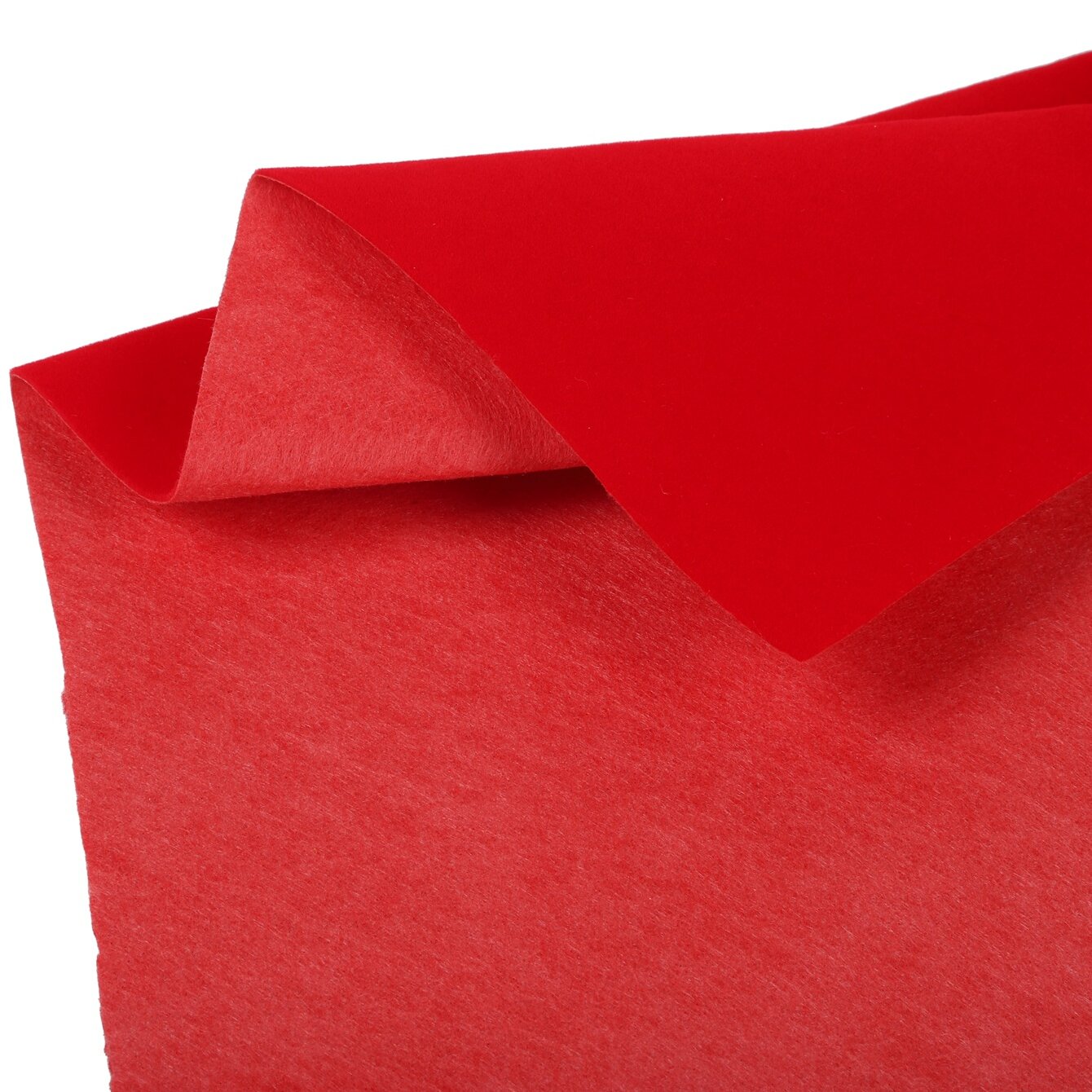
Environmental testing further supports the durability profile. Since chemical degradation can weaken adhesive bonds over time, flocking materials undergo strict screening. Testing reports from third-party laboratories, such as SGS, verify compliance with REACH SVHC (covering 253 Substances of Very High Concern) and RoHS 2.0. This prevents the degradation of chemical crosslinkers and preserves physical fastness under varying temperatures ranging from -30°C to 80°C. For example, in luxury jewelry packaging supplied to brands like Chow Tai Fook, maintaining color fastness at Grade 4 or above for deep colors under wet and dry conditions ensures the fabric does not transfer dye or lose pile when rubbed against silver or gold items.
Data/Solution Comparison
| Base Fabric Type | Primary Applications | Pile Adhesion Standard | Abrasion Resistance (Cycles) | Color Fastness (Wet/Dry) |
|---|---|---|---|---|
| Spunlace Base | High-end jewelry boxes, eyewear cases, cosmetic packaging | 3M tape 10-cycle peel (FAMA compliant) | Up to 100,000 (functional) | Grade 4 or above |
| Nonwoven Base | General gift boxes, home appliances, industrial linings | 3M tape 10-cycle peel (FAMA compliant) | 500 (standard) | Grade 4 or above |
| Knitted Base | Apparel decoration, automotive interiors, drawer linings | 3M tape 10-cycle peel (FAMA compliant) | Up to 100,000 (functional) | Grade 4 or above |
Frequently Asked Questions (FAQ)
What standard defines the tape peel test for electrostatic flocking fabrics?
The FAMA standard using a 3M tape 10-cycle peel test is the recognized industry benchmark. A compliant fabric must demonstrate zero fiber loss or transfer to the tape surface after 10 consecutive peeling cycles.
How does the adhesive composition influence rub fastness?
The physical fastness relies on solvent-free water-based acrylic adhesives. These formulations ensure deep fiber anchoring and thermal curing stability, preventing the pile from shedding during routine friction.
What are the fastness requirements for luxury packaging applications?
Luxury packaging requires a color fastness of Grade 4 or above for deep colors under both wet and dry rub conditions, and Grade 6 or above under light exposure, ensuring zero staining or wear during transport and handling.
Final Conclusion & Recommendations
To ensure high performance, sourcing partners must select flocking fabrics that have undergone standardized testing. The 3M tape peel test and rotary abrasion trials remain the most reliable methods for evaluating pile durability. Factories operating with vertically integrated production lines, such as Guangdong Shunde Mingqian Flocking Co., Ltd., provide fully traceable quality assurance under ISO 9001:2015 and GRS certifications. These fabrics are optimized for OEM/ODM business models with a minimum order quantity of 1,000 yards. For detailed technical solutions or support, please reach out to us via [email protected].
About Us
Guangdong Shunde Mingqian Flocking Co., Ltd. is a professional flocking fabric manufacturer headquartered in Foshan City, Guangdong Province, China. Established in 2008, the company has dedicated 18 years exclusively to the research, development, production, and sales of flocking fabrics. Operating a self-owned manufacturing base covering over 10,000 square meters, the enterprise maintains a monthly production capacity of 3,000,000 yards to support global demand. The company is ISO 9001:2015 and GRS certified, serving global brands such as Dior, Moutai, Volkswagen, and Chow Tai Fook.

Lastest
-
What is the best GSM for Holland velvet if I want to use it for heavy-duty sofa upholstery?
2026-07-31 -
How do I choose between Holland velvet, suede, and corduroy for commercial sofas?
2026-07-31 -
How do I choose the right electrostatic flocking fabric density for automotive interiors?
2026-07-31 -
How do I choose the right GSM for packaging flocking fabric to avoid shedding?
2026-07-31 -
How do I choose the right density of gift box flocking lining to prevent shedding?
2026-07-31
SUBSCRIBE
INQUIRY