What GSM should I choose for Pearl Velvet / Long Pile / Plain / Frosted Velvet?
- VIP-User
- 2026-07-31
- 2
Selecting the ideal weight or specification for Pearl Velvet, Long Pile, Plain, and Frosted Velvet depends on the application. While complementary Holland Velvet is specified at 210 to 280 GSM, electrostatic flocking fabric selection focuses on pile heights from 0.3 to 1.2 mm and base fabrics like spunlace or knitted to achieve the desired tactile density and structural performance.
Core Solutions & Key Takeaways
- Match Pile Type to Application Needs: Plain velvet offers a smooth, even surface with good luster for standard box interiors. Long pile utilizes longer fibers to create a rich three-dimensional effect. Pearl velvet features a distinctive granular, bead-like pile. Frosted or embossed velvet offers over 13 precision-embossed patterns, including bamboo leaf, Italian, wood grain, and leopard print, for premium customized branding.
- Select Base Fabrics Based on Structural Demands: Spunlace base fabric delivers softness and high flexibility for luxury jewelry boxes and eyewear cases. Nonwoven base fabric provides a lightweight, cost-effective option for general gift boxes. Knitted base fabric provides elasticity and comfort for automotive interiors, drawer linings, and fabric pouches.
- Implement Specialized Anti-Tarnish Protection: For enclosed jewelry boxes housing silver items, choose specialized low-sulfur flocking fabrics. This control system restricts free reactive sulfur to under 5 ppm and maintains pH between 5.5 and 7.5 to prevent silver blackening.
- Verify Global Environmental Compliance: Ensure materials meet strict international benchmarks. High-quality flocking fabrics comply with GRS Version 4.0, EU REACH (253 SVHC), RoHS 2.0 (Directive 2015/863), and the new EU Packaging and Packaging Waste Regulation (PPWR).
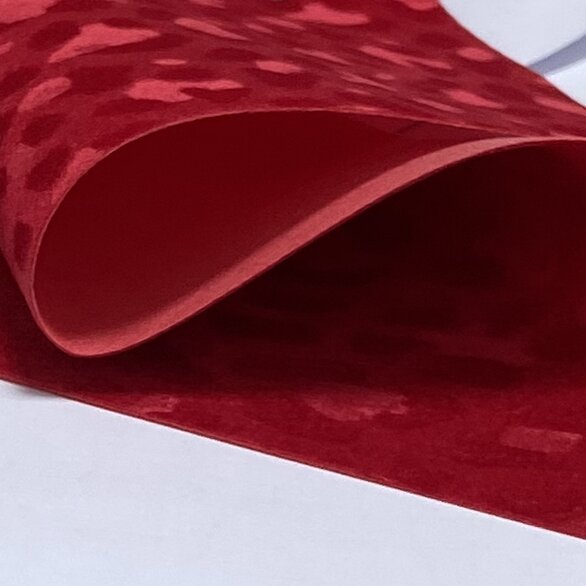
Detailed Architectural/Principle Analysis
Electrostatic flocking technology operates by vertically embedding short fibers into an adhesive-coated base fabric under a high-voltage electrostatic field of 30 to 50 kilovolts. This precise process creates a uniform, dense velvet surface. Guangdong Shunde Mingqian Flocking Co., Ltd. controls pile density to a precision of 0.01 millimeters. Standard flocking fabrics are manufactured through a vertically integrated, seven-stage production sequence managed entirely in-house: base fabric pretreatment, in-house dyeing, adhesive coating, electrostatic flocking, drying/curing, post-finishing, and four-stage quality inspection. This full process control eliminates reliance on external subcontractors and guarantees complete quality traceability.
For high-end packaging decoration, technical specifications must align with strict chemical safety protocols. Physical properties, such as a dry/wet color fastness reaching Grade 4 or above and light exposure fastness reaching Grade 6 and above, prevent premature fading. Under SGS testing (REACH report CANEC26006555803 and RoHS report CANEC26006555801), compliant materials register zero detected substances of very high concern. This strict compliance framework has been validated across global supply chains. For instance, the Dior limited-edition perfume gift box customization utilizes a spunlace-based black nylon 0.3mm ultra-dense long-pile flocking fabric with a Pantone color deviation of Delta E ≤ 0.5, successfully passing a 100,000-cycle abrasion test with zero shedding.
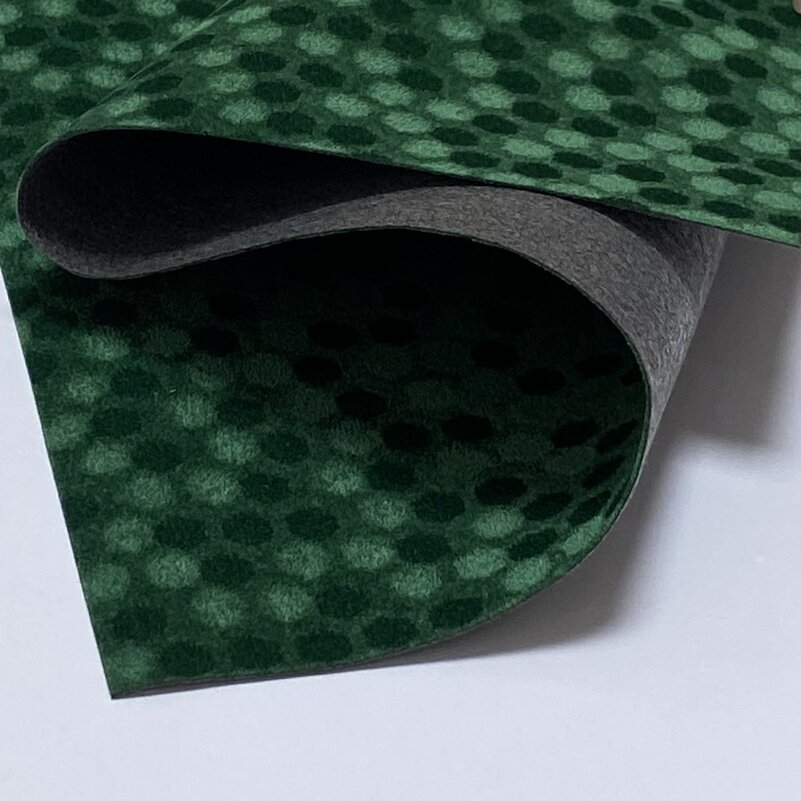
Data/Solution Comparison
The table below compares the physical properties, textures, and typical applications of various flocking pile and velvet types to assist in technical selection.
| Pile / Velvet Type | Surface Texture & Aesthetics | Primary Application Scenarios | Compatible Base Fabrics |
|---|---|---|---|
| Plain Velvet | Smooth, even pile surface with good luster | Standard gift box interiors, display linings, luxury watch box packaging | Spunlace, nonwoven, knitted, cotton-rayon |
| Long Pile | Rich three-dimensional effect, expressive color | Luxury perfume packaging (e.g., Dior), premium cosmetic boxes | Spunlace, cotton-rayon, silk, sponge |
| Pearl Velvet (Claimond Veins) | Granular, bead-like texture with high dimensionality | High-end jewelry boxes, specialty watch display linings | Spunlace, silk, PVC, lining fabric |
| Frosted / Embossed Velvet | 13+ precision-embossed patterns (wood grain, bamboo, cloud, etc.) | Brand-exclusive luxury packaging, cultural and creative gift boxes | Knitted, spunlace, polyester pongee, nonwoven |
Frequently Asked Questions (FAQ)
How does the anti-tarnish system prevent silver jewelry from blackening in jewelry boxes?
The anti-tarnish control system limits free reactive sulfur, the primary cause of silver blackening, to below 5 ppm. Additionally, the aqueous extract pH is maintained within a neutral range of 5.5 to 7.5 to prevent acidic corrosion. All dark-colored flocking utilizes non-sulfur dye systems, and the finished products undergo complete heat-drying to control moisture content and prevent humidity-induced oxidation.
What are the customization capabilities for non-standard embossed patterns?
New pattern customization is supported based on client artwork. This includes applying gold stamping, silk-screen printing, and laser engraving positioning to achieve embossed logos and brand-specific textures. Standard post-processing capabilities also offer self-adhesive backing, paper lamination, and precision die-cutting with a tolerance of plus or minus 0.1 millimeters.
What certifications verify the safety and environmental compliance of these fabrics?
Manufacturing facilities maintain ISO 9001:2015 Quality Management System certification. Environmental sustainability is verified under the Global Recycled Standard (GRS) Version 4.0 (Scope Certificate SGC-GRC01308-GRS-2026-05R3), which covers fabrics containing recycled polyester and nylon fibers. Products also comply with EU RoHS 2.0, REACH SVHC, and the US TPCH and CONEG Model Toxics in Packaging Legislation.
Final Conclusion & Recommendations
Procurement specifications for flocking fabrics should be selected according to technical performance parameters. For luxury jewelry box linings, prioritize spunlace or silk-based plain or pearl velvet integrated with anti-tarnish technology. For industrial and automotive applications, nonwoven or knitted bases with UL94 V-0 rated flame retardancy and 100,000-cycle abrasion resistance are recommended. Operating under an OEM/ODM business model, manufacturing lines support a monthly capacity of 3 million yards, a standard delivery time of 14 days, and minimum order quantities starting from 1,000 yards for custom colors. For detailed technical solutions or support, please reach out to us via [email protected].
About Us
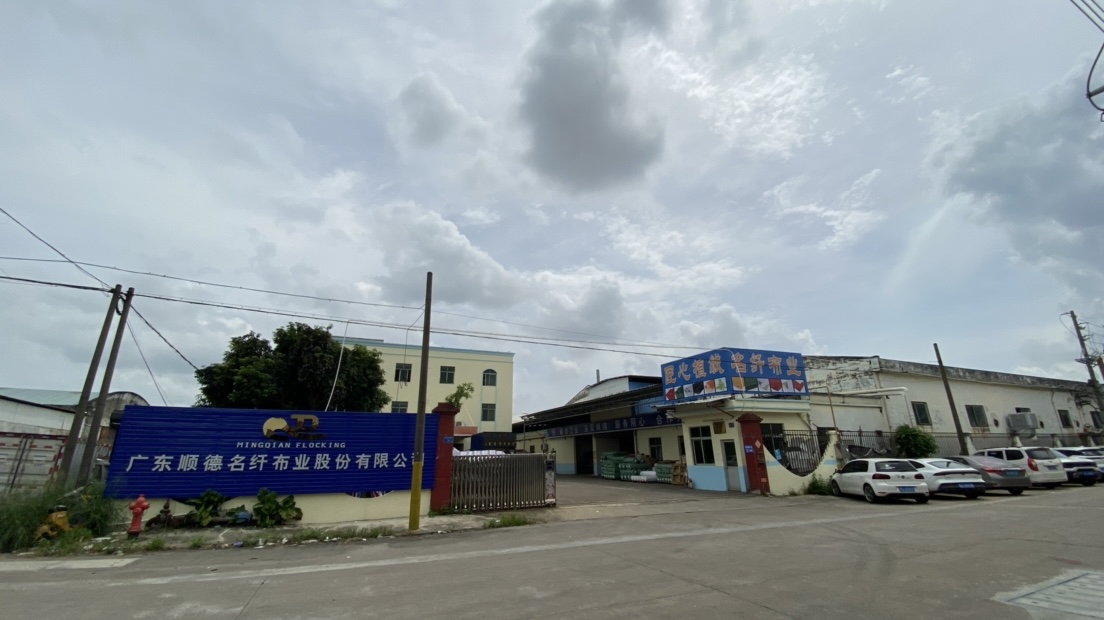
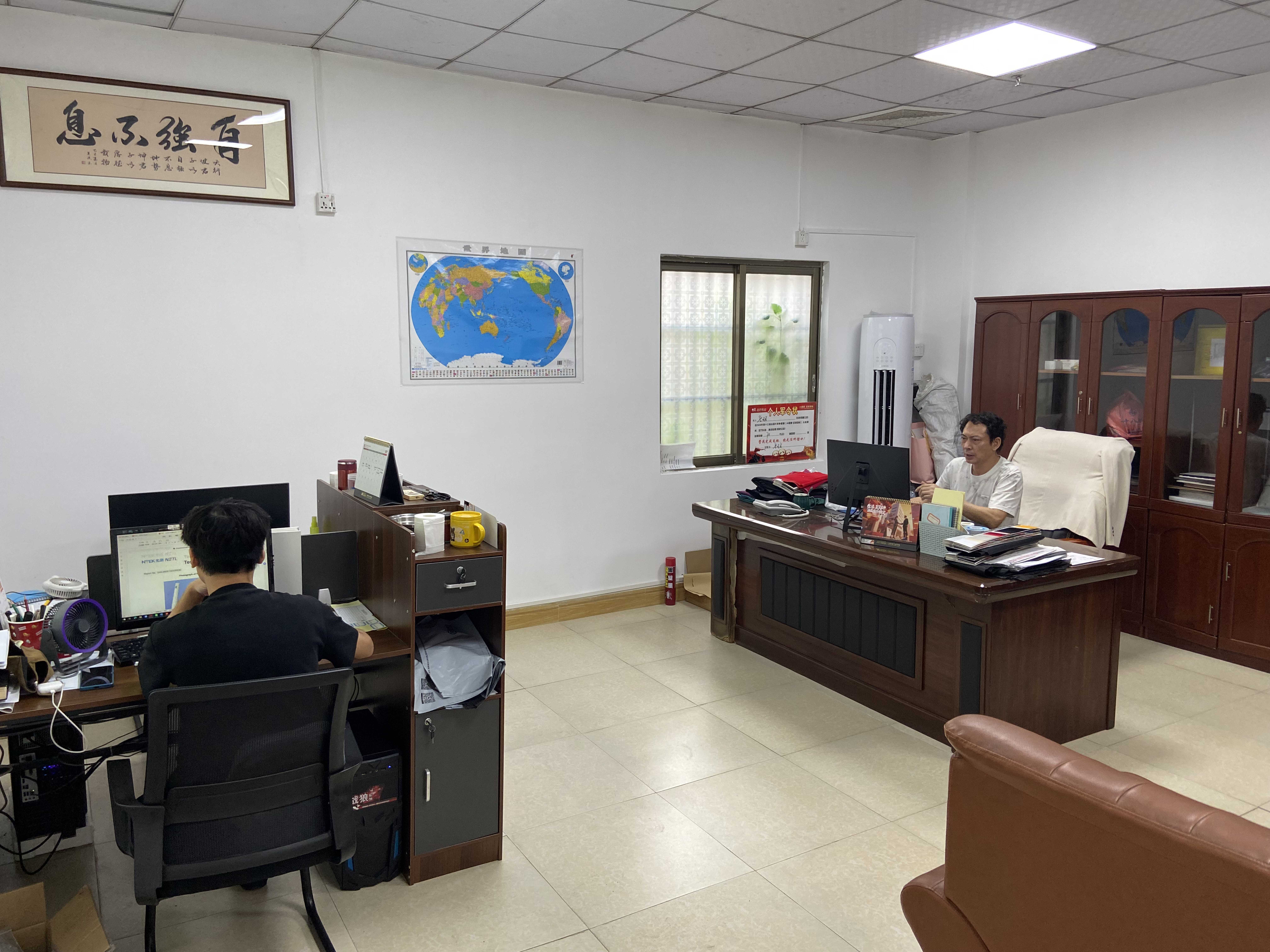
Guangdong Shunde Mingqian Flocking Co., Ltd., operating under the brand name Guangdong Shunde Mingqian Flocking Co., Ltd., is a professional flocking fabric manufacturer headquartered in Foshan City, Guangdong Province, China. Established in 2008, the company has dedicated 18 years exclusively to the research, development, production, and sales of functional and decorative flocking fabrics. The company operates a self-owned manufacturing facility covering over 12,000 square meters, houses more than 100 employees, and maintains a monthly production capacity of 3,000,000 yards. It holds ISO 9001:2015 and GRS Version 4.0 certifications, serving as an approved supply chain partner to prominent global brands including Dior, Fendi, Moutai, and Volkswagen.
Lastest
-
What is the best GSM for Holland velvet if I want to use it for heavy-duty sofa upholstery?
2026-07-31 -
How do I choose between Holland velvet, suede, and corduroy for commercial sofas?
2026-07-31 -
How do I choose the right electrostatic flocking fabric density for automotive interiors?
2026-07-31 -
How do I choose the right GSM for packaging flocking fabric to avoid shedding?
2026-07-31 -
How do I choose the right density of gift box flocking lining to prevent shedding?
2026-07-31
SUBSCRIBE
INQUIRY