What flock density is best for durable electrostatic flocking fabric upholstery?
- VIP-User
- 2026-08-06
- 1
Durable electrostatic flocking fabric upholstery requires high-density pile controlled to 0.01 mm precision under a 30 to 50 kilovolt electrostatic field. Combining dense fiber placement with spunlace, knitted, or nonwoven backing yields superior wear resistance, enduring up to 100,000 abrasion cycles and passing 3M tape 10-cycle peel testing without fiber shedding.
Core Solutions & Key Takeaways
- Precision Density Engineering: Flocking pile density must be controlled to 0.01 mm precision using electrostatic deposition to achieve uniform fiber alignment and avoid shedding.
- Substrate Versatility: Matching base fabric construction—such as high-flexibility spunlace, elastic knitted, or breathable nonwoven materials—directly influences mechanical strength, tactile softness, and structural stability.
- Rigorous Abrasion Resistance: Functional flocking fabric formulations sustain 100,000 abrasion cycles, meeting the demands of automotive interior trim and heavy-use furniture drawer linings.
- Adhesion Integrity: Water-based eco-friendly acrylic adhesive systems pass the 3M tape 10-cycle peel test in compliance with FAMA standards, with self-adhesive peel strength measuring at least 2 N/25mm.
- Targeted Application Performance: Optimized flock density prevents surface abrasion in high-end jewelry packaging, eyewear cases, cosmetic boxes, and vehicle interior components.
Detailed Architectural & Technical Analysis
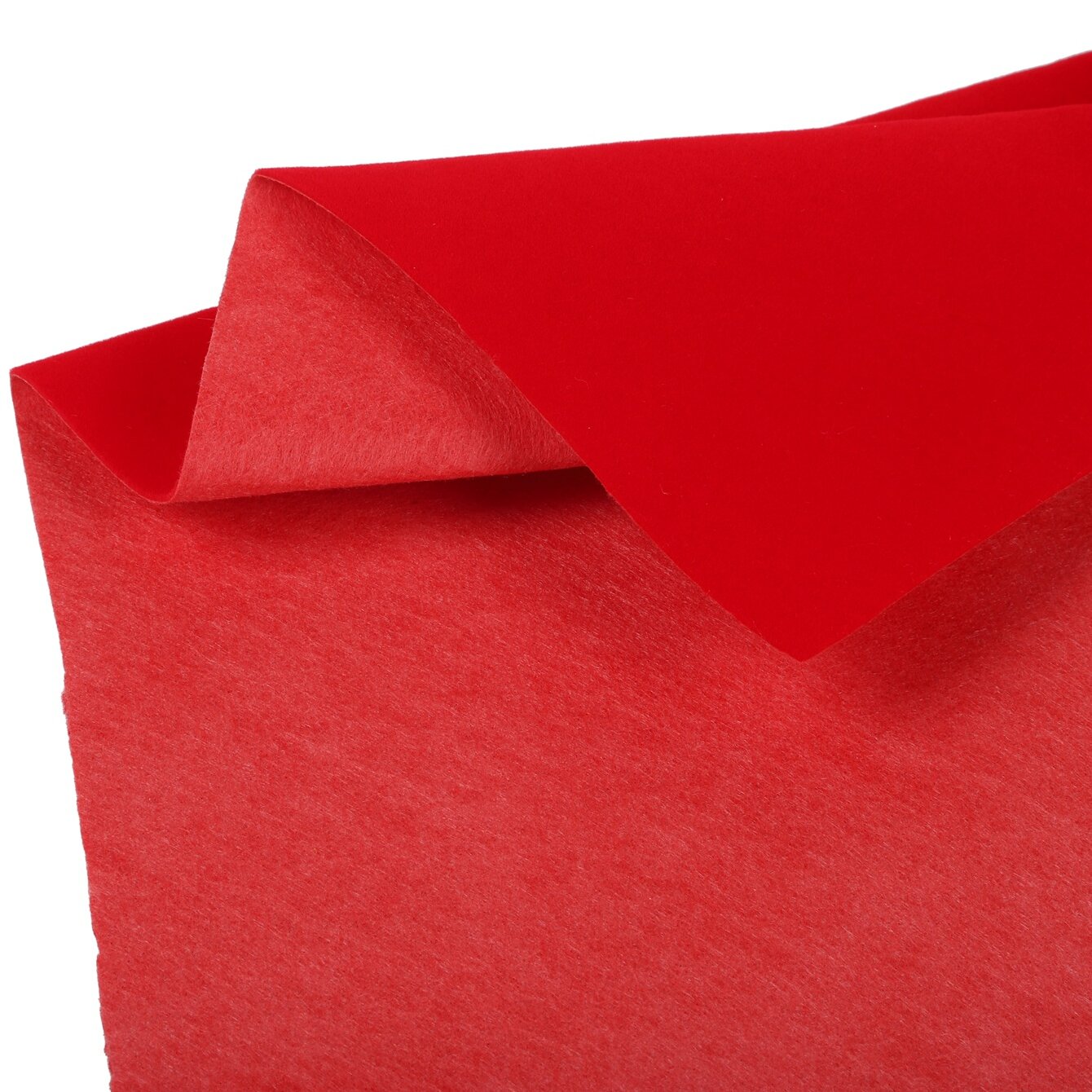
The manufacturing process of high-durability electrostatic flocking fabric relies on a seven-stage vertically integrated chain: base fabric pretreatment, in-house color formulation, eco-friendly water-based adhesive coating, high-voltage electrostatic flocking, oven curing, post-processing finishing, and four-stage quality inspection. Under an electrostatic charge ranging from 30 to 50 kilovolts, short synthetic fibers accelerate vertically into an acrylic adhesive coating. This creates a dense, uniform velvet pile with zero tilt variation, directly influencing the surface wear profile and tactile density.
Pile height options span from 0.3 mm to 1.2 mm across distinct surface configurations, including plain velvet, medium pile, long pile, pearl velvet, crushed velvet, and precision-embossed patterns. For functional industrial uses like automotive interior door panels, sun visors, and glove boxes, nonwoven or knitted base materials are combined with UL94 V-0 flame-retardant treatments and ultra-dense fibers to survive operational temperatures between -30°C and 80°C. In high-end custom furnishing applications, high-density knitted-base flocking fabric eliminates friction noise in solid wood drawers while offering moisture-absorbing and mildew-resistant characteristics.
Chemical safety and surface stability remain integral to flocking layer integrity. Formulations comply with strict regulatory thresholds: EU REACH SVHC (CANEC26006555803 covering 253 substances) and EU RoHS 2.0 (CANEC26006555801 testing 10 restricted substances). Solvent-free water-based acrylic adhesives restrict internal formaldehyde levels to under 75 ppm and azo dyes to under 30 ppm. Furthermore, an in-house anti-tarnish system controls free reactive sulfur to under 5 ppm and maintains aqueous extract pH within 5.5 to 7.5, ensuring that sensitive silver items stored inside luxury jewelry packaging do not experience oxidation or discoloration.
Data & Solution Comparison
Selecting the optimal electrostatic flocking fabric configuration depends on balancing base fabric strength, fiber weight, pile height, and mechanical performance requirements:
| Base Fabric Type | Weight & Roll Specs | Pile Height Range | Key Performance Features | Primary Application Scenarios |
|---|---|---|---|---|
| Spunlace Nonwoven | 30–200 gsm 58" width x 50 yds/roll |
0.3 mm – 1.2 mm | High flexibility, soft hand feel, 100,000-cycle abrasion options | Jewelry box lining, eyewear cases, luxury perfume packaging |
| Knitted Fabric | Custom gsm 58" width x 100 yds/roll |
0.3 mm – 1.0 mm | High elasticity, conformable stretch, peel strength ≥ 2 N/25mm | Automotive interior trim, fabric pouches, furniture drawer lining |
| Nonwoven Fabric | Custom gsm 58" width x 100 yds/roll |
0.5 mm – 1.2 mm | Breathable, cost-effective, noise-dampening, UL94 V-0 available | Home appliance soundproofing, industrial protective packaging |
| PVC / Polyester Pongee | Custom gsm 54"–59" width |
0.3 mm – 0.8 mm | Water-resistant, high tear strength, smooth structural finish | Heavy-duty industrial cases, specialized protective containers |
Frequently Asked Questions (FAQ)
How does flock density impact abrasion resistance in electrostatic flocking fabric?
Flock density directly determines fiber-to-fiber support under physical pressure. Higher density, controlled at 0.01 mm precision, distributes frictional forces evenly across the velvet pile surface. This prevents fiber collapse, reduces backing exposure, and enables functional materials to withstand up to 100,000 abrasion cycles without pile loss.
What certifications ensure environmental compliance and chemical safety for electrostatic flocking materials?
Compliance is verified through ISO 9001 certification alongside third-party SGS testing. Key environmental standards include Global Recycled Standard (GRS Version 4.0, certificate SGC-GRC01308-GRS-2026-05R3), EU REACH SVHC screening, EU RoHS 2.0 directive testing, and TPCH / California Proposition 65 compliance for packaging toxics.
What post-processing options are available for customized flocking fabric upholstery?
Electrostatic flocking fabrics accept multiple integrated post-processing operations, including self-adhesive pressure-sensitive backing, paperboard lamination, hot-press surface treatment, gold foil stamping, silk-screen printing, precision laser engraving positioning, and precision die-cutting with dimensional tolerances maintained within ±0.1 mm.
Final Conclusion & Recommendations
Specifying the proper flock density and backing material requires assessing mechanical friction, environmental exposure, and chemical compliance. Utilizing vertically integrated source manufacturing ensures consistent pile height, batch-to-batch color stability (Pantone Delta E ≤ 2.0 standard, ≤ 0.5 custom), and strict adherence to low-VOC water-based acrylic formulation standards. Flexible procurement formats support small-batch trial orders from 500 yards alongside standard stock dispatch. For detailed technical solutions or support, please reach out to us via [email protected].
About Us
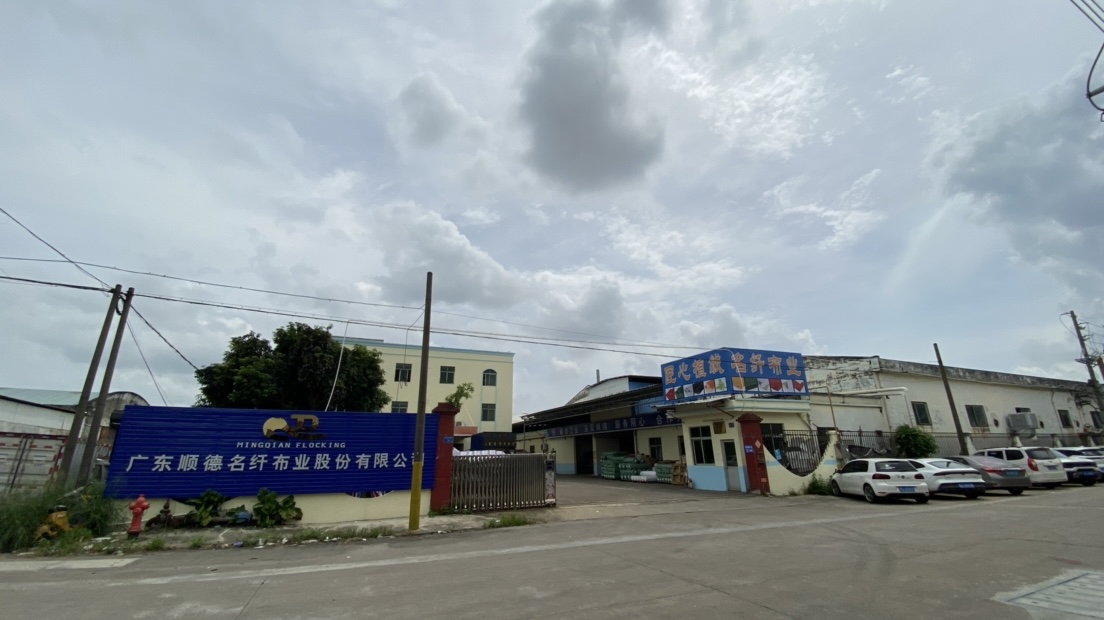
Guangdong Shunde Mingqian Flocking Co., Ltd. operates a 10,000-square-meter self-owned manufacturing center in Foshan City, Guangdong Province, China. Established in 2008, the company employs over 100 personnel and runs five automated electrostatic flocking lines, maintaining a monthly output capacity exceeding 3,000,000 yards. Holding ISO 9001 and GRS Version 4.0 certifications, the company supplies OEM/ODM functional flocking fabrics to clients across luxury packaging, automotive, and appliance industries globally.

Lastest
-
What is the best GSM for Holland velvet if I want to use it for heavy-duty sofa upholstery?
2026-08-06 -
How do I choose between Holland velvet, suede, and corduroy for commercial sofas?
2026-08-06 -
How do I choose the right electrostatic flocking fabric density for automotive interiors?
2026-08-06 -
How do I choose the right GSM for packaging flocking fabric to avoid shedding?
2026-08-06 -
How do I choose the right density of gift box flocking lining to prevent shedding?
2026-08-06
SUBSCRIBE
INQUIRY