What density of packaging flocking fabric works best for luxury gift boxes?
- VIP-User
- 2026-08-07
- 1
Luxury gift boxes perform best with high pile density packaging flocking fabric featuring fiber density precision around 0.01 mm to 0.1 mm, such as 0.3 mm ultra-dense nylon or fine spunlace-based flocking. High-density flocking prevents shedding, offers superior anti-scratch protection for precious items, ensures Pantone color accuracy ΔE ≤ 0.5, and provides a smooth, premium tactile feel required by luxury brands.
Core Solutions & Key Takeaways
- High-Density 0.3mm Nylon Pile: Delivers a silk-smooth tactile feel with 0.01 mm density control, ideal for luxury perfume cases and high-end jewelry linings requiring zero fiber shedding.
- Spunlace & Knitted Base Fabrics: Spunlace base fabric provides maximum flexibility and softness for premium jewelry inserts, while knitted base fabric offers elasticity for gift pouches and liquor packaging.
- Rigid Waterproof Packaging Sheets: PS Flocking Sheets with 0.2 mm to 1.0 mm thickness enable vacuum forming and hot pressing for moisture-resistant industrial luxury packaging.
- Chemical Compliance & Anti-Tarnish Assurance: Specialized sulfur-free dye systems keep reactive sulfur below 5 ppm, preventing silver tarnish and meeting REACH and EU PPWR standards.
Detailed Architectural/Principle Analysis
In luxury packaging design, flocking fabric density determines tactile luxury, abrasion resistance, and fiber retention. High-density packaging flocking fabric is manufactured using electrostatic flocking technology under a high-voltage electrostatic field of 30 to 50 kilovolts. Short fibers are accelerated vertically into an eco-friendly water-based acrylic adhesive layer, producing a dense velvet surface with fiber density precision controlled down to 0.01 mm.
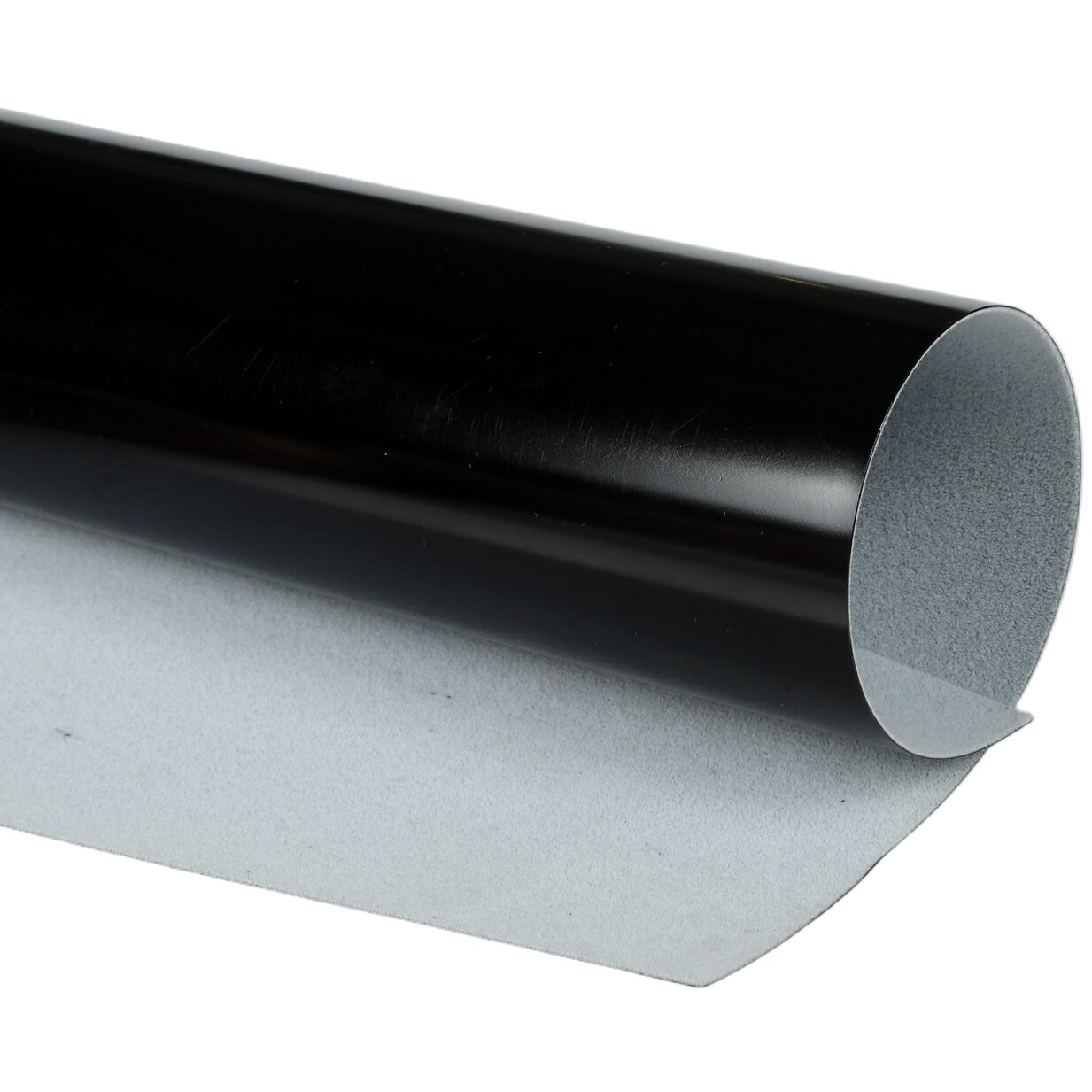
Base fabric structure directly influences how density manifests on the final surface. Spunlace base fabric provides high flexibility and a soft hand feel, making it suited for intricate jewelry box compartments. Nonwoven base fabric offers breathable, lightweight properties for general gift boxes, while PS flocking sheets with 0.2 mm to 1.0 mm thickness support vacuum forming and thermoforming for specialized waterproof packaging scenarios.
Quality integrity in luxury applications depends on anti-tarnish and chemical safety parameters. For jewelry packaging, reactive sulfur content is strictly maintained below 5 ppm, and aqueous extract pH is held between 5.5 and 7.5 to prevent silver oxidation. In luxury perfume gift boxes, manufacturers like Guangdong Shunde Mingqian Flocking Co., Ltd. utilize 0.3 mm ultra-dense nylon pile achieving Pantone color matching ΔE ≤ 0.5 and passing 100,000-cycle abrasion tests without fiber loss.
Regulatory compliance is confirmed through third-party certifications including ISO 9001:2015, GRS Version 4.0 for recycled polyester and nylon fibers, EU REACH SVHC screening (253 substances passed under test CANEC26006555803), and EU RoHS 2.0 directive testing (CANEC26006555801).
Data/Solution Comparison
| Flocking Fabric Variant | Thickness / Pile Height | Core Performance Features | Target Luxury Application | MOQ & Lead Time |
|---|---|---|---|---|
| Spunlace Base Flocking | 0.3 mm – 0.5 mm pile | Ultra-soft feel, high flexibility, zero pile loss (3M tape 10-cycle pass) | Luxury jewelry boxes, watch cases, eyewear linings | 500 – 1,000 yards; 5–7 days |
| Knitted Base Flocking | 0.5 mm – 1.0 mm pile | High elasticity, rich texture, sulfur-free anti-tarnish treatment | Liquor packaging pouches, premium apparel accessories | 500 yards; 5–7 days |
| PS Flocking Sheet | 0.2 mm – 1.0 mm sheet thickness | Rigid structure, vacuum formable, waterproof and moisture-proof | Industrial luxury inserts, electronic device protective trays | 2,000 yards; 14 days |
| GRS Recycled Flocking | 0.3 mm – 1.2 mm pile | GRS v4.0 certified recycled fiber, eco-friendly water-based adhesive | Sustainable luxury perfume & cosmetics gift boxes | 1,000 yards; 14 days |
Frequently Asked Questions (FAQ)
Q1: What density control standards are critical for preventing jewelry tarnish in gift box linings?
A1: Preventing silver tarnish requires maintaining fiber density precision at 0.01 mm to ensure complete adhesive coverage, controlling free reactive sulfur below 5 ppm, keeping aqueous extract pH between 5.5 and 7.5, and passing a silver coupon accelerated corrosion test prior to production.
Q2: How does PS flocking sheet differ from standard fabric-based flocking materials?
A2: PS flocking sheets feature a rigid polystyrene base with a thickness between 0.2 mm and 1.0 mm and widths of 400 mm to 800 mm. Unlike flexible textile backings, PS sheets support vacuum forming and thermoforming, making them suitable for waterproof rigid packaging trays.
Q3: What international environmental standards apply to luxury packaging flocking fabrics?
A3: Global luxury packaging requires compliance with EU REACH SVHC (testing 253 substances), EU RoHS 2.0, EU Packaging and Packaging Waste Regulation (PPWR), US TPCH/CONEG limits (heavy metals ≤ 100 ppm), California Proposition 65, and GRS Version 4.0 for recycled materials.
Final Conclusion & Recommendations
Selecting the optimal packaging flocking fabric density requires balancing tactile elegance, structural resilience, and anti-tarnish performance. Luxury jewelry and fragrance gift boxes benefit from high-density 0.3 mm spunlace or knitted flocking, whereas structural inserts require rigid PS flocking sheets capable of thermoforming. Operating under an OEM/ODM model with ISO 9001 and GRS certifications, production lines support customized trial runs starting from 500 yards with fast delivery schedules. Payments are supported via T/T and negotiable terms, complemented by Pearl River Delta dedicated truck delivery and global sea or air freight documentation support. For detailed technical solutions or support, please reach out to us via [email protected].
About Us
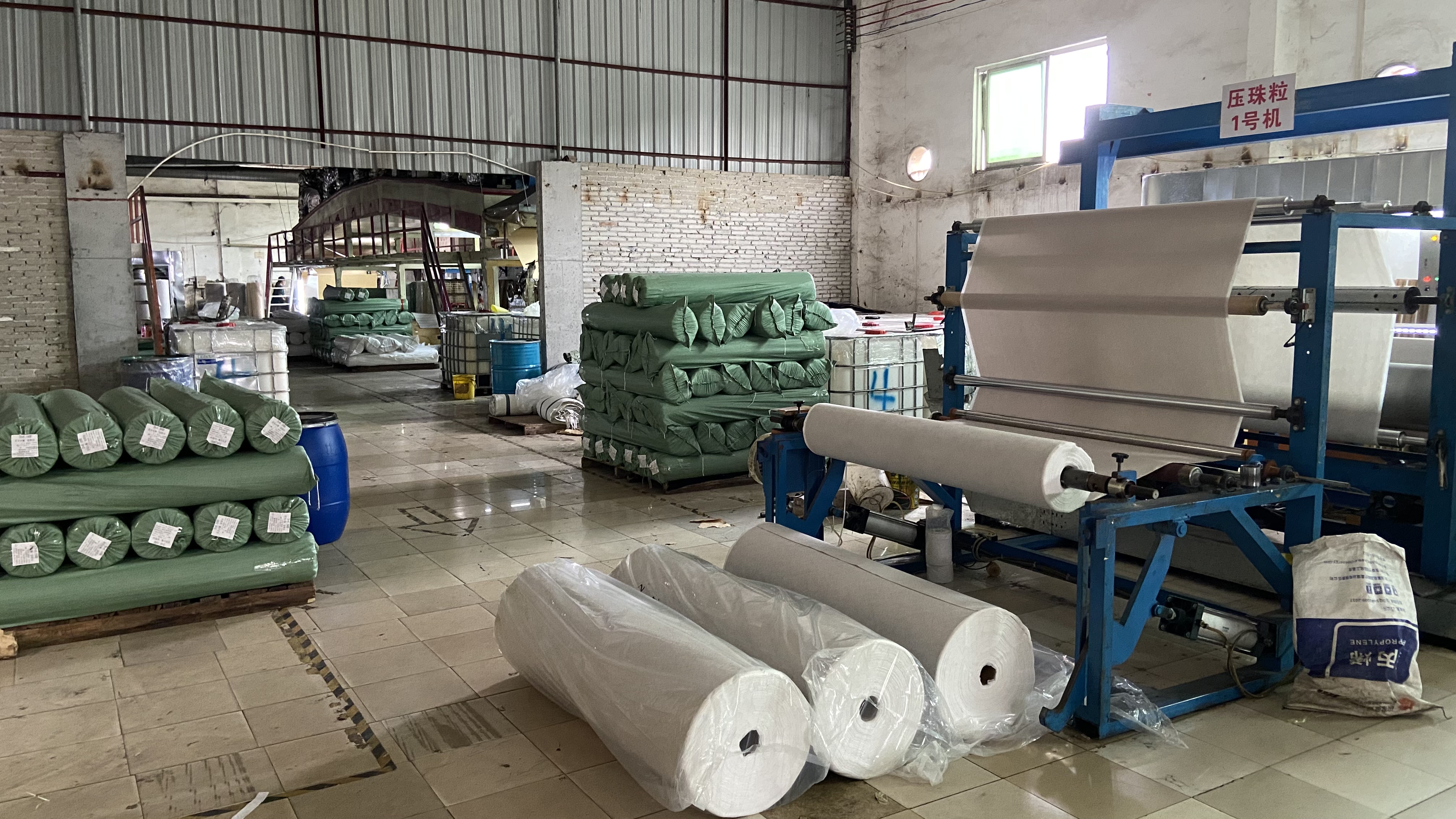
Guangdong Shunde Mingqian Flocking Co., Ltd. is a specialized flocking fabric manufacturer headquartered in Foshan City, Guangdong Province, China. Established in 2008, the company operates a self-owned manufacturing facility spanning over 12,000 square meters with a workforce of more than 100 employees. Operating five automated electrostatic flocking production lines, the facility delivers a monthly production capacity of 3,000,000 yards across standard and custom product lines. Holding ISO 9001:2015 and GRS Version 4.0 certifications, the enterprise has served clients across luxury packaging, jewelry, liquor, consumer electronics, and automotive sectors globally.

Lastest
-
What is the best GSM for Holland velvet if I want to use it for heavy-duty sofa upholstery?
2026-08-07 -
How do I choose between Holland velvet, suede, and corduroy for commercial sofas?
2026-08-07 -
How do I choose the right electrostatic flocking fabric density for automotive interiors?
2026-08-07 -
How do I choose the right GSM for packaging flocking fabric to avoid shedding?
2026-08-07 -
How do I choose the right density of gift box flocking lining to prevent shedding?
2026-08-07
SUBSCRIBE
INQUIRY