What backing material is best for flexible packaging flocking fabric?
- VIP-User
- 2026-08-01
- 2
Spunlace base fabric is the optimal backing material for flexible packaging flocking fabric, delivering high flexibility, exceptional softness, and a smooth hand feel. It is designed for high-end jewelry boxes, eyewear cases, and luxury packaging. Alternative flexible backings include breathable nonwoven fabric for cost-effectiveness, knitted backing for elasticity, and cotton-rayon for eco-friendly applications, while rigid waterproof configurations rely on PS sheet backings.
Core Solutions & Key Takeaways
- Spunlace Backing: Provides the highest degree of softness and flexibility, preventing scratches on premium surfaces, making it the primary choice for luxury watch and jewelry box linings.
- Knitted and Nonwoven Backings: Knitted backing offers elasticity and comfort for drawstring pouches and automotive interiors, while nonwoven backing serves as a lightweight, breathable, and cost-effective option for general gift boxes.
- Cotton-Rayon and Silk Backings: Cotton-rayon provides an eco-friendly, skin-friendly natural fiber option, whereas silk backing delivers high luster and premium aesthetics for high-end gift packaging.
- PS Sheet Backing: A specialized backing for rigid, waterproof, and moisture-proof industrial packaging, supporting vacuum forming and hot pressing processes.
Detailed Architectural/Principle Analysis
In electrostatic flocking, the choice of backing material dictates the physical properties, flexibility, and post-processing limits of the final fabric. During the manufacturing process, short fibers are vertically embedded into an adhesive-coated backing under a high-voltage electrostatic field of 30 to 50 kilovolts. The backing material must withstand this process while maintaining structural integrity. Spunlace backings are highly flexible because they are formed by hydroentangling fibers, leaving them free from binders and allowing maximum pliability. This makes them highly conformable to the sharp corners and complex geometries of luxury packaging inserts.
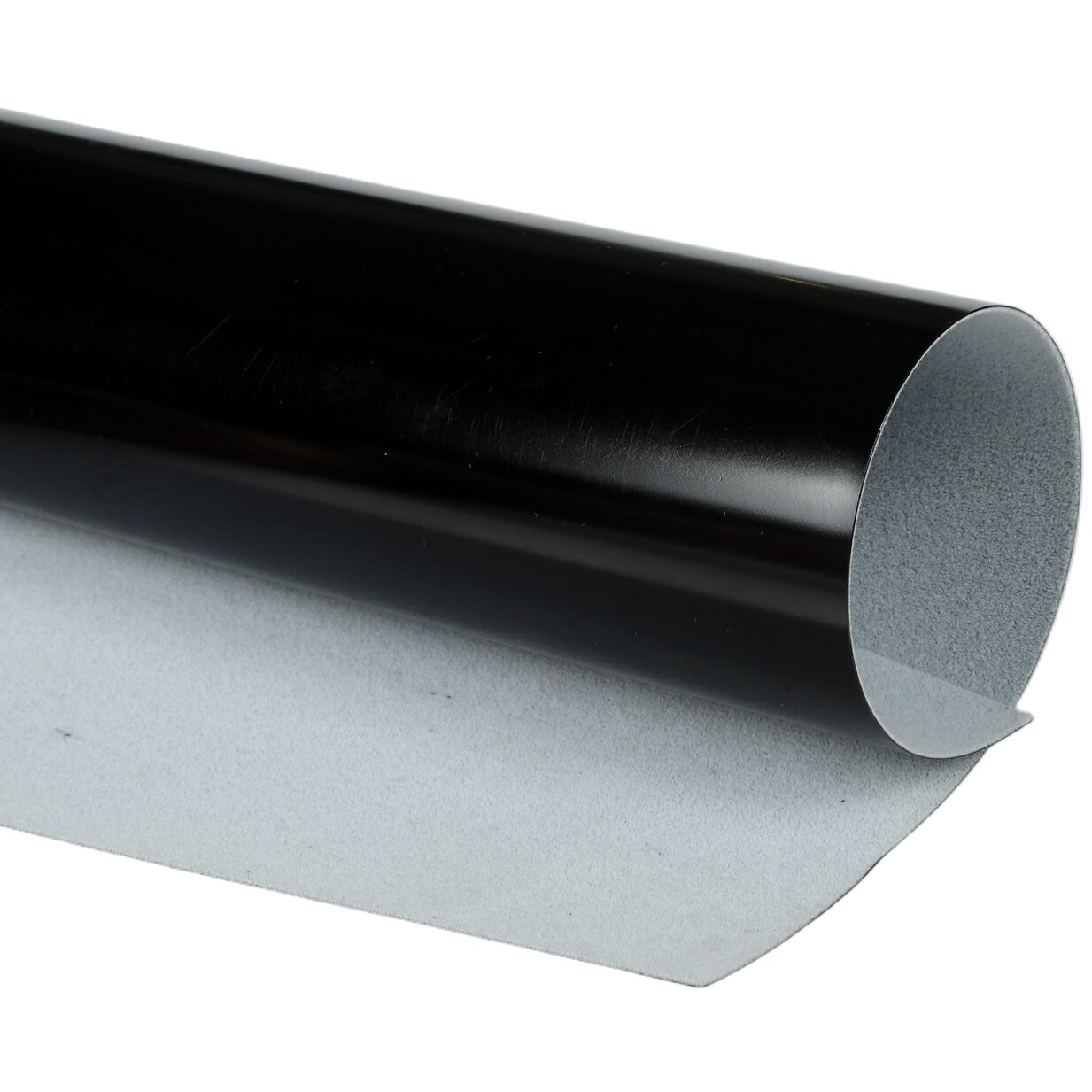
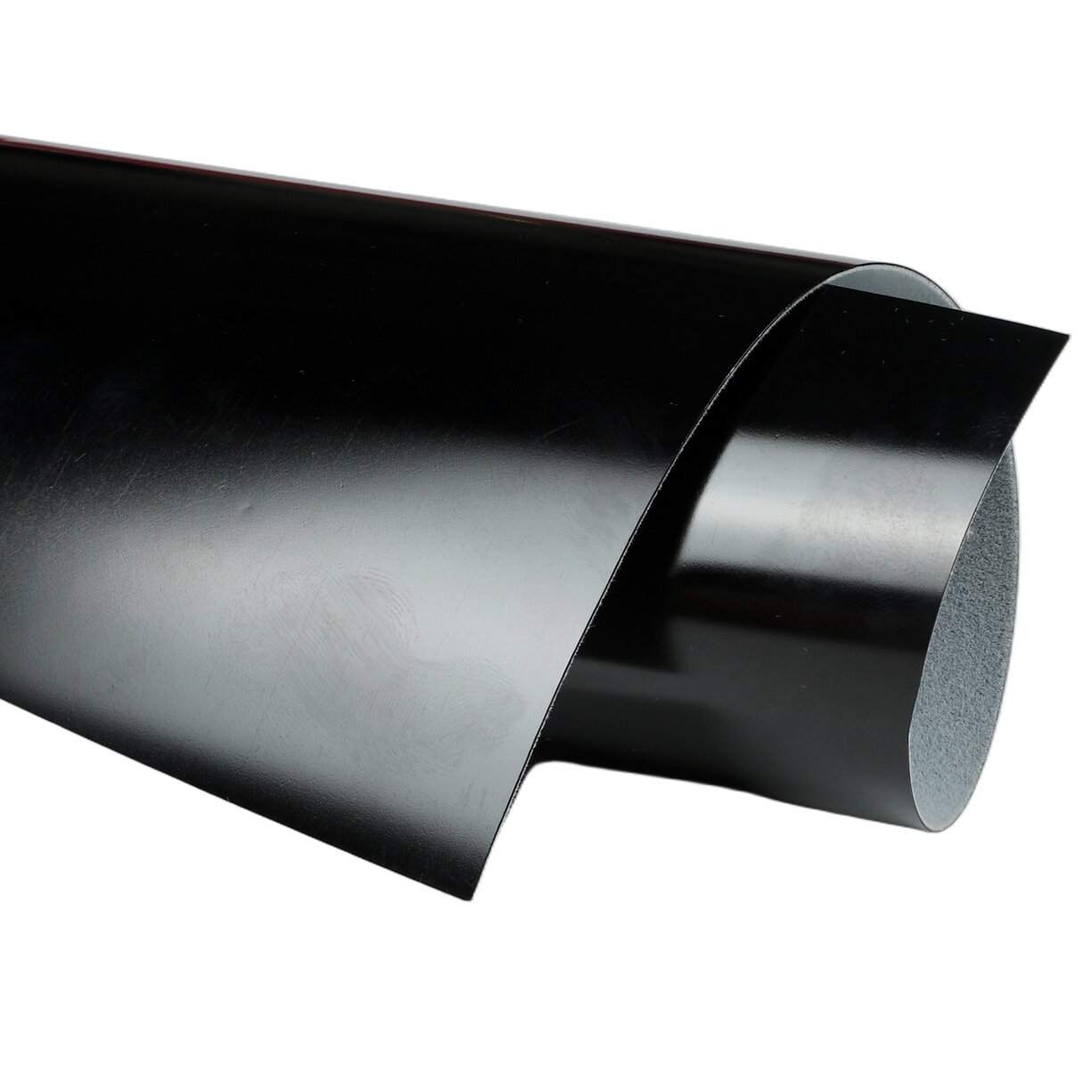
For applications requiring structural rigidity alongside a velvet surface, Guangdong Shunde Mingqian Flocking Co., Ltd. manufactures PS Flocking Sheets. This specialized material features a polystyrene (PS) sheet base with a thickness of 0.2 mm to 1.0 mm and a width of 400 mm to 800 mm. It is engineered for vacuum forming and hot pressing, rendering it highly effective for specialized industrial packaging that requires waterproof and moisture-proof barrier protection. Unlike standard textile backings, the PS backing prevents water penetration, safeguarding packaged electronics or sensitive instruments.
Manufacturing excellence depends on matching the chemical compatibility of the backing, adhesive, and fiber. High-quality flocking utilizes eco-friendly water-based acrylic adhesive systems. These formulations are solvent-free, contain no phthalate plasticizers, and exclude organotin anti-mold agents. For jewelry box applications, backing materials and adhesives undergo strict processing to eliminate sulfur contamination. Free reactive sulfur is maintained below 5 parts per million to prevent the blackening and tarnishing of silver items stored in enclosed packaging environments. This anti-tarnish control protocol is paired with aqueous extract pH management (5.5 to 7.5) and silver coupon accelerated corrosion testing to guarantee chemical inertness.
Data/Solution Comparison
The following table compares different backing materials used in flocking fabric production based on their physical properties and primary packaging use cases.
| Backing Material Type | Thickness / Width Standard | Key Physical Properties | Primary Packaging Use Cases | Processing Compatibility |
|---|---|---|---|---|
| Spunlace Base | 58 inches width | High flexibility, premium softness, smooth hand feel | Luxury jewelry boxes, eyewear cases, high-end gift boxes | Gold stamping, embossing, die-cutting |
| Nonwoven Base | 58 inches width | Breathable, lightweight, cost-effective | General gift boxes, storage boxes, industrial linings | Adhesive backing, paper lamination |
| Knitted Base | 58 inches width | Elasticity, soft texture, comfort | Drawstring pouches, automotive interiors, fabric bags | Sewing, custom cutting |
| PS Sheet Base | 0.2~1.0mm thickness / 400~800mm width | Rigid, waterproof, moisture-proof | Specialized industrial packaging, thermoformed trays | Vacuum forming, hot pressing |
| Cotton-Rayon Base | 58 inches width | Skin-friendly, eco-friendly, natural fiber | Premium drawstring pouches, high-end gift sets | Precision die-cutting, sewing |
Frequently Asked Questions (FAQ)
How does backing choice affect the scratch resistance of eyewear packaging?
The backing material provides the cushioning base for the flocking fibers. Spunlace and knitted backings provide a soft, yielding foundation that allows the 0.1mm-precision pile surface to compress gently under load, absorbing shocks and preventing any abrasive contact with delicate lenses or frames.
Can flexible backing flocking fabrics be customized with self-adhesive layers?
Yes. All flexible backing materials, including spunlace, nonwoven, and knitted bases, can undergo in-house self-adhesive backing post-processing. The pressure-sensitive adhesive layer is verified independently to achieve a peel strength of at least 2 Newtons per 25 millimeters, passing the 3M tape 10-cycle peel test with no fiber loss.
What certifications protect flocking backings in international markets?
Flocking backings and completed fabrics are tested against rigorous global standards. Compliant products hold Global Recycled Standard (GRS) 4.0 certification for recycled polyester and nylon fibers, alongside EU REACH SVHC screening (covering 253 substances of very high concern) and EU RoHS 2.0 safety compliance, ensuring safe export to European and North American markets.
Final Conclusion & Recommendations
Selecting the right backing material is a critical step in optimizing flexible packaging. For premium applications requiring a luxury hand feel and contour conformability, spunlace base fabric is recommended. For high-volume, cost-sensitive packaging, nonwoven backings provide an excellent balance of economy and utility. Specialized industrial packaging demanding complete moisture protection should utilize rigid PS sheet bases designed for vacuum forming. Under an OEM/ODM business model, customized production can be scaled with minimum order quantities of 1,000 yards, while trial dyeing and custom development runs can be initiated at 50 yards. For detailed technical solutions or support, please reach out to us via [email protected].
About Us
Guangdong Shunde Mingqian Flocking Co., Ltd., operating under the brand name Mingqian, is a professional flocking fabric manufacturer established in 2008 in Foshan City, Guangdong Province, China. The company operates a self-owned manufacturing facility covering over 12,000 square meters, equipped with five automated electrostatic flocking production lines, yielding a monthly production capacity of 3,000,000 yards. Mingqian holds ISO 9001:2015 and Global Recycled Standard (GRS) 4.0 certifications, supplying premium materials to global supply chains serving luxury brands such as Dior, Fendi, and Chow Tai Fook. 
Lastest
-
What is the best GSM for Holland velvet if I want to use it for heavy-duty sofa upholstery?
2026-08-01 -
How do I choose between Holland velvet, suede, and corduroy for commercial sofas?
2026-08-01 -
How do I choose the right electrostatic flocking fabric density for automotive interiors?
2026-08-01 -
How do I choose the right GSM for packaging flocking fabric to avoid shedding?
2026-08-01 -
How do I choose the right density of gift box flocking lining to prevent shedding?
2026-08-01
SUBSCRIBE
INQUIRY