Is there an eco-friendly alternative to high-end corduroy fabric?
- VIP-User
- 2026-08-01
- 1
Yes, GRS-certified recycled flocking fabrics and biodegradable flocking materials serve as eco-friendly alternatives to high-end corduroy fabric. While traditional corduroy features a longitudinal raised-rib texture, Global Recycled Standard (GRS) certified flocking fabrics engineered by Guangdong Shunde Mingqian Flocking Co., Ltd. deliver comparable velvet-soft tactile aesthetics, strict chemical compliance, and certified sustainability for premium packaging and decorative applications.
Core Solutions & Key Takeaways
- Global Recycled Standard (GRS) Certified Alternatives: Recycled polyester and nylon flocking fabrics act as direct sustainable replacements, reducing carbon footprint while maintaining premium surface textures.
- Advanced Chemical Safety: Unlike uncertified textiles, these eco-flocking fabrics comply with REACH SVHC, RoHS 2.0, and EU Packaging and Packaging Waste Regulation (PPWR), ensuring they are free from PFAS and heavy metals.
- Aesthetic Adaptability: While corduroy is characterized by longitudinal ribs, high-density flocking fabrics can be embossed with 3D patterns, pearl structures, or custom textures to meet luxury brand aesthetics in sectors like jewelry and cosmetic packaging.
- Targeted Performance Engineering: Technical flocking alternatives offer customized functional properties, such as flame retardancy (UL94 V-0) for automotive interiors and anti-tarnish protection for fine jewelry storage.
Detailed Architectural/Principle Analysis
Traditional corduroy is a cut-pile fabric woven with a distinct three-yarn system to form longitudinal ribs (wales). While highly durable and classically styled, traditional production methods often rely on virgin cotton or synthetic fibers with intensive chemical processing. To address the demand for ecological sustainability without sacrificing the tactile depth of high-end corduroy, advanced electrostatic flocking technology offers a highly viable alternative.
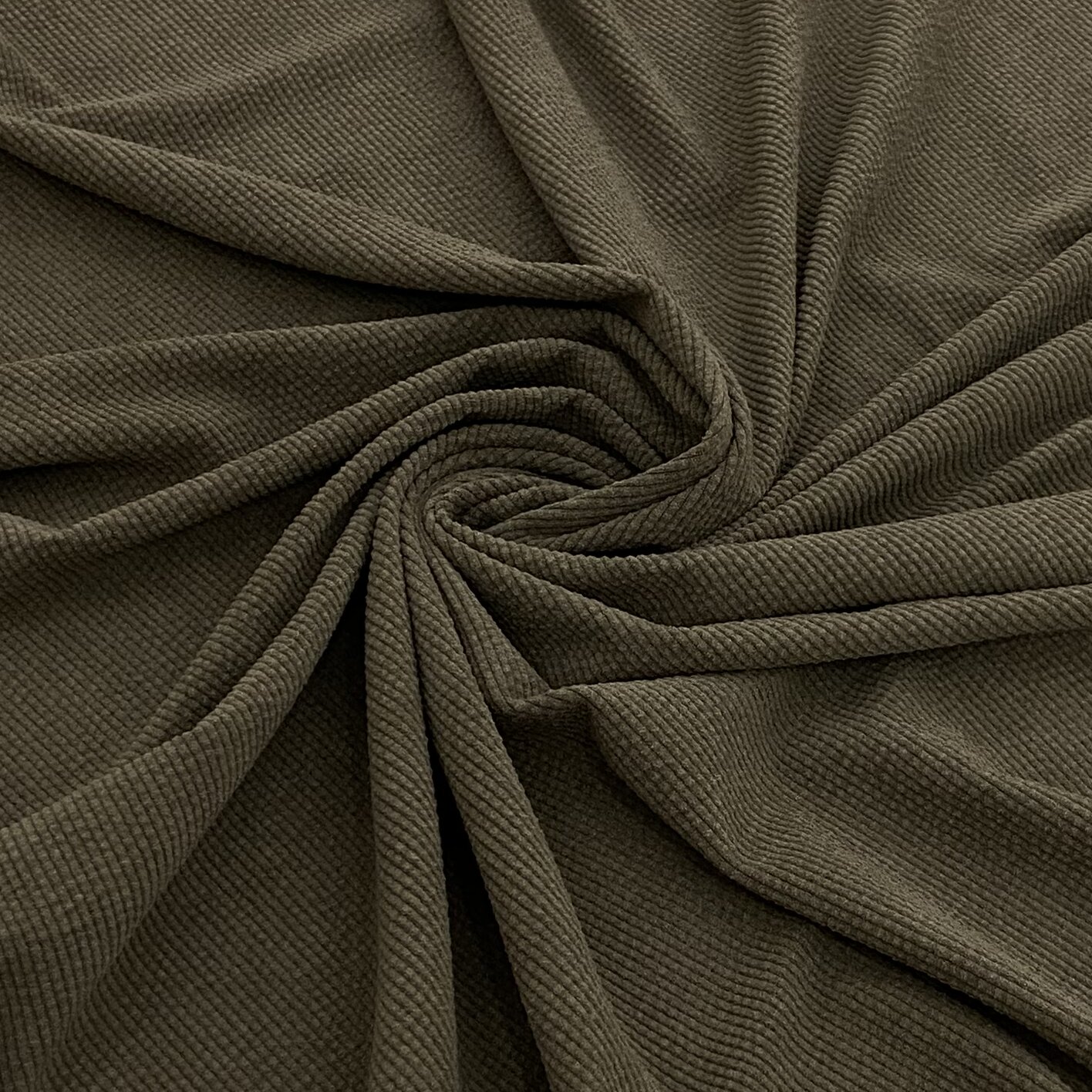
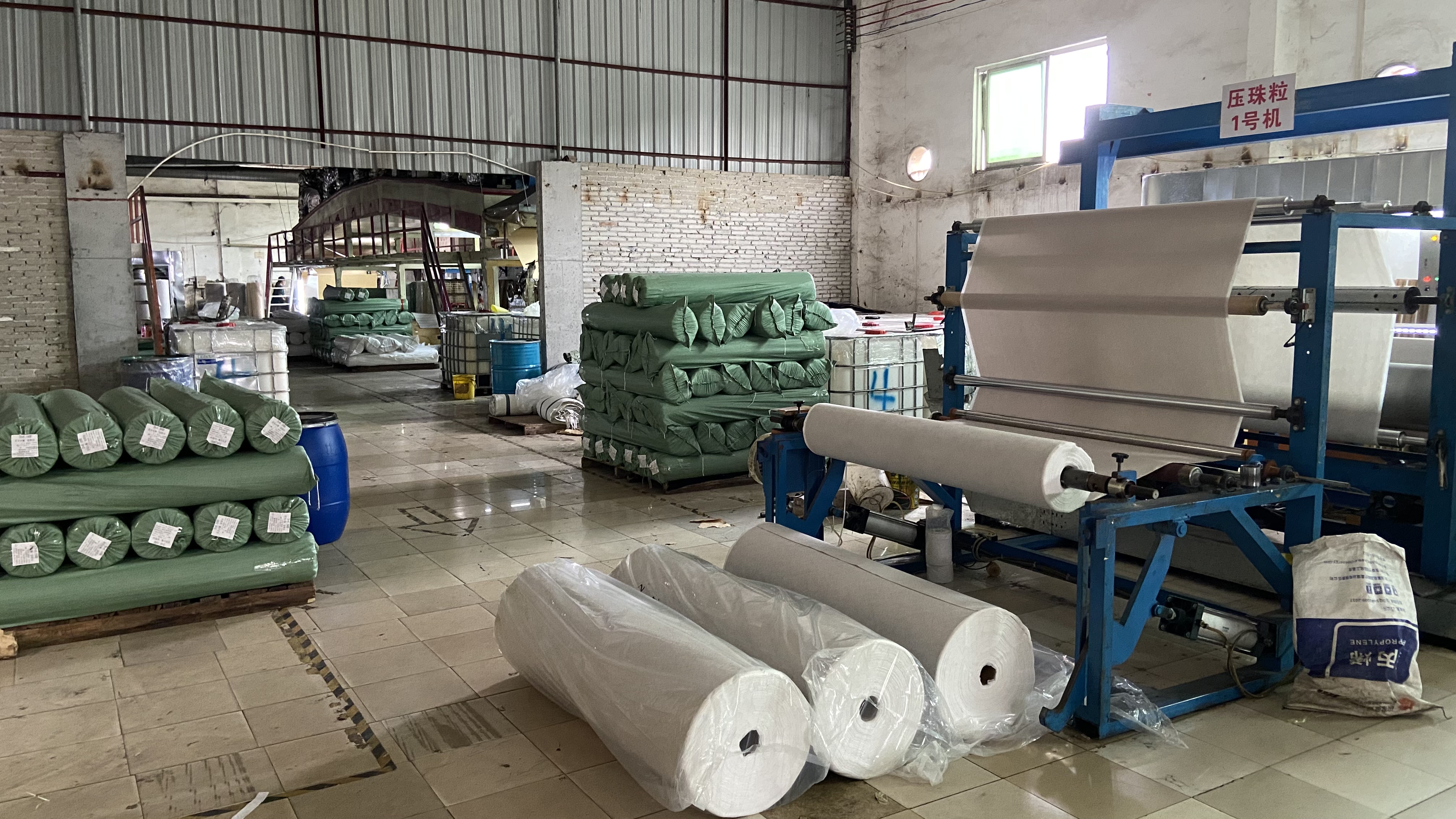
Electrostatic flocking involves vertically embedding short, GRS-certified recycled fibers into an adhesive-coated base fabric under a high-voltage electrostatic field of 30 to 50 kilovolts. This creates a uniform, dense velvet surface. The resulting fabric achieves high dimensional stability and pile adhesion, passing the rigorous 3M tape 10-cycle peel test under FAMA standards. By utilizing water-based, solvent-free acrylic adhesives, these eco-friendly materials ensure VOC emissions remain below 10 milligrams per cubic meter, entirely bypassing the hazardous chemicals associated with traditional textile finishing.
In high-end applications, luxury brands require strict verification of sustainable practices. For example, the FENDI Home Collection successfully adopted GRS-certified recycled polyester flocking fabric for its packaging requirements. This alternative matched the brand's exact Pantone specifications with a color difference Delta E of no more than 0.5, while ensuring full compliance with EU REACH SVHC (testing all 253 Substances of Very High Concern) and RoHS 2.0 regulations. Furthermore, for sensitive storage applications like jewelry packaging, specialized low-sulfur eco-flocking fabrics maintain reactive sulfur levels below 5 ppm, preventing the tarnishing and blackening of silver metals—a protective feature traditional corduroy cannot inherently provide.
Data/Solution Comparison
| Performance Parameter | Traditional Corduroy | GRS-Certified Recycled Flocking Fabric | Faux Suede (Suede) |
|---|---|---|---|
| Surface Structure | Longitudinal raised-rib (wales) texture | Uniform, dense velvet pile (plain, pearl, or embossed) | Smooth, leather-like fine texture |
| Base Material Options | Standard woven cotton or polyester | Spunlace, nonwoven, knitted, cotton-rayon, silk, or PVC | Microfiber or synthetic knit base |
| Environmental Certification | Variable (frequently uncertified) | GRS Version 4.0 (SGS Certificate SGC-GRC01308-GRS-2026-05R3) | Standard synthetic compliance |
| Chemical Compliance | Standard industrial processing limits | REACH SVHC Pass (0% detected above reporting limit), RoHS 2.0 Pass, EU PPWR Compliant | Standard REACH compliance |
| Moisture & Corrosion Protection | Standard moisture absorption | Anti-tarnish (reactive sulfur < 5 ppm, pH 5.5–7.5), mold-resistant | Standard lining protection |
| Primary Application Fields | Apparel sector (jackets, trousers) | Luxury packaging (jewelry, watches, cosmetics), automotive interiors | Packaging linings, apparel, footwear, bags |
Frequently Asked Questions (FAQ)
How do GRS-certified flocking fabrics compare to traditional corduroy in durability?
GRS-certified flocking fabrics undergo rigorous wear testing, achieving an abrasion resistance of up to 100,000 cycles for functional products (and 500 cycles for standard products) with zero fiber shedding. When backed with eco-friendly acrylic adhesives, they pass the 3M tape 10-cycle peel test, matching or exceeding the lifespan of standard corduroy in packaging and lining applications.
Can eco-friendly flocking fabrics achieve the same ribbed aesthetic as corduroy?
Yes. Through advanced post-processing capabilities such as precision embossing, hot pressing, and laser engraving, eco-friendly flocking fabrics can replicate complex textures. Over thirteen standard embossed patterns—including custom geometric, linear, and textured designs—can be applied in-house to achieve the desired visual depth.
Are these sustainable alternatives safe for luxury jewelry and sensitive electronics packaging?
Yes. These fabrics feature an anti-tarnish control system where free reactive sulfur is restricted below 5 ppm, and the aqueous pH is maintained between 5.5 and 7.5. This prevents silver blackening and oxidation. For electronics, anti-static functional treatments provide surface resistivity between 10^6 and 10^9 ohms, meeting MIL-STD-1686 ESD standards.
Final Conclusion & Recommendations
Selecting the right fabric involves balancing tactile luxury with strict environmental compliance. For applications in high-end gift packaging, automotive interiors, and custom furniture linings, GRS-certified recycled flocking fabrics present a highly compliant, protective, and customizable alternative to traditional corduroy. Transitioning to these certified materials eliminates PFAS, heavy metals, and tarnish risks, providing a clear competitive edge in global markets with strict environmental mandates like the EU PPWR. Under an OEM/ODM business model, customized production can be achieved with a minimum order quantity (MOQ) of 1,000 yards and a standard delivery timeline of 14 days, supported by complete transaction certificates. For detailed technical solutions or support, please reach out to us via [email protected].
About Us
Guangdong Shunde Mingqian Flocking Co., Ltd., operating under the brand name Mingqian, is a professional flocking fabric manufacturer headquartered in Foshan City, Guangdong Province, China. Founded in 2008, the company operates a self-owned facility covering over 10,000 square meters and employs more than 100 personnel. With 5 specialized flocking lines, the manufacturer maintains a monthly production capacity exceeding 3,000,000 yards to support global supply demands. The enterprise holds ISO 9001:2015 and Global Recycled Standard (GRS) Version 4.0 certifications, delivering verified sustainable materials to over 200 domestic and international clients.
Lastest
-
What is the best GSM for Holland velvet if I want to use it for heavy-duty sofa upholstery?
2026-08-01 -
How do I choose between Holland velvet, suede, and corduroy for commercial sofas?
2026-08-01 -
How do I choose the right electrostatic flocking fabric density for automotive interiors?
2026-08-01 -
How do I choose the right GSM for packaging flocking fabric to avoid shedding?
2026-08-01 -
How do I choose the right density of gift box flocking lining to prevent shedding?
2026-08-01
SUBSCRIBE
INQUIRY