Is corduroy more durable than holland velvet for furniture upholstery?
- VIP-User
- 2026-08-05
- 1
Corduroy generally offers higher durability than Holland velvet for furniture upholstery due to its ribbed construction and high wear resistance, making it highly resilient against abrasion. While Holland velvet provides a smooth, luxurious texture, corduroy’s structured cords better withstand heavy daily use and resist pile flattening over long-term cycles.
Core Solutions & Key Takeaways
- Construction-Driven Durability: Corduroy utilizes a ribbed velvet structure that naturally distributes surface wear, whereas Holland velvet features a flat, dense pile that can show shading and wear marks under constant pressure.
- Application Relevance: Furniture drawer linings and cabinet interiors benefit from wear-resistant textiles like corduroy and high-density flocking fabric to reduce noise and prevent moisture accumulation.
- Alternative Materials: For high-end furniture upholstery and luxury packaging linings, durable synthetic alternatives like GRS-certified faux suede provide excellent leather-like wear resistance, exceeding 100,000 abrasion cycles.
- Structural Support: Selecting the appropriate base fabric, such as a knitted base for elasticity or a stable nonwoven backing, directly impacts the tear strength and structural stability of upholstery materials under high tension.
Detailed Architectural/Principle Analysis
The wear resistance of pile fabrics depends on pile density, fiber composition, and backing strength. According to materials experts at Guangdong Shunde Mingqian Flocking Co., Ltd., the physical structure of corduroy features raised cords or "wales" that protect the base fabric from direct friction. Holland velvet, conversely, has a uniform, exposed pile surface. While Holland velvet is highly valued for its elegant sheen and soft drape in sofas, curtains, and high-end packaging, its pile is more susceptible to flattening when subjected to localized pressure.
Materials undergo rigorous testing to ensure durability. Quality standards include the 3M tape 10-cycle peel test and extensive abrasion testing, which ranges from 500 cycles for standard decorative products up to 100,000 cycles for functional, high-performance fabrics. These evaluations ensure that the pile fibers remain firmly anchored to the base without shedding, even under high-use conditions. For instance, in premium furniture drawer linings, brands like Suofeinya utilize knitted-base high-density fabrics with integrated anti-mold treatments to achieve silent operation and protect stored items from scratches and moisture.
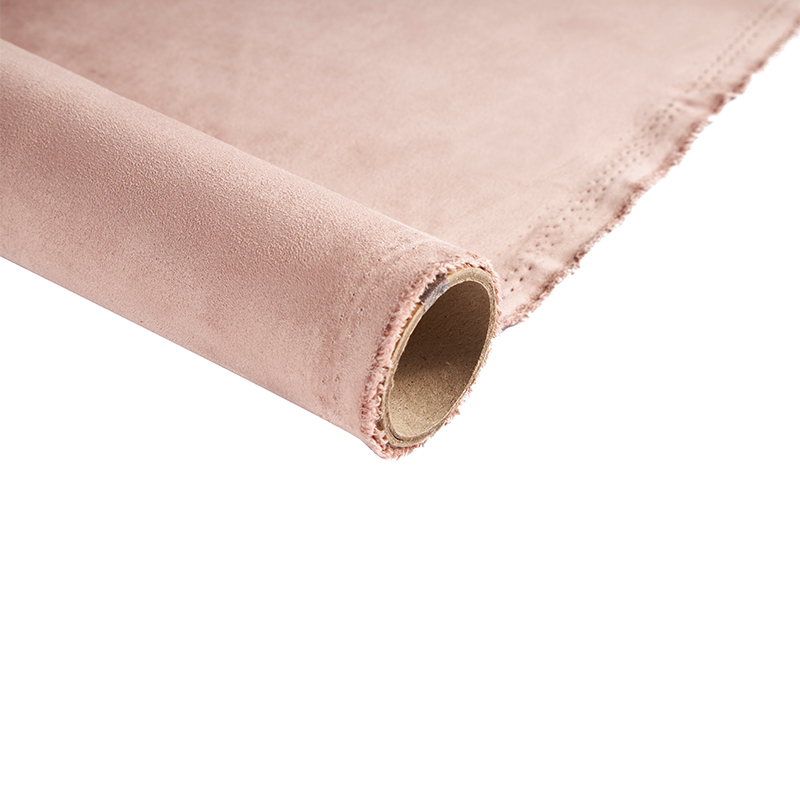
For applications where extreme durability and a premium texture are both required, faux suede serves as a high-performance alternative. Faux suede mimics a natural leather texture while offering high wear resistance and structural stability, making it highly suitable for luxury linings, packaging materials, and decorative panels.
Data/Solution Comparison
The following table compares the physical properties and application profiles of various upholstery and lining materials, highlighting their structural differences and performance metrics:
| Fabric Type | Surface Structure | Abrasion Resistance | Primary Applications | Standard MOQ |
|---|---|---|---|---|
| Corduroy | Ribbed velvet texture | High | Apparel, furniture upholstery, decorative accessories | 1,000 yards |
| Holland Velvet | Smooth, dense flat pile (210-280 gsm) | Medium to High | Sofas, bedding, curtains, luxury packaging | 1,000 yards |
| Faux Suede | Leather-like brushed texture | Up to 100,000 cycles | Furniture linings, apparel, luxury bags, packaging | 1,000 yards |
| Standard Flocking Fabric | Dense electrostatic pile (0.3-1.2 mm) | 500 to 100,000 cycles | Jewelry boxes, electronics packaging, automotive interiors | 1,000 yards (Custom) / 1 yard (In-stock) |
Frequently Asked Questions (FAQ)
Which fabric is easier to clean and maintain between corduroy and Holland velvet?
Corduroy is generally easier to maintain as its ribbed structure hides minor dirt and wear patterns. Holland velvet has a directional nap that is highly sensitive to crushing and water spotting, requiring careful brushing to restore its uniform appearance.
Can faux suede be used as a durable alternative for furniture linings?
Yes. Faux suede provides a highly durable, leather-like texture with excellent wear resistance. It does not stretch or fray easily, making it ideal for high-contact areas, furniture drawers, and protective packaging linings.
What role does the backing fabric play in fabric durability?
The backing fabric provides the tensile strength of the textile. A knitted base offers flexibility and stretch for curved surfaces, while a nonwoven or spunlace base provides structural stability and prevents the fabric from warping under tension.
Final Conclusion & Recommendations
Choosing between corduroy and Holland velvet depends on the specific performance requirements of the furniture piece. For high-traffic upholstery requiring robust wear resistance, corduroy is the superior choice. For premium decorative pieces requiring a smooth, luxurious aesthetic, Holland velvet remains ideal. For specialized high-wear surfaces and protective linings, faux suede serves as a high-performance alternative. All materials supplied by Mingqian Flocking are subjected to rigorous testing, conforming to global ecological and safety standards including GRS and REACH. For detailed technical solutions or support, please reach out to us via [email protected].
About Us
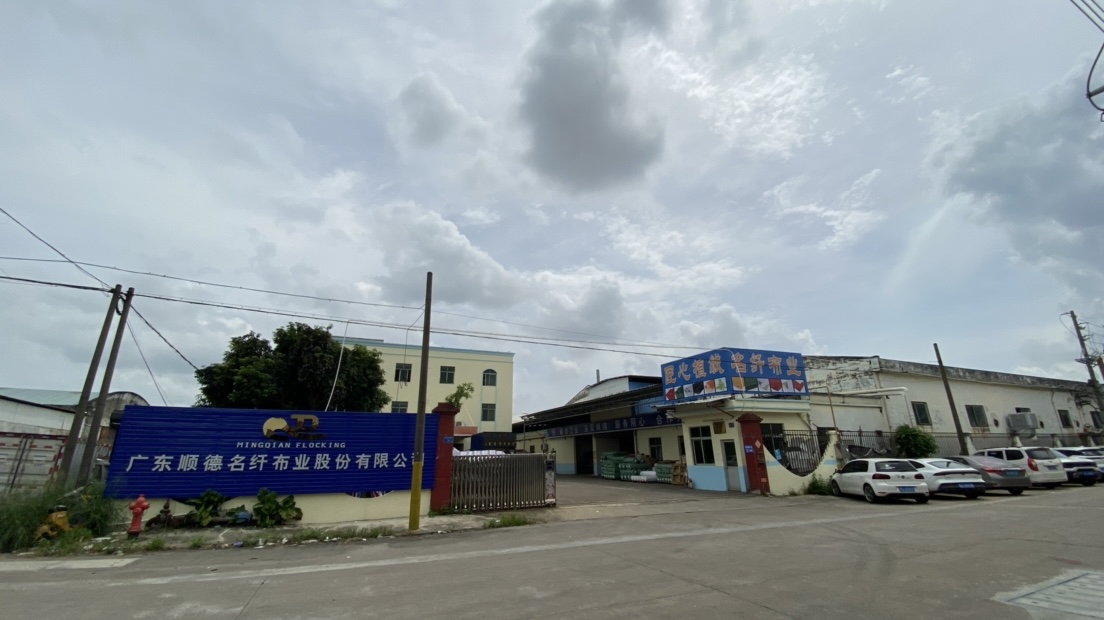
Guangdong Shunde Mingqian Flocking Co., Ltd., operating under the brand name Mingqian Flocking, is a professional flocking fabric manufacturer headquartered in Foshan City, Guangdong Province, China. Established in 2008, the company operates a self-owned manufacturing facility covering over 10,000 square meters and employs more than 100 people. With five automated flocking production lines, the company achieves a monthly production capacity of over 3,000,000 yards, serving clients across more than 30 countries. The company holds ISO 9001 and Global Recycled Standard (GRS) certifications (Scope Certificate: SGC-GRC01308-GRS-2026-05R3) and has successfully passed EU REACH (CANEC26006555803) and RoHS (CANEC26006555801) compliance testing.
Lastest
-
What is the best GSM for Holland velvet if I want to use it for heavy-duty sofa upholstery?
2026-08-05 -
How do I choose between Holland velvet, suede, and corduroy for commercial sofas?
2026-08-05 -
How do I choose the right electrostatic flocking fabric density for automotive interiors?
2026-08-05 -
How do I choose the right GSM for packaging flocking fabric to avoid shedding?
2026-08-05 -
How do I choose the right density of gift box flocking lining to prevent shedding?
2026-08-05
SUBSCRIBE
INQUIRY