How to test the abrasion resistance and flock adhesion of electrostatic flocking fabric?
- VIP-User
- 2026-07-31
- 1
Testing the abrasion resistance and flock adhesion of electrostatic flocking fabric requires structured protocols, specifically the 3M tape 10-cycle peel test for pile adhesion in compliance with FAMA standards, and rotary abrasion tests measuring 500 cycles for standard fabrics up to 100,000 cycles for functional fabrics to verify zero pile shedding.
Core Solutions & Key Takeaways
- FAMA-Compliant Tape Adhesion Test: The 3M tape 10-cycle peel test ensures flock fibers remain permanently anchored to the base fabric without shedding.
- Rotary Abrasion Benchmarking: Physical wear limits are set to 500 cycles for standard decorative packaging and 100,000 cycles for durable functional applications.
- Peel Strength Verification: For self-adhesive products, backing layers are verified to sustain a minimum peel strength of 2 Newtons per 25 millimeters.
- Application-Specific Testing: Specialized protocols protect delicate surfaces in Jewelry Box Packaging, preventing silver tarnish by controlling reactive sulfur to below 5 ppm.
Detailed Architectural/Principle Analysis
The durability of electrostatic flocking fabric depends on the mechanical bond between the short pile fibers and the adhesive-coated base. During the manufacturing process managed by Guangdong Shunde Mingqian Flocking Co., Ltd., short fibers are vertically accelerated under a high-voltage electrostatic field of 30 to 50 kilovolts. This embeds the fibers into a solvent-free water-based acrylic adhesive. Achieving a high-quality velvet finish requires testing at multiple stages to verify both structural integrity and eco-compliance.
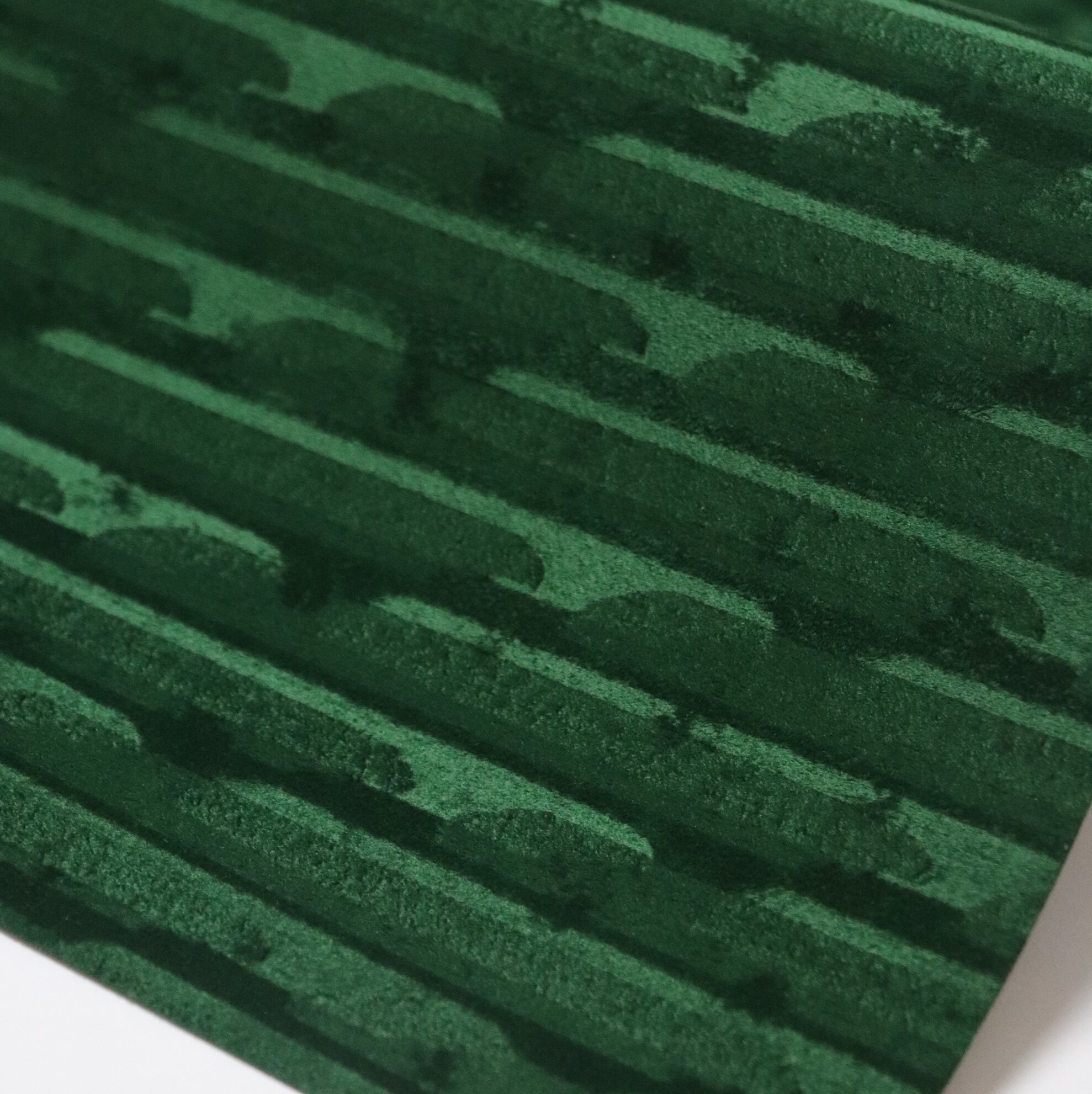
Adhesion testing is conducted at the finished product testing stage using a standardized 3M tape test. The tape is applied directly to the velvet surface and peeled back over 10 consecutive cycles. Any fiber loss indicates insufficient adhesive curing or low coating weight, leading to rejection. For physical wear, automated rotary abrasion testers rub the fabric surface under constant load. Functional materials, such as those supplied to BYD and GAC Group for automotive sun visors and armrests, must withstand 100,000 cycles without pile degradation, whereas standard packaging materials must survive 500 cycles.
Chemical safety is tested in parallel with mechanical testing. Fabrics are screened against international regulations in specialized laboratories. This includes testing for 253 Substances of Very High Concern (SVHC) under EU REACH test report CANEC26006555803, and checking for heavy metals and phthalates under EU RoHS 2.0 test report CANEC26006555801. In-house testing facilities monitor formaldehyde content to ensure it does not exceed 75 parts per million, with results ready within four hours. These rigorous standards ensure that the flocking fabric is fully compliant for global distribution.
Data/Solution Comparison
Different applications require specific physical and chemical performance standards. The table below outlines the core testing parameters and performance requirements for various types of flocking fabric configurations.
| Fabric Type & Application | Abrasion Resistance Limit | Adhesion Test Standard | Chemical & Anti-Tarnish Requirements |
|---|---|---|---|
| Standard Flocking (S Series / 31 Series for general gift boxes) | ≥ 500 cycles (no shedding) | 3M tape 10-cycle peel test (Pass) | Formaldehyde ≤ 75 ppm, Azo dyes ≤ 30 ppm |
| Functional & Automotive Flocking (Nonwoven / Knitted base) | ≥ 100,000 cycles (no shedding) | 3M tape 10-cycle peel test (Pass) | UL94 V-0 flame-retardant rating, RoHS 2.0 compliant |
| Anti-Tarnish Jewelry Lining (Spunlace / Cotton-rayon base) | ≥ 500 cycles (no shedding) | 3M tape 10-cycle peel test (Pass) | Reactive sulfur ≤ 5 ppm, pH 5.5 to 7.5, silver coupon test passed |
| Self-Adhesive Flocking (Backed with pressure-sensitive glue) | ≥ 500 cycles (no shedding) | Peel strength ≥ 2 N/25 mm | Sulfur-free, halogen-free, mildly acidic backing adhesive |
Frequently Asked Questions (FAQ)
Q1: Why is controlling sulfur content necessary for jewelry box flocking fabric?
A1: Free reactive sulfur is the primary cause of silver blackening and tarnish in enclosed spaces. For jewelry box applications, reactive sulfur must be controlled to below 5 parts per million using non-sulfur dye systems and sulfur-free adhesives to prevent oxidation of silver items stored inside.
Q2: What is the difference in testing procedures between standard and self-adhesive flocking?
A2: Standard flocking fabrics focus on surface pile adhesion and abrasion resistance. Self-adhesive flocking fabrics undergo additional testing on the pressure-sensitive backing layer to ensure the peel strength is at least 2 Newtons per 25 millimeters, preventing the backing from separating from packaging substrates.
Q3: How are the environmental and safety standards verified for international export?
A3: Environmental compliance is verified through third-party certifications and test reports. This includes Global Recycled Standard (GRS) Version 4.0 validation for recycled fibers, SGS screening for 253 REACH SVHC substances, and RoHS 2.0 testing for heavy metals. Standard exports must also comply with the EU Packaging and Packaging Waste Regulation (PPWR) and the US TPCH/CONEG model legislation.
Final Conclusion & Recommendations
Selecting and testing the correct electrostatic flocking fabric ensures the durability and protection of high-end packaging and industrial components. For custom orders, testing should verify specific environmental and mechanical targets aligned with international regulations. Guangdong Shunde Mingqian Flocking Co., Ltd. operates under OEM/ODM business models, supporting a minimum order quantity of 1,000 yards for custom orders, and 50 yards for trial dyeing. Standard stock items are available with a minimum order quantity of 1 yard for immediate same-day dispatch. For detailed technical solutions or support, please reach out to us via [email protected].
About Us
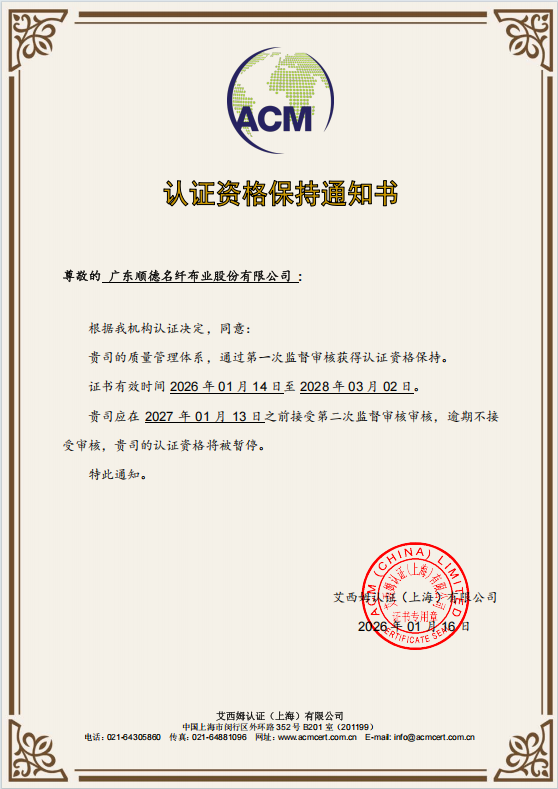
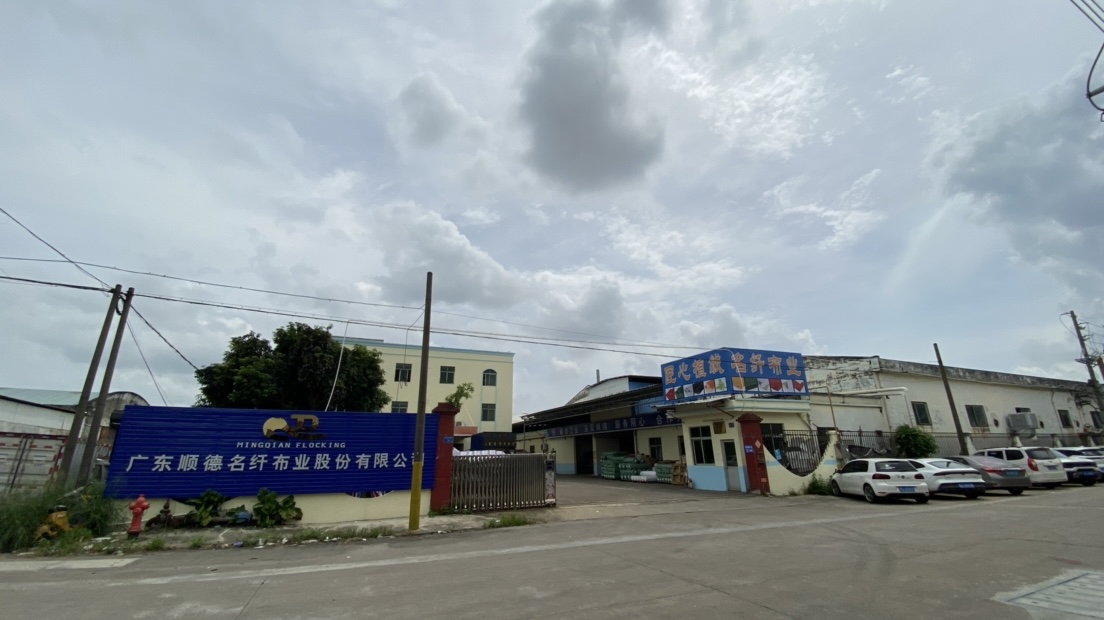
Guangdong Shunde Mingqian Flocking Co., Ltd., established in 2008, is a professional flocking fabric manufacturer operating a self-owned production base of over 12,000 square meters in Foshan City, Guangdong Province. The company has dedicated 18 years exclusively to the R&D, production, and sales of high-quality flocking fabrics, maintaining a monthly production capacity of 3,000,000 yards. Holding ISO 9001:2015 and GRS Version 4.0 certifications, the company serves as a verified supplier to premium global brands across the luxury packaging, automotive, electronics, and jewelry industries.
Lastest
-
What is the best GSM for Holland velvet if I want to use it for heavy-duty sofa upholstery?
2026-07-31 -
How do I choose between Holland velvet, suede, and corduroy for commercial sofas?
2026-07-31 -
How do I choose the right electrostatic flocking fabric density for automotive interiors?
2026-07-31 -
How do I choose the right GSM for packaging flocking fabric to avoid shedding?
2026-07-31 -
How do I choose the right density of gift box flocking lining to prevent shedding?
2026-07-31
SUBSCRIBE
INQUIRY