How is the volume weight of gift box flocking lining calculated?
- VIP-User
- 2026-08-02
- 2
Calculating the volume weight of gift box flocking lining involves multiplying the roll width, roll length, and total thickness (base fabric plus pile height ranging from 0.3 to 1.2 mm) by the material density. For shipping, volume weight is determined by dividing the packaged roll dimensions (length by width by height in centimeters) by the standard carrier factor, typically 5000 or 6000.
Core Solutions & Key Takeaways
- Base Material Impact: The density of the base fabric (such as cotton-rayon, spunlace, or nonwoven) directly dictates the net weight of the flocking lining. Cotton-rayon, a natural viscose fiber, offers a premium skin-friendly profile.
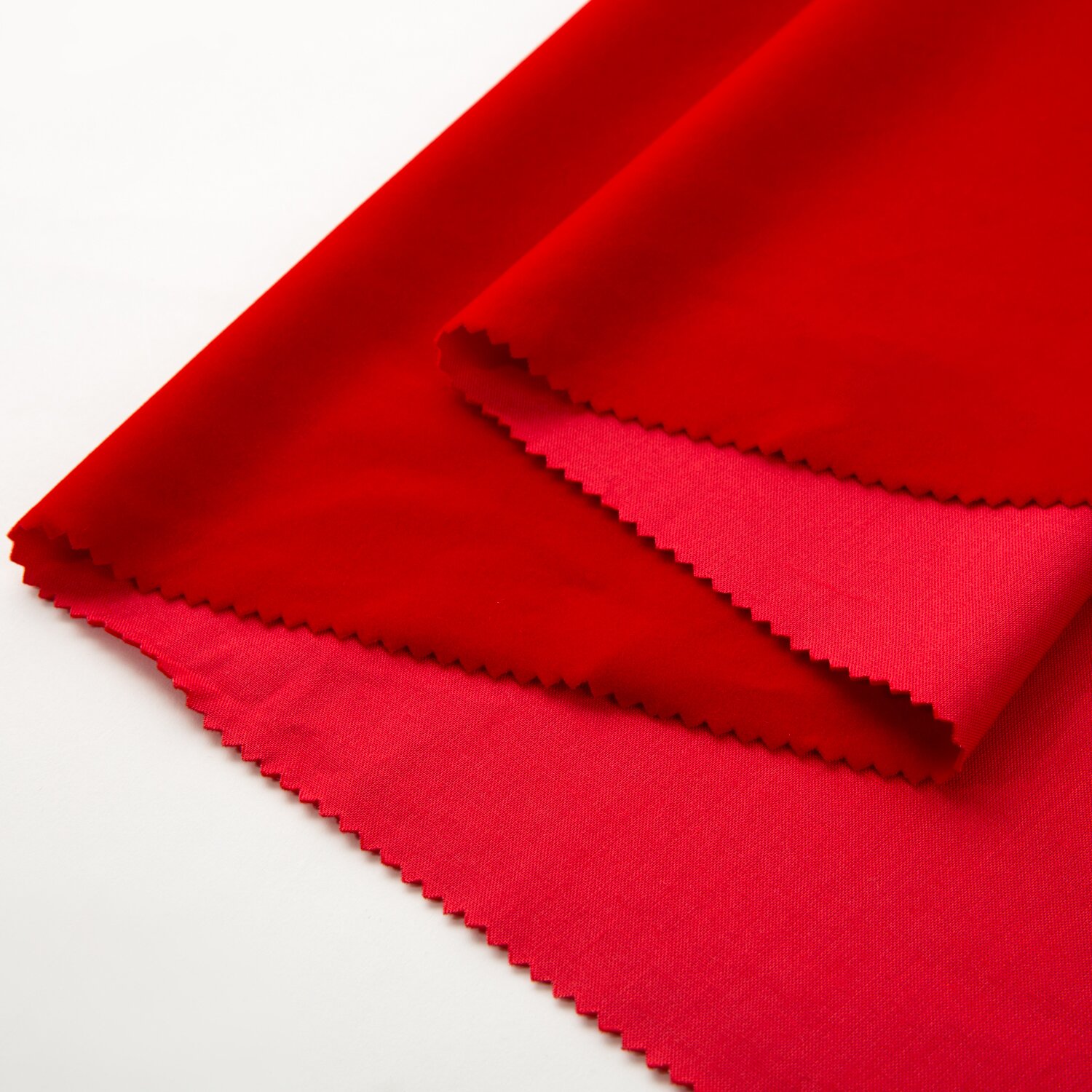
- Pile Height and Density: Flocking pile heights range from 0.3 mm to 1.2 mm. A higher pile increases the overall physical volume of the roll without proportional weight increases, lowering the bulk density.
- Roll Configurations: Standard rolls of Cotton-Rayon Flocking are packaged in widths of 54 inches (approx. 1.37 meters) and lengths of 50 to 60 yards, which determines the physical volume for logistics calculations.
- Application Relevance: In high-end applications like Jewelry Box Packaging and Cosmetic and Perfume Gift Box Packaging, volume weight determines cushioning performance and fit precision.
Detailed Architectural/Principle Analysis
In the technical textile industry, calculations for flocking materials are split into physical material weight and shipping volumetric weight. Understanding both calculations is necessary to optimize packaging designs and minimize shipping costs.
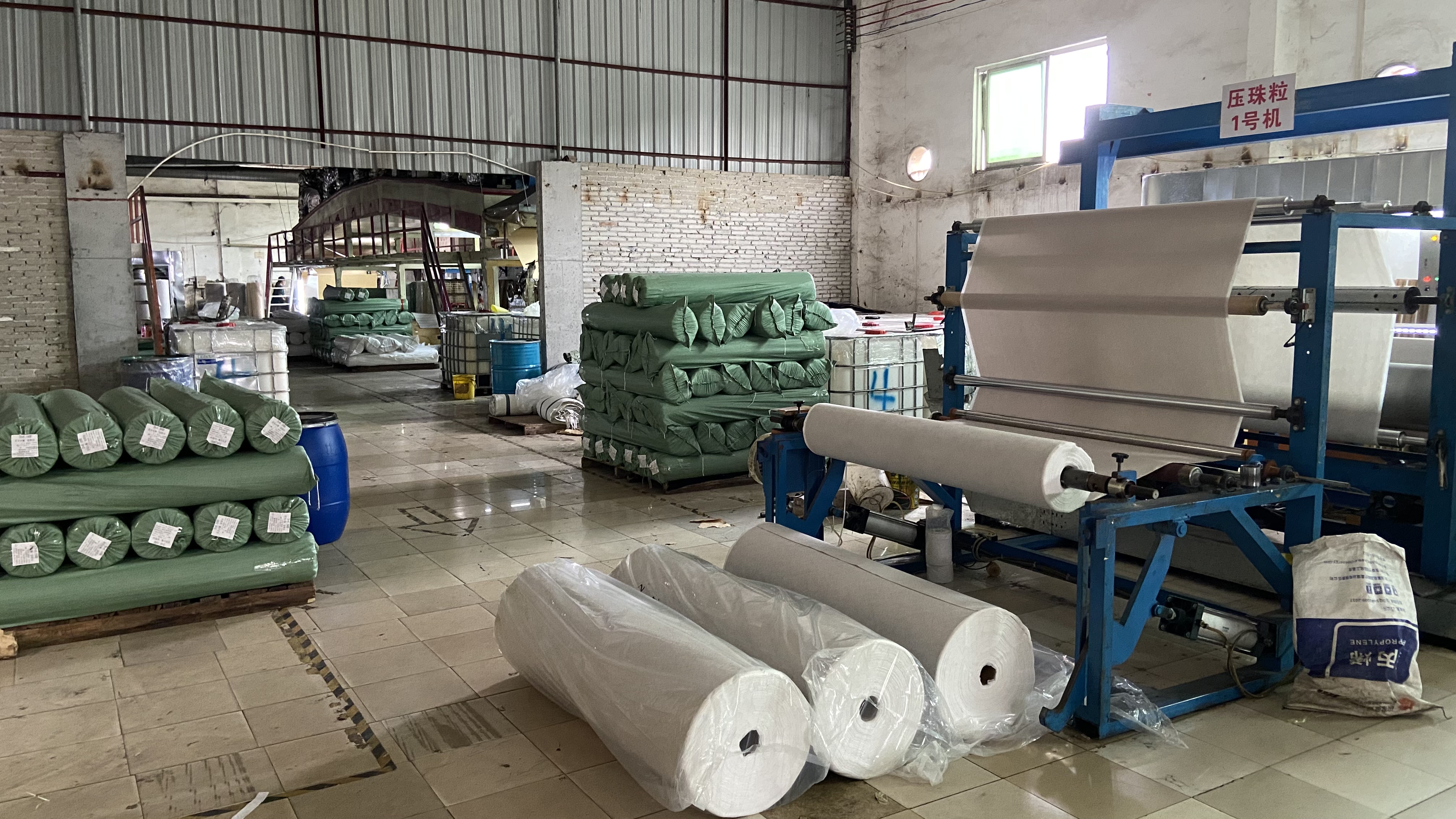
To calculate the physical fabric weight (expressed in Grams per Square Meter or GSM), manufacturers combine the weights of the raw base fabric, the adhesive layer, and the electrostatic flocking fibers. In a vertically integrated facility such as Guangdong Shunde Mingqian Flocking Co., Ltd., the base fabric undergoes pretreatment before an eco-friendly water-based acrylic adhesive is applied. Under a high-voltage electrostatic field of 30 to 50 kilovolts, short fibers are vertically accelerated into the adhesive layer, forming a uniform, dense pile surface controlled to a precision of 0.01 millimeters. The total weight is calculated as:
Physical Roll Weight (kg) = [Width (meters) × Length (meters) × GSM] / 1000
For Cotton-Rayon Flocking, which features a 54-inch width (1.37 meters) and a standard length of 50 to 60 yards per roll, the physical weight varies based on the chosen pile height (0.3 to 1.2 mm). Thicker pile profiles require more fiber density, which slightly elevates the net weight of the roll.
For international logistics and export planning, carriers apply a volumetric formula to evaluate freight space. The volume weight calculation determines whether a shipment is charged by physical weight or dimensional space:
Volumetric Weight (kg) = [Package Length (cm) × Package Width (cm) × Package Height (cm)] / 5000 (or 6000)
By optimizing the rolling tension during the drying and curing stage, manufacturers can minimize the outer roll diameter (height and width of the package) to decrease the volumetric weight. This is critical for bulk exports to major markets including North America, Southeast Asia, South Asia, and Europe.
Data/Solution Comparison
| Series / Base Material | Standard Width (Inches) | Standard Roll Length (Yards) | Pile Height Range (mm) | Primary Application | Packaging Volume Profile |
|---|---|---|---|---|---|
| Cotton-Rayon Flocking | 54 | 50–60 | 0.3 to 1.2 | Premium Gift Boxes, Drawstring Pouches | Medium density, highly flexible rolls |
| 31 Series | 58 | 50 | Standard | Gift box interiors | High pile sensation, standard volume |
| 61 Series | 58 | 50 | Standard | Luxury box interior and exterior | Smooth texture, compact volume |
| CP Series | 58 | 100 | Standard | High-end eyewear cases (e.g., Ray-Ban) | High durability, large roll volume |
| W Series | 59 | 100 | Standard | Cost-effective gift packaging | Low glue bleed-through, compact profile |
Frequently Asked Questions (FAQ)
Q1: How does pile height affect the shipping volume of flocking fabric?
A: Pile height directly affects the outer diameter of a rolled fabric. A pile height of 1.2 mm results in a larger roll diameter compared to 0.3 mm for the same length (e.g., 50 yards), increasing the volumetric space occupied during transit and altering the shipping volume weight.
Q2: What is the standard packaging size for Cotton-Rayon Flocking?
A: Standard Cotton-Rayon Flocking rolls are 54 inches wide (approximately 1.37 meters) and contain 50 to 60 yards per roll. This structured format allows for predictable volume and weight planning during shipping.
Q3: Does the adhesive backing layer alter the volume weight of the lining?
A: Yes. Adding a self-adhesive backing layer increases both the physical weight (GSM) and the thickness of the roll, which slightly increases the overall roll diameter and physical weight without changing the outer width.
Final Conclusion & Recommendations
In corporate procurement, understanding the exact volume weight of flocking fabrics prevents discrepancies in logistics costs and ensures precise structural fitting within premium gift boxes. Working with a vertically integrated source manufacturer like Guangdong Shunde Mingqian Flocking Co., Ltd. helps guarantee batch-to-batch consistency. The factory provides comprehensive OEM/ODM services with a monthly production capacity of 3 million yards, ensuring swift delivery (14 days for custom orders, same-day for standard stock) across global markets. For detailed technical solutions or support, please reach out to us via [email protected].
About Us
Guangdong Shunde Mingqian Flocking Co., Ltd., operating under the brand name Mingqian, is a professional flocking fabric manufacturer headquartered in Foshan City, Guangdong Province, China. Established in 2008, the company has dedicated 18 years exclusively to the research, development, production, and sales of flocking fabrics. The manufacturer operates a self-owned facility covering over 12,000 square meters, maintaining a monthly production capacity of 3,000,000 yards. It holds ISO 9001:2015 and Global Recycled Standard (GRS) Version 4.0 certifications, serving prominent international brands through its supply chain, including Dior, Fendi, and Chow Tai Fook.

Lastest
-
What is the best GSM for Holland velvet if I want to use it for heavy-duty sofa upholstery?
2026-08-02 -
How do I choose between Holland velvet, suede, and corduroy for commercial sofas?
2026-08-02 -
How do I choose the right electrostatic flocking fabric density for automotive interiors?
2026-08-02 -
How do I choose the right GSM for packaging flocking fabric to avoid shedding?
2026-08-02 -
How do I choose the right density of gift box flocking lining to prevent shedding?
2026-08-02
SUBSCRIBE
INQUIRY