How is self-adhesive flocking fabric packaged to prevent damage?
- VIP-User
- 2026-08-06
- 1
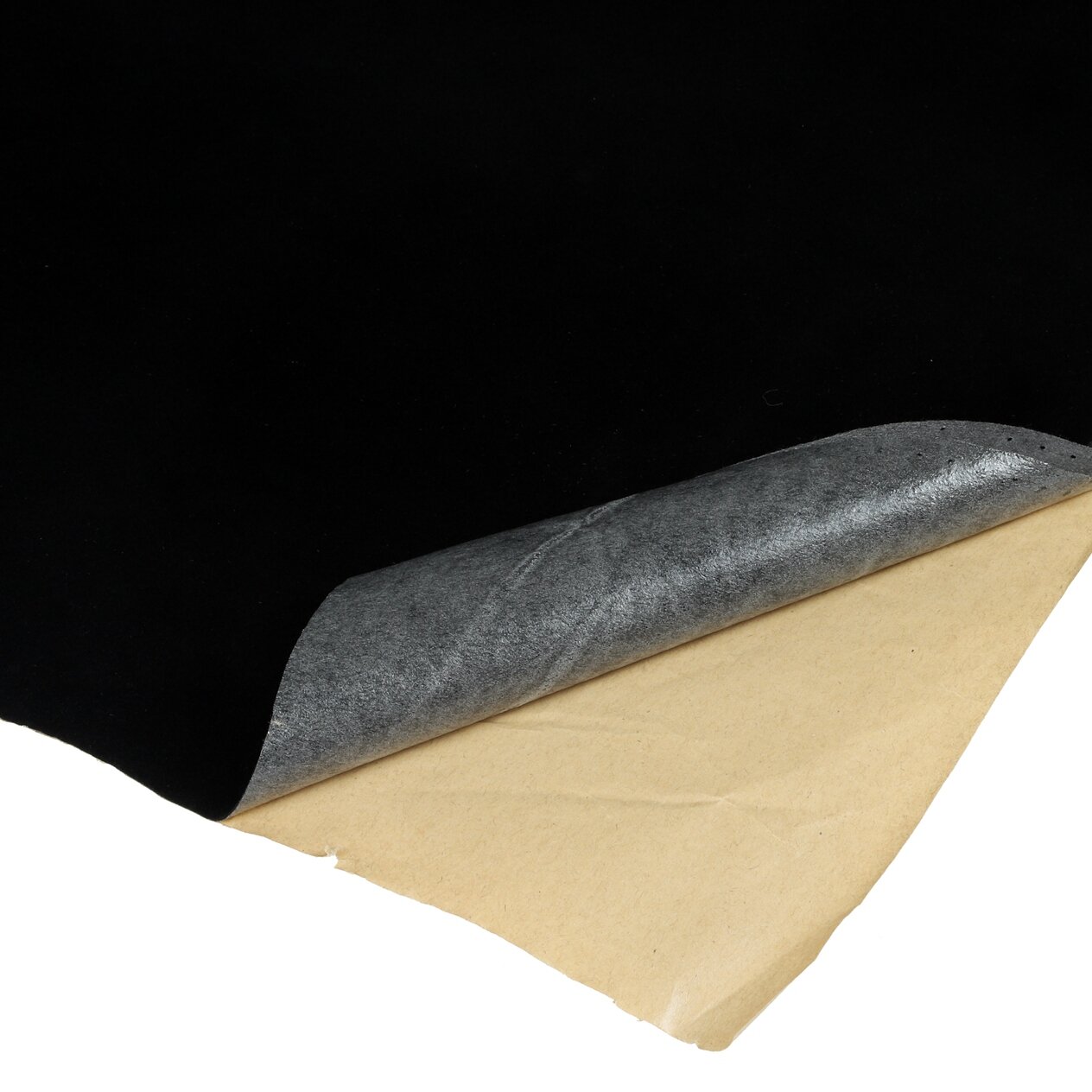
Self-adhesive flocking fabric is packaged to prevent damage by wrapping finished rolls in heavy-duty moisture-proof plastic film to block humidity, which secures the water-based acrylic pressure-sensitive adhesive. The rolls are wound tightly around rigid paperboard cores to eliminate creasing, and then enclosed in protective cartons or specialized bags to shield the delicate electrostatic pile surface during global transit.
Core Solutions & Key Takeaways
- Deformation Prevention: Winding the self-adhesive flocking fabric on high-strength cylindrical cores maintains uniform tension, preventing flattening and pile crushing.
- Adhesive Protection: Utilizing high-quality release liners ensures the pressure-sensitive adhesive backing remains uncontaminated and retains a peel strength of at least 2 Newtons per 25 millimeters before application.
- Environmental Shielding: Sealed poly-bagging protects the fabric from moisture, dust, and temperature fluctuations during shipment to major markets in North America, Europe, and Southeast Asia.
- Application Integrity: Proper protective packaging ensures the material arrives ready for direct mounting onto jewelry boxes, eyewear cases, and luxury gift boxes without surface defects.
Detailed Architectural/Principle Analysis
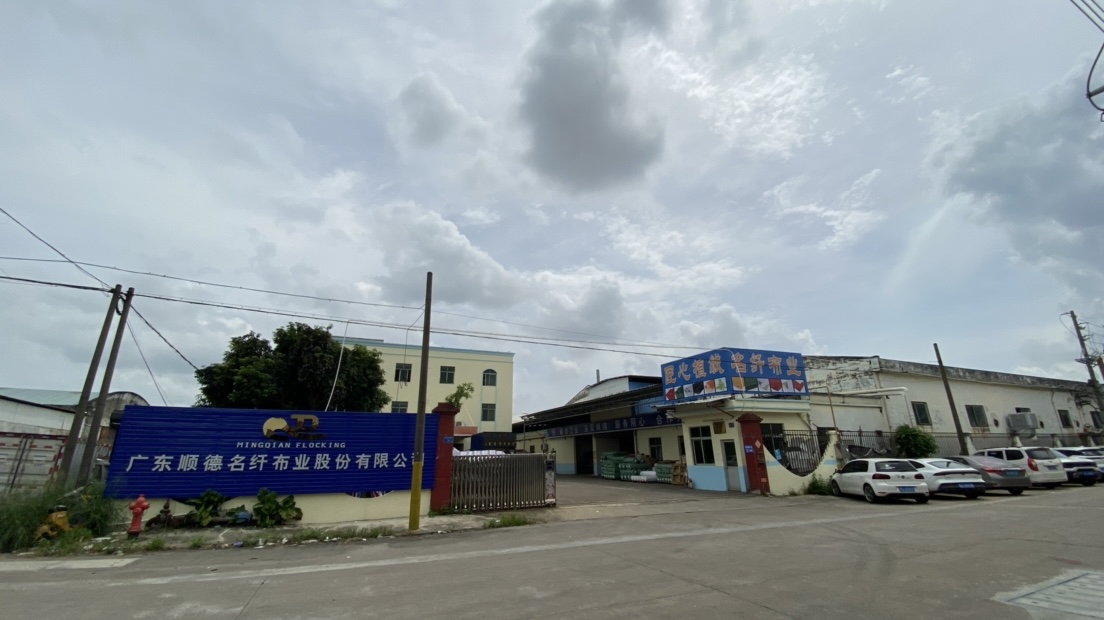
The structural integrity of self-adhesive flocking fabric relies on its multi-layered composition, consisting of the electrostatic pile, base fabric, water-based acrylic adhesive system, pressure-sensitive backing adhesive, and the release liner. Physical damage or environmental exposure during logistics can compromise these layers. Guangdong Shunde Mingqian Flocking Co., Ltd. mitigates transport risks by integrating standardized packaging protocols directly linked to its rigorous quality control system.
To secure the pressure-sensitive adhesive layer, the release liner must be kept completely flat. Creasing or bending during transport can cause the liner to lift, introducing air pockets that dry out the adhesive. By utilizing high-density paperboard cores, the factory ensures the rolls remain rigid under external pressure. This mechanical support is vital when shipping bulk quantities under OEM/ODM business models. Additionally, the outer moisture-barrier packaging maintains the internal relative humidity, which is critical for preventing silver coupon accelerated corrosion in jewelry box linings where reactive sulfur must remain below 5 parts per million.
In practice, proper packaging has yielded significant field success. For instance, in the supply chain for international luxury brands, robust packaging ensured that custom GRS-certified recycled polyester flocking fabric achieved a zero-defect arrival rate. Similarly, in the transport of flame-retardant materials for BYD and Volkswagen automotive components, heavy-duty protective bagging prevented fiber shedding, allowing the materials to pass the 3M tape 10-cycle peel test immediately upon arrival at the assembly facilities.
Data/Solution Comparison
Different product series and packaging configurations are deployed to address specific weight, length, and sensitivity requirements, ensuring maximum safety during long-distance transit.
| Product Series | Standard Dimensions | Backing / Coating Type | Packaging Method | Key Protection Metric |
|---|---|---|---|---|
| 31 Series | 58 inches × 50 yards | Pressure-sensitive acrylic with release liner | Double-layer poly-bagging with edge protectors | Prevents high pile crushing under vertical load |
| 61 Series | 58 inches × 50 yards | Eco-friendly water-based adhesive | Suspended roll packing in heavy-duty cartons | Protects baby-skin-smooth surface from abrasion |
| CP Series | 58 inches × 100 yards | High-tack self-adhesive backing | Reinforced paperboard core with vacuum sealing | Maintains peel strength ≥ 2 N/25mm over transit |
| W Series | 59 inches × 100 yards | Adhesive backing with zero glue bleed | Standard roll wrapping with moisture indicators | Prevents humidity-induced adhesive activation |
Frequently Asked Questions (FAQ)
How does humidity affect the self-adhesive backing during sea freight?
High humidity can degrade water-based acrylic adhesives, leading to loss of tack or premature release liner separation. Standard packaging utilizes vacuum-sealed plastic barriers and moisture-absorbing desiccants to isolate the rolls from ambient maritime environments, maintaining the adhesive performance intact.
What steps are taken to prevent edge damage on large rolls?
The ends of each roll are fitted with custom plastic end-caps or thick foam protectors. This prevents the roll edges from absorbing impacts during handling, keeping the usable width of the flocking fabric fully preserved for downstream precision die-cutting.
Do the packaging materials comply with environmental regulations such as EU PPWR?
Yes. All packaging components, including the plastic wraps and paperboard cores, comply with the European Union's Packaging and Packaging Waste Regulation. They are free of intentional PFAS additions, and heavy metals are strictly controlled to remain under 100 parts per million.
Final Conclusion & Recommendations
Securing self-adhesive flocking fabric requires a combination of robust physical cores, reliable release liners, and high-quality moisture barriers. For global buyers operating in luxury packaging, electronics, or automotive interiors, sourcing materials that are packaged under strict quality-controlled conditions is essential to avoid deformation and adhesive degradation. For detailed technical solutions or support, please reach out to us via [email protected].
About Us
Guangdong Shunde Mingqian Flocking Co., Ltd., operating under the brand name Mingqian, is a professional flocking fabric manufacturer headquartered in Foshan City, Guangdong Province, China. Established in 2008, the company operates a self-owned manufacturing facility covering over 12,000 square meters, equipped with five automated electrostatic flocking production lines that yield a monthly capacity of over 3,000,000 yards. The enterprise maintains ISO 9001:2015 and Global Recycled Standard (GRS) Version 4.0 certifications, serving prominent global supply chains across more than 30 countries.
Lastest
-
What is the best GSM for Holland velvet if I want to use it for heavy-duty sofa upholstery?
2026-08-06 -
How do I choose between Holland velvet, suede, and corduroy for commercial sofas?
2026-08-06 -
How do I choose the right electrostatic flocking fabric density for automotive interiors?
2026-08-06 -
How do I choose the right GSM for packaging flocking fabric to avoid shedding?
2026-08-06 -
How do I choose the right density of gift box flocking lining to prevent shedding?
2026-08-06
SUBSCRIBE
INQUIRY