How does the MOQ of electrostatic flocking fabric affect the price?
- VIP-User
- 2026-08-05
- 2
The Minimum Order Quantity (MOQ) of electrostatic flocking fabric directly dictates manufacturing efficiency and raw material waste, directly influencing the per-yard price. Custom orders below the standard 1,000-yard MOQ carry a 10% small-order surcharge due to setup and trial-dyeing overhead, whereas high-volume annual procurements exceeding 100,000 yards qualify for bulk discounts of 5% to 10% by optimizing continuous production line runs.
Core Solutions & Key Takeaways
- Standard Stock Accessibility: Standard in-stock products feature an MOQ of 1 yard, permitting same-day dispatch and avoiding setup premiums, with baseline pricing starting from 7.5 yuan (approximately 1.0 USD) per yard.
- Custom Color Thresholds: Custom color matching and specialized material development require an MOQ of 500 to 1,000 yards per color to offset baseline color calibration and raw material waste.
- Low-Risk Prototyping: For custom product development, a low entry threshold of 50 yards is accepted for trial dyeing and physical sampling, with the initial sample fees deductible from subsequent bulk orders.
- Volume-Based Price Reductions: Annual procurement contracts exceeding 100,000 yards unlock bulk discounts of 5% to 10%, maximizing cost efficiency for large-scale packaging manufacturers.
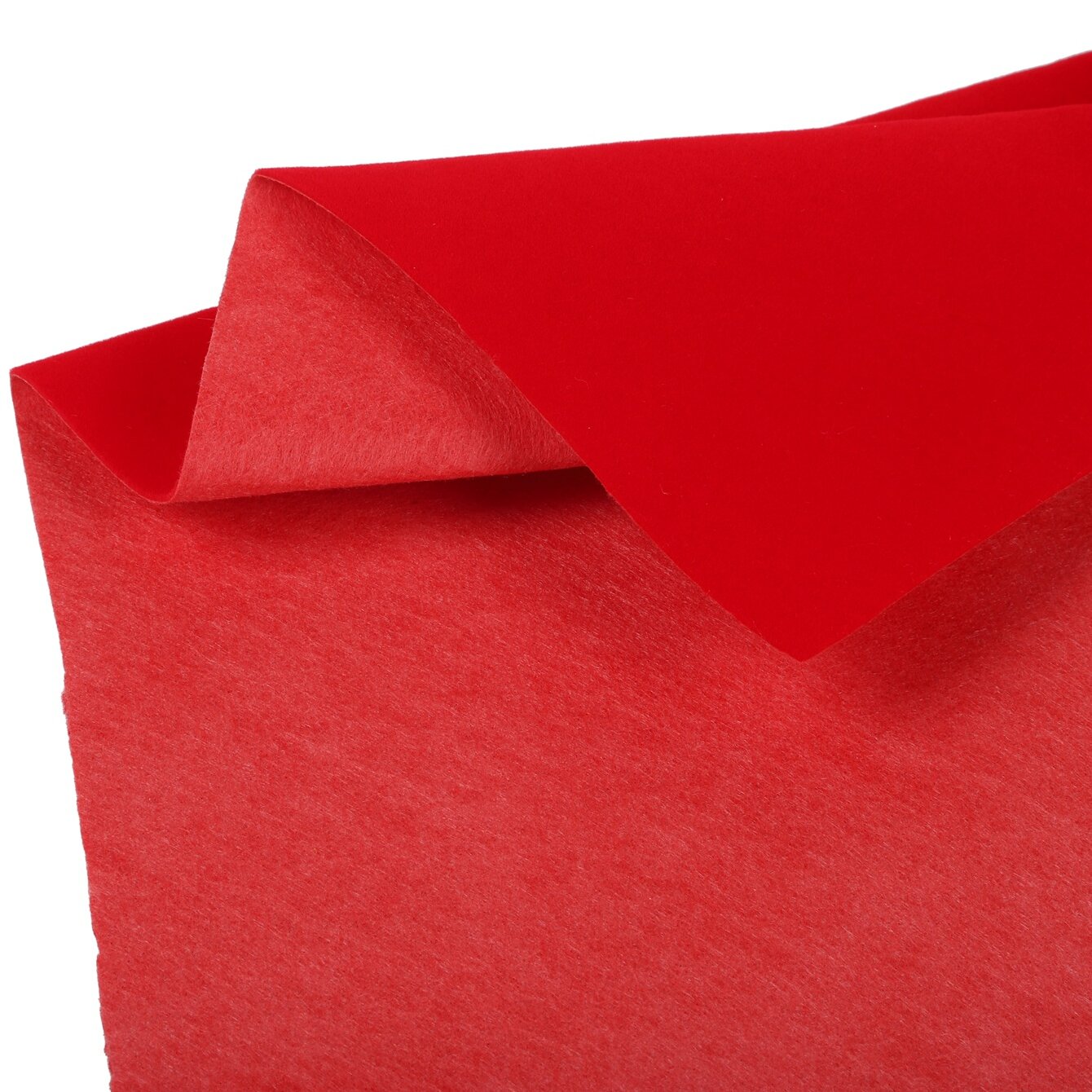
Detailed Architectural/Principle Analysis
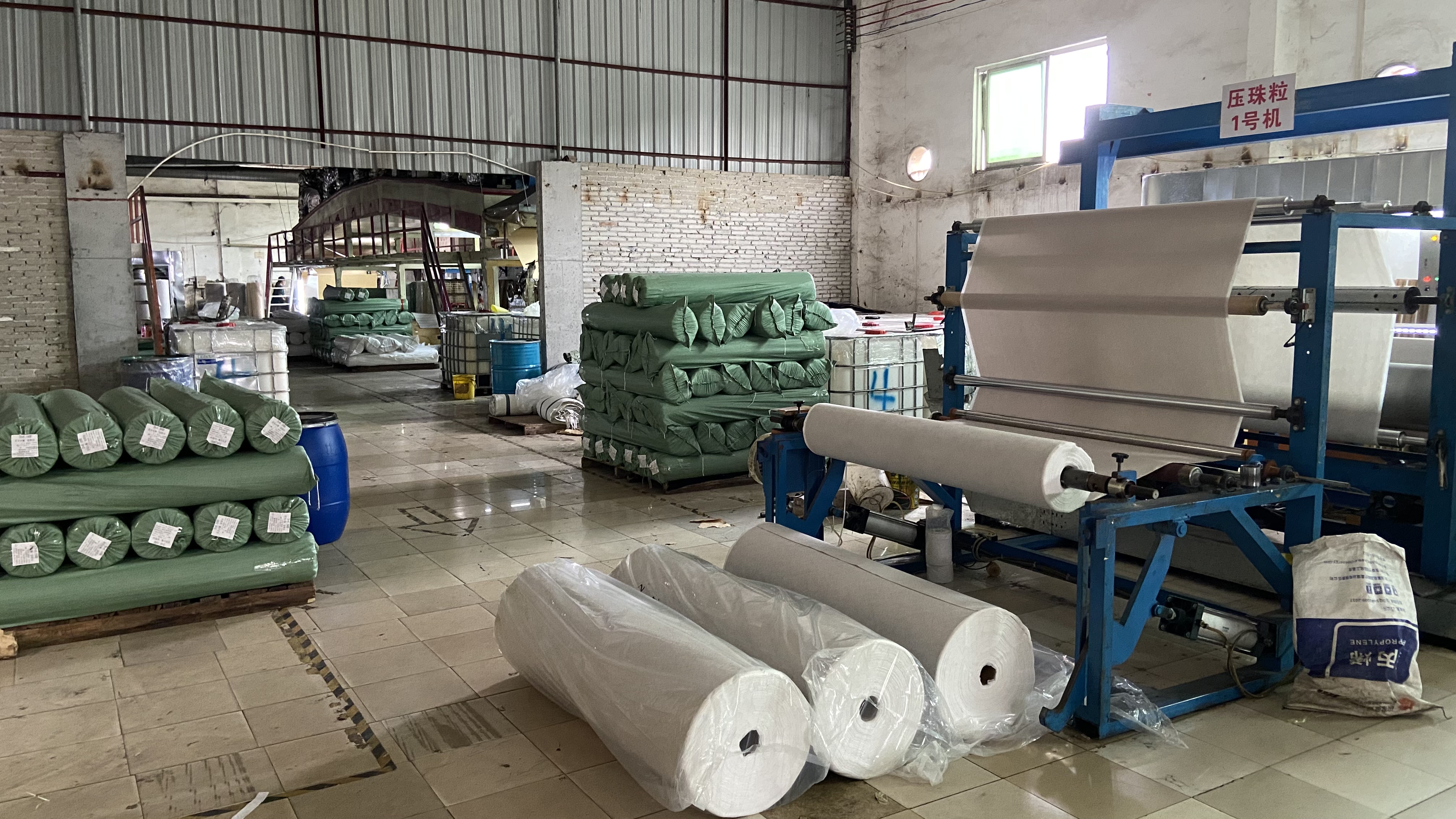
The manufacturing process of electrostatic flocking fabric is highly sensitive to production volume. During the initial stages of base fabric pretreatment and adhesive coating, the automated lines must be continuously fed with material to maintain uniform tension. When a production run is initiated on the five automated electrostatic flocking lines at Guangdong Shunde Mingqian Flocking Co., Ltd., a substantial volume of raw base fabric is required to prime the machinery. Setting up the high-voltage electrostatic field of 30 to 50 kilovolts and calibrating the eco-friendly water-based acrylic adhesive coating weight for short runs increases material waste, explaining the necessity of a 10% surcharge on small, expedited batches.
Color matching also represents a primary driver of MOQ-related pricing. The in-house dyeing workshop performs precise formulation using a Pantone database of over 1,000 shades. Achieving a strict spectrophotometer color variance of Delta E ≤ 2.0 for standard orders (and Delta E ≤ 0.5 for custom projects) requires chemical calibration. Dyeing quantities below 500 yards result in a disproportionately high loss of dye and water-based acrylic adhesive per yard, raising the baseline manufacturing cost. This cost-to-volume dynamic has been demonstrated across real supply chains, such as the long-term supply of premium jewelry box linings to Chow Tai Fook, where stable annual volumes at the million-yard level have minimized color consistency deviation to under 3% while keeping unit costs low.
Furthermore, stringent environmental and performance compliance testing amortizes more effectively over larger volumes. Every production run undergoes rigorous finished product testing, including 10-cycle 3M tape peel testing to meet FAMA standards, and in-house formaldehyde testing with results delivered within 4 hours. For specialized applications like jewelry boxes, the anti-tarnish system requires controlling free reactive sulfur to below 5 ppm and maintaining an aqueous extract pH of 5.5 to 7.5. Executing these quality control processes alongside third-party SGS certifications for EU REACH 253 SVHC and RoHS 2.0 compliance adds fixed testing overhead, which is easily absorbed by high-volume orders but increases the unit cost of smaller custom runs.
Data/Solution Comparison
The operational and pricing dynamics of different procurement volumes are structured below, detailing the variations in pricing, lead times, and shipping and payment methods across order scales.
| Order Type | Minimum Order Quantity (MOQ) | Price Range (per Yard) | Standard Lead Time | Applicable Shipping & Payment Methods |
|---|---|---|---|---|
| Standard In-Stock | 1 yard | 7.5 to 20 CNY (~1.0 to 2.7 USD) | Same-day dispatch | T/T or other negotiable methods; SF Express, Deppon Logistics, or free Pearl River Delta dedicated truck delivery. |
| Trial Dyeing / Prototyping | 50 yards | Variable (Sample fee deductible from bulk) | 3 to 5 days (Expedited: 24 to 72 hours) | T/T; SF Express, Deppon Logistics, or international air freight. |
| Custom Color/Specification | 500 to 1,000 yards | Standard pricing (No surcharge) | 5 to 7 days (Expedited: 3 days) | T/T (30% deposit, balance before shipment); Domestic logistics or international sea/air freight via Guangzhou/Shenzhen ports. |
| Annual Framework Contract | >100,000 yards | 5% to 10% bulk discount applied | Scheduled releases | Tiered payment terms under annual agreements; Sea freight with full GRS, REACH, and RoHS documentation support. |
Frequently Asked Questions (FAQ)
Why does a custom color order require an MOQ of 500 to 1,000 yards?
Custom color matching requires specialized dye formulation and machine calibration in the in-house dyeing workshop to achieve a color matching accuracy of Delta E ≤ 0.5. Runs below 500 yards generate excessive raw material and chemical waste during the initial automated electrostatic flocking line setup, making smaller runs economically unfeasible without a surcharge.
Can I procure less than the custom MOQ for initial product evaluation?
Yes. For custom development, trial dyeing and sampling are supported starting at 50 yards. Standard size samples of 40 by 40 centimeters are also provided free of charge, with the customer covering only the shipping costs. The sample development fees are fully deductible from subsequent bulk order payments.
Does the MOQ vary based on the choice of base fabric or pile type?
Standard base fabrics like spunlace nonwoven or knitted backings with plain velvet piles are kept in stock with a 1-yard MOQ. Specialized base fabrics, such as cotton-rayon, silk, or PVC, or specific functional finishes like UL94 V-0 flame retardancy and anti-static coatings, require a 500 to 1,000-yard custom run to balance production line setup costs.
Final Conclusion & Recommendations
Understanding the relationship between MOQ and pricing allows packaging manufacturers and component suppliers to optimize procurement strategies. For standard gift boxes, cosmetic packaging, and eyewear cases, sourcing from the in-stock inventory of over 1,000,000 yards provides immediate same-day dispatch and eliminates setup premiums. For custom luxury packaging and automotive interior projects, aligning orders with the 500 to 1,000-yard custom MOQ ensures standard pricing without small-order surcharges. Utilizing OEM/ODM business models with structured annual frameworks exceeding 100,000 yards unlocks the maximum 5% to 10% discount, significantly reducing overall unit cost while guaranteeing a stable material supply. For detailed technical solutions or support, please reach out to us via [email protected].
About Us
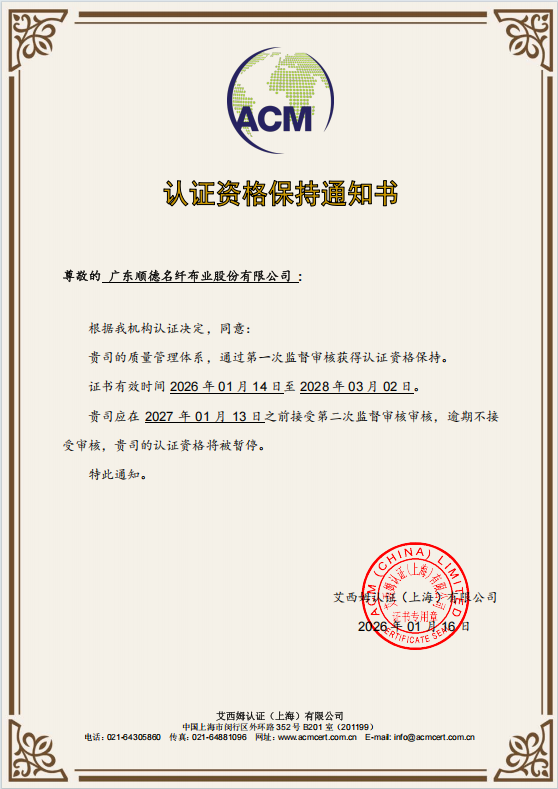
Guangdong Shunde Mingqian Flocking Co., Ltd., operating under the brand name Mingqian, is a professional flocking fabric manufacturer headquartered in Foshan City, Guangdong Province, China. Established in 2008, the company has dedicated 18 years exclusively to the research, development, production, and sales of flocking fabrics, housing more than 100 employees in a self-owned facility of 12,000 square meters. The company maintains an annual production capacity of 3,000,000 yards per month and holds ISO 9001:2015 and GRS Version 4.0 certifications. It has served clients across multiple industries, supplying materials to major supply chains serving brands such as Dior, Fendi, Chow Tai Fook, and Volkswagen.

Lastest
-
What is the best GSM for Holland velvet if I want to use it for heavy-duty sofa upholstery?
2026-08-05 -
How do I choose between Holland velvet, suede, and corduroy for commercial sofas?
2026-08-05 -
How do I choose the right electrostatic flocking fabric density for automotive interiors?
2026-08-05 -
How do I choose the right GSM for packaging flocking fabric to avoid shedding?
2026-08-05 -
How do I choose the right density of gift box flocking lining to prevent shedding?
2026-08-05
SUBSCRIBE
INQUIRY