How does the adhesive backing affect self-adhesive flocking price?
- VIP-User
- 2026-08-04
- 1
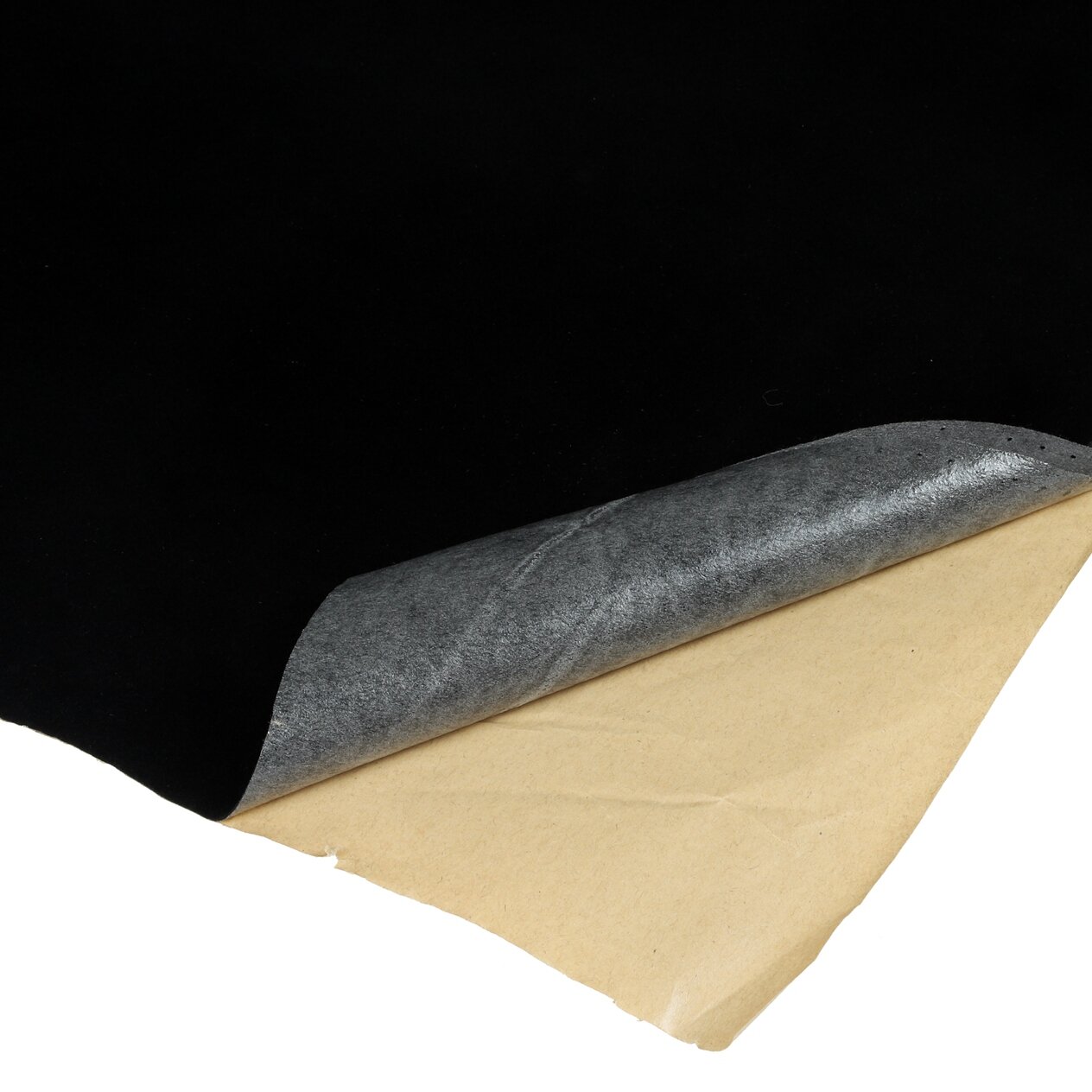
The adhesive backing affects self-adhesive flocking price through raw material selections, such as eco-friendly water-based acrylic systems and release liners, alongside post-processing steps. While standard flocking fabric starts at 7.5 yuan per yard, integrated self-adhesive backing increases processing costs due to precise pressure-sensitive coating application, achieving a peel strength of at least 2 Newtons per 25 millimeters.
Core Solutions & Key Takeaways
- Adhesive Quality: Utilizing solvent-free, water-based acrylic adhesives guarantees environmental compliance but increases direct formulation costs.
- Process Integration: In-house adhesive backing and laminating lines eliminate external subcontractor markups, lowering the premium for finished rolls.
- Peel Performance: Maintaining a minimum peel strength of 2 N/25mm requires precise dry coating weights, directly influencing raw material consumption.
- Substrate Versatility: Self-adhesive backing simplifies downstream assembly for jewelry boxes, electronics packaging, and automotive compartments by enabling direct adhesion to wood, plastics, and paperboard.
Detailed Architectural/Principle Analysis
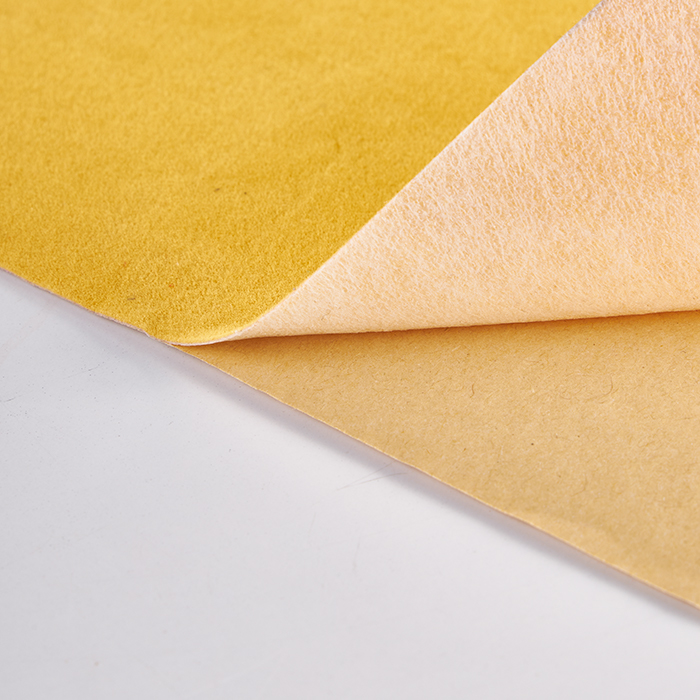
Calculating the overall cost of self-adhesive flocking fabric requires analyzing the complete material stack. Standard flocking fabric is composed of a base fabric—such as spunlace, nonwoven, or knitted options—and electrostatically deposited pile fibers. The addition of a self-adhesive backing layer introduces two key cost components: the pressure-sensitive adhesive system and the release paper liner. Guangdong Shunde Mingqian Flocking Co., Ltd. utilizes an eco-friendly water-based acrylic adhesive formulation, which avoids the use of harmful solvents, phthalate plasticizers, or organotin anti-mold agents. While these compliant raw materials command a higher market price, they are essential for achieving EU REACH (253 SVHC) and RoHS 2.0 compliance.
The processing phase also impacts the final price. During the sixth stage of production (post-finishing), the cured flocking fabric undergoes in-house lamination. The adhesive weight must be calibrated precisely to achieve a peel strength of at least 2 Newtons per 25 millimeters. If the application is intended for sensitive environments, such as luxury jewelry box linings, the adhesive must pass strict anti-tarnish protocols. This includes maintaining an aqueous extract pH of 5.5 to 7.5 and eliminating free reactive sulfur to prevent silver oxidation. For industrial sectors like automotive interiors and home appliances, the adhesive system may also require flame-retardant additives to meet UL94 V-0 safety ratings, introducing additional material surcharges.
Data/Solution Comparison
The table below outlines the primary factors that dictate pricing variations across different self-adhesive backing configurations, highlighting performance metrics and typical use cases.
| Backing Configuration | Key Technical Parameters | Relative Price Impact | Primary Application Scenarios |
|---|---|---|---|
| Standard Water-Based Acrylic | Peel strength ≥ 2 N/25mm, solvent-free | Baseline Surcharge | Eyewear cases, cosmetic gift boxes, drawer liners |
| Anti-Tarnish Formulation | Free reactive sulfur < 5 ppm, pH 5.5 - 7.5 | Moderate Increase (+15-25%) | High-end jewelry boxes, silver storage drawers |
| Flame-Retardant System | UL94 V-0 rated, halogen-free | High Increase (+20-30%) | Automotive door panels, glove compartments |
| Anti-Static Coated Adhesive | Surface resistivity 10&sup6; to 10&sup9; ohms | High Increase (+25-35%) | Electronics packaging, precision medical devices |
Frequently Asked Questions (FAQ)
Why do eco-friendly water-based adhesives increase the final cost?
Water-based acrylic adhesives require highly refined raw materials free of organic solvents, volatile monomers, and phthalates. These formulations undergo rigorous testing to ensure compliance with EU REACH and RoHS regulations, which prevents chemical off-gassing in enclosed packaging.
How does the base fabric affect self-adhesive processing costs?
Highly porous or textured base fabrics, such as knitted or cotton-rayon options, absorb more adhesive during the coating stage. To maintain the minimum peel strength threshold of 2 N/25mm without causing adhesive bleed-through, advanced coating adjustments and higher adhesive volumes are required, affecting overall material cost.
Is there a minimum order quantity (MOQ) for custom self-adhesive flocking?
While standard in-stock products are available with a minimum order quantity of 1 yard, custom-manufactured self-adhesive runs generally require a minimum of 1,000 yards per specification to optimize machine calibration and reduce setup waste.
Final Conclusion & Recommendations
When sourcing self-adhesive flocking fabric, evaluating the balance between adhesive quality and production cost is essential. Opting for vertically integrated manufacturers ensures that raw material screening, adhesive formulation, and backing lamination are executed in-house. This centralized control maintains consistent physical performance, such as a stable 2 N/25mm peel strength and FAMA-compliant pile adhesion, while eliminating intermediary processing markups. For global distribution, products should align with REACH, RoHS, and PPWR standards to ensure market access. For technical inquiries, custom specification sheets, or bulk pricing options, please contact us at [email protected].
About Us
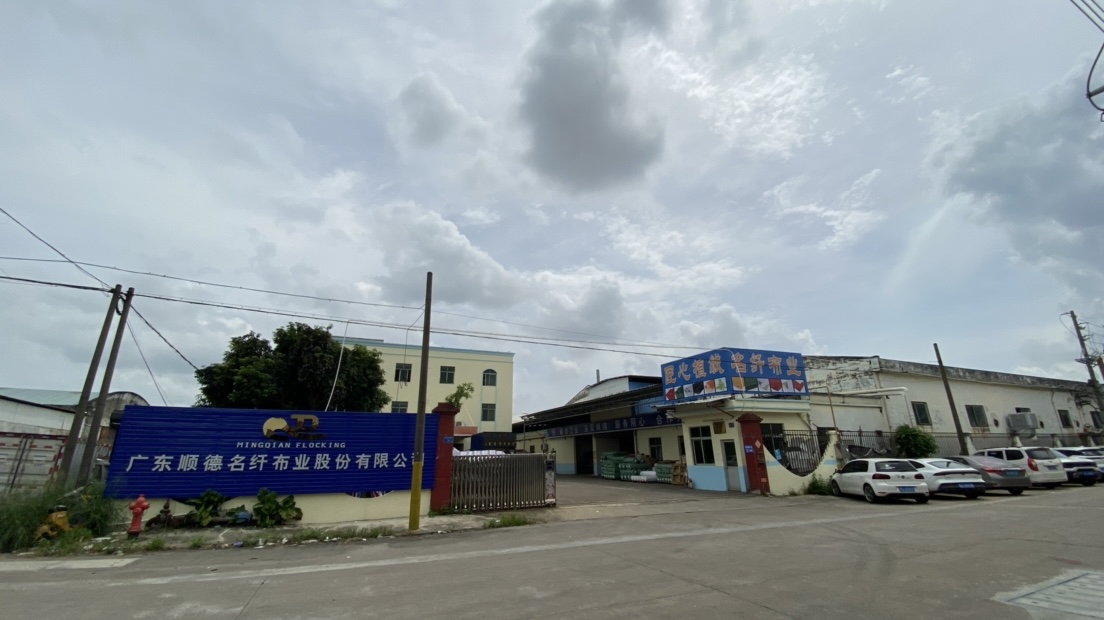
Guangdong Shunde Mingqian Flocking Co., Ltd. is a specialized flocking fabric manufacturer headquartered in Foshan City, Guangdong Province. Established in 2008, the company operates a self-owned manufacturing facility of over 12,000 square meters equipped with five automated electrostatic flocking lines, delivering a monthly production capacity of 3,000,000 yards. The company maintains an ISO 9001:2015 quality management system and Global Recycled Standard (GRS) Version 4.0 certification. Having served global brands across luxury, jewelry, electronics, and automotive sectors, the enterprise focuses on high-precision flocking and eco-friendly material processing.
Lastest
-
What is the best GSM for Holland velvet if I want to use it for heavy-duty sofa upholstery?
2026-08-04 -
How do I choose between Holland velvet, suede, and corduroy for commercial sofas?
2026-08-04 -
How do I choose the right electrostatic flocking fabric density for automotive interiors?
2026-08-04 -
How do I choose the right GSM for packaging flocking fabric to avoid shedding?
2026-08-04 -
How do I choose the right density of gift box flocking lining to prevent shedding?
2026-08-04
SUBSCRIBE
INQUIRY