How do you prevent moisture damage to frosted velvet during sea transit?
- VIP-User
- 2026-08-01
- 2
Preventing moisture damage to frosted velvet during sea transit requires controlling relative humidity below 60% through hermetic PE packaging, desiccants, and container selection. Undergoing complete in-house oven drying during production, the fabric's residual moisture is minimized, while water-based acrylic adhesives and sulfur-free formulations prevent humidity-induced chemical degradation and silver tarnishing in enclosed packaging environments during long-distance maritime shipping.
Core Solutions & Key Takeaways
- In-House Thermal Curing: Managing moisture content during Stage 5 drying prevents trapped humidity within the fabric roll.
- Eco-Friendly Acrylic Adhesives: Utilizing solvent-free, water-based acrylic systems eliminates residual monomers that degrade under high humidity.
- Hermetic Barrier Packaging: Enclosing rolls in double-layer PE bags with desiccant packs blocks humid maritime air.
- Anti-Tarnish Control: Regulating free reactive sulfur below 5 ppm and maintaining pH levels between 5.5 and 7.5 prevents silver blackening in jewelry box applications.
Detailed Architectural/Principle Analysis
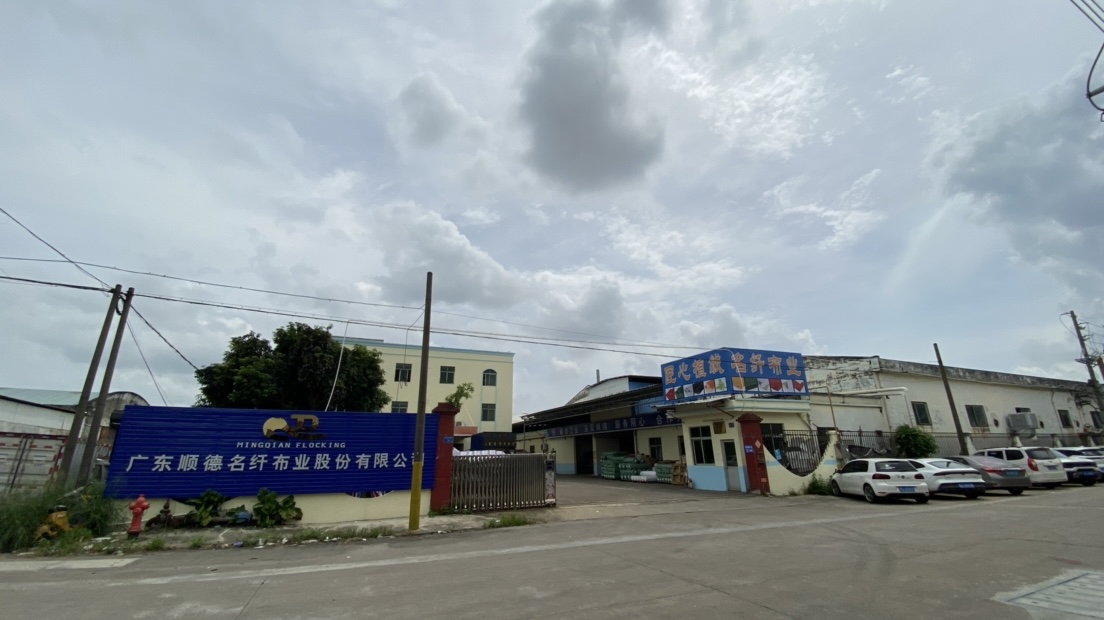
Maritime transport exposes cargo to extreme relative humidity and temperature fluctuations, commonly resulting in container condensation. For flocking materials like Pearl Velvet / Claimond Veins Velvet, uncontrolled moisture leads to pile flattening, color bleeding, and adhesive hydrolysis. To mitigate these risks, Guangdong Shunde Mingqian Flocking Co., Ltd. integrates moisture control throughout its vertically integrated production sequence.
During Stage 5 (Drying and Curing), the flocked fabric passes through temperature-controlled ovens. This process cures the adhesive, sets the pile orientation, and removes moisture. Strict raw material selection ensures the water-based acrylic adhesive system remains stable in humid conditions. This formulation is solvent-free and avoids phthalate plasticizers and organotin anti-mold agents, ensuring compliance with EU REACH and RoHS 2.0 standards certified by SGS (Test Reports CANEC26006555803 and CANEC26006555801).
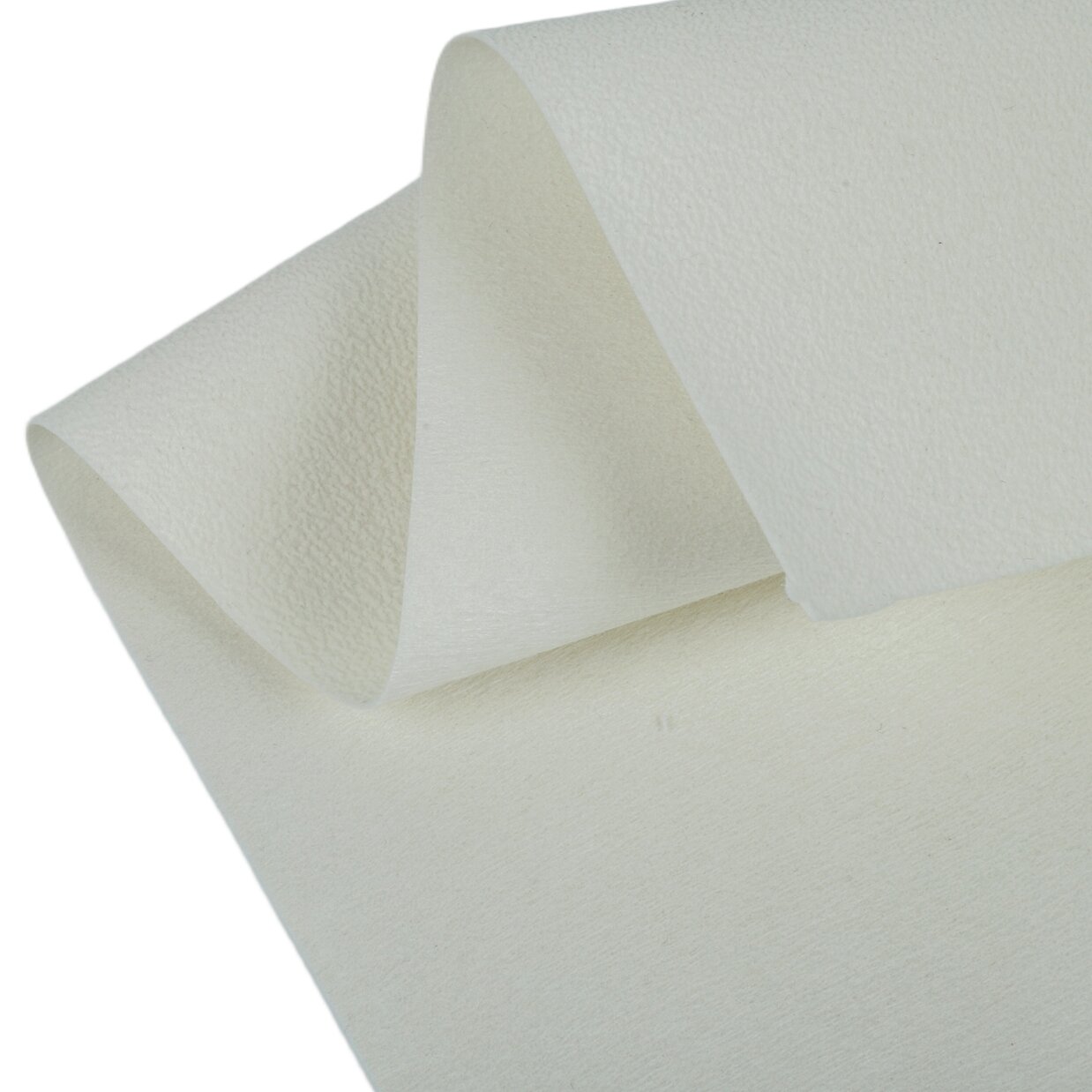
Furthermore, physical protective packaging is applied before shipping. Standard rolls of 50 to 100 yards are wrapped in heavy-duty plastic film to prevent ambient air contact. In-transit stability is demonstrated by historical supply chain data, such as the Volkswagen Smart Refrigerator packaging case, where a custom moisture-resistant, flame-retardant flocking fabric composite reduced transit damage rates from 5% to 1% while fully complying with the EU Packaging and Packaging Waste Regulation (PPWR).
Data/Solution Comparison
| Transit Moisture Threat | Manufacturing Control Method | Packaging & Logistics Safeguard |
|---|---|---|
| Condensation (Container Rain) | In-house oven drying to minimize residual fabric moisture | Double-layer PE hermetic wrapping with desiccant packs |
| Adhesive Hydrolysis & Shedding | Water-based acrylic adhesive system with 3M tape 10-cycle peel compliance | Silica gel moisture absorbers placed within shipping containers |
| Mold & Mildew Growth | Halogen-free, eco-friendly anti-mold agents applied during finishing | Palletized cargo utilizing moisture-barrier stretch wrap |
| Silver Corrosion (Jewelry Linings) | Anti-tarnish system limiting free reactive sulfur below 5 ppm | Sealed inner cartons to exclude external ambient moisture |
Frequently Asked Questions (FAQ)
How does high humidity affect the pile adhesion of Pearl Velvet during transit?
High humidity can cause hydrolysis in low-quality adhesives, leading to fiber shedding. Mingqian Flocking prevents this by utilizing an eco-friendly water-based acrylic adhesive system and testing pile adhesion using the 3M tape 10-cycle peel test to meet FAMA standards.
What specialized testing verifies moisture and corrosion resistance for jewelry boxes?
Every production batch undergoes a silver coupon accelerated corrosion test. The factory maintains free reactive sulfur below 5 ppm, controls aqueous extract pH between 5.5 and 7.5, and restricts water-soluble chloride ions to ensure silver stored in enclosed environments does not tarnish.
Are there sustainable, moisture-stable flocking fabric options available for export?
Yes. GRS-certified recycled polyester and nylon flocking fabrics (SGS Certificate SGC-GRC01308-GRS-2026-05R3) provide high abrasion resistance and color fastness while supporting carbon-neutral enterprise procurement requirements.
Final Conclusion & Recommendations
To secure frosted velvet and flocking fabrics against moisture damage during long-distance maritime shipping, procurement teams should mandate strict drying protocols, water-based acrylic adhesives, and hermetic barrier packaging. As an established OEM/ODM partner exporting to North America, Europe, and Asia, Guangdong Shunde Mingqian Flocking Co., Ltd. provides fully tested, moisture-stable flocking fabrics with a standard minimum order quantity of 1,000 yards and a 14-day delivery timeline. Standard payments are processed via telegraphic transfer (T/T) with a 30% deposit, and bulk shipments are fully supported with complete customs and GRS transaction documentation. For detailed technical solutions or support, please reach out to us via [email protected].
About Us
Guangdong Shunde Mingqian Flocking Co., Ltd., operating under the brand name Mingqian, is a professional flocking fabric manufacturer headquartered in Foshan, Guangdong Province, China. Established in 2008, the company operates a self-owned manufacturing facility of 10,000 square meters, delivering a monthly production capacity of 3,000,000 yards. The company holds ISO 9001:2015 and Global Recycled Standard (GRS) 4.0 certifications, serving globally recognized brands across the luxury, automotive, and consumer electronics industries, including Dior, Volkswagen, and Fendi.
Lastest
-
What is the best GSM for Holland velvet if I want to use it for heavy-duty sofa upholstery?
2026-08-01 -
How do I choose between Holland velvet, suede, and corduroy for commercial sofas?
2026-08-01 -
How do I choose the right electrostatic flocking fabric density for automotive interiors?
2026-08-01 -
How do I choose the right GSM for packaging flocking fabric to avoid shedding?
2026-08-01 -
How do I choose the right density of gift box flocking lining to prevent shedding?
2026-08-01
SUBSCRIBE
INQUIRY