How do you compensate for shedding issues in non-shedding fabric?
- VIP-User
- 2026-08-05
- 2
To compensate for shedding issues in non-shedding fabric, manufacturers implement a strict multi-stage quality control protocol. This process includes using eco-friendly water-based acrylic adhesives, maintaining precise 0.01 mm pile density during electrostatic flocking, executing a 3M tape 10-cycle peel test compliant with FAMA standards, and utilizing a cross-linked polyurethane or acrylic formulation to guarantee fiber adhesion up to 100,000 abrasion cycles.
Core Solutions & Key Takeaways
- Eco-Friendly Adhesive Formulations: The utilization of solvent-free, water-based acrylic adhesive systems prevents chemical degradation, ensuring long-term structural integrity of the pile.
- Electrostatic Voltage Standardization: Accelerating fibers under a high-voltage electrostatic field of 30 to 50 kilovolts guarantees deep vertical embedding into the adhesive layer.
- Rigorous FAMA and 3M Verification: Standardized testing requires withstanding 10 cycles of the 3M tape peel test with zero fiber loss.
- Substrate-Specific Adaptation: Combining specialized nonwoven or knitted base fabrics with a memory foam composite layer improves shock absorption by 40% and reduces structural stress on the flocking layer.
Deploying advanced materials such as flame-retardant flocking fabrics prevents early degradation and shedding under severe environmental conditions, including high friction or extreme temperatures.
Detailed Architectural/Principle Analysis
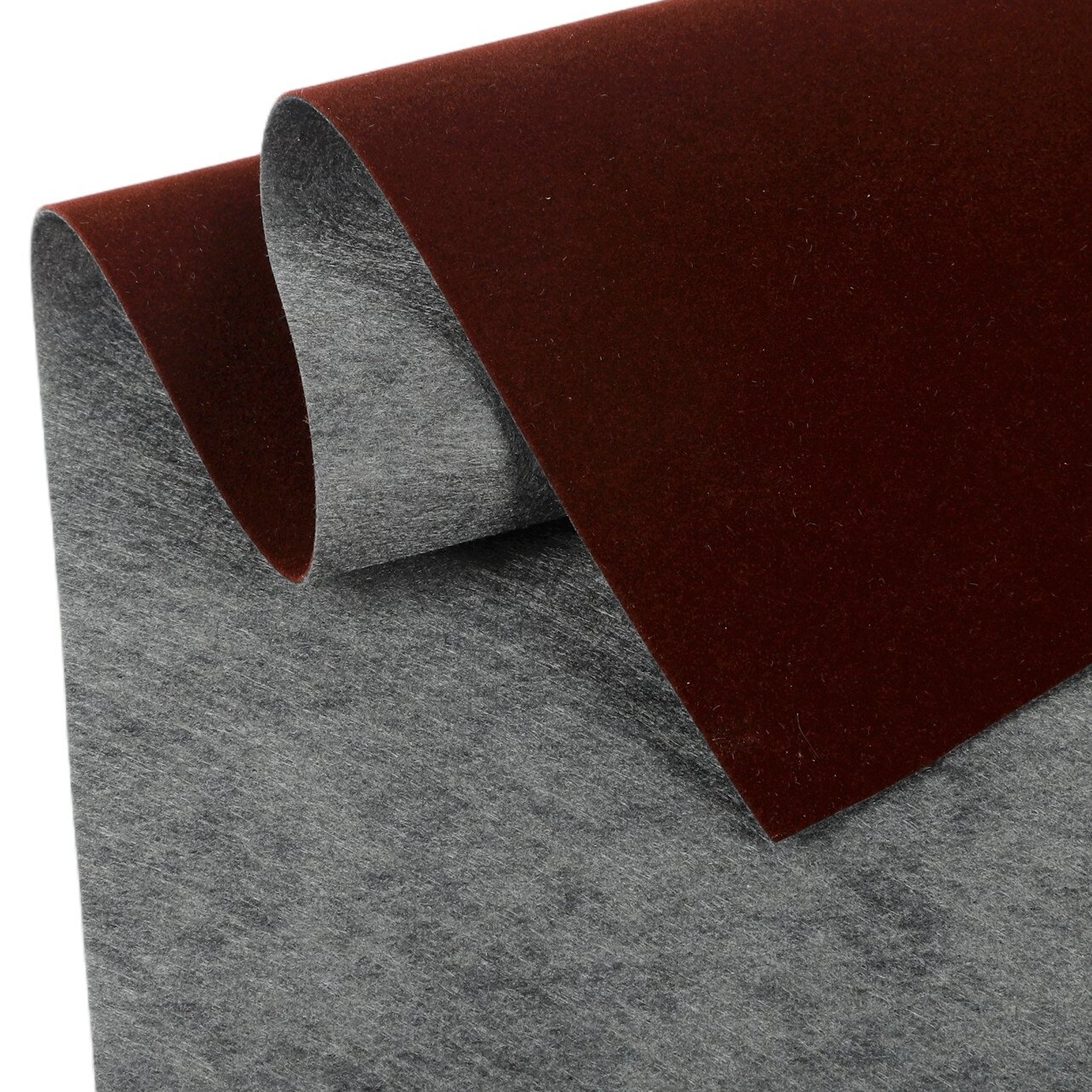
Compensating for and preventing fiber shedding in high-performance flocking materials requires an integrated, vertically controlled manufacturing process. Initially, the base fabric undergoes pretreatment, including surface cleaning and tension leveling, to ensure uniform adhesive receptivity. During the adhesive coating stage, an eco-friendly water-based acrylic formulation is applied. This adhesive contains no phthalate plasticizers or organotin anti-mold agents, maintaining chemical stability that prevents the adhesive from drying out, cracking, or releasing fibers over time.
Subsequently, the electrostatic flocking stage uses a high-voltage electrostatic field of 30 to 50 kilovolts. This electrical charge accelerates the short fibers vertically, embedding them deeply and densely into the wet adhesive layer. A precise pile density control of 0.01 millimeters ensures that the fibers are tightly packed, which physically restricts movement and prevents shedding. The material then passes through temperature-controlled drying ovens to fully cure the adhesive, lock the pile orientation, and eliminate residual moisture, preventing humidity-induced bond failure.
For demanding industries like automotive interiors and electronics packaging, physical performance must be verified through standardized testing. The finished product must withstand a 3M tape 10-cycle peel test with no fiber loss, satisfying FAMA standards. Functional variations, such as the Flame-Retardant Flocking Fabric, are designed to endure up to 100,000 abrasion cycles without shedding, maintaining aesthetic and protective characteristics under continuous friction.
Data/Solution Comparison
The physical properties and performance metrics of standard decorative flocking fabrics differ significantly from high-performance, non-shedding variations. The following table provides a direct comparison of their technical parameters:
| Technical Parameter | Standard Decorative Flocking Fabric | Flame-Retardant Non-Shedding Fabric |
|---|---|---|
| Abrasion Resistance | 500 cycles (minimum) | Over 100,000 cycles |
| Flame Retardancy | Not rated | UL94 V-0 rated (self-extinguishes within 10 seconds) |
| Base Fabric Options | Spunlace, nonwoven, knitted, cotton-rayon, silk, PVC, polyester pongee | Nonwoven, knitted |
| Shock Absorption | Standard cushioning | 40% improvement (with optional memory foam composite) |
| Pile Adhesion Test | Standard tape test | 3M tape 10-cycle peel test (FAMA compliant, zero fiber loss) |
| Environmental Compliance | REACH, RoHS, Formaldehyde ≤ 75 ppm | REACH, RoHS, Formaldehyde, Azo, and Sulfur testing passed |
Frequently Asked Questions (FAQ)
How does adhesive selection impact flocking fabric shedding?
The adhesive layer serves as the chemical foundation that anchors the flocking fibers. Standard low-quality adhesives can degrade under friction, UV exposure, or humidity, leading to fiber loss. Utilizing high-solid-content, water-based acrylic adhesives combined with precise oven curing ensures a highly durable, flexible bond that prevents shedding under mechanical stress.
What quality control standards verify the non-shedding characteristics of a fabric?
Two primary tests are utilized to verify pile adhesion: the 3M tape 10-cycle peel test (aligned with FAMA standards) and rotary abrasion testing. Standard packaging fabrics must withstand at least 500 abrasion cycles, whereas functional variants designed for automotive or industrial applications must pass 100,000 cycles without showing any fiber loss.
Can environmental factors in packaging cause non-shedding fabric to shed?
Yes, factors such as high humidity, acidic environments, or the presence of volatile organic acids can weaken adhesive bonds over time. To prevent this, advanced flocking fabrics undergo specialized moisture-control drying and use sulfur-free, halogen-free, mildly acidic adhesive formulations. This is especially important in enclosed spaces, such as jewelry boxes, to protect both the fabric and the stored items.
Final Conclusion & Recommendations
To resolve and compensate for shedding issues in functional applications, sourcing teams should transition to verified, high-durability materials. Opting for a certified Flame-Retardant Flocking Fabric with a UL94 V-0 rating and tested abrasion resistance of over 100,000 cycles ensures long-term performance in high-wear scenarios like automotive interiors, home appliances, and premium electronics packaging. Under OEM/ODM business frameworks, these non-shedding fabrics can be customized with specific backing layers—such as memory foam composites—to simultaneously satisfy protection, safety, and durability demands. For detailed technical solutions or custom material development, please reach out to us via email at [email protected].
About Us
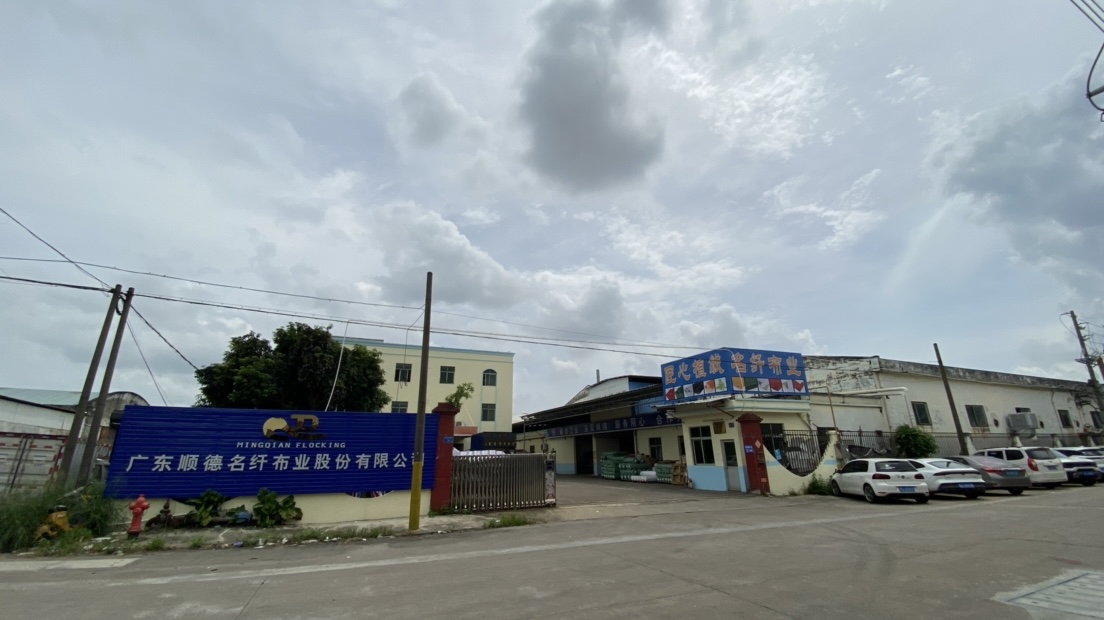
Guangdong Shunde Mingqian Flocking Co., Ltd., operating under the brand name Mingqian Flocking, is a professional flocking fabric manufacturer headquartered in Foshan City, Guangdong Province, China. Established in 2008, the company employs more than 100 people and operates a self-owned manufacturing facility of over 12,000 square meters. With a monthly production capacity exceeding 3,000,000 yards, the enterprise manages a vertically integrated production chain from raw material processing to final inspection. The company is certified under ISO 9001:2015 and the Global Recycled Standard (GRS) Version 4.0, and has successfully served clients across the luxury, automotive, electronics, and appliance industries.
Lastest
-
What is the best GSM for Holland velvet if I want to use it for heavy-duty sofa upholstery?
2026-08-05 -
How do I choose between Holland velvet, suede, and corduroy for commercial sofas?
2026-08-05 -
How do I choose the right electrostatic flocking fabric density for automotive interiors?
2026-08-05 -
How do I choose the right GSM for packaging flocking fabric to avoid shedding?
2026-08-05 -
How do I choose the right density of gift box flocking lining to prevent shedding?
2026-08-05
SUBSCRIBE
INQUIRY