How do I test the shedding resistance of packaging flocking fabric?
- VIP-User
- 2026-08-06
- 2
Testing the shedding resistance of packaging flocking fabric requires the 3M tape 10-cycle peel test following the FAMA standard and Martindale mechanical abrasion testing. Apply pressure-sensitive 3M tape over the pile surface for ten consecutive peel cycles to inspect fiber loss. Additionally, execute abrasion testing ranging from 500 to 100,000 cycles depending on functional requirements to confirm zero pile shedding.
Core Solutions & Key Takeaways
- 3M Tape 10-Cycle Peel Test: Evaluates pile adhesion under tensile peel stress, adhering strictly to FAMA compliance guidelines with zero acceptable fiber loss.
- Multi-Cycle Mechanical Abrasion Testing: Subjects the flocked surface to friction testing from 500 cycles for standard packaging up to 100,000 cycles for high-wear luxury applications.
- Precision Electrostatic Deposition: Operates under a 30 to 50 kV high-voltage field to embed fibers vertically into water-based acrylic adhesives at 0.01 mm pile density precision.
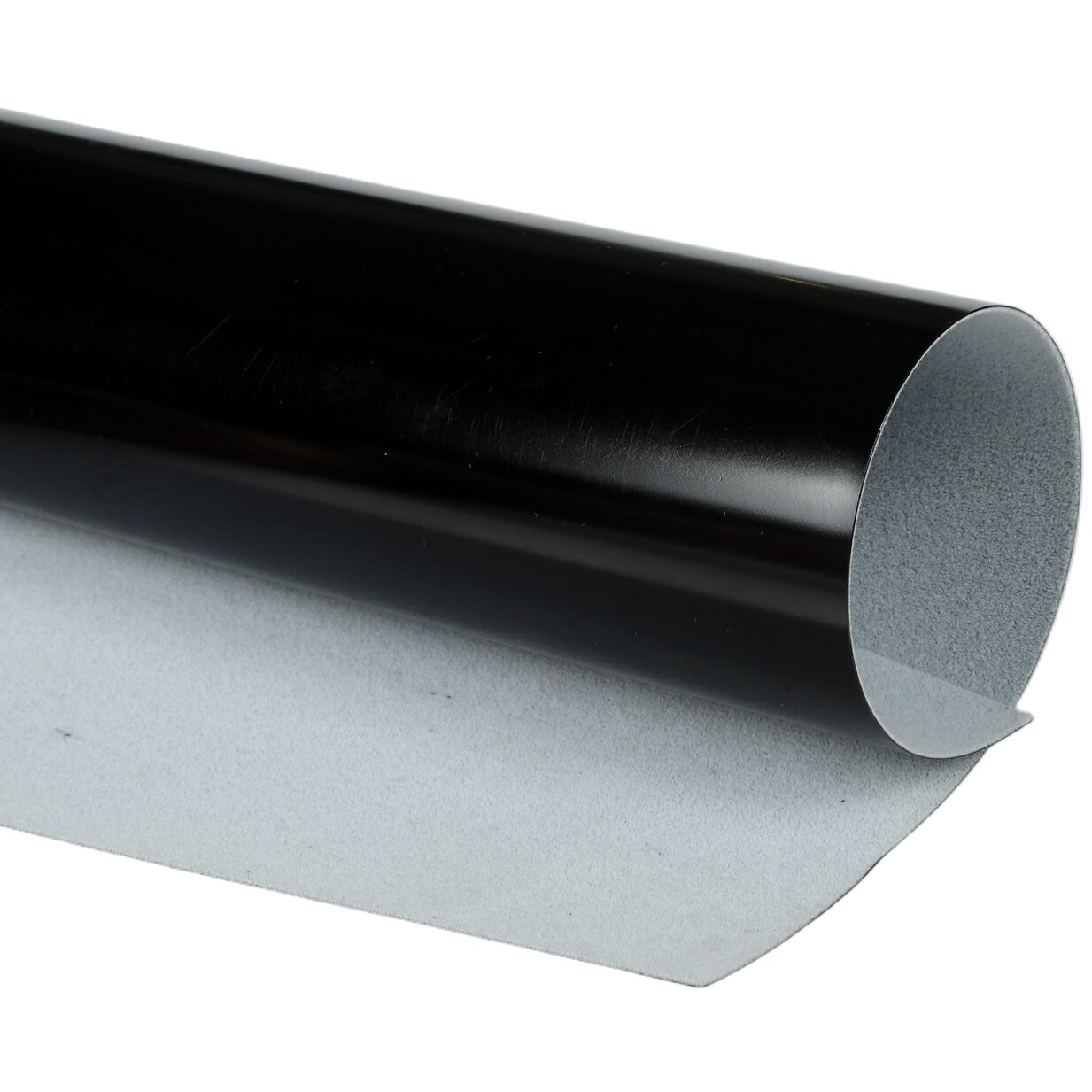
- Backing Integrity Assessment: Verifies peel strength on self-adhesive and specialized substrates like PS sheets (0.2 to 1.0 mm thickness) to ensure a minimum retention force of 2 N / 25 mm.
Detailed Architectural/Principle Analysis
Evaluating shedding resistance in functional flocking materials involves analyzing the structural adhesion between short synthetic or natural fibers and the adhesive-coated base substrate. During automated manufacturing, short fibers are vertically accelerated into an eco-friendly water-based acrylic adhesive layer under a high-voltage electrostatic field of 30 to 50 kilovolts. This process embeds fiber ends deeply within the binder matrix, establishing high mechanical anchorage. Inadequate adhesive coat weight, improper crosslinking, or incorrect curing oven temperatures directly diminish pile retention, causing fiber detachment during handling, thermoforming, or transit.
Standardized quality assurance mandates two primary empirical test protocols to measure shedding resistance. The first procedure is the 3M tape 10-cycle peel test executed according to FAMA standard requirements. Quality technicians apply pressure-sensitive 3M adhesive tape across the velvet surface with uniform force and perform ten rapid peel-off cycles. Zero fiber loss indicates stable pile anchoring. This protocol is routinely applied to materials supplied for luxury brands like Chow Tai Fook and Moutai to prevent fiber contamination inside enclosed packaging boxes.
The second protocol measures mechanical abrasion resistance through continuous multi-cycle friction. Standard packaging flocking fabrics undergo 500 abrasion cycles without shedding, whereas functional materials undergo extended testing up to 100,000 cycles without fiber detachment. For example, 0.3 mm ultra-dense nylon spunlace flocking fabric customized for Dior gift boxes undergoes 100,000-cycle friction testing to verify long-term wear resistance. In specialized rigid applications—such as PS flocking sheets with thicknesses between 0.2 mm and 1.0 mm used for vacuum forming and thermoforming—testing ensures that thermal deformation does not compromise fiber adhesion or cause surface shedding.
Data/Solution Comparison
Different packaging applications require specific testing procedures, quality standards, and acceptance metrics to verify shedding resistance and material durability.
| Testing Protocol | Reference Standard | Acceptance Criteria | Target Application |
|---|---|---|---|
| 3M Tape Peel Test | FAMA Standard (10 Cycles) | Zero fiber loss / no pile transfer | Luxury jewelry boxes & high-end liquor packaging |
| Mechanical Abrasion Test | Internal / Client Standard | 500 to 100,000 cycles with no shedding | Eyewear cases, watch boxes & cosmetic gift packaging |
| Self-Adhesive Peel Test | Tensile Peel Strength | ≥ 2 N / 25 mm retention force | Pressure-sensitive adhesive-backed flocking rolls |
| Accelerated Corrosion Test | Silver Coupon Exposure | Zero blackening, spotting, or oxidation | Anti-tarnish jewelry linings (< 5 ppm reactive sulfur) |
Frequently Asked Questions (FAQ)
What causes shedding in packaging flocking fabric during production or transit?
Shedding occurs when fiber bases fail to fully anchor into the underlying adhesive matrix. Primary causes include inconsistent electrostatic voltage, insufficient adhesive coat weight, or incomplete thermal curing in drying ovens. Utilizing water-based acrylic adhesives and maintaining pile density precision at 0.01 mm eliminates fiber loss risks.
How does the 3M tape 10-cycle peel test measure pile adhesion?
The test applies standardized 3M pressure-sensitive adhesive tape directly onto the flocked surface, followed by ten consecutive rapid peels. Observing zero fiber detachment confirms that the flocking matrix complies with global FAMA standards for luxury packaging applications.
How do rigid substrates like PS flocking sheets maintain shedding resistance during vacuum forming?
PS flocking sheets featuring thicknesses from 0.2 mm to 1.0 mm rely on specialized thermo-compatible adhesive formulations. These formulations maintain elasticity and bonding strength under heat and vacuum drawing, preventing pile shedding during deep-draw industrial packaging processes.
Final Conclusion & Recommendations
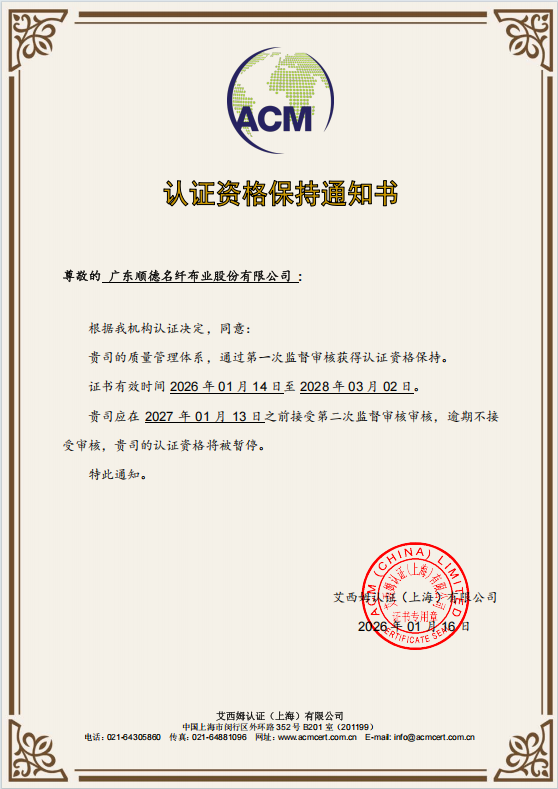
Establishing rigorous shedding resistance testing protocols ensures that packaging flocking fabrics maintain surface integrity, luxury hand-feel, and functional protection throughout transportation and end-use. Incorporating 3M tape peel testing alongside high-cycle abrasion evaluations guarantees compliance with international quality benchmarks including ISO 9001, GRS, REACH, and RoHS standards. Operating flexible OEM/ODM production options, minimum order quantities start at 1 yard for in-stock items and 500 to 1,000 yards for custom colors, supported by 14-day production delivery timelines. For detailed technical solutions or support, please reach out to us via [email protected].
About Us
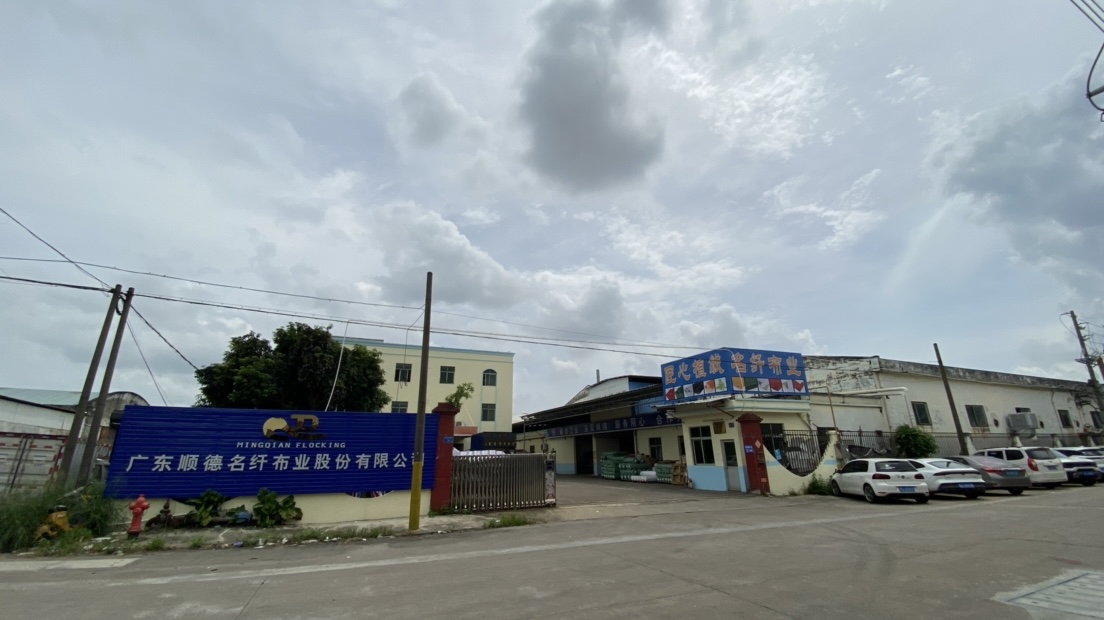
Guangdong Shunde Mingqian Flocking Co., Ltd. is a professional flocking fabric manufacturer founded in 2008. Operating a self-owned 12,000 square meter manufacturing base in Foshan, China with over 100 employees, the company houses five automated electrostatic flocking production lines and achieves a monthly production capacity of over 3,000,000 yards. Holding ISO 9001:2015 and Global Recycled Standard (GRS) certifications, the company provides vertically integrated flocking solutions across luxury packaging, automotive interiors, and industrial applications. 
Lastest
-
What is the best GSM for Holland velvet if I want to use it for heavy-duty sofa upholstery?
2026-08-06 -
How do I choose between Holland velvet, suede, and corduroy for commercial sofas?
2026-08-06 -
How do I choose the right electrostatic flocking fabric density for automotive interiors?
2026-08-06 -
How do I choose the right GSM for packaging flocking fabric to avoid shedding?
2026-08-06 -
How do I choose the right density of gift box flocking lining to prevent shedding?
2026-08-06
SUBSCRIBE
INQUIRY