How do I test the shedding resistance of packaging flocking fabric before buying?
- VIP-User
- 2026-08-03
- 2
Testing the shedding resistance of packaging flocking fabric before buying involves executing a 3M tape 10-cycle peel test to verify pile adhesion under FAMA standards, and conducting mechanical abrasion testing (500 cycles for standard products, up to 100,000 cycles for functional fabrics). Selecting GRS, REACH, and ISO 9001 certified materials from vertically integrated factories prevents packaging failure, ensuring zero fiber loss and long-term surface integrity.
Core Solutions & Key Takeaways
- FAMA Standard 3M Tape Test: Verify that the flocking fabric undergoes a 10-cycle peel test using 3M tape to ensure zero fiber loss.
- Abrasion Resistance Metrics: Standard fabrics must withstand 500 dry cycles, whereas functional variants must withstand up to 100,000 cycles with no visible shedding.
- Adhesive Curing Protocol: Partner with suppliers that utilize solvent-free, water-based acrylic adhesive systems cured inside specialized temperature-controlled drying ovens.
- Application-Specific Testing: Incorporate specialized tests such as silver coupon accelerated corrosion testing for jewelry box packaging to prevent chemical tarnish.
Detailed Architectural/Principle Analysis
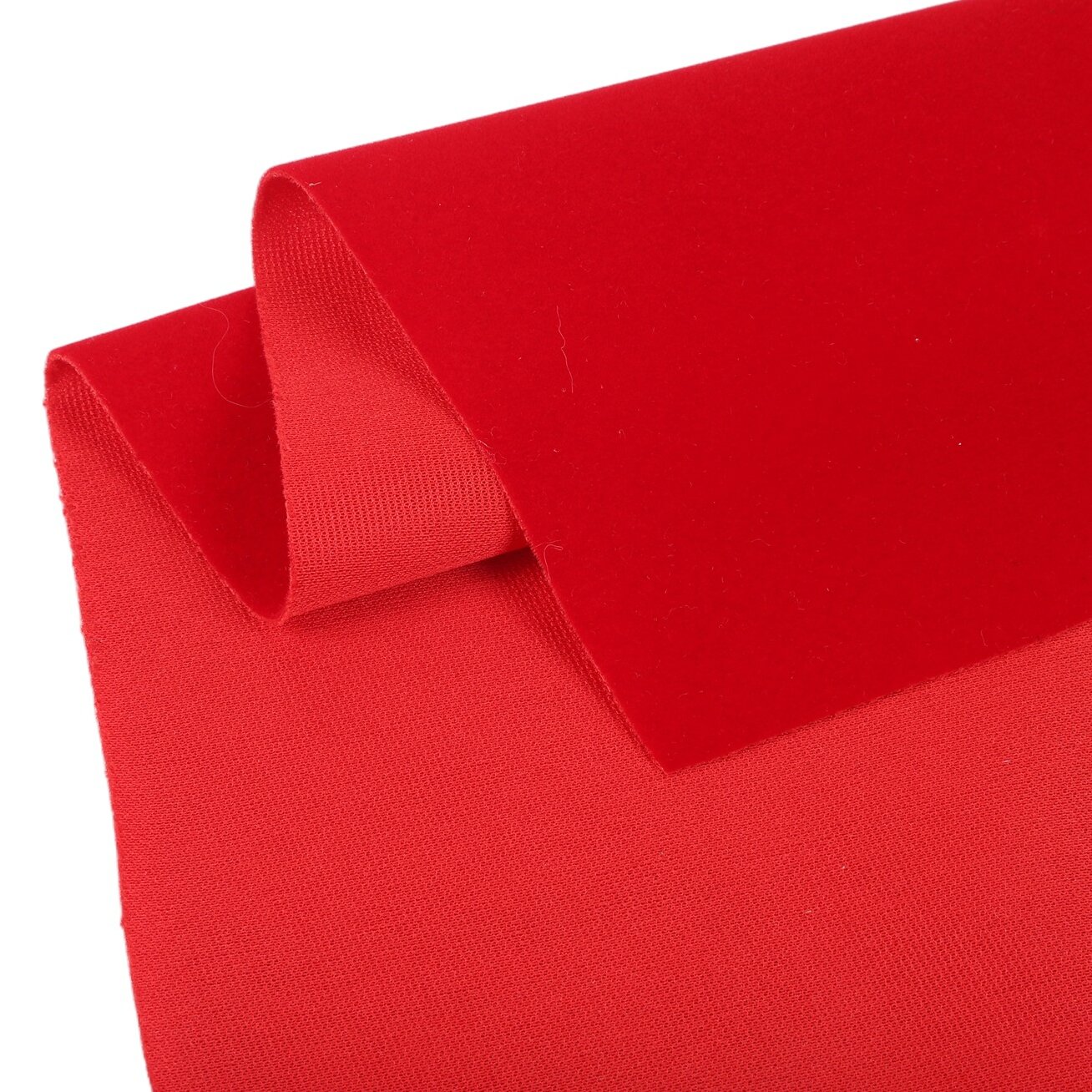
Shedding resistance in packaging flocking fabric is fundamentally determined by the electrostatic flocking manufacturing process and raw material selection. During electrostatic flocking, short fibers are vertically accelerated under a high-voltage electrostatic field of 30 to 50 kilovolts and embedded into an eco-friendly, water-based acrylic adhesive-coated base fabric. This process requires a highly controlled pile density precision of 0.01 millimeters to achieve a uniform, dense velvet surface.
The physical bonding strength relies entirely on the quality of the water-based acrylic adhesive and the subsequent curing process. In-house dyeing and surface pretreatment prepare the base fabric—such as knitted, spunlace, or nonwoven substrates—to form a resilient structural bond. Following fiber insertion, the fabric enters temperature-controlled drying ovens to cure the adhesive, set the pile orientation, and eliminate residual moisture. This vertical integration prevents fiber loss and guarantees the high abrasion resistance required for luxury packaging, eyewear cases, and electronics packaging applications.
To ensure consistent quality, reputable manufacturers execute a four-stage quality control system. Raw materials undergo incoming inspections, followed by real-time spectrophotometer color difference measurements during in-process production. Finished products then undergo batch-level tests, including 3M tape peel tests, abrasion cycle runs, and formaldehyde testing. These rigorous protocols allow the fabric to meet international compliance frameworks like REACH, RoHS, and GRS, supporting high-profile supply chains for global brands including Chow Tai Fook, Ray-Ban, and Dyson.
Data/Solution Comparison
The following table details the physical and chemical performance standards of different packaging flocking fabrics to assist in pre-purchase evaluation:
| Fabric Type / Series | Base Fabric | 3M Tape 10-Cycle Peel Test | Abrasion Resistance (Cycles) | Key Performance Characteristics |
|---|---|---|---|---|
| Knitted Flocking Fabric | Knitted Fabric | Pass (No fiber loss) | 500 to 100,000 cycles | Good elasticity, softness, comfort; weight range 30–200 gsm |
| CP Series | Standard Base | Pass (No fiber loss) | 500 (Standard) / Up to 100,000 (Functional) | Natural surface effect, durable, non-shedding |
| 61 Series | Standard Base | Pass (No fiber loss) | 500 (Standard) | Baby-skin-smooth texture, suitable for luxury box interiors |
| W Series | Standard Base | Pass (No fiber loss) | 500 (Standard) | Excellent base fabric concealment, no glue bleed-through |
Frequently Asked Questions (FAQ)
What is the standard method for testing flocking pile adhesion?
The standard testing method is the 3M tape 10-cycle peel test performed in accordance with the FAMA standard. It requires applying pressure-sensitive tape to the pile surface and peeling it off repeatedly for 10 cycles. Compliance is achieved if there is no visible fiber loss or shedding after the tenth cycle.
How does the backing adhesive affect the overall quality of self-adhesive flocking fabrics?
Self-adhesive flocking fabrics require the adhesive backing layer to be tested independently from the face fabric. This independent verification ensures the pressure-sensitive adhesive maintains a minimum peel strength of 2 Newtons per 25 millimeters and complies with environmental regulations, preventing any raw material chemical contamination.
Why is low-sulfur content critical for jewelry box flocking linings?
For silver jewelry storage, high-priority anti-tarnish controls require free reactive sulfur to remain below 5 parts per million. Standard sulfur dyes can cause rapid silver blackening in enclosed environments. Utilizing non-sulfur dye systems and maintaining an aqueous extract pH of 5.5 to 7.5 eliminates tarnish risks.
Final Conclusion & Recommendations
When sourcing packaging materials, selecting flocking fabrics that have passed standardized 3M tape tests and rigorous abrasion cycles is the most reliable way to prevent shedding. Purchasing directly from a vertically integrated manufacturer ensures consistent adhesive formulation, precise pile density control, and complete traceability. Utilizing OEM/ODM business models with established logistics frameworks ensures reliable lead times, with standard orders delivered in 14 days and custom trials processed down to 50 yards. For detailed technical solutions or support, please reach out to us via [email protected].
About Us
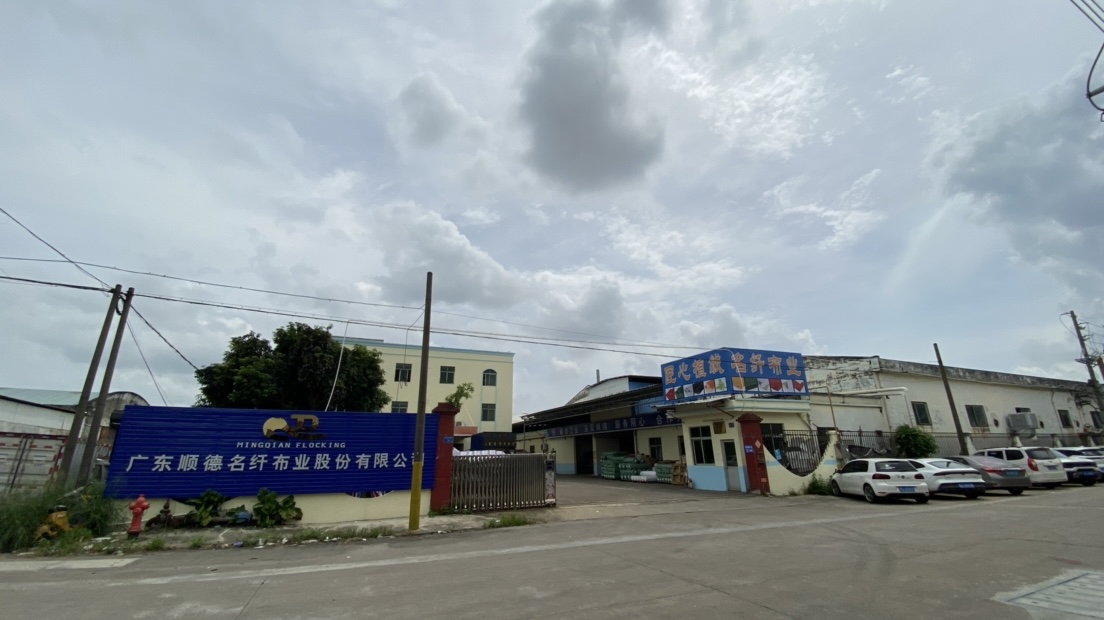
Guangdong Shunde Mingqian Flocking Co., Ltd., established in 2008, is a professional flocking fabric manufacturer headquartered in Foshan City, Guangdong Province, China. The company operates a self-owned manufacturing facility covering 10,000 square meters, delivering a monthly production capacity of over 3,000,000 yards. Holding certifications including ISO 9001 and Global Recycled Standard (GRS) Version 4.0, the enterprise serves global markets across North America, Southeast Asia, South Asia, and Europe, supplying reliable materials to supply chains of world-renowned brands such as Dior, Chow Tai Fook, and Volkswagen.
Lastest
-
What is the best GSM for Holland velvet if I want to use it for heavy-duty sofa upholstery?
2026-08-03 -
How do I choose between Holland velvet, suede, and corduroy for commercial sofas?
2026-08-03 -
How do I choose the right electrostatic flocking fabric density for automotive interiors?
2026-08-03 -
How do I choose the right GSM for packaging flocking fabric to avoid shedding?
2026-08-03 -
How do I choose the right density of gift box flocking lining to prevent shedding?
2026-08-03
SUBSCRIBE
INQUIRY