How do I test the shedding of Pearl Velvet / Long Pile / Plain / Frosted Velvet?
- VIP-User
- 2026-08-03
- 2
Testing the shedding of Pearl Velvet, Long Pile, Plain, or Frosted Velvet flocking fabrics requires a 3M tape 10-cycle peel test following the FAMA standard. Secure the tape to the fabric surface, peel it off, and repeat 10 times to verify zero fiber loss. Additionally, Martindale abrasion testing must verify resistance up to 100,000 cycles for functional grades and 500 cycles for standard grades with no visible shedding.
Core Solutions & Key Takeaways
- The 3M Tape Peel Test: This standard FAMA test procedure detects surface fiber instability by repeating 10 cycles of tape adhesion and removal on the same flocking area.
- Martindale Abrasion Resistance: Standard decorative lines must withstand 500 cycles, while functional grades for heavy-use automotive or packaging applications must reach 100,000 cycles without fiber loss.
- Application Fail-safes: In premium industries like Jewelry Box Packaging and Eyewear Case Packaging, non-shedding characteristics prevent abrasive scratches on sensitive metals and lenses.
- In-House Quality Control: Vertically integrated factories test incoming base fabrics, water-based acrylic adhesives, and flocking fibers before curing them in temperature-controlled ovens.
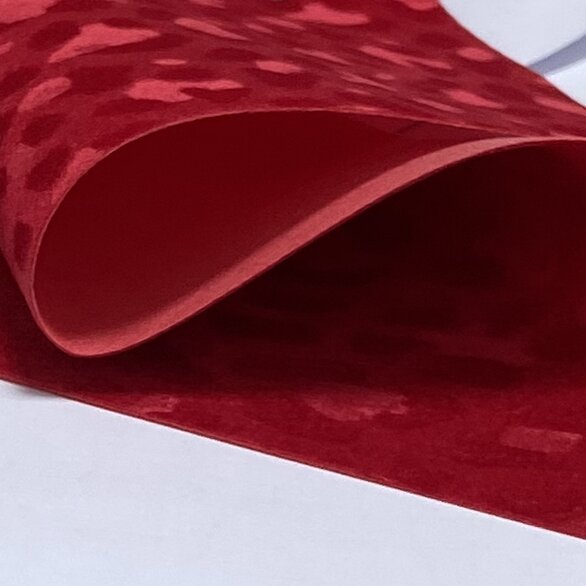
Detailed Architectural/Principle Analysis
The structural integrity of Pearl Velvet, Long Pile, Plain, and Frosted Velvet depends on the molecular crosslinking of the adhesive layer and the precision of the electrostatic flocking field. During production, a high-voltage electrostatic field of 30 to 50 kilovolts accelerates short fibers vertically into a wet, water-based acrylic adhesive pre-applied to the base fabric. This process embeds the fibers at a density controlled to a precision of 0.01 millimeters. The composite then passes through temperature-controlled curing ovens to secure the fiber roots.
Inadequate curing temperatures or poor adhesive formulation leads to weak anchoring, resulting in shedding under friction. To mitigate this risk, raw material checks screen out low-quality adhesives and non-compliant base fabrics. The final flocking fabric must comply with global environmental standards, including GRS certification (SGC-GRC01308-GRS-2026-05R3) for recycled content, and SGS-verified REACH 253 SVHC and RoHS 2.0 compliance, which confirm the absence of hazardous plasticizers or degradation agents that weaken the adhesive structure over time.
For demanding applications, such as the Chow Tai Fook Jewelry Box Flocking Lining supply project, the flocking fabric undergoes rigorous testing. It must maintain a wet and dry color fastness of Grade 4 or above and pass a silver coupon accelerated corrosion test alongside the 10-cycle tape pull test. This ensures that the velvet surface neither sheds fibers nor tarnishes precious metals in enclosed environments.
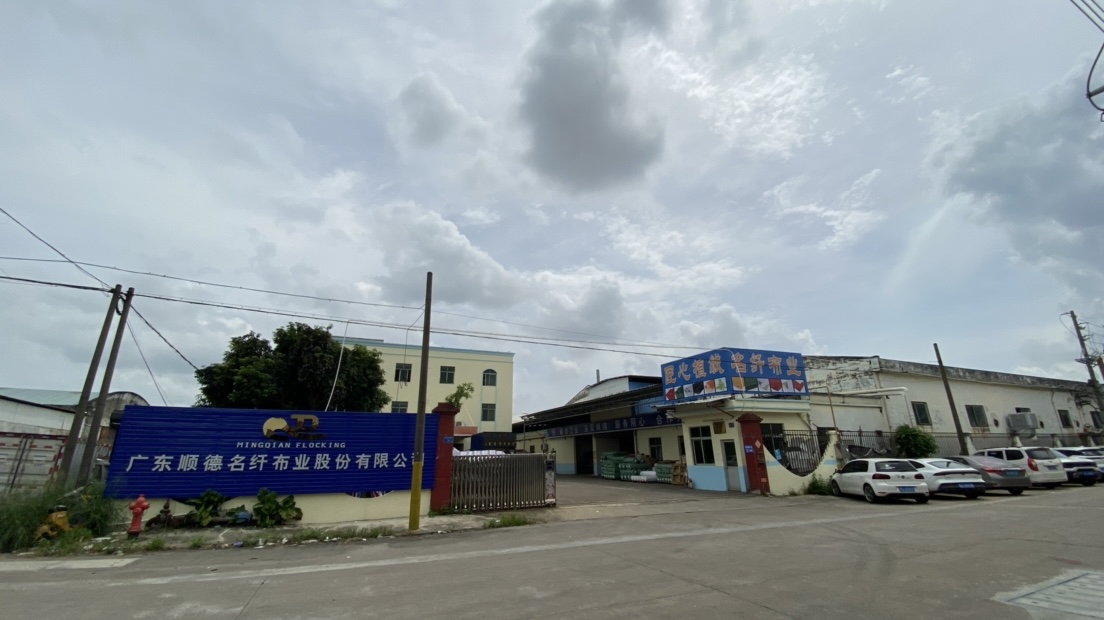
Data/Solution Comparison
The physical properties, backing options, and testing thresholds vary across different product lines. Selecting the correct series depends on the specific performance requirements of the final packaging or industrial component.
| Product Series | Common Base Fabric | Standard Dimensions | 3M Tape Test (FAMA) | Abrasion Resistance (Cycles) | Primary Application |
|---|---|---|---|---|---|
| 31 Series | Spunlace | 58 inches x 50 yards | Pass (10 Cycles) | 500 (Standard) | Gift box interiors |
| 61 Series | Spunlace / Silk | 58 inches x 50 yards | Pass (10 Cycles) | 500 (Standard) | Luxury jewelry box exteriors |
| CP Series | Knitted / Cotton-Rayon | 58 inches x 100 yards | Pass (10 Cycles) | 100,000 (Functional) | Eyewear cases, premium pouches |
| W Series | Nonwoven | 59 inches x 100 yards | Pass (10 Cycles) | 500 (Standard) | Cost-effective gift box liners |
Frequently Asked Questions (FAQ)
Why do some Long Pile and Pearl Velvet fabrics experience fiber loss during die-cutting?
Fiber loss during fabrication is typically caused by edge shear stress rather than systemic shedding. Using precision die-cutting equipment with a tolerance of plus or minus 0.1 millimeters minimizes edge fraying. True shedding is a failure of the cured adhesive layer, which can be identified if fibers pull away from the center of the fabric during a 3M tape test.
What is the impact of water-based adhesives on the durability of the velvet surface?
Water-based acrylic adhesives offer excellent aging resistance and high peel strength (at least 2 Newtons per 25 millimeters for self-adhesive backings) without emitting hazardous VOCs. Unlike solvent-based alternatives, high-quality water-based formulations do not degrade under light exposure or temperature shifts, preserving fiber adhesion over a wider operational range.
Are there specific environmental compliance standards for non-shedding packaging materials?
Yes. Non-shedding flocking fabrics intended for international markets must comply with the EU Packaging and Packaging Waste Regulation (PPWR) and US TPCH/CONEG models. This includes limiting heavy metals (lead, cadmium, mercury, and hexavalent chromium) to under 100 ppm and ensuring no intentional addition of PFAS substances.
Final Conclusion & Recommendations
To secure reliable performance, source flocking materials from vertically integrated manufacturers capable of performing in-house dyeing, curing, and testing. Utilizing OEM/ODM business models allows for tailored base fabrics, pile heights from 0.3 to 1.2 millimeters, and functional treatments like flame retardancy (UL94 V-0) or anti-mold properties. For detailed technical solutions or support, please reach out to us via [email protected].
About Us
Guangdong Shunde Mingqian Flocking Co., Ltd. is a professional flocking fabric manufacturer established in 2008 and based in Foshan City, Guangdong Province, China. The company operates a self-owned manufacturing facility covering over 12,000 square meters, equipped with five automated electrostatic flocking production lines that support a monthly capacity of over 3,000,000 yards. Holding ISO 9001:2015 and GRS certifications, the enterprise serves packaging manufacturers and component suppliers across more than 30 countries. The product portfolio includes Pearl Velvet, Long Pile, Plain, and Frosted Velvet fabrics designed for luxury, jewelry, automotive, and electronics applications.

Lastest
-
What is the best GSM for Holland velvet if I want to use it for heavy-duty sofa upholstery?
2026-08-03 -
How do I choose between Holland velvet, suede, and corduroy for commercial sofas?
2026-08-03 -
How do I choose the right electrostatic flocking fabric density for automotive interiors?
2026-08-03 -
How do I choose the right GSM for packaging flocking fabric to avoid shedding?
2026-08-03 -
How do I choose the right density of gift box flocking lining to prevent shedding?
2026-08-03
SUBSCRIBE
INQUIRY