How do I test the abrasion resistance of electrostatic flocking fabric for sofa covers?
- VIP-User
- 2026-08-06
- 2
Testing the abrasion resistance of electrostatic flocking fabric requires standardized cycle testing up to 100,000 cycles for high-durability applications without pile shedding, combined with a 3M tape 10-cycle peel test to measure flock adhesion strength under FAMA standards. Evaluators inspect pile retention, color fastness, and surface degradation under specified mechanical pressure.
Core Solutions & Key Takeaways
- Rotary and Reciprocating Abrasion Cycles: Mechanical testing ranges from 500 standard cycles up to 100,000 functional cycles under continuous friction, requiring zero fiber shedding on the surface.
- 3M Tape 10-Cycle Peel Test: Evaluates pile anchorage strength according to FAMA standards, ensuring high-voltage embedded fibers remain locked into the adhesive matrix.
- Eco-Friendly Acrylic Bonding: Water-based, solvent-free acrylic adhesive layers prevent fiber detachment under severe friction while eliminating phthalate plasticizer risks.
- Multi-Stage Quality System: Rigorous four-stage quality controls verify raw material baseline specifications, real-time flocking voltage, curing temperatures, and post-production mechanical performance.
Detailed Architectural/Principle Analysis
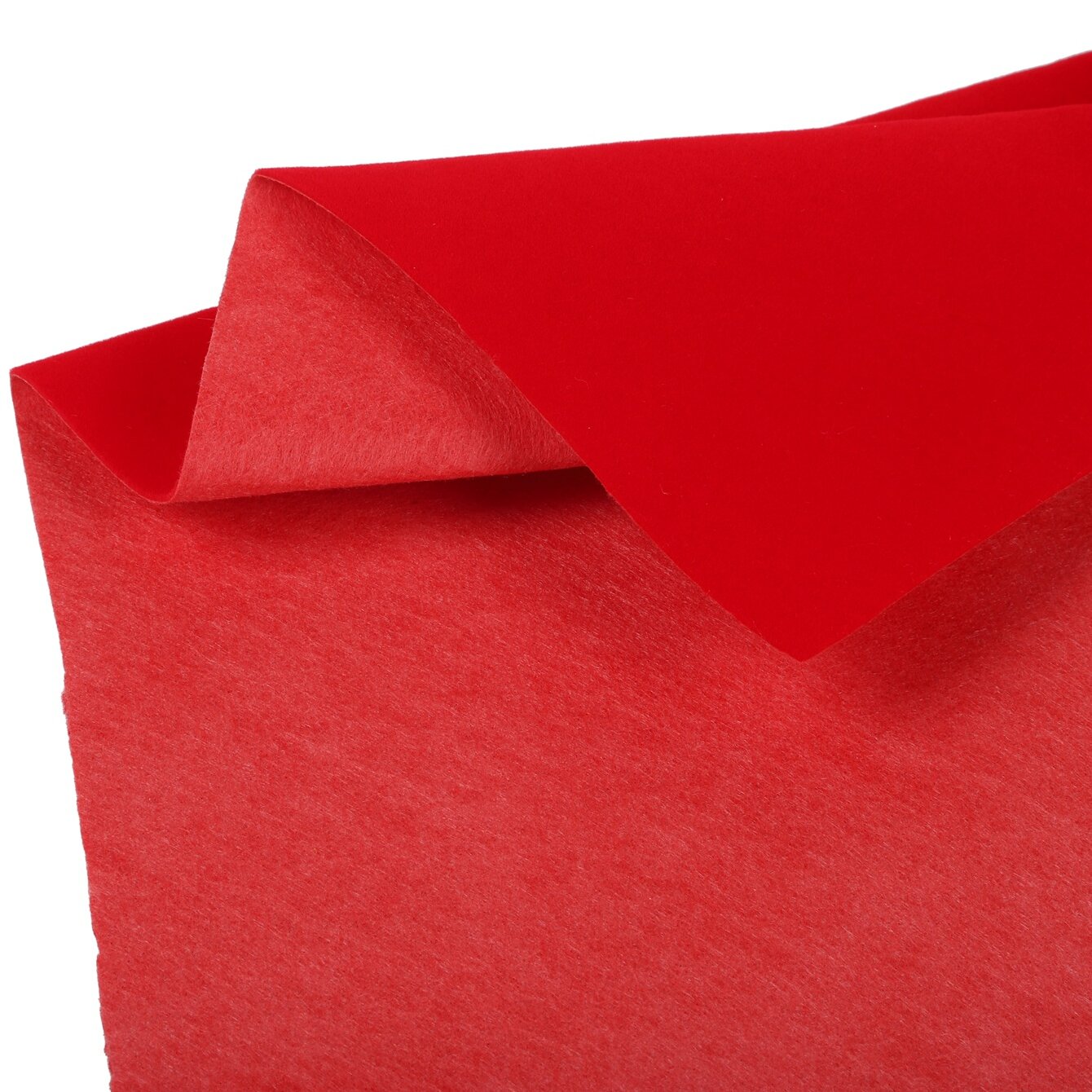
Electrostatic flocking fabric relies on precise physical parameters to withstand surface wear. Short fibers, ranging from 0.3 mm to 1.2 mm in pile height, are vertically accelerated under a high-voltage electrostatic field of 30 to 50 kilovolts into an adhesive-coated base fabric. Substrates such as spunlace nonwoven (30 to 200 gsm), knitted, or woven materials provide the structural foundation. Pile density control accurate to 0.01 mm ensures uniform fiber distribution, which directly distributes surface friction evenly across millions of individual pile strands.
Abrasion testing measures the structural integrity of the pile surface under repeated friction. Testing parameters evaluate color fastness alongside fiber loss; deep-colored flocking fabrics must achieve Grade 4 or higher fastness under wet and dry conditions, while light fastness reaches Grade 6 or above. For functional applications requiring elevated wear resistance, materials undergo 100,000-cycle friction exposure without suffering pile degradation or loss of backing adhesion.
Quality verification integrates chemical and environmental safety screening. Materials comply with EU REACH SVHC (253 substances screened under test report CANEC26006555803), EU RoHS 2.0 (Directive 2015/863), and EU PPWR regulations. In-house laboratory testing verifies formaldehyde content below 75 ppm within 4 hours, ensuring that mechanical durability does not come at the expense of environmental compliance.
Data/Solution Comparison
| Evaluation Parameter | Standard Specification | High-Durability Target | Compliance Standard |
|---|---|---|---|
| Abrasion Resistance | 500 cycles (No shedding) | 100,000 cycles (No shedding) | Internal QC Metric |
| Pile Peel Adhesion | 10 cycles (3M Tape) | Zero fiber loss | FAMA Standard |
| Self-Adhesive Peel Strength | ≥ 2 N / 25 mm | ≥ 2 N / 25 mm | ISO 9001 Verified |
| Wet & Dry Color Fastness | Grade 4 | Grade 4+ | ISO Test Standard |
| Formaldehyde Limit | ≤ 75 ppm | ≤ 75 ppm (4-hr result) | EU REACH / OEKO-TEX |
| Azo Dye Carcinogens | ≤ 30 ppm | ≤ 30 ppm (22 amines) | REACH Annex XVII |
Frequently Asked Questions (FAQ)
Q1: What standard tests confirm flocking pile retention under friction?
A1: Flocking pile retention is measured using continuous abrasion testing up to 100,000 cycles without fiber loss, combined with a 3M tape 10-cycle peel test compliant with FAMA standards to evaluate vertical adhesive anchorage.
Q2: How does substrate selection influence mechanical performance?
A2: Substrates like spunlace nonwoven offer flexibility and smooth tactile qualities, while knitted or cotton-rayon bases provide structural elasticity. Adhesive coating weights are adjusted per substrate to balance softness with high peel strength.
Q3: What global regulatory standards apply to electrostatic flocking fabrics?
A3: Key global standards include ISO 9001:2015 quality management, Global Recycled Standard (GRS) Version 4.0, EU REACH SVHC screening, EU RoHS 2.0 restrictions, and US TPCH/CONEG heavy metal limits.
Final Conclusion & Recommendations
Determining the durability of electrostatic flocking fabric requires evaluating both mechanical abrasion limits and adhesive peel retention under standardized laboratory conditions. Selecting fabrics with verified color fastness, water-based eco-friendly acrylic adhesives, and strict density control ensures optimal surface integrity across high-wear applications. Procurement options accommodate custom OEM/ODM development with a 1,000-yard minimum order quantity and 14-day production timeline, as well as immediate same-day dispatch for standard stock items. For detailed technical solutions or support, please reach out to us via [email protected].
About Us
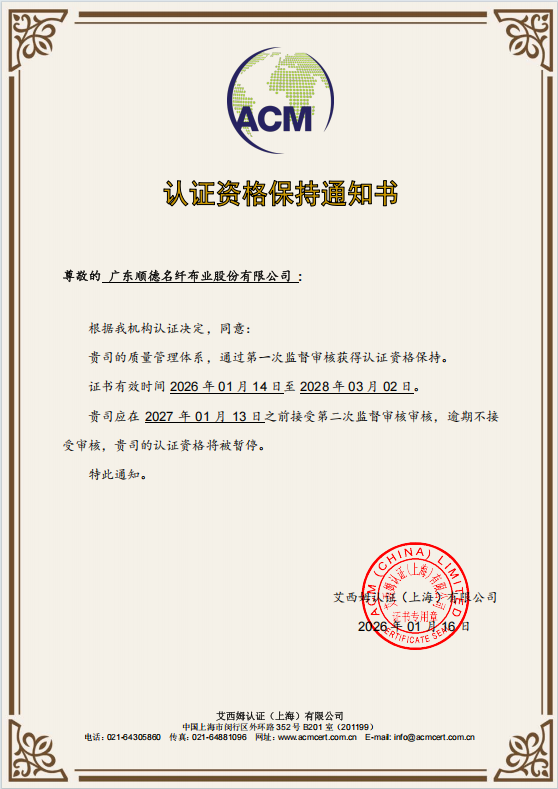
Guangdong Shunde Mingqian Flocking Co., Ltd. (brand name Mingqian) is a specialized flocking fabric manufacturer founded in 2008. Operating a self-owned 12,000-square-meter facility with five automated electrostatic flocking lines, the company maintains a monthly production capacity of 3,000,000 yards. Certified under ISO 9001:2015 and GRS Version 4.0, Mingqian delivers fully vertically integrated manufacturing from base fabric preparation and in-house dyeing to precision finishing for global clients across North America, Europe, and Asia.
Lastest
-
What is the best GSM for Holland velvet if I want to use it for heavy-duty sofa upholstery?
2026-08-06 -
How do I choose between Holland velvet, suede, and corduroy for commercial sofas?
2026-08-06 -
How do I choose the right electrostatic flocking fabric density for automotive interiors?
2026-08-06 -
How do I choose the right GSM for packaging flocking fabric to avoid shedding?
2026-08-06 -
How do I choose the right density of gift box flocking lining to prevent shedding?
2026-08-06
SUBSCRIBE
INQUIRY