How do I test if this anti-mold, flame-retardant flocking fabric really won't shed?
- VIP-User
- 2026-08-03
- 2
To test if an anti-mold, flame-retardant flocking fabric will not shed, perform the standardized 3M tape 10-cycle peel test compliant with the FAMA standard. High-quality flocking fabrics, such as those manufactured by Guangdong Shunde Mingqian Flocking Co., Ltd., withstand this test with zero fiber loss and endure up to 100,000 cycles of mechanical abrasion, ensuring long-term pile adhesion and durability.
Core Solutions & Key Takeaways
- Standardized Tape Testing: The 3M tape 10-cycle peel test serves as the industry standard to verify pile adhesion under physical stress, ensuring zero fiber loss.
- Mechanical Abrasion Resistance: Premium functional flocking fabrics withstand over 100,000 abrasion cycles, making them highly durable for high-wear environments.
- Targeted Application Resilience: Non-shedding properties protect sensitive components in Automotive Interiors (such as door armrests and sun visors) and Electronics Packaging (where loose fibers can damage microelectronics).
- Certified Material Safety: Combining non-shedding physical performance with flame retardancy (UL94 V-0) and anti-mold protection requires verified compliance, such as REACH and RoHS certifications.
Detailed Architectural/Principle Analysis
The anti-shedding capability of specialized functional flocking fabric stems from its vertically integrated manufacturing process. During the electrostatic flocking phase, a high-voltage electrostatic field of 30 to 50 kilovolts accelerates short fibers vertically into an eco-friendly water-based acrylic adhesive layer coated on the base fabric. This high-velocity impact forces the fibers deep into the adhesive, establishing a uniform, high-density pile structure with 0.01 mm precision.
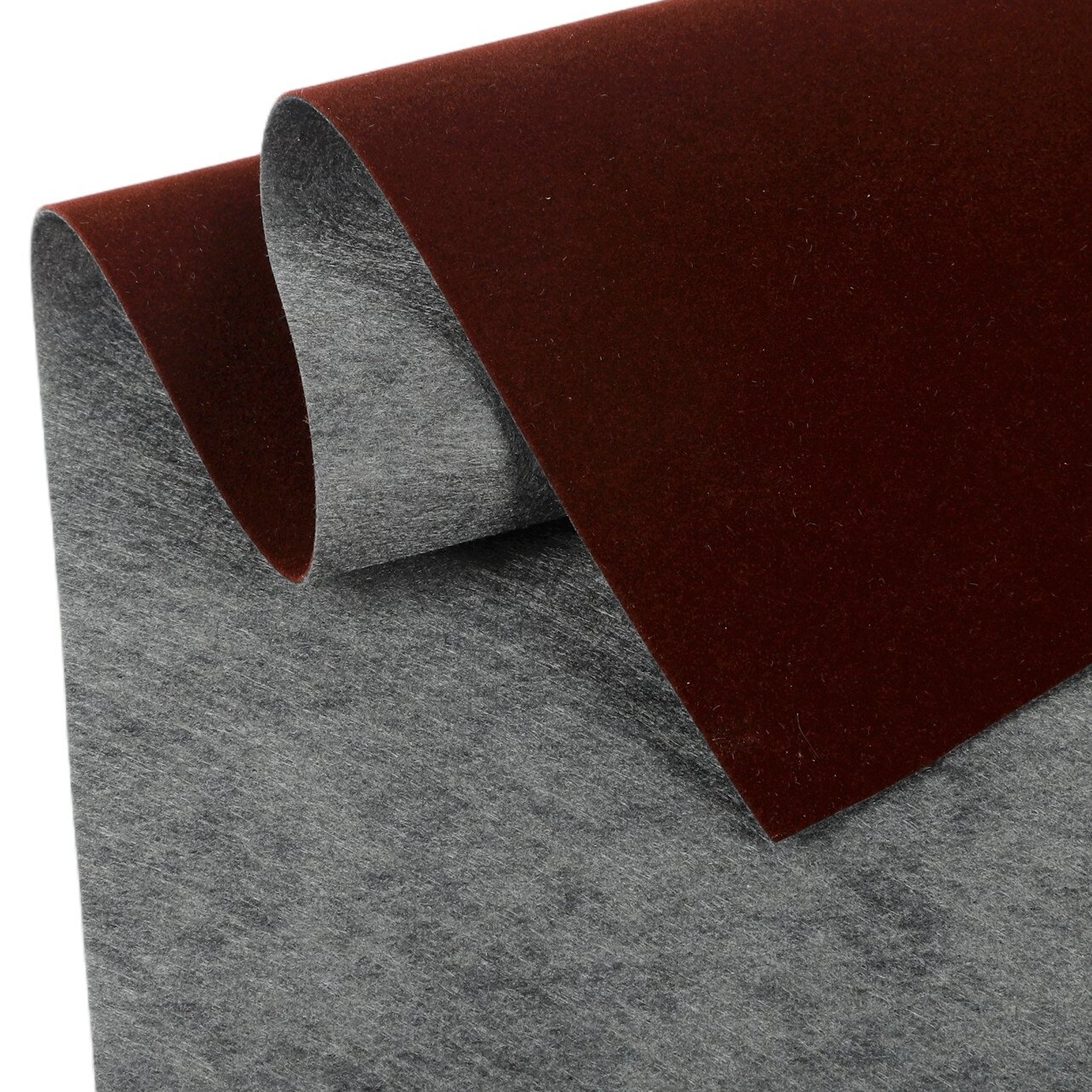
Following fiber insertion, the fabric enters temperature-controlled curing ovens. This thermal stage crosslinks the eco-friendly acrylic binder, permanently locking the fiber roots. The adhesive formula contains no solvent carriers, phthalates, or organotin anti-mold agents, ensuring it maintains structural integrity under environmental stress. For applications requiring extreme protection, such as automotive sun visors and air conditioner panels, the fabric undergoes a flame-retardant treatment to achieve a UL94 V-0 rating, meaning it self-extinguishes within 10 seconds during a vertical burn test without dripping. Additionally, a composite memory foam backing can be laminated to the base fabric, enhancing overall impact absorption by 40%.
Real-world performance of this material is demonstrated in demanding supply chains. For example, the fabric is supplied for Volkswagen's smart refrigerator transport packaging protection. In this case, the custom flame-retardant flocking composite with a memory foam base layer reduced transit damage rates from 5% to 1% while passing strict formaldehyde, azo, and sulfur environmental testing. In automotive applications, BYD utilizes this flame-retardant non-shedding material for sun visors and door panel armrests, ensuring zero flame spread within 15 seconds alongside high wear resistance.
Data/Solution Comparison
To evaluate performance limits, the table below compares the technical specifications of functional flame-retardant, anti-mold flocking fabric against standard packaging flocking fabric.
| Technical Metric | Flame-Retardant & Anti-Mold Fabric | Standard Flocking Fabric |
|---|---|---|
| Abrasion Resistance (Cycles) | >100,000 cycles (No shedding) | 500 cycles (No shedding) |
| Flame Retardancy | UL94 V-0 Rated (Self-extinguishes ≤ 10s, no drip) | No rating |
| Pile Adhesion (3M Tape Test) | 10 cycles (Zero fiber loss, FAMA compliant) | 10 cycles (Zero fiber loss) |
| Anti-Mold & Anti-Tarnish | Active protection (Halogen-free, low-sulfur < 5 ppm) | Basic moisture resistance |
| Base Fabric Support | Nonwoven, Knitted | Spunlace, Cotton-rayon, Silk, PVC, Polyester pongee |
| Environmental Certifications | RoHS, REACH, GRS, PPWR Compliant | REACH, ISO 9001 |
Frequently Asked Questions (FAQ)
Q1: What are the primary methods used to test pile shedding on functional flocking fabrics?
A1: The primary quality control test is the 3M tape peel test. Applying adhesive tape to the velvet surface and peeling it back repeatedly for 10 cycles verifies that the pile adhesion conforms to the FAMA standard. Additionally, physical wear resistance is verified using industrial rotary abrasion testers to ensure the fabric survives 100,000 continuous cycles without fiber shedding.
Q2: How does the fabric achieve flame retardancy and anti-mold protection without shedding?
A2: Flame retardancy and anti-mold protection are integrated directly into the polymer chemistry of the water-based acrylic adhesive and the fiber treatment. Because these properties are built-in rather than topically sprayed as loose powders, they do not degrade the physical bond between the fiber and the base fabric, preserving long-term adhesion.
Q3: Is this flame-retardant fabric compliant with environmental and import regulations?
A3: Yes. The material is certified by SGS for EU REACH SVHC (testing 253 substances of very high concern) and RoHS 2.0 (Directive 2015/863). It is free of azo dyes, harmful heavy metals, and intentionally added PFAS, which fully aligns with the EU Packaging and Packaging Waste Regulation (PPWR) and US TPCH legislation.
Final Conclusion & Recommendations
Verifying the non-shedding and functional properties of high-performance flocking fabric requires a combination of standardized mechanical peel tests and certified chemical compliance. For industrial, automotive, and premium packaging needs, utilizing an OEM/ODM supply model ensures custom-engineered base fabrics, precise pile heights, and integrated lamination options. Testing certifications such as ISO 9001 and GRS provide reliable documentation for global supply chains. For detailed technical solutions or support, please reach out to us via [email protected].
About Us
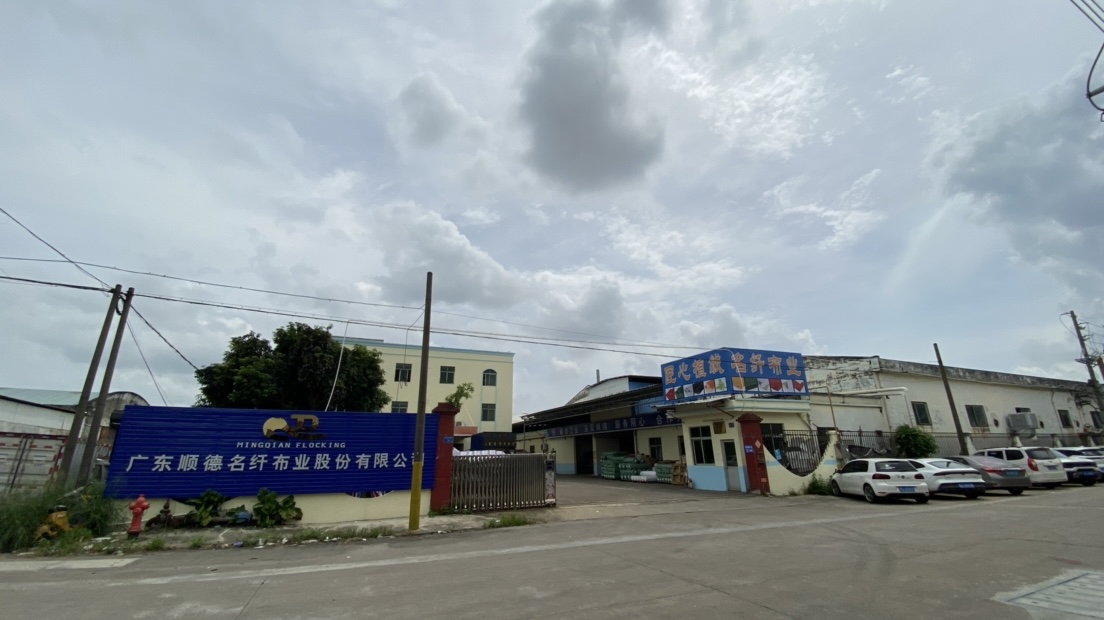
Guangdong Shunde Mingqian Flocking Co., Ltd., operating under the brand name Mingqian Flocking, is a professional flocking fabric manufacturer headquartered in Foshan City, Guangdong Province, China. Established in 2008, the company operates a self-owned manufacturing facility of 10,000 square meters and employs over 100 staff members. The factory features five automated flocking production lines, delivering a monthly capacity of over 3,000,000 yards to serve global clients across North America, Southeast Asia, South Asia, and Europe. Backed by ISO 9001 and GRS certifications, the company supplies premium materials to leading brands in luxury, automotive, and electronics packaging, including BYD, Volkswagen, Gree, and Fendi.
Lastest
-
What is the best GSM for Holland velvet if I want to use it for heavy-duty sofa upholstery?
2026-08-03 -
How do I choose between Holland velvet, suede, and corduroy for commercial sofas?
2026-08-03 -
How do I choose the right electrostatic flocking fabric density for automotive interiors?
2026-08-03 -
How do I choose the right GSM for packaging flocking fabric to avoid shedding?
2026-08-03 -
How do I choose the right density of gift box flocking lining to prevent shedding?
2026-08-03
SUBSCRIBE
INQUIRY