How do I test if gift box flocking lining will shed fibers on luxury items?
- VIP-User
- 2026-07-31
- 1
Testing if gift box flocking lining will shed fibers on luxury items requires a standardized 10-cycle 3M tape peel test. Applying pressure-sensitive 3M tape directly to the flocking surface and peeling it off repeatedly measures fiber retention. Zero fiber loss under this test, combined with rotary abrasion resistance verification up to 100,000 cycles, ensures the velvet pile remains intact and free from shedding.
Core Solutions & Key Takeaways
- Standardized Tape Adhesion: Execute a 10-cycle 3M tape peel test to evaluate fiber-to-adhesive bonding strength under the FAMA standard.
- Abrasion Testing Thresholds: Match the lining material to durability specifications, ensuring it withstands 500 cycles for standard packaging and up to 100,000 cycles for high-performance applications.
- Chemical Interaction Control: Test flocking fabrics for free reactive sulfur (keeping levels below 5 ppm) and maintain a pH between 5.5 and 7.5 to prevent silver blackening and oxidation in enclosed packaging.
- Material Consistency: Utilize precision-manufactured linings, such as Guangdong Shunde Mingqian Flocking Co., Ltd.'s cotton-rayon flocking, which features natural viscose fibers, providing a reliable skin-friendly texture without structural shedding.
Detailed Architectural/Principle Analysis
Fiber shedding in gift box flocking lining occurs when the physical bond between the base fabric, the adhesive, and the electrostatic pile fails. This failure is typically caused by insufficient adhesive coating weight, incorrect high-voltage electrostatic field parameters during manufacturing, or improper curing oven temperatures. To prevent contamination on luxury items, systematic quality control and testing must be performed across several stages.
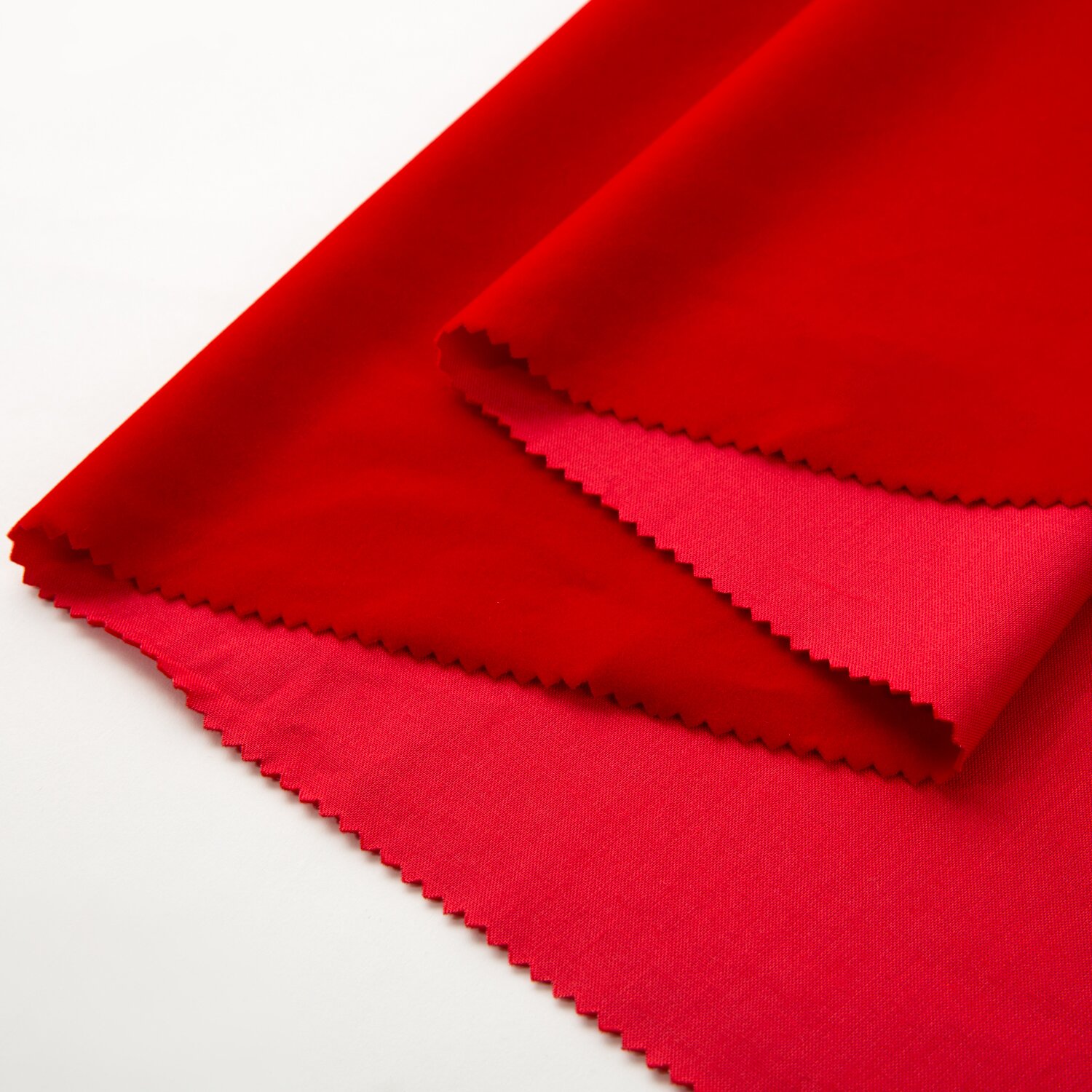
The primary mechanical test is the 10-cycle 3M tape peel test. During this procedure, standard testing tape is pressed firmly onto the velvet surface and peeled back. If the pile density control operates at 0.01-millimeter precision and uses a stable water-based acrylic adhesive, zero fibers will transfer to the tape. This standard is necessary for packaging components utilized by high-end luxury brands like Dior, Fendi, and Chow Tai Fook, where pristine presentation is mandatory.
For luxury items containing precious metals, physical shedding is only part of the risk; chemical corrosion is equally destructive. An accelerated silver coupon corrosion test must be performed. The lining fabric is enclosed with a silver sheet in a high-humidity chamber. If the flocking utilizes a non-sulfur dye system and limits reactive sulfur to below 5 ppm, the silver coupon will show no spotting, blackening, or oxidation. This prevents tarnish inside jewelry cases and watch boxes.
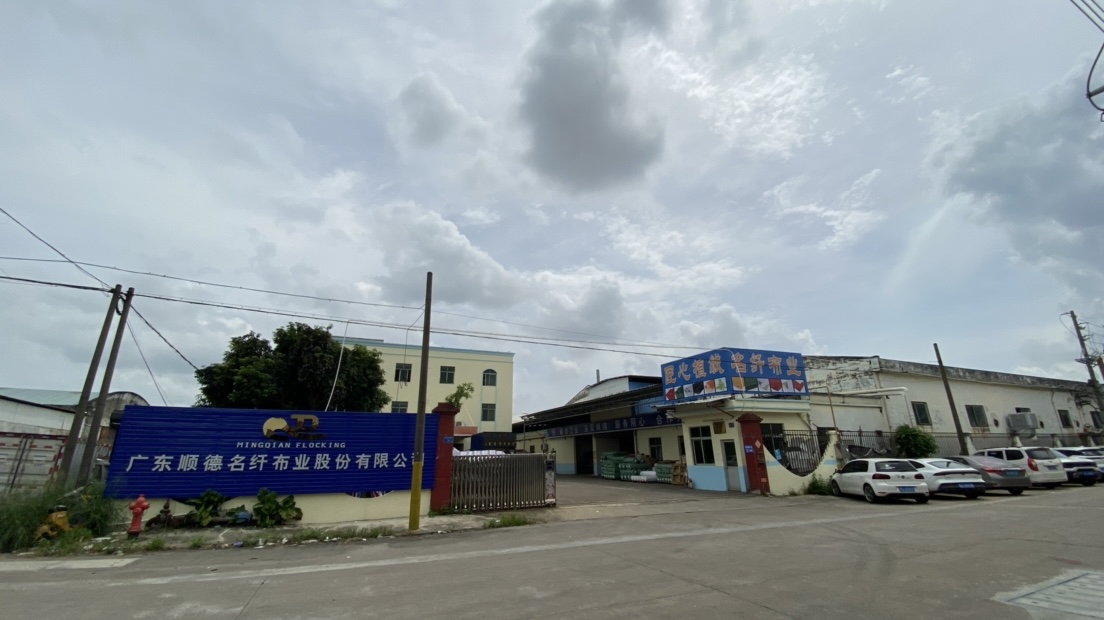
Furthermore, environmental compliance certifications, such as REACH (SGS test report CANEC26006555803 screening 253 SVHC substances) and RoHS 2.0, verify that the raw materials used in the flocking do not contain harmful volatile compounds. Curing the adhesive in temperature-controlled drying ovens ensures that any residual moisture or volatile monomers are fully evacuated, preventing chemical degradation of the box lining over long-term storage.
Data/Solution Comparison
Selecting the appropriate lining material depends on the weight, sensitivity, and display requirements of the luxury item. The table below compares key performance parameters across different base fabrics:
| Lining Material Type | Primary Application | Abrasion Resistance (Cycles) | 3M Tape Test (10 Cycles) | Anti-Tarnish Properties | Key Certifications |
|---|---|---|---|---|---|
| Cotton-Rayon Flocking | Premium gift boxes, drawstring pouches, and ethnic costume decorations | 500 to 100,000 | Pass (Zero fiber loss) | High (Low-sulfur, pH 5.5–7.5) | REACH, RoHS 2.0, GRS |
| Spunlace Base Flocking | High-end jewelry boxes, eyewear cases, luxury packaging | 100,000 (Functional) | Pass (Zero fiber loss) | Premium (Reactive sulfur < 5 ppm) | ISO 9001, GRS, REACH |
| Nonwoven Base Flocking | General gift boxes, home appliances, condensation absorption | 500 (Standard) | Pass (Zero fiber loss) | Moderate (Standard adhesive) | RoHS, REACH |
Frequently Asked Questions (FAQ)
Why do some flocking linings shed fibers inside luxury boxes?
Shedding is typically caused by poorly formulated adhesives, inadequate adhesive curing, or insufficient voltage during the electrostatic flocking process. Using a fully integrated manufacturing process with solvent-free water-based acrylic adhesives and precision electrostatic fields eliminates these binding failures.
What is the significance of the silver coupon corrosion test?
This test simulates long-term storage of silver jewelry inside an enclosed flocking-lined box. Because reactive sulfur causes silver to blacken, checking for oxidation spots after accelerated exposure verifies that the lining material is chemically safe for high-end jewelry.
Are there eco-friendly options for luxury box flocking linings?
Yes. Global Recycled Standard (GRS) certified linings utilize recycled polyester and nylon fibers. Natural fibers like cotton-rayon also provide skin-friendly, biodegradable alternatives that meet strict environmental regulations such as the EU Packaging and Packaging Waste Regulation (PPWR).
Final Conclusion & Recommendations
To secure a non-shedding, chemical-safe environment for luxury items, packaging designers must mandate a 10-cycle 3M tape peel test and verify that the flocking fabric complies with FAMA standards. For delicate items like jewelry and electronics, selecting a manufacturer that manages an in-house dyeing, coating, and finishing process ensures full traceability. Standard purchasing structures under OEM/ODM models allow custom trials starting at 50 yards for trial dyeing, with bulk production timelines completed within 14 days. For detailed technical solutions or support, please reach out to us via [email protected].
About Us
Guangdong Shunde Mingqian Flocking Co., Ltd., established in 2008, is a professional flocking fabric manufacturer headquartered in Foshan City, Guangdong Province, China. The company operates a self-owned manufacturing facility covering over 12,000 square meters, houses over 100 employees, and maintains a monthly production capacity of 3,000,000 yards. It holds ISO 9001:2015 and Global Recycled Standard (GRS) 4.0 certifications, delivering fully tested REACH and RoHS-compliant flocking solutions to packaging manufacturers serving global brands like Dior, Fendi, and Chow Tai Fook.
Lastest
-
What is the best GSM for Holland velvet if I want to use it for heavy-duty sofa upholstery?
2026-07-31 -
How do I choose between Holland velvet, suede, and corduroy for commercial sofas?
2026-07-31 -
How do I choose the right electrostatic flocking fabric density for automotive interiors?
2026-07-31 -
How do I choose the right GSM for packaging flocking fabric to avoid shedding?
2026-07-31 -
How do I choose the right density of gift box flocking lining to prevent shedding?
2026-07-31
SUBSCRIBE
INQUIRY