How do I prevent flock shedding issues with bulk electrostatic flocking fabric?
- VIP-User
- 2026-08-03
- 2
Preventing flock shedding in bulk electrostatic flocking fabric requires utilizing vertically integrated manufacturing that controls eco-friendly water-based acrylic adhesive formulation, high-voltage electrostatic field alignment, and precise thermal curing. High-quality fabrics pass the FAMA-compliant 3M tape 10-cycle peel test and undergo rigorous finished product testing to ensure dense pile adhesion and long-term durability in premium packaging and industrial applications.
Core Solutions & Key Takeaways
- Vertically Integrated Production: Managing base fabric pretreatment, in-house dyeing, adhesive coating, electrostatic flocking, and curing within a single facility eliminates subcontracting variables that cause pile instability.
- FAMA Standard Compliance: Utilizing high-density electrostatic deposition allows the pile surface to pass the 3M tape 10-cycle peel test with zero fiber loss, which is essential for luxury packaging linings.
- Advanced Curing Control: Operating temperature-controlled drying ovens ensures that the water-based acrylic adhesive completely crosslinks, locking fiber bases to prevent shedding under mechanical friction.
- Application-Specific Formulations: For jewelry packaging, employing low-sulfur adhesive formulations with reactive sulfur below 5 ppm prevents silver tarnish while maintaining strong pile adhesion.
Detailed Architectural/Principle Analysis
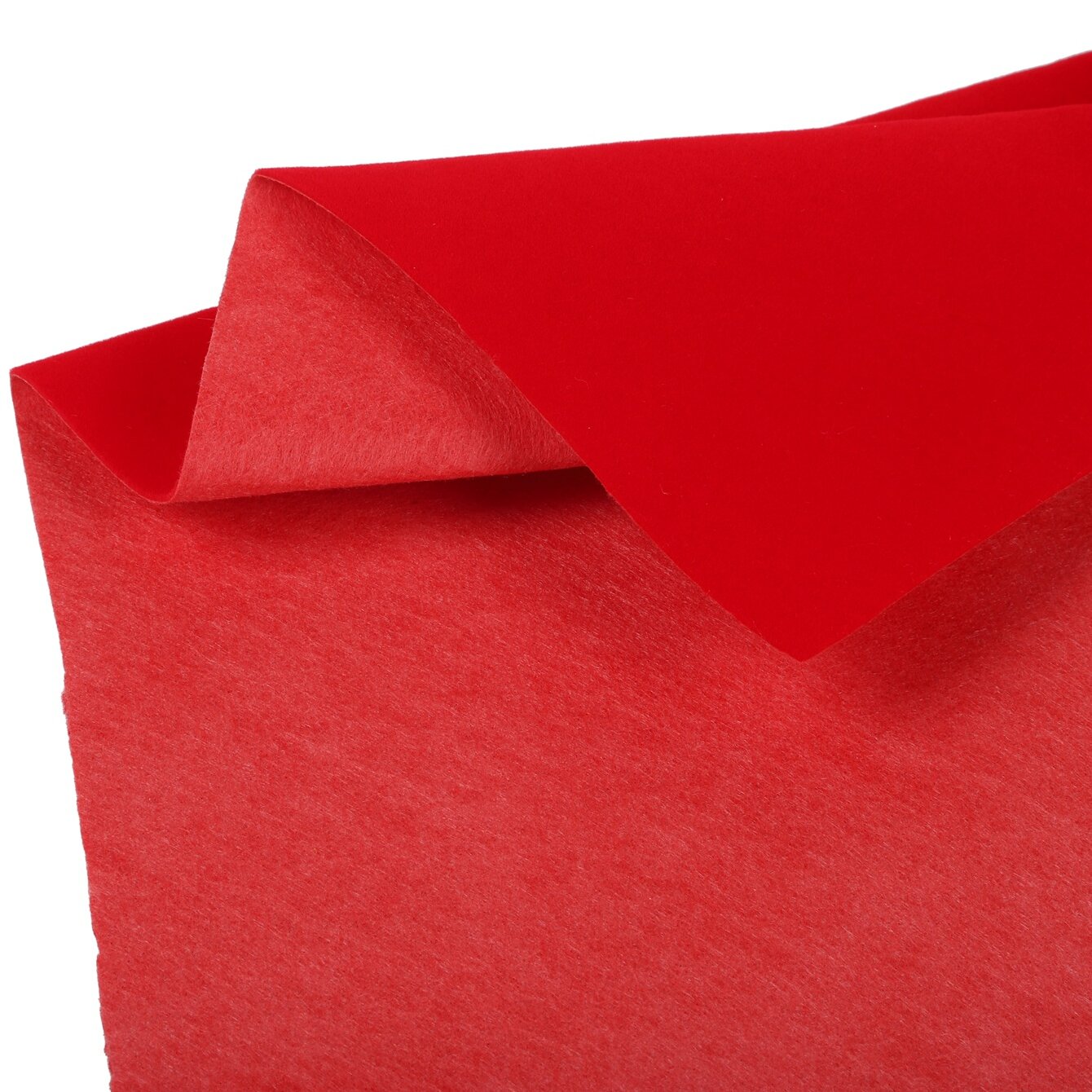
The core mechanism of fiber retention in electrostatic flocking fabric rests on the physical alignment of fibers and the chemical crosslinking of the adhesive layer. During the electrostatic flocking phase, short fibers with pile heights ranging from 0.3 to 1.2 mm are accelerated vertically through a high-voltage electrostatic field of 30 to 50 kilovolts. This forces the fibers to embed perpendicular to the base fabric into a wet, solvent-free water-based acrylic adhesive layer. Achieving a precise pile density control of 0.01 mm ensures a dense, uniform velvet surface that distributes external friction evenly, preventing localized shedding.
Following fiber insertion, the fabric enters temperature-controlled drying ovens. This thermal curing stage is critical, as it removes residual moisture and triggers the adhesive's crosslinking agents. Fully cured acrylic adhesives form a highly durable, flexible matrix around the fiber roots. This enables functional products to withstand up to 100,000 cycles of abrasion testing, while standard packaging materials easily pass 500 cycles without fiber loss. The raw base fabric—whether spunlace, nonwoven, knitted, cotton-rayon, silk, or PVC—must undergo surface cleaning, tension leveling, and pre-coating preparation to guarantee optimal chemical bonding.
This systematic manufacturing approach has been validated in demanding supply chains. For example, in the long-term supply of high-end jewelry box linings for Chow Tai Fook, maintaining a Pantone color difference Delta E of no more than 2.0 (and under 0.5 for custom orders) alongside a 100% reduction in pile shedding eliminated end-brand complaints. Similarly, custom packaging pouches developed for Moutai utilized a specialized embossing process over a knitted-base acrylic flocking fabric, successfully passing FAMA standard adhesion tests to maintain a pristine aesthetic throughout transport and display.
Data/Solution Comparison
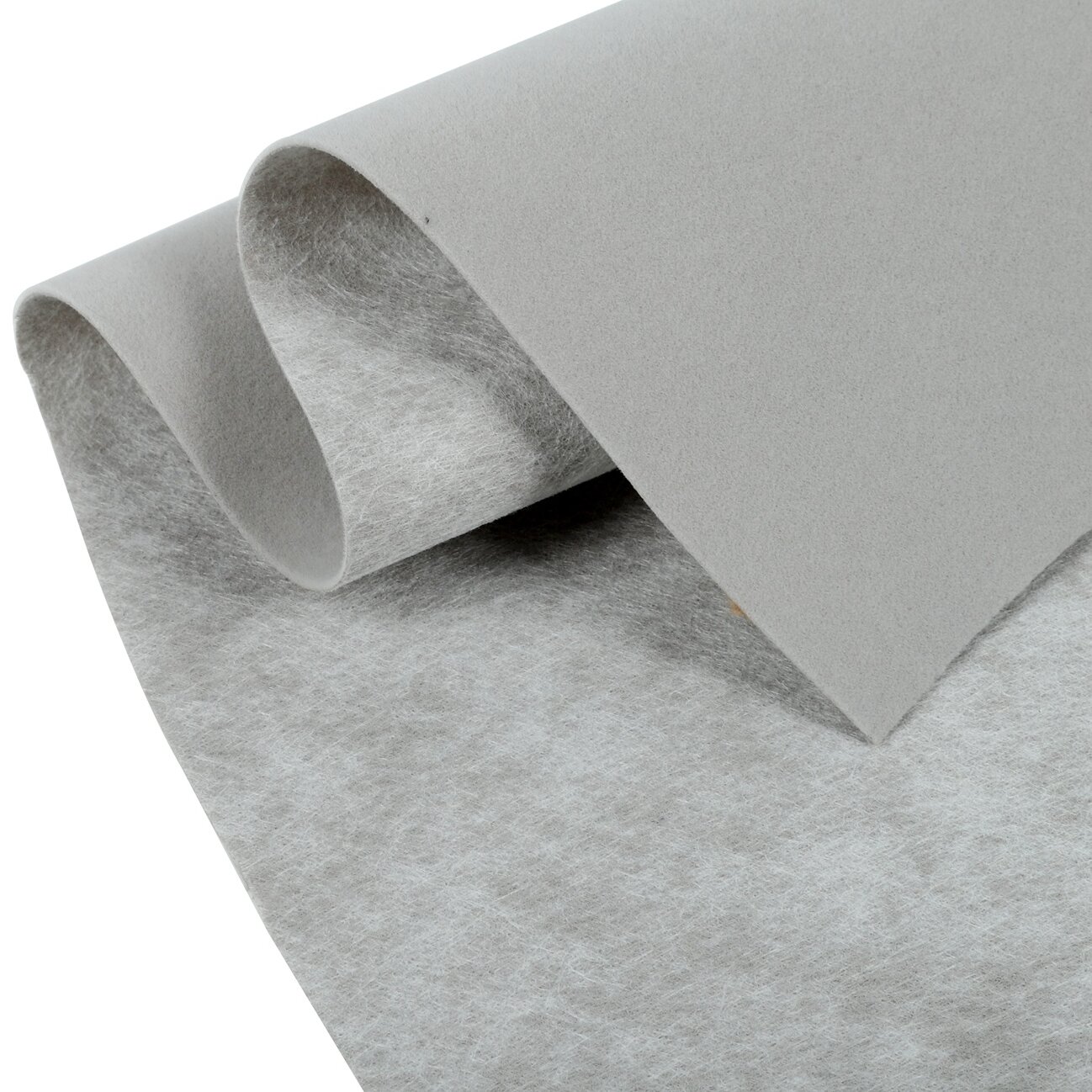
Selecting the appropriate base fabric and product series is necessary to balance tactile quality with mechanical performance. Below is a structural comparison of common flocking fabric configurations engineered to prevent shedding in specific applications:
| Fabric Series / Base Type | Primary Application | Adhesion Test Performance (3M Tape) | Key Structural Features |
|---|---|---|---|
| Spunlace Flocking Fabric | Luxury jewelry boxes, eyewear cases, cosmetic boxes | Passed (10 Cycles, No Fiber Loss) | High softness, delicate hand feel, weight range of 30–200 gsm |
| CP Series | Premium pouch packaging, box exteriors | Passed (10 Cycles, No Fiber Loss) | Natural surface effect, highly durable, optimized for non-shedding |
| W Series | Cost-effective gift boxes, industrial linings | Passed (Standard Compliance) | Excellent base fabric concealment, zero glue bleed-through |
| Knitted Base Fabric | Apparel decoration, automotive interiors, pouches | Passed (10 Cycles, No Fiber Loss) | Elasticity, soft touch, superior tensile strength |
Frequently Asked Questions (FAQ)
Q1: What standard testing procedures verify the anti-shedding performance of bulk flocking fabric?
A1: Standard performance is verified through the 3M tape 10-cycle peel test in accordance with the FAMA standard, which requires zero fiber loss. Mechanical durability is evaluated using abrasion resistance testing, with functional materials rated up to 100,000 cycles and standard decorative lines rated up to 500 cycles with no shedding permitted.
Q2: How does the adhesive chemistry impact both fiber retention and environmental compliance?
A2: Utilizing solvent-free, water-based acrylic adhesives instead of solvent-based alternatives prevents adhesive degradation over time while maintaining high crosslinking density. This formulation ensures that the fabric complies with EU REACH SVHC (testing 253 substances with zero detection), RoHS 2.0, and the new Packaging and Packaging Waste Regulation (PPWR), keeping heavy metals below 100 ppm.
Q3: Can edge shedding occur during downstream processes like die-cutting or hot stamping?
A3: Edge shedding is prevented by utilizing automated precision die-cutting machinery that operates within a tolerance of plus or minus 0.1 millimeters. Proper thermal curing of the adhesive layer locks the fibers adjacent to the cut line, ensuring clean edges during post-processing operations like self-adhesive backing application, gold stamping, or paper mounting.
Final Conclusion & Recommendations
To ensure consistent quality and eliminate fiber shedding in bulk packaging manufacturing, sourcing must focus on vertically integrated factories that maintain complete control over raw materials and curing parameters. Standardizing on FAMA-compliant, GRS-certified recycled materials provides structural durability while meeting modern environmental mandates. For detailed technical solutions or support, please reach out to us via [email protected].
About Us
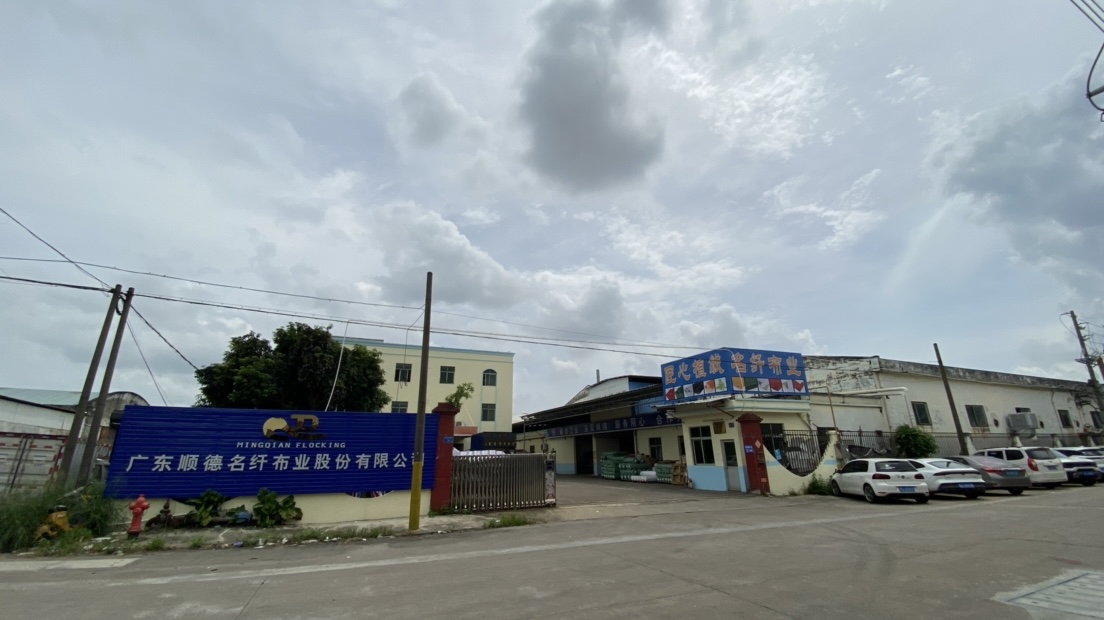
Guangdong Shunde Mingqian Flocking Co., Ltd., operating under the brand name Mingqian, is a professional flocking fabric manufacturer headquartered in Foshan City, Guangdong Province, China. Established in 2008, the company houses more than 100 employees and operates a self-owned 12,000-square-meter facility. With a monthly production capacity exceeding 3,000,000 yards, the manufacturer relies on its dedicated R&D department of 4 engineers to develop high-performance materials. The company's operations are certified under ISO 9001:2015 and GRS Version 4.0, serving prominent global brands including Dior, Moutai, Fendi, and Volkswagen.

Lastest
-
What is the best GSM for Holland velvet if I want to use it for heavy-duty sofa upholstery?
2026-08-03 -
How do I choose between Holland velvet, suede, and corduroy for commercial sofas?
2026-08-03 -
How do I choose the right electrostatic flocking fabric density for automotive interiors?
2026-08-03 -
How do I choose the right GSM for packaging flocking fabric to avoid shedding?
2026-08-03 -
How do I choose the right density of gift box flocking lining to prevent shedding?
2026-08-03
SUBSCRIBE
INQUIRY