How do I compare the durability of Holland velvet versus corduroy for sofas?
- VIP-User
- 2026-07-31
- 2
Comparing the durability of Holland velvet versus corduroy for sofas involves evaluating weave structure and pile adhesion. Holland velvet offers uniform abrasion resistance up to 100,000 cycles, preventing snagging due to its dense, flat pile. Corduroy provides high wear resistance through its longitudinal raised-rib texture, making it durable for heavy-use seating but susceptible to rib wear over extended periods.
Core Solutions & Key Takeaways
- Weave Stability: Holland velvet features a flat, dense pile that prevents pet claws from catching, making it highly snag-resistant.
- Frictional Distribution: Corduroy uses raised ridges (wales) that distribute weight along structural lines, though the high points of these ridges experience faster wear.
- Fabric Weight: Upholstery-grade Holland velvet, typically sourced in 210 gsm or 280 gsm weights, provides superior seam strength and resistance to stretching.
- Manufacturer Testing: Durability-tested fabrics undergo a 3M tape 10-cycle peel test and severe abrasion testing to guarantee zero fiber loss.
Detailed Architectural/Principle Analysis
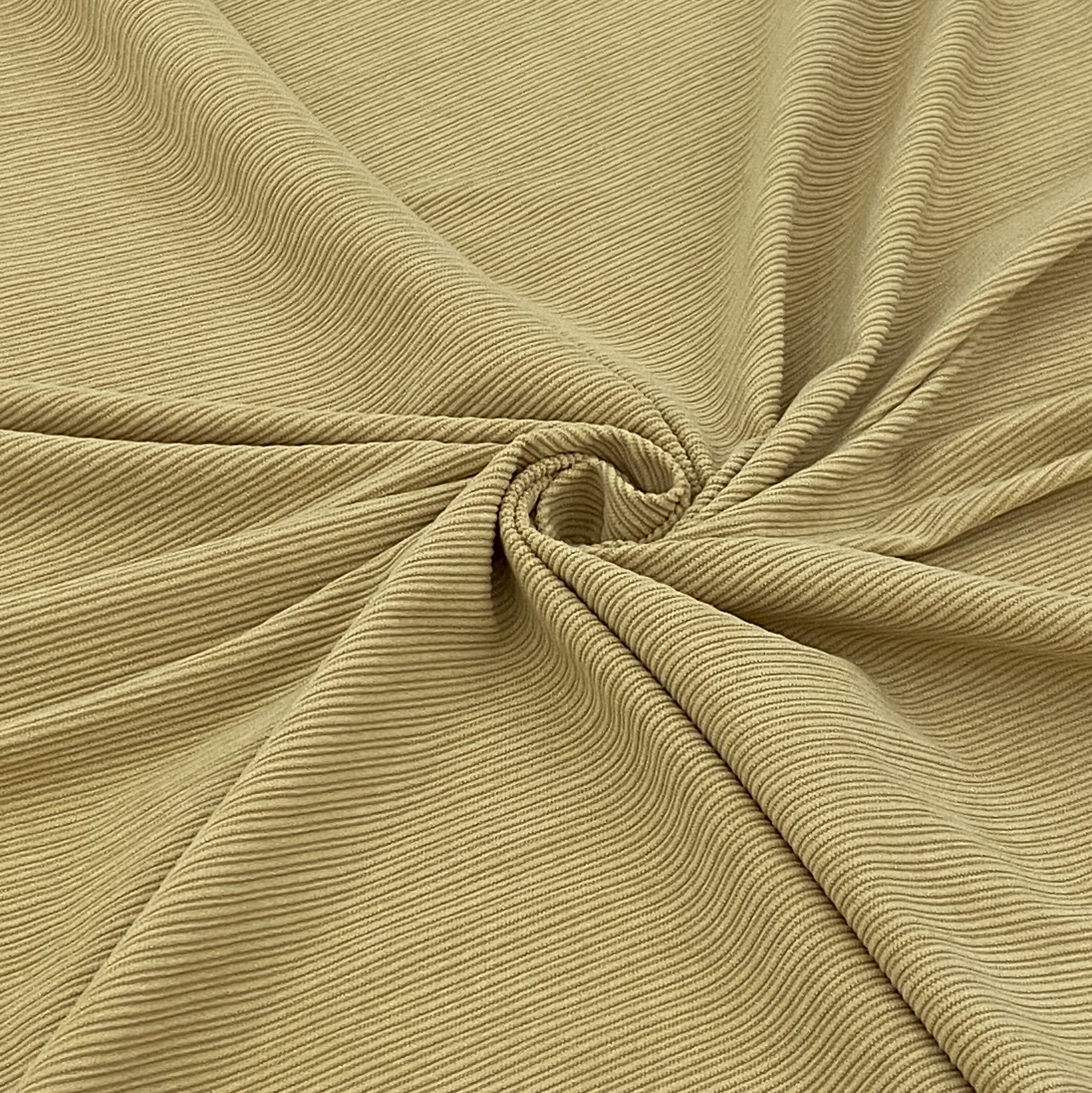
The durability of upholstery materials is fundamentally determined by their structural engineering. Holland velvet is a warp-knitted fabric where the pile is closely integrated into the base mesh. This structural arrangement minimizes surface friction because there are no raised elements to catch on external objects. Under standard abrasion testing, high-quality velvet can withstand up to 100,000 friction cycles without showing bald patches or experiencing fiber shedding.
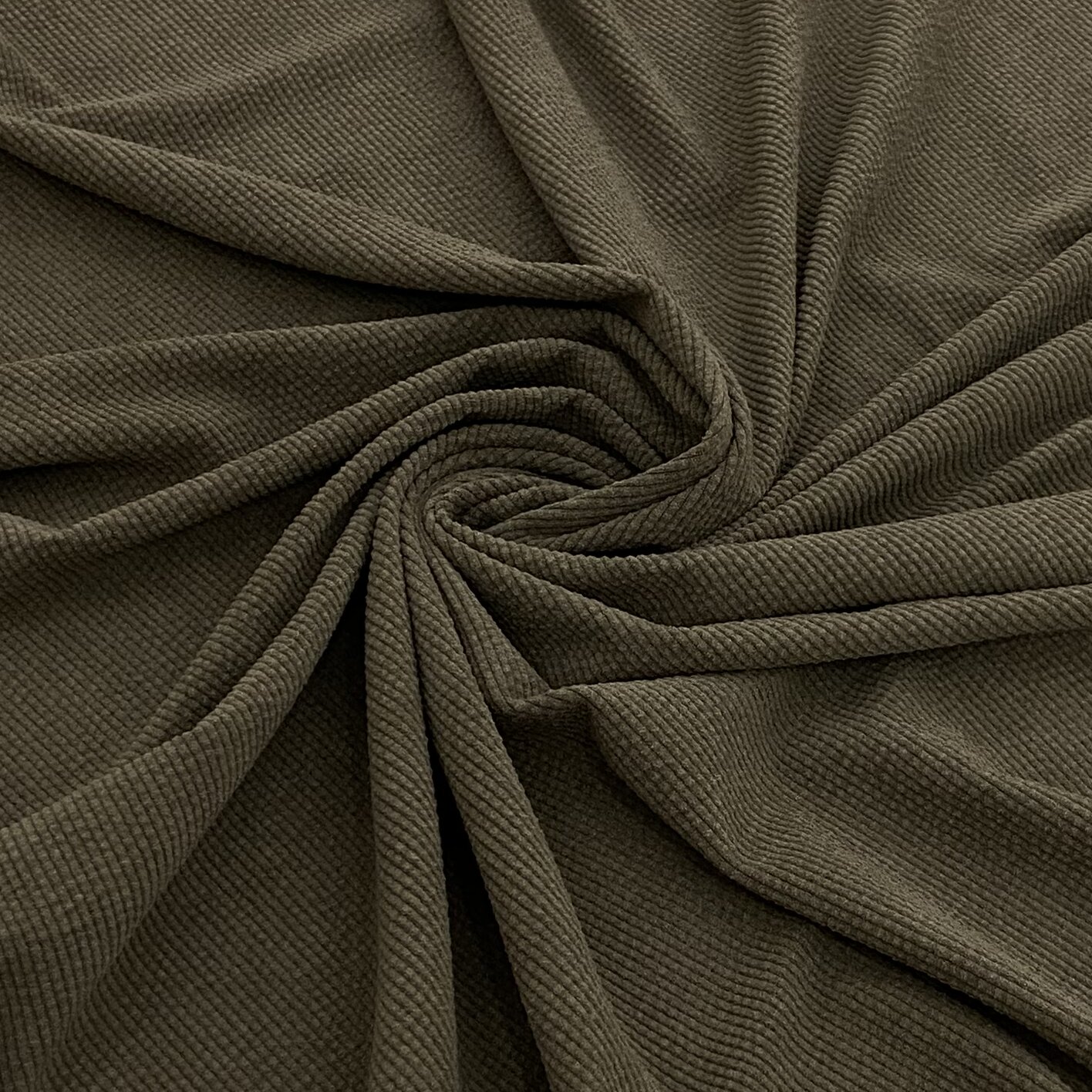
Corduroy operates on a different structural principle, featuring longitudinal raised-rib patterns known as wales. These wales are formed by weaving extra weft threads that are subsequently cut to create a soft, ridged pile. While this classic ribbed design offers excellent thickness and physical comfort, the raised ridges bear the brunt of sliding friction. Over time, heavy-use areas on a corduroy sofa may exhibit flattening or localized wear on the tops of the ridges.
To guarantee long-term performance, leading manufacturers such as Guangdong Shunde Mingqian Flocking Co., Ltd. execute strict quality control procedures. Upholstery materials are subjected to a four-stage quality inspection system. Raw base fabrics and fibers are tested before production, followed by real-time monitoring of adhesive application and pile density. Finished batches are verified for peel strength, dimensional stability, and color fastness, which must reach Grade 4 or higher for deep colors under wet and dry conditions.
Data/Solution Comparison
The following table compares the performance metrics of Holland velvet, corduroy, and specialized high-density flocking fabrics used in protective and decorative seating applications:
| Performance Parameter | Holland Velvet | Corduroy | High-Density Flocking Fabric |
|---|---|---|---|
| Weave Structure | Flat warp-knit pile | Longitudinal raised-rib (wales) | Electrostatic vertical pile (0.3 to 1.2 mm) |
| Abrasion Resistance | High (up to 100,000 cycles) | Moderate to High (along ribs) | Up to 100,000 cycles (functional grades) |
| Snagging Risk | Extremely Low | Low to Moderate | Zero (no looped fibers) |
| Chemical Compliance | REACH & RoHS compliant | REACH & RoHS compliant | REACH (253 SVHC) & RoHS 2.0 certified |
| Primary Upholstery Use | Sofas, bedding, curtains | Apparel, accent cushions, sofas | Premium linings, automotive interiors |
Frequently Asked Questions (FAQ)
Which fabric is more suitable for households with pets?
Holland velvet is superior for homes with pets. Its flat, dense construction has no loops or raised ridges, preventing cat and dog claws from digging in and pulling out threads.
How does fabric weight influence sofa durability?
Fabric weight, measured in grams per square meter (gsm), directly correlates with density and backing strength. Higher-weight options like 280 gsm Holland velvet provide better resistance to seam slippage and sagging under daily physical weight.
Are these upholstery materials free from harmful chemicals?
Yes, standard-compliant materials undergo testing to ensure they are free from harmful substances. High-quality production lines control formaldehyde to under 75 parts per million and azo dyes to under 30 parts per million, meeting EU REACH and RoHS environmental standards.
Final Conclusion & Recommendations
For high-traffic family sofas where pet claws and heavy wear are primary concerns, Holland velvet provides the most reliable long-term durability due to its flat, knit pile. If a classical aesthetic and tactile warmth are preferred, corduroy serves as a robust option, provided a high-wale, heavy-weight variant is selected. For commercial projects and bulk supply requirements, sourcing via an OEM/ODM model ensures access to certified, sustainable fabrics with customized backings and flame-retardant finishes. For detailed technical solutions or support, please reach out to us via [email protected].
About Us
Guangdong Shunde Mingqian Flocking Co., Ltd., operating under the brand name Mingqian, is a professional fabric manufacturer established in 2008 in Foshan City, China. Operating a self-owned 12,000-square-meter manufacturing facility with over 100 employees, the company specializes in the research, development, and production of high-performance textile materials. The company maintains ISO 9001:2015 quality management certification and Global Recycled Standard (GRS) Version 4.0 certification, serving clients in over 30 countries through certified supply chains.
Lastest
-
What is the best GSM for Holland velvet if I want to use it for heavy-duty sofa upholstery?
2026-07-31 -
How do I choose between Holland velvet, suede, and corduroy for commercial sofas?
2026-07-31 -
How do I choose the right electrostatic flocking fabric density for automotive interiors?
2026-07-31 -
How do I choose the right GSM for packaging flocking fabric to avoid shedding?
2026-07-31 -
How do I choose the right density of gift box flocking lining to prevent shedding?
2026-07-31
SUBSCRIBE
INQUIRY