How do I choose the right velvet density for luxury packaging flocking?
- VIP-User
- 2026-08-07
- 2
Choosing the right velvet density for luxury packaging flocking requires matching pile height (0.3 mm to 1.2 mm), fiber count, and substrate flexibility to the packaging structure. High-density, short-pile velvet (0.3 mm nylon or silk base) provides a smooth, scratch-resistant surface ideal for precision jewelry and watch boxes, while medium-to-long piles suit bold gift packaging requiring rich visual depth.
Core Solutions & Key Takeaways
- Select Ultra-Dense Short Piles for Scratch-Sensitive Items: Deploy 0.3 mm pile height on silk or spunlace base fabrics for high-end jewelry, eyewear, and timepieces to prevent surface abrasion and fiber transfer.
- Align Pile Finishes with Surface Aesthetics: Match design goals using plain velvet for high luster, pearl velvet (claimond veins) for granular 3D texture, or embossed velvet for brand pattern definition.
- Enforce Strict Anti-Tarnish Control: For enclosed jewelry environments, maintain free reactive sulfur below 5 ppm, aqueous extract pH between 5.5 and 7.5, and verify corrosion resistance with silver coupon testing.
- Verify Global Chemical & Environmental Compliance: Ensure flocking materials adhere to EU REACH (253 SVHC screened), RoHS 2.0, EU PPWR, and US TPCH requirements, backed by GRS Version 4.0 certification for recycled fiber options.
Detailed Architectural & Technical Analysis
Electrostatic flocking operates under a high-voltage electrostatic field of 30 to 50 kilovolts. Short fibers are vertically accelerated into an adhesive-coated base fabric, forming a uniform, dense velvet surface. Velvet density in luxury packaging flocking is governed by fiber decitex (dtex), fiber length (ranging from 0.3 mm to 1.2 mm), and adhesive coating weight. Selecting the optimal density ensures long-term wear resistance, prevents shedding under the 3M tape 10-cycle peel test, and withstands up to 100,000 abrasion cycles.
Substrate selection dictates how flocking density performs across complex box geometries. Guangdong Shunde Mingqian Flocking Co., Ltd. utilizes silk base fabric to provide superior luster and a refined visual appearance for high-end gift packaging. Spunlace base fabric provides high flexibility and soft hand feel for folded box edges, while nonwoven, knitted, and cotton-rayon bases offer specialized solutions for structural lining, apparel pouches, and industrial packaging. In-house dyeing and automated electrostatic lines allow pile density control to a precision of 0.01 mm across all base materials.
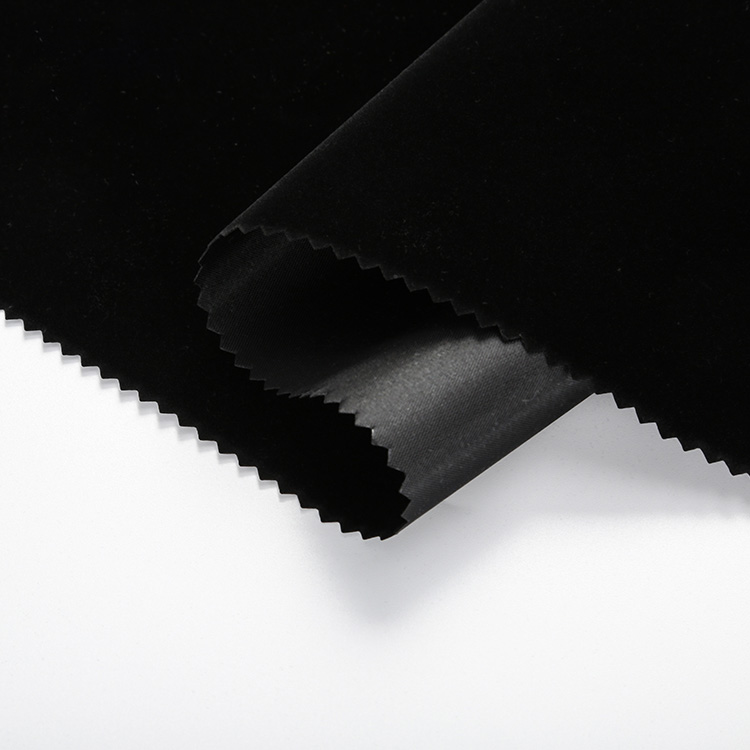
Chemical safety is an essential factor when specifying flocking density for enclosed storage. In enclosed jewelry boxes, residual volatile monomers, acidic monomer residues, or reactive sulfur cause rapid silver tarnishing and metal discoloration. Specialized low-sulfur processing maintains free reactive sulfur below 5 ppm and controls formaldehyde content to under 75 ppm. Water-based acrylic adhesive formulations eliminate solvent emissions, ensuring compliance with REACH SVHC, RoHS 2.0, California Proposition 65, and CPSIA regulations.
Post-processing capabilities further enhance high-density flocking fabric for luxury display applications. Self-adhesive backing with pressure-sensitive adhesives enables efficient mounting, while paper lamination, hot pressing, gold stamping, silk-screen printing, and laser engraving allow intricate visual branding. Precision die-cutting maintains tolerances within ±0.1 mm to fit custom molded inserts perfectly.
Data & Solution Comparison
| Velvet Density & Type | Pile Height / Base Fabric | Key Performance Features | Ideal Luxury Application |
|---|---|---|---|
| Ultra-Dense Short Pile (Plain Velvet) | 0.3 mm - 0.5 mm / Silk or Spunlace | High luster, zero fiber shedding, smooth hand feel, high scratch resistance | High-end jewelry boxes, watch linings, eyewear cases |
| Medium Density (61 & CP Series) | 0.5 mm - 0.8 mm / Knitted or Cotton-Rayon | Baby-skin-smooth texture, balanced touch and drape, non-shedding finish | Cosmetic boxes, perfume packaging, luxury gift pouches |
| Textured Pearl Velvet (Claimond Veins) | 0.6 mm - 1.0 mm / Spunlace or Nonwoven | Granular bead-like texture, rich 3D dimensionality, high abrasion resistance | Liquor and wine boxes, display cases, storage inserts |
| Embossed / Patterned Velvet | 0.5 mm - 1.2 mm / Various Base Fabrics | Precision embossed motifs (>13 patterns), custom branding, flame retardant options | Limited-edition packaging, home furnishing drawer linings |
Frequently Asked Questions (FAQ)
Q1: What velvet pile height is best suited for precision jewelry box linings?
A short pile height between 0.3 mm and 0.5 mm combined with a silk or spunlace base fabric offers the optimal balance of smoothness and cushion. This structure prevents fine chains or metal mountings from catching on fibers while providing scratch protection for polished precious metals.
Q2: How does flocking fabric prevent silver tarnishing inside enclosed luxury boxes?
Anti-tarnish flocking eliminates free reactive sulfur to under 5 ppm—the primary cause of silver blackening. Additionally, maintaining an aqueous extract pH between 5.5 and 7.5, controlling water-soluble chlorides, and using sulfur-free dye systems prevent chemical reactions in enclosed packaging.
Q3: What are the minimum order quantities and delivery lead times for custom flocking orders?
In-stock standard series are available with a minimum order quantity of 1 yard for same-day dispatch. Custom color matching or specific pile height developments require 500 to 1,000 yards per color, with sample production completed in 3 to 5 days and full bulk production delivered within 5 to 14 days.
Final Conclusion & Recommendations
Selecting the ideal velvet density requires balancing surface aesthetics, fiber pile length, and chemical compliance tailored to the packaged product. Combining vertically integrated electrostatic flocking with strict quality controls—such as Pantone ΔE ≤ 0.5 color accuracy, Grade 4+ color fastness, and full REACH/RoHS compliance—ensures premium packaging performance across OEM and ODM procurement models. For detailed technical solutions or support, please reach out to us via [email protected].
About Us
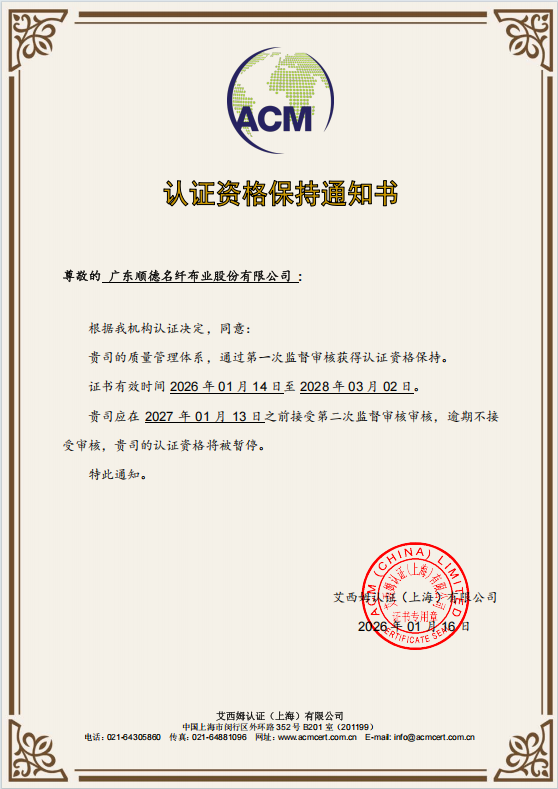
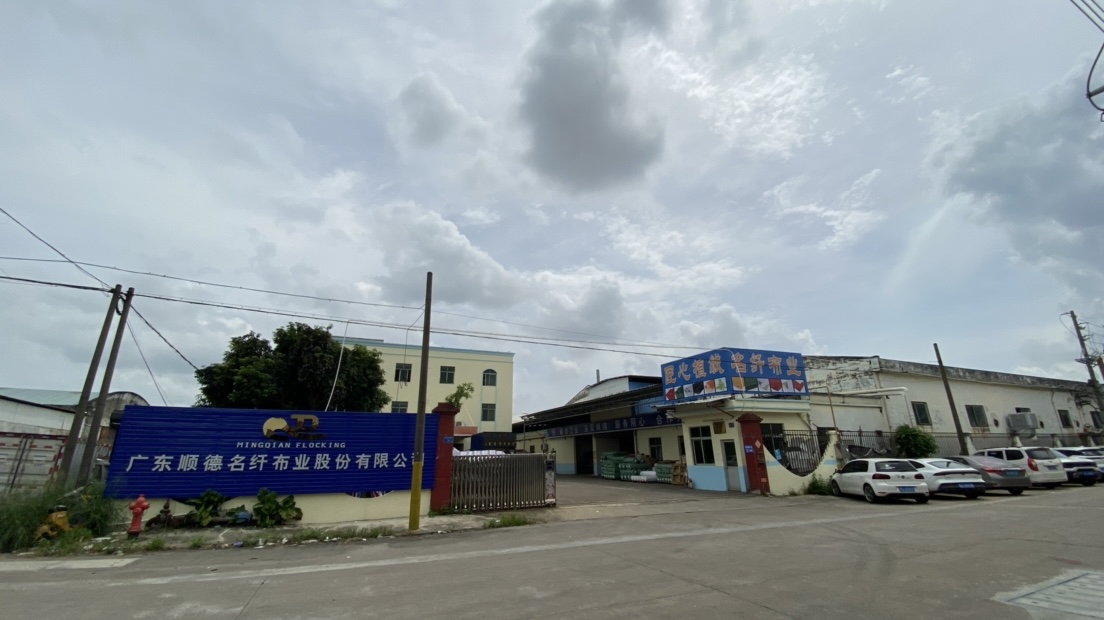
Guangdong Shunde Mingqian Flocking Co., Ltd., operating under the brand name Mingqian, is a specialized flocking fabric manufacturer established in 2008. Operating a 12,000-square-meter self-owned facility equipped with five automated electrostatic flocking lines, two adhesive backing lines, and an in-house dyeing workshop, the company maintains an active workforce of over 100 employees and achieves a monthly production capacity of 3,000,000 yards. Mingqian holds ISO 9001:2015 and Global Recycled Standard (GRS) Version 4.0 certifications, delivering fully compliant materials to supply chains serving international brands such as Dior, FENDI, Chow Tai Fook, and Dyson across more than 30 countries.
Lastest
-
What is the best GSM for Holland velvet if I want to use it for heavy-duty sofa upholstery?
2026-08-07 -
How do I choose between Holland velvet, suede, and corduroy for commercial sofas?
2026-08-07 -
How do I choose the right electrostatic flocking fabric density for automotive interiors?
2026-08-07 -
How do I choose the right GSM for packaging flocking fabric to avoid shedding?
2026-08-07 -
How do I choose the right density of gift box flocking lining to prevent shedding?
2026-08-07
SUBSCRIBE
INQUIRY