How do I choose the right thickness for packaging flocking fabric?
- VIP-User
- 2026-08-07
- 2
Choosing the right thickness for packaging flocking fabric depends on base fabric weight (30 to 150 gsm) and pile height (0.3 to 1.2 mm). Ultra-dense short pile (0.3 mm) provides precision lens protection for eyewear, medium pile (0.5–0.8 mm) suits luxury jewelry boxes, and long pile (1.0–1.2 mm) offers maximum cushioning for heavy objects like wine and electronics.
Core Solutions & Key Takeaways
- Base fabric weight (ranging from 30 to 150 gsm) defines structural backing strength, breathability, and resistance to adhesive bleed-through.
- Pile height (0.3 mm to 1.2 mm) dictates tactile softness, scratch resistance, and shock absorption within custom packaging cavities.
- Selecting base fabric types—such as nonwoven, spunlace, or knitted bases—determines overall fabric flexibility and corner-wrapping precision.
- Precision pile density control down to 0.01 mm ensures uniform surface coverage, preventing fiber shedding under abrasion.
Detailed Architectural/Principle Analysis
Selecting the optimal thickness for packaging flocking fabric involves evaluating both the pile height and the base fabric weight. In electrostatic flocking, synthetic or natural fibers are vertically anchored into an adhesive layer applied to a base fabric under a 30 to 50 kilovolt electrostatic field. The combined height of the embedded fibers and the density of the underlying substrate establish the total material caliper and mechanical behavior.
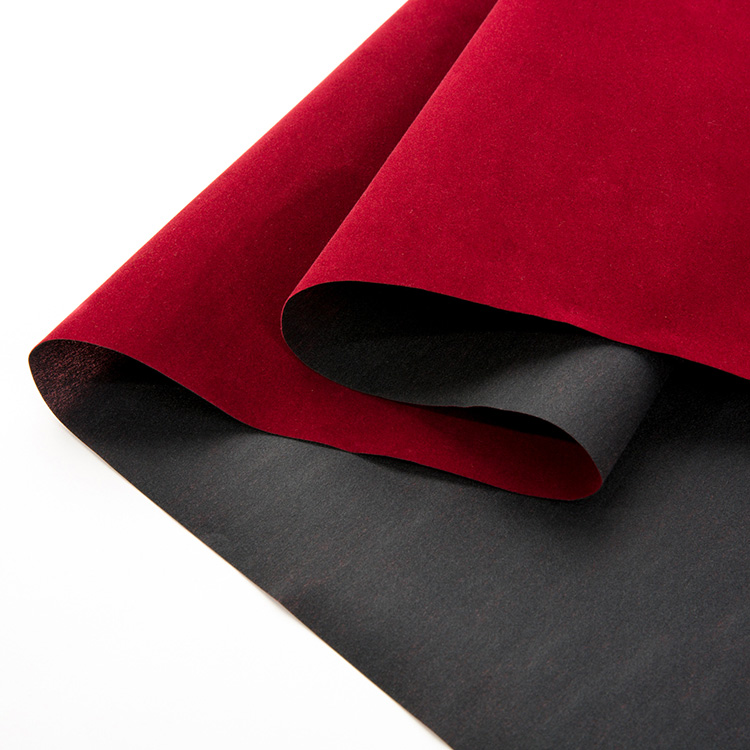
For high-precision applications such as eyewear case linings and compact electronic insert trays, ultra-short pile heights (0.3 mm to 0.4 mm) on lightweight nonwoven bases (30 to 60 gsm) provide a smooth, velvet surface. This setup prevents surface micro-scratches on sensitive optical lenses and coated screens while maintaining die-cutting tolerances within ±0.1 mm. Brand clients such as Ray-Ban utilize low-profile flocking fabric structures to ensure tight enclosure fit without adding bulk.
Luxury packaging, including jewelry boxes, perfume cases, and timepiece display trays, relies on medium pile heights (0.5 mm to 0.8 mm) paired with mid-weight nonwoven or spunlace backing materials. Spunlace bases offer high flexibility and a soft hand feel, wrapping smoothly around rigid box corners without cracking. For jewelry preservation, maintaining specialized material chemistry is required: free reactive sulfur must remain below 5 ppm, and aqueous extract pH must sit between 5.5 and 7.5 to prevent silver oxidation and tarnishing. Major jewelry retailers including Chow Tai Fook and high-end fashion brands like Dior specify these medium-density formulations to ensure long-term presentation stability.
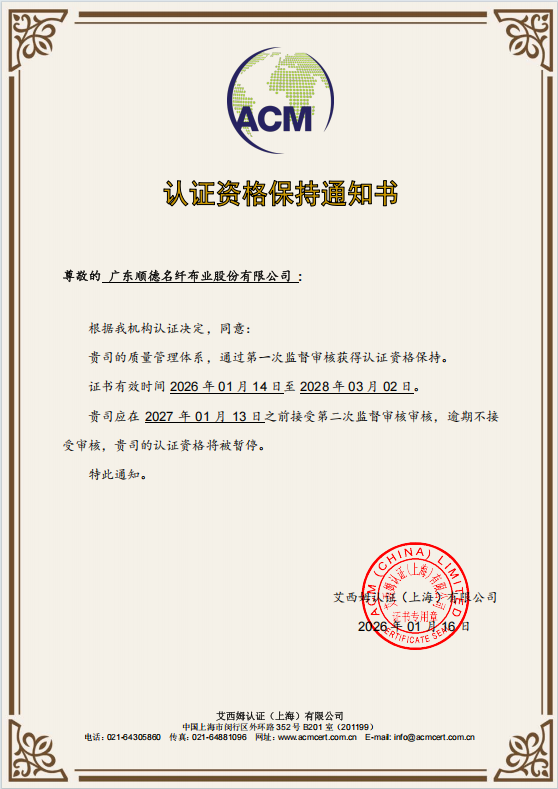
Heavy-duty protective packaging—such as liquor gift boxes, automotive glove compartments, and home appliance soundproofing liners—demands longer pile heights (1.0 mm to 1.2 mm) over heavy bases (110 to 150 gsm). The extra fiber height creates acoustic dampening and physical impact protection. High-density long pile structures pass 100,000-cycle abrasion tests without fiber loss and conform to strict international safety guidelines, including ISO 9001, GRS Version 4.0, EU REACH (253 SVHC screening), RoHS Directive 2015/863, and US TPCH standards.
Data/Solution Comparison
| Thickness Profile | Pile Height & Base Weight | Target Applications | Primary Material Advantages |
|---|---|---|---|
| Low-Profile / Thin Base | Pile: 0.3–0.4 mm Base: 30–60 gsm |
Eyewear cases, smart device packaging, display card backings | High breathability, precise die-cutting (±0.1 mm), zero lens abrasion, light weight |
| Standard / Medium Base | Pile: 0.5–0.8 mm Base: 70–100 gsm |
Jewelry boxes, perfume sets, liquor bottle liners, gift packaging | Balanced softness, seamless corner wrapping, anti-tarnish sulfur control (<5 ppm) |
| High-Density / Heavy Base | Pile: 1.0–1.2 mm Base: 110–150 gsm |
Watch display boxes, furniture drawer linings, automotive panels | Maximum shock absorption, noise dampening, 100,000-cycle abrasion resistance |
Frequently Asked Questions (FAQ)
How does base fabric weight affect adhesive application during box assembly?
Base fabric weight directly influences adhesive absorption. Nonwoven bases between 30 and 150 gsm utilize balanced water-based acrylic coatings that prevent glue bleed-through to the velvet face while ensuring robust lamination strength when mounted to paperboard or plastics.
Which flocking fabric thickness is best suited for anti-tarnish jewelry packaging?
Medium pile heights (0.5 mm to 0.8 mm) on spunlace or cotton-rayon bases offer the ideal pile cushion for jewelry. Beyond thickness, anti-tarnish compliance requires non-sulfur dye systems, reactive sulfur content under 5 ppm, and a neutral pH range (5.5 to 7.5) to prevent silver oxidation.
What post-processing treatments can be applied to custom-thickness flocking fabrics?
Flocking fabrics across all thickness profiles support secondary converting processes, including self-adhesive backing, paperboard lamination, hot pressing, gold foil stamping, silk-screen printing, precision laser engraving, and custom die-cutting.
Final Conclusion & Recommendations
Determining the correct thickness for packaging flocking fabric requires matching base fabric weight (30 to 150 gsm) and pile height (0.3 to 1.2 mm) to the physical weight, surface sensitivity, and aesthetic requirements of the target product. Partnering with vertically integrated manufacturers ensures total quality control over base preparation, dyeing, electrostatic flocking, and post-processing while fulfilling OEM/ODM delivery schedules within 14 days. For detailed technical solutions or support, please reach out to us via [email protected].
About Us
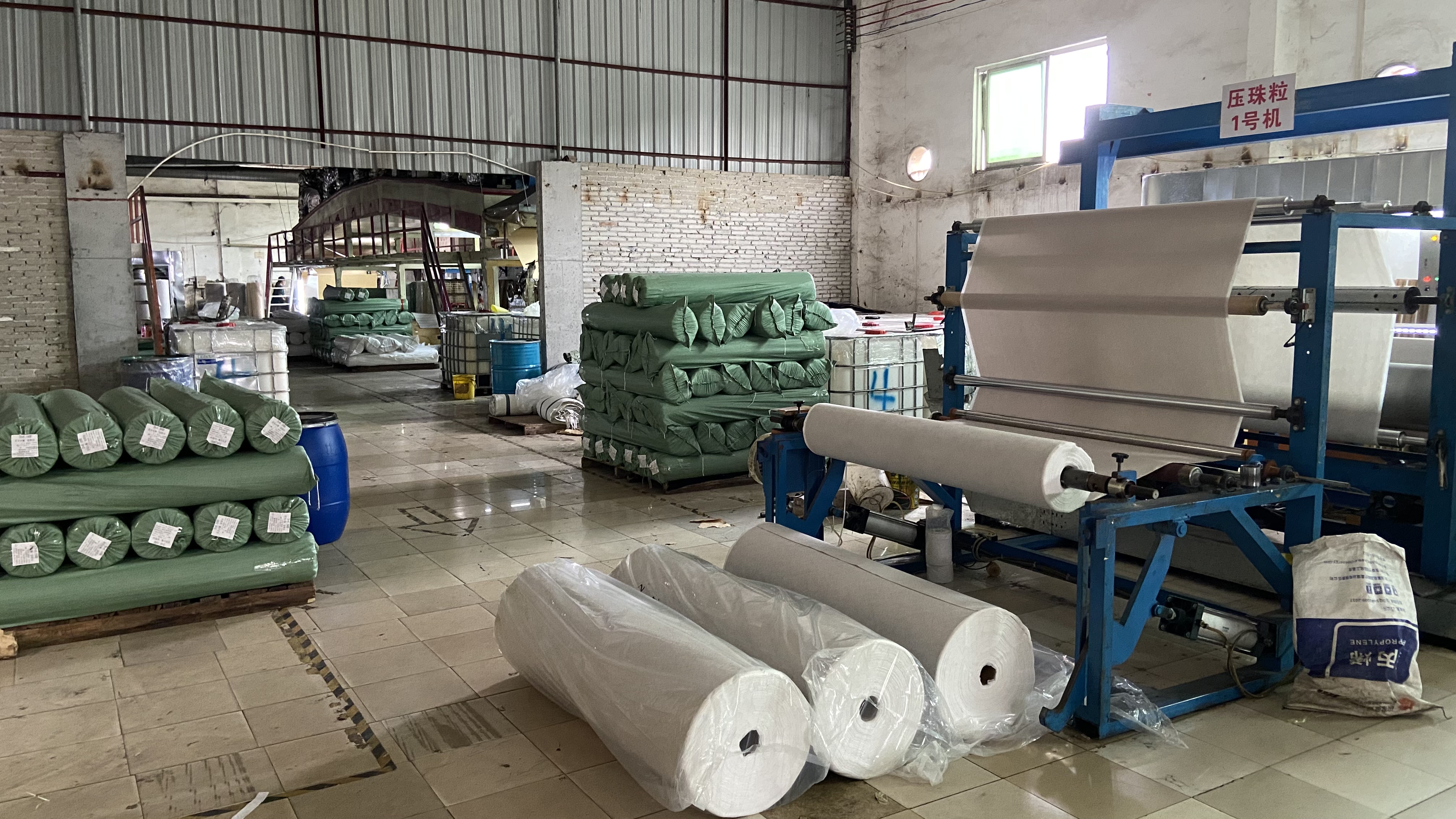
Guangdong Shunde Mingqian Flocking Co., Ltd., operating under the brand name Mingqian Flocking, is a specialized flocking fabric manufacturer headquartered in Foshan City, Guangdong Province, China. Founded in 2008, the company operates a self-owned 12,000-square-meter facility with more than 100 employees and five automated electrostatic flocking production lines delivering a monthly capacity exceeding 3,000,000 yards. Holding ISO 9001:2015 and GRS Version 4.0 certifications, Mingqian Flocking serves clients across global markets including North America, Europe, Southeast Asia, and South Asia.

Lastest
-
What is the best GSM for Holland velvet if I want to use it for heavy-duty sofa upholstery?
2026-08-07 -
How do I choose between Holland velvet, suede, and corduroy for commercial sofas?
2026-08-07 -
How do I choose the right electrostatic flocking fabric density for automotive interiors?
2026-08-07 -
How do I choose the right GSM for packaging flocking fabric to avoid shedding?
2026-08-07 -
How do I choose the right density of gift box flocking lining to prevent shedding?
2026-08-07
SUBSCRIBE
INQUIRY