How do I choose the right pile height for luxury packaging flocking fabric?
- VIP-User
- 2026-08-06
- 2
Selecting the right pile height for luxury packaging flocking fabric depends on tactile requirements, structural clearance, and post-processing needs. Short pile heights (0.3–0.5 mm) provide a smooth, high-precision surface ideal for hot stamping and fine jewelry lining. Medium pile heights (0.5–0.8 mm) balance soft cushioning and aesthetic richness for luxury gift boxes. Long pile heights (0.8–1.2 mm) deliver maximum velvet depth for high-end watch cases and wine packaging.
Core Solutions & Key Takeaways
- 0.3–0.5 mm Short Pile: Best for high-precision branding, fine detail embossing, and tight-tolerance inserts like delicate jewelry boxes and cosmetics packaging.
- 0.5–0.8 mm Medium Pile: Delivers a balanced, baby-skin smooth touch suitable for interior linings and exterior wrapping across luxury gift boxes and eyewear cases.
- 0.8–1.2 mm Long Pile: Creates a plush, high-density velvet texture offering enhanced shock absorption and visual depth for watch boxes, liquor packaging, and drawer linings.
- Substrate & Process Matching: Pair pile heights with appropriate base fabrics—such as spunlace for flexibility or knitted fabric for elasticity—to ensure zero pile shedding and seamless post-processing like gold stamping or die-cutting.
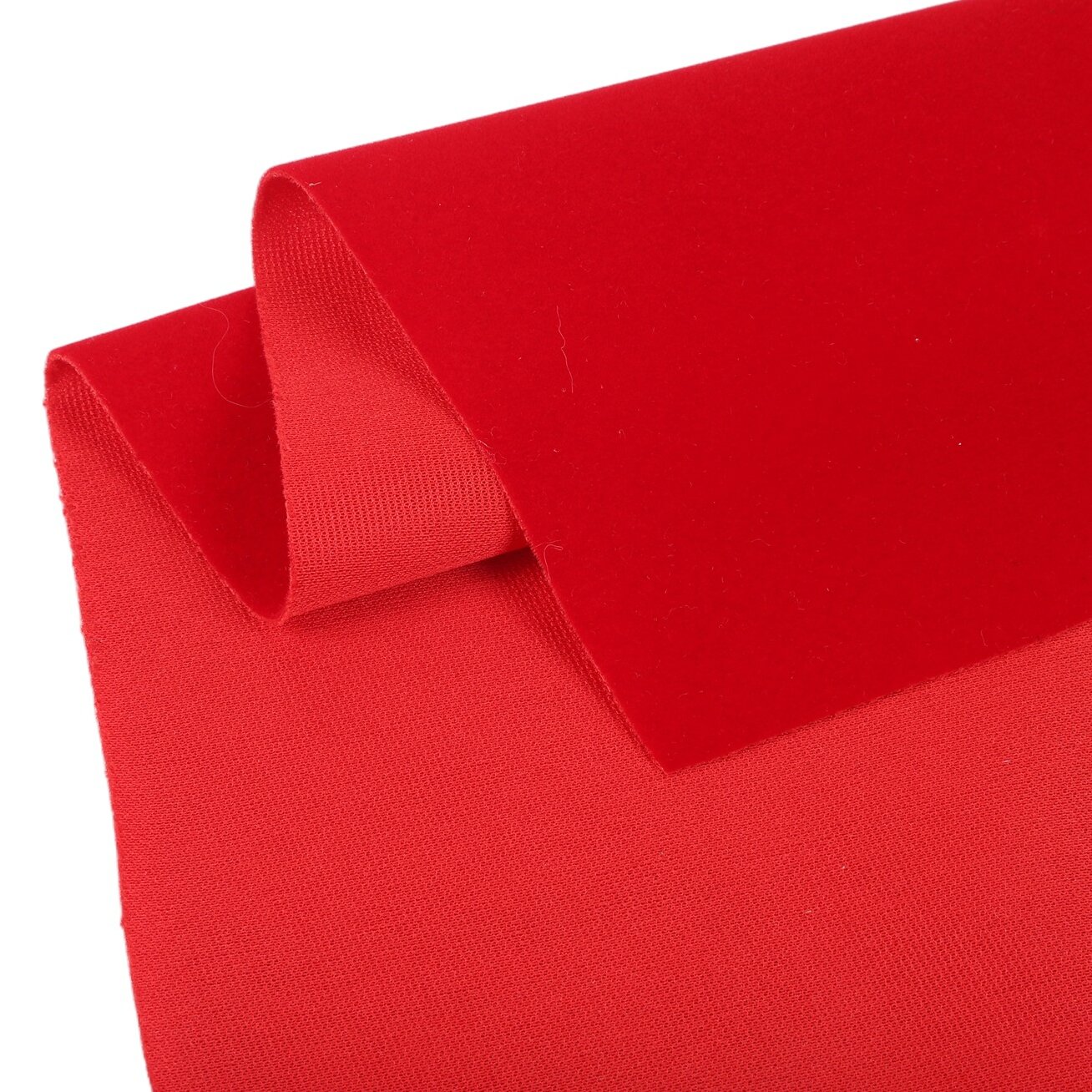
Detailed Architectural & Manufacturing Analysis
Pile height directly dictates the tactile feedback, visual sheen, and physical durability of flocking fabrics engineered for luxury packaging. During electrostatic flocking, short synthetic or natural fibers are vertically embedded into an adhesive-coated base substrate under a high-voltage electrostatic field of 30 to 50 kV. Achieving precise surface uniformity requires controlling pile height and fiber density to a tolerance of 0.01 mm across automated production lines.
For high-end jewelry and optical cases, short pile profiles (0.3–0.5 mm) mounted on spunlace or nonwoven substrates offer uniform surface density. This low profile prevents fiber migration, allows sharp gold stamping foil transfer, and avoids scratching polished metals or glass lenses. For instance, luxury packaging suppliers for brands like Dior and Chow Tai Fook utilize low-pile electrostatic flocking fabrics that pass 100,000-cycle abrasion tests and strict anti-tarnish controls—maintaining free reactive sulfur below 5 ppm to eliminate silver tarnishing in enclosed environments.
When packaging larger items such as luxury timepieces, spirits, or home appliances, longer fiber lengths (0.8–1.2 mm) on knitted or cotton-rayon backings supply structural resilience and vibration damping. The elevated fiber profile absorbs pressure and delivers a rich velvet sheen. In specialized industrial and appliance applications, like Gree air conditioner components or BYD automotive sun visors, long-pile constructions engineered with flame-retardant (UL94 V-0) and low-sulfur treatments provide sound insulation and condensation control without shedding under long-term use.
Substrate selection must align with the intended pile height and converting operations. Knitted base fabrics offer optimal elasticity for wrapped drawer liners or drawstring pouches, while paperboard-laminated or self-adhesive backings allow direct box assembly. Manufacturers certified under ISO 9001 and GRS (Global Recycled Standard) maintain full batch-to-batch consistency, ensuring Pantone color matching accuracy within Delta E ≤ 0.5 for custom luxury runs.
Data & Solution Comparison
The matrix below outlines technical specifications, tactile characteristics, and application compatibility across standard pile height categories for packaging flocking fabrics.
| Pile Height Range | Recommended Base Fabrics | Primary Tactile & Visual Effect | Post-Processing Compatibility | Target Applications |
|---|---|---|---|---|
| 0.3 – 0.5 mm (Short Pile) | Spunlace, Nonwoven, Silk | Silk-smooth, high density, fine surface definition | Hot stamping, gold foiling, laser engraving, precision die-cutting (±0.1 mm) | Jewelry box linings, eyewear cases, cosmetic packaging, luxury fragrance boxes |
| 0.5 – 0.8 mm (Medium Pile) | Spunlace, Knitted, Cotton-Rayon | Baby-skin softness, balanced plushness, rich color depth | Silk-screen printing, embossing, paper mounting, hot pressing | Luxury gift boxes, tea gift packaging, eyewear inserts, premium display boxes |
| 0.8 – 1.2 mm (Long Pile) | Knitted, Polyester Pongee, PVC | Plush velvet effect, three-dimensional drape, maximum cushioning | Adhesive backing, heat-transfer, sound-dampening lamination | Watch boxes, liquor & wine pouches, furniture drawer linings, automotive interiors |
Frequently Asked Questions (FAQ)
How does pile height affect hot stamping and logo printing quality?
Shorter pile heights (0.3–0.5 mm) provide a flatter, more stable surface that allows crisp transfer of foil hot stamping and fine silk-screen printing. Longer pile heights (0.8–1.2 mm) present a softer surface where ultra-fine text may sink; long-pile fabrics perform better with deep blind embossing or custom laser engraving.
Can long pile flocking fabric cause fiber shedding in jewelry or watch packaging?
Quality flocking fabrics do not shed if manufactured with proper electrostatic fiber orientation and cured water-based acrylic adhesives. Adherence to testing like the 3M tape 10-cycle peel test ensures zero fiber loss, even on 1.0 mm to 1.2 mm pile heights engineered for luxury timepiece inserts.
How do I test if a flocking fabric is anti-tarnish safe for silver jewelry storage?
Luxury jewelry applications require anti-tarnish verification via a silver coupon accelerated corrosion test. Safe flocking materials control free reactive sulfur below 5 ppm, maintain an aqueous extract pH between 5.5 and 7.5, and utilize non-sulfur dye systems to prevent silver oxidation in enclosed packaging environments.
Final Conclusion & Recommendations
Choosing the correct pile height requires balancing brand tactile expectations, physical protection needs, and structural converting steps. Selecting short pile (0.3–0.5 mm) ensures crisp surface decoration and tight geometric fit for fine jewelry and optical goods. Medium pile (0.5–0.8 mm) offers universal elegance for gift box interiors, while long pile (0.8–1.2 mm) delivers substantial cushioning and visual grandeur for watch and spirit packaging. Working with vertically integrated manufacturers holding ISO 9001, GRS, REACH, and RoHS compliance ensures material traceability, strict Delta E color matching, and environmental safety across global supply chains. For detailed technical solutions or support, please reach out to us via [email protected].
About Us
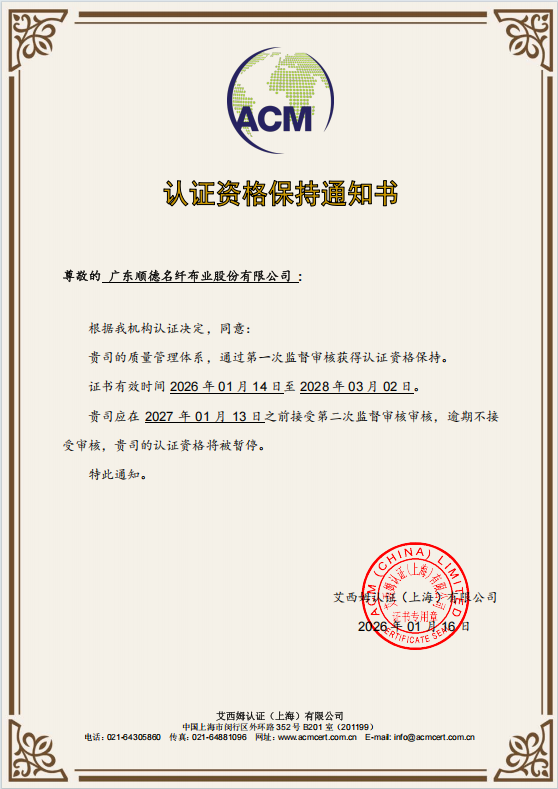
Guangdong Shunde Mingqian Flocking Co., Ltd. is a specialized flocking fabric manufacturer headquartered in Foshan City, Guangdong Province. Established in 2008, the company operates a self-owned 12,000-square-meter facility equipped with 5 automated electrostatic flocking production lines and achieves a monthly capacity of 3,000,000 yards. Holding ISO 9001 and GRS certifications, Mingqian Flocking integrates in-house dyeing, adhesive backing, embossing, and precision cutting to serve premium packaging, automotive, and industrial clients across more than 30 countries.

Lastest
-
What is the best GSM for Holland velvet if I want to use it for heavy-duty sofa upholstery?
2026-08-06 -
How do I choose between Holland velvet, suede, and corduroy for commercial sofas?
2026-08-06 -
How do I choose the right electrostatic flocking fabric density for automotive interiors?
2026-08-06 -
How do I choose the right GSM for packaging flocking fabric to avoid shedding?
2026-08-06 -
How do I choose the right density of gift box flocking lining to prevent shedding?
2026-08-06
SUBSCRIBE
INQUIRY