How do I choose the right GSM for bulk Holland Velvet / Suede / Corduroy?
- VIP-User
- 2026-08-03
- 2
Choosing the right GSM for bulk Holland Velvet, Suede, or Corduroy requires aligning the fabric weight with the end-use application. Select 210 GSM Holland Velvet for lightweight apparel and packaging linings, or 280 GSM and double-sided constructions for heavy-duty upholstery, bedding, and premium packaging. For Suede and Corduroy, opt for higher-density structures in structural apparel and protective bags, and lighter weights for decorative lining.
Core Solutions & Key Takeaways
- Holland Velvet Weight Selection: Use 210 GSM variants for cost-effective packaging inserts, apparel, and light draping. Choose 280 GSM or double-sided constructions for premium luxury jewelry boxes, sofas, and heavy curtains where thickness and durability are paramount.
- Suede (Faux Suede) Density: Select Suede for applications requiring a leather-like texture, excellent wear resistance, and structural lining. It performs optimally in high-end eyewear cases, protective pouches, and apparel accessories.
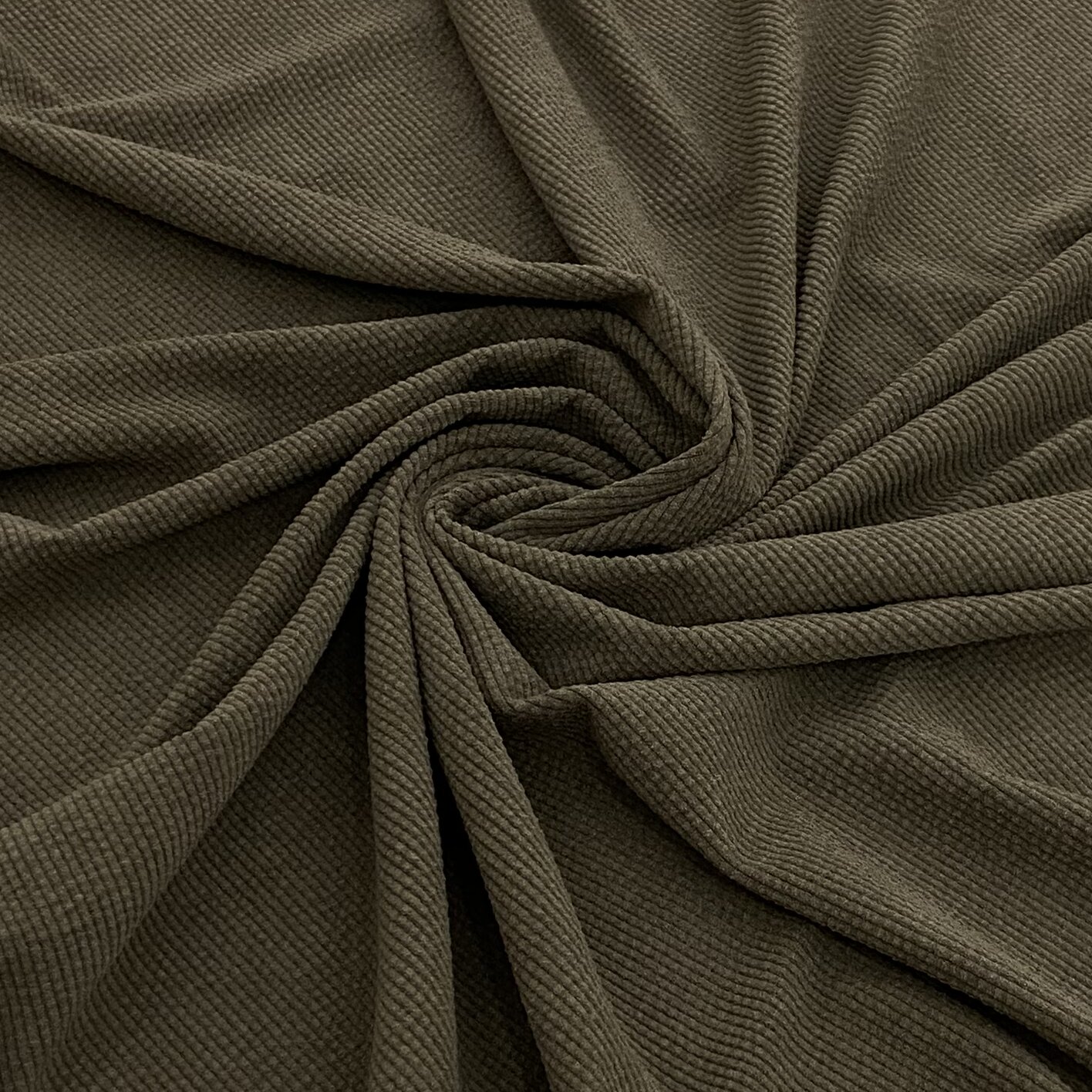
- Corduroy Application: Leverage Corduroy’s longitudinal raised-rib texture primarily for durable apparel, apparel accessories, and specialty packaging. Its structural ribs provide distinct tactile feedback and high wear resistance.
- One-Stop Sourcing Integration: These three standalone non-flocking fabrics are available as complementary products to simplify procurement. Bulk orders require a minimum order quantity (MOQ) of 1,000 yards with a standard 14-day delivery timeline.
Detailed Architectural/Principle Analysis
GSM, or grams per square meter, serves as the fundamental metric for textile density and thickness. For bulk procurement through Guangdong Shunde Mingqian Flocking Co., Ltd., understanding how GSM influences performance ensures that materials meet the strict criteria of global brands like Dior, Fendi, and Chow Tai Fook.
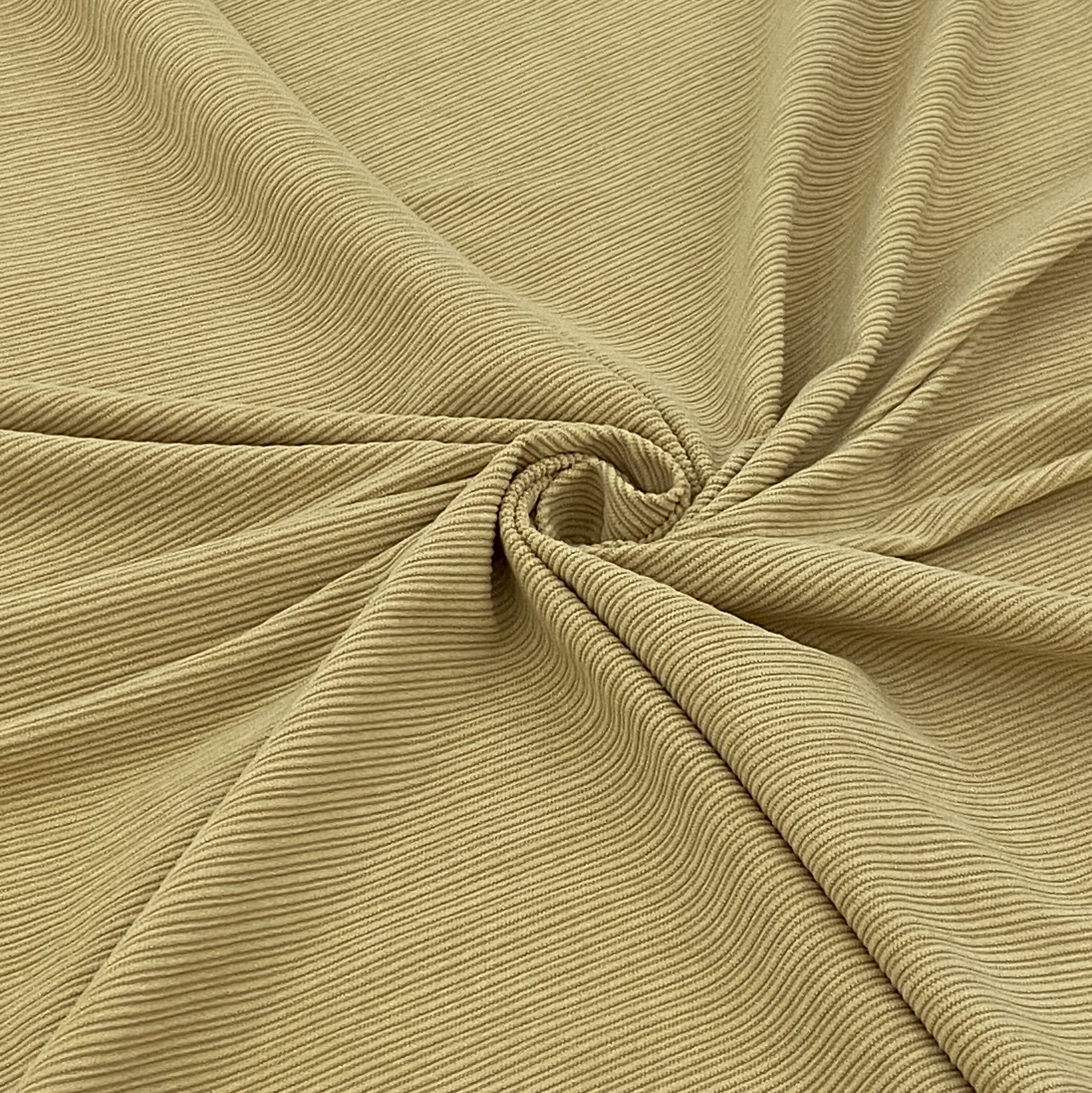
In Holland Velvet, the pile structure is woven directly into the base. At 210 GSM, the fabric offers high flexibility and a smooth hand feel, which reduces friction on delicate items when used as a box lining. This weight is highly compatible with post-processing options such as hot pressing, paper mounting, and lamination. Upgrading to 280 GSM or utilizing double-sided constructions increases the pile density, enhancing the fabric's natural luster and providing a plush, cushioned barrier suitable for heavy-duty upholstery or premium jewelry display cases.
Suede and Corduroy represent standalone structural alternatives. Suede mimics the fibrous structure of natural leather, providing high friction resistance and a non-slip surface, making it an excellent lining for high-end eyewear cases. Corduroy utilizes a cut-pile weave to create longitudinal "wales" or ribs. This geometry gives the fabric structural body and high durability, allowing it to withstand the rigorous wear typical of apparel and rugged packaging applications. Both fabrics are tested under a strict four-stage quality control system. Color fastness is verified to Grade 4 or above for deep colors under wet and dry conditions, and light exposure fastness reaches Grade 6 or above.
For international supply chains, these materials meet rigorous environmental and chemical safety standards. Third-party testing by SGS confirms compliance with the EU REACH SVHC screening for 253 substances (Test Report CANEC26006555803) and EU RoHS 2.0 testing (Test Report CANEC26006555801). Furthermore, GRS-certified recycled options (Scope Certificate SGC-GRC01308-GRS-2026-05R3) are available for enterprises requiring eco-friendly or carbon-neutral procurement solutions.
Data/Solution Comparison
The following table summarizes the specifications and performance characteristics of these premium textiles to assist in bulk selection:
| Fabric Type | GSM / Construction | Key Structural Features | Primary Applications | Standard MOQ & Lead Time |
|---|---|---|---|---|
| Holland Velvet (Lightweight) | 210 GSM | Uniform pile, high flexibility, smooth hand feel | Apparel, gift packaging linings, light drapes | 1,000 yards / 14 Days |
| Holland Velvet (Heavyweight) | 280 GSM / Double-sided | Dense pile, rich luster, superior cushioning | Sofas, bedding, premium watch & jewelry boxes | 1,000 yards / 14 Days |
| Faux Suede | Medium to Heavy Density | Leather-like texture, high friction, non-slip lining | Eyewear cases, luxury bags, apparel, decoration | 1,000 yards / 14 Days |
| Corduroy | Structural Ribbed Cut-pile | Longitudinal raised ribs, high wear resistance | Apparel, apparel accessories, decorative packaging | 1,000 yards / 14 Days |
Frequently Asked Questions (FAQ)
Q1: Which GSM of Holland Velvet is best for luxury jewelry box lining?
A1: For luxury jewelry boxes, 280 GSM or double-sided Holland Velvet is recommended. The higher pile density provides excellent cushioning to prevent scratches on precious metals and maintains a premium, non-shedding appearance that meets the standards of high-end brands. For standard gift boxes, the 210 GSM variant is a highly cost-effective alternative.
Q2: Can Suede and Corduroy fabrics undergo custom post-processing?
A2: Yes. Both materials are fully compatible with in-house post-processing operations. These include self-adhesive backing (minimum 2N/25mm peel strength), paper lamination, hot pressing, gold stamping, silk-screen printing, and precision die-cutting with a tolerance of ±0.1 mm.
Q3: How does the factory ensure batch-to-batch color consistency for large orders?
A3: Color matching is managed through a Pantone database of over 1,000 shades. Every 100 yards of production is verified using an in-house spectrophotometer. Color matching accuracy achieves a Delta E of no more than 2.0 for standard orders and no more than 0.5 for custom projects, with overall batch deviation controlled below 3%.
Final Conclusion & Recommendations
To optimize bulk textile procurement, match the specific fabric weight and texture with your technical requirements. For apparel and high-wear packaging accessories, Corduroy and Suede offer the necessary physical durability. For luxury packaging and home textiles, Holland Velvet at 210 GSM or 280 GSM provides a customizable, highly aesthetic finish. These products are supported by OEM/ODM manufacturing capabilities, a 14-day standard delivery cycle, and full compliance documentation including GRS, REACH, and RoHS certifications. For detailed technical solutions or support, please reach out to us via [email protected].
About Us
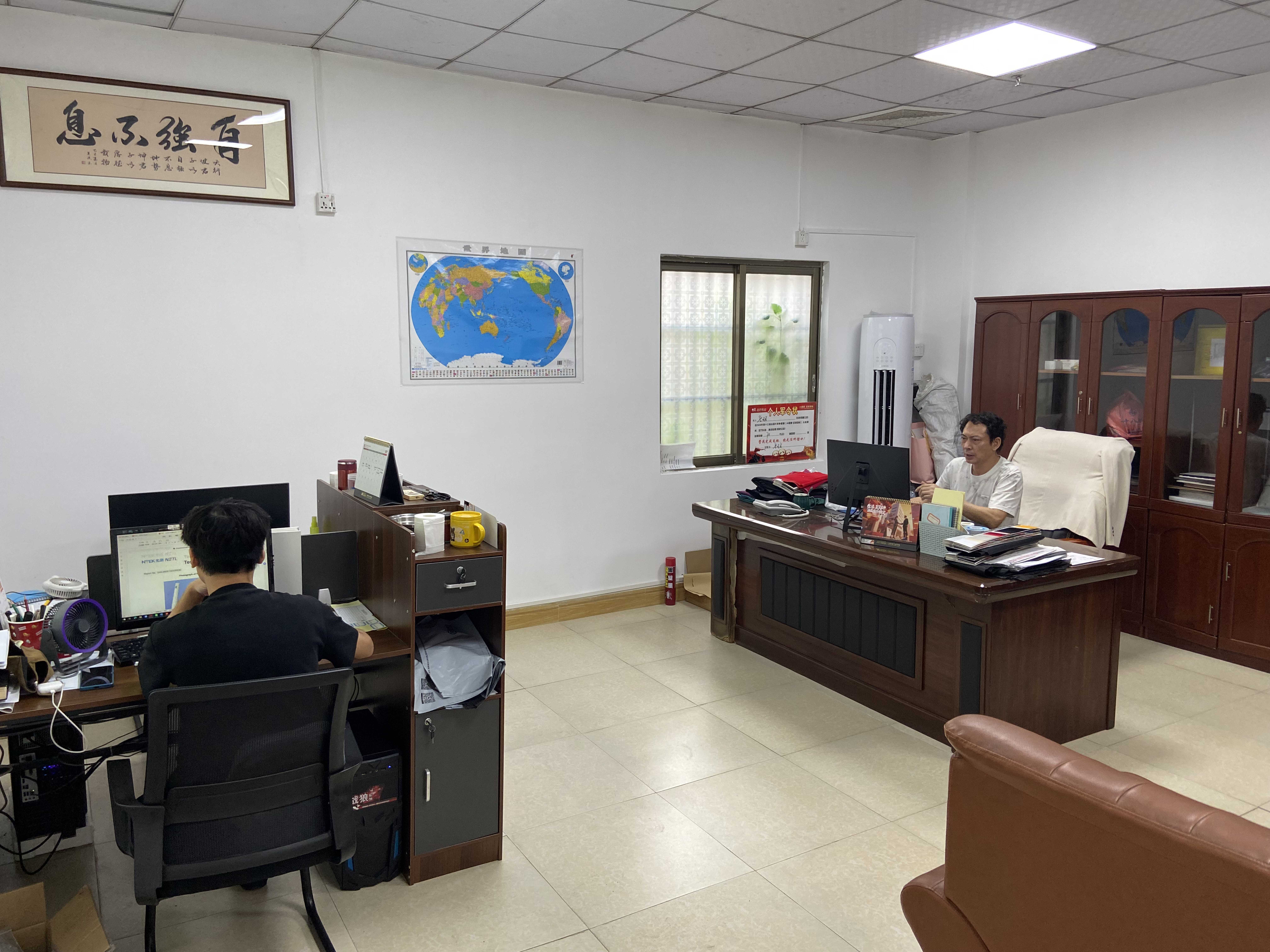
Guangdong Shunde Mingqian Flocking Co., Ltd., established in 2008, is a professional manufacturer specializing in advanced fabric development and supply. With a factory area of 10,000 square meters and a workforce of more than 100 employees, the company operates five automated production lines delivering a monthly capacity of over 3,000,000 yards. The enterprise is certified under ISO 9001 and the Global Recycled Standard (GRS, Certificate SGC-GRC01308-GRS-2026-05R3), and its materials are fully validated through the global supply chains of premium brands like Dior, Fendi, and Chow Tai Fook.
Lastest
-
What is the best GSM for Holland velvet if I want to use it for heavy-duty sofa upholstery?
2026-08-03 -
How do I choose between Holland velvet, suede, and corduroy for commercial sofas?
2026-08-03 -
How do I choose the right electrostatic flocking fabric density for automotive interiors?
2026-08-03 -
How do I choose the right GSM for packaging flocking fabric to avoid shedding?
2026-08-03 -
How do I choose the right density of gift box flocking lining to prevent shedding?
2026-08-03
SUBSCRIBE
INQUIRY