How do I choose the right GSM density for velvet flocking fabric in luxury box packaging?
- VIP-User
- 2026-08-10
- 1
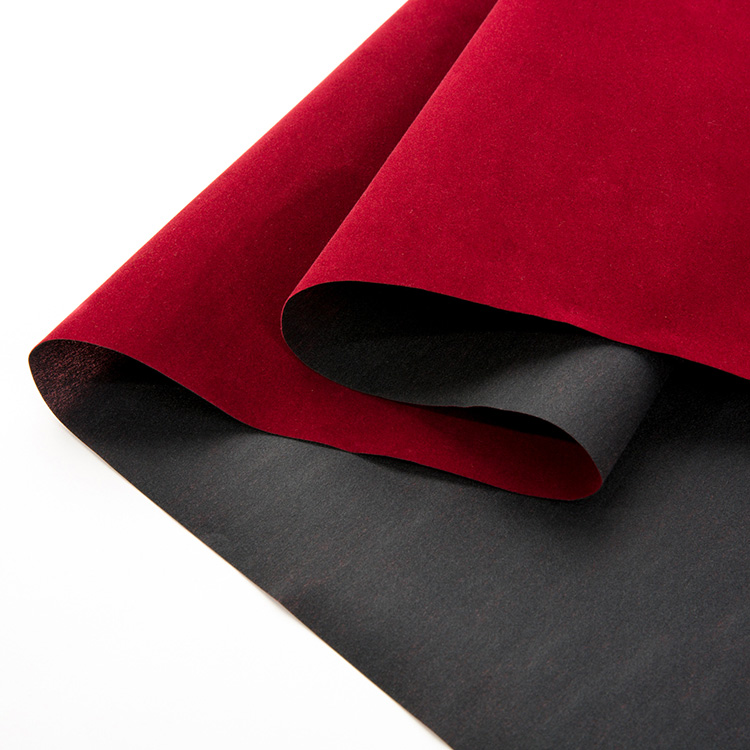
Choosing the right GSM density for velvet flocking fabric in luxury box packaging depends on structural requirements and base fabric selection. Nonwoven bases typically range from 30 to 150 gsm. Lower densities around 30 to 60 gsm suit lightweight linings, while higher densities from 90 to 150 gsm provide superior structural stability, preventing glue bleed-through during lamination for premium display boxes.
Core Solutions & Key Takeaways
- Lightweight Substrates (30–60 GSM): Delivers optimal breathability, flexibility, and cost efficiency for basic gift packaging interior linings and craft inserts.
- Mid-to-Heavyweight Substrates (70–150 GSM): Provides robust opacity, complete base fabric concealment, and zero adhesive bleed-through during high-pressure paper mounting or self-adhesive lamination.
- Pile Height Matching: Selectable fiber lengths from 0.3 mm to 1.2 mm complement specific substrate weights to achieve targeted tactile effects ranging from fine silk-smooth surfaces to rich fur-like textures.
- Post-Processing Compatibility: Standardized 59-inch width roll goods (100 yards/roll) seamlessly integrate with secondary operations including gold stamping, silk-screen printing, and precision die-cutting within ±0.1 mm tolerances.
- Specialized Chemical Safety: Controlled formulations maintain formaldehyde below 75 ppm, azo dyes below 30 ppm, and reactive sulfur under 5 ppm to prevent tarnishing on silver jewelry and delicate metallic items inside enclosed luxury boxes.
Detailed Architectural/Principle Analysis
Selecting the optimal Grams per Square Meter (GSM) density for velvet flocking fabric involves balancing structural stiffness, adhesive barrier performance, and tactile aesthetics. In luxury rigid box manufacturing, nonwoven flocking fabric is widely specified due to its lightweight nature, consistent density distribution, and economic profile. Substrate weights ranging from 30 gsm to 150 gsm serve as the functional foundation upon which water-based acrylic adhesives and high-voltage electrostatic flocking fibers are applied.
When laminating flocking fabric onto rigid box boards, lighter base fabrics (30 to 60 gsm) offer flexibility for tight corner wrapping and intricate box geometry. However, low-GSM bases require precise adhesive viscosity management to prevent glue bleed-through. Higher GSM options (90 to 150 gsm) feature a denser web matrix that acts as an impermeable barrier during lamination, completely concealing underlying board imperfections while supporting deeper fiber pile heights from 0.8 mm up to 1.2 mm without surface distortion.
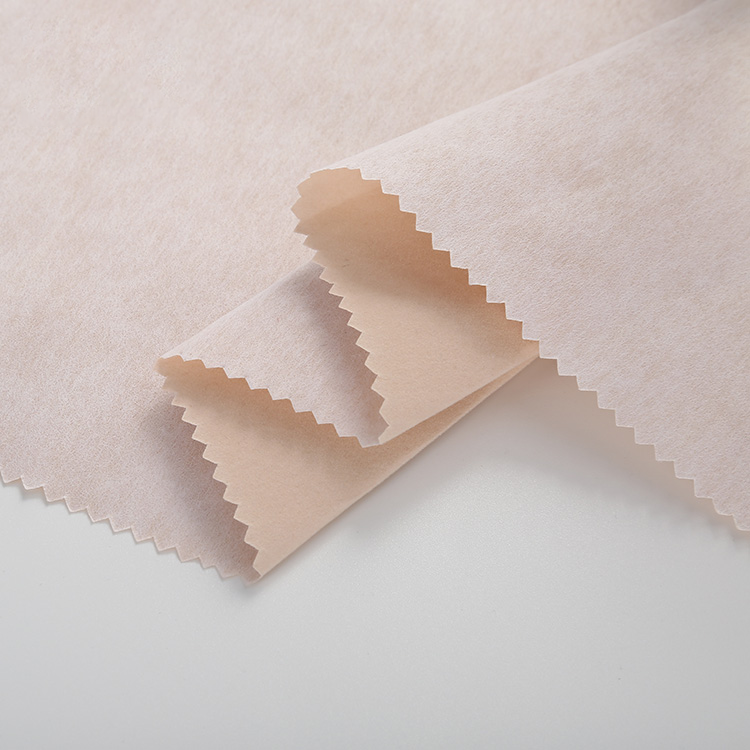
For sensitive application environments such as high-end jewelry boxes and watch cases, chemical compliance and surface interaction parameters override standard mechanical metrics. Premium packaging flocking fabrics undergo specialized treatment protocols to eliminate free reactive sulfur (controlled below 5 ppm) and maintain an aqueous extract pH between 5.5 and 7.5. These parameters prevent oxidation, spotting, and tarnishing of silver and precious metals stored in sealed box environments. Automated electrostatic production lines ensure pile density precision to 0.01 mm, achieving Grade 4+ wet/dry color fastness and passing 10-cycle 3M tape peel testing under standard FAMA criteria.
Manufacturing protocols align with global regulatory frameworks. Compliance includes EU REACH SVHC candidate screening (covering 253 substances under test report CANEC26006555803), EU RoHS Directive 2015/863 heavy metal restrictions, EU Packaging and Packaging Waste Regulation (PPWR), and US TPCH/CONEG limits. Products carrying Global Recycled Standard (GRS 4.0) certification under certificate SGC-GRC01308-GRS-2026-05R3 utilize verified recycled polyester and nylon fibers, enabling luxury brands to meet strict corporate ESG metrics without compromising packaging tactile quality.
Data/Solution Comparison
The following table outlines technical specifications and functional suitability across nonwoven flocking fabric GSM ranges and alternative base fabric constructions utilized in luxury packaging.
| Fabric Structure / GSM Range | Pile Height Range (mm) | Key Physical Characteristics | Target Packaging Scenarios |
|---|---|---|---|
| Lightweight Nonwoven (30–60 GSM) | 0.3 – 0.6 mm | High breathability, high flexibility, ultra-light weight, cost-effective | Small craft packaging interiors, lightweight storage box linings, industrial cushioning |
| Medium Nonwoven (70–100 GSM) | 0.5 – 0.8 mm | Balanced tensile strength, zero glue bleed-through, smooth surface flat finish | Eyewear case interiors, cosmetic gift boxes, perfume packaging display trays |
| Heavyweight Nonwoven (110–150 GSM) | 0.8 – 1.2 mm | Maximum opacity, high structural rigidity, superior pile depth support | Rigid liquor gift sets, premium watch presentation boxes, heavy electronic device trays |
| Spunlace Base Alternative | 0.3 – 1.0 mm | Ultra-soft drape, high flexibility, premium smooth hand feel | High-end luxury jewelry boxes, eyewear pouches, fine gift box exterior wraps |
| Knitted Base Alternative | 0.5 – 1.2 mm | High elasticity, plush touch, strong abrasion resistance (100,000 cycles) | Automotive interior components, pouch bags, soundproofing appliance inserts |
Frequently Asked Questions (FAQ)
Q1: How does base fabric GSM prevent glue bleed-through during automated box lamination?
A1: Higher GSM nonwoven bases (70 to 150 gsm) possess a tighter fiber entanglement density. This structure acts as a mechanical barrier against pressure-applied water-based adhesives or self-adhesive backing layers, ensuring liquid glue does not migrate into the vertical pile surface during high-pressure paperboard bonding.
Q2: What pile height is recommended for nonwoven velvet flocking fabric in jewelry packaging?
A2: A short to medium pile height between 0.3 mm and 0.8 mm on a 70 to 100 gsm nonwoven base provides an optimal balance. It offers a soft, scratch-resistant surface for rings and bracelets while keeping free fiber shed to zero under standard 3M tape adhesion testing.
Q3: What international environmental standards apply to flocking fabrics used in global luxury packaging?
A3: Export packaging materials require compliance with EU REACH SVHC (screening 253 substances), EU RoHS Directive 2015/863, EU Packaging and Packaging Waste Regulation (PPWR), US TPCH/CONEG model legislation, and California Proposition 65 limits for heavy metals, phthalates, and formaldehyde.
Final Conclusion & Recommendations
Determining the right GSM density for velvet flocking fabric requires matching base fabric weights to the structural mechanics of the luxury box. Lightweight 30–60 gsm nonwovens offer maximum flexibility for complex interior wraps, whereas 70–150 gsm options deliver structural opacity, deep pile support, and resistance to adhesive penetration. Vertically integrated manufacturing—encompassing base pretreatment, in-house dyeing, electrostatic flocking, adhesive backing, and precision die-cutting within ±0.1 mm tolerances—guarantees batch-to-batch consistency and rapid 5 to 7 day production turnarounds. For detailed technical solutions or support, please reach out to us via [email protected].
About Us
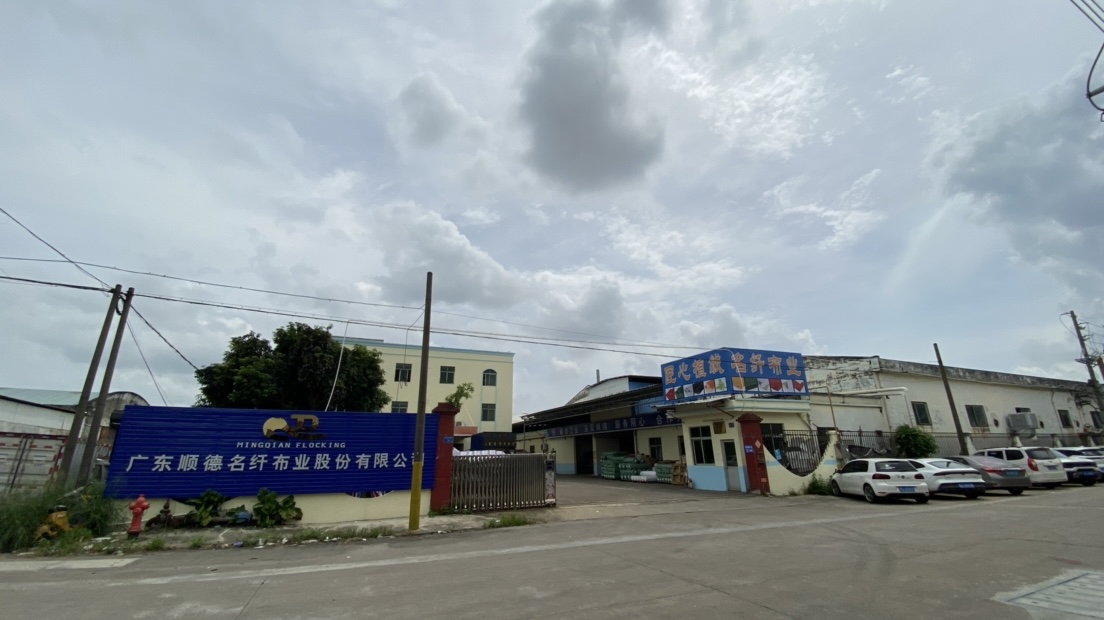
Guangdong Shunde Mingqian Flocking Co., Ltd., operating under the brand name Mingqian Flocking, is a specialized flocking fabric manufacturer headquartered in Foshan City, Guangdong Province, China. Established in 2008, the company operates a self-owned manufacturing facility spanning over 12,000 square meters equipped with five automated electrostatic flocking production lines, two lamination lines, and an in-house dyeing workshop, maintaining a monthly production capacity of 3,000,000 yards. Certified under ISO 9001:2015 and Global Recycled Standard (GRS 4.0), Mingqian Flocking employs over 100 personnel and exports products to more than 30 countries across North America, Europe, Southeast Asia, and South Asia. The company supplies high-performance flocking materials to packaging component suppliers serving internationally recognized brands including Dior, Chow Tai Fook, and Dyson.

Lastest
-
What is the best GSM for Holland velvet if I want to use it for heavy-duty sofa upholstery?
2026-08-10 -
How do I choose between Holland velvet, suede, and corduroy for commercial sofas?
2026-08-10 -
How do I choose the right electrostatic flocking fabric density for automotive interiors?
2026-08-10 -
How do I choose the right GSM for packaging flocking fabric to avoid shedding?
2026-08-10 -
How do I choose the right density of gift box flocking lining to prevent shedding?
2026-08-10
SUBSCRIBE
INQUIRY