How do I choose the right flocking fabric thickness for luxury jewelry box inserts?
- VIP-User
- 2026-08-03
- 2
Selecting the right flocking fabric thickness for luxury jewelry box inserts requires matching the protective needs and tactile aesthetics with pile heights ranging from 0.3 mm to 1.2 mm. Ultra-dense 0.3 mm pile on spunlace or nonwoven bases provides a refined, scratch-resistant surface, whereas 1.0 mm to 1.2 mm pile delivers a plush, cushioned lining for heavy or fragile items.
Core Solutions & Key Takeaways
- Match Pile Height to Item Weight: High-density short pile (0.3 mm) prevents scratches on delicate gemstones, while longer pile (0.6 mm to 1.2 mm) provides necessary structural cushioning for heavy jewelry pieces.
- Enforce Anti-Tarnish Control: Ensure the flocking fabric has a free reactive sulfur content below 5 ppm and a stable pH of 5.5 to 7.5 to prevent silver oxidation and blackening in enclosed jewelry boxes.
- Optimize Base Fabric Properties: Utilize spunlace base fabrics for high flexibility in contoured luxury inserts, and lightweight nonwoven base fabrics for cost-effective, breathable structural bases.
- Verify International Environmental Compliance: Choose materials verified by REACH, RoHS 2.0, and GRS (Global Recycled Standard) to meet strict global packaging standards.
Detailed Architectural/Principle Analysis
When engineering luxury jewelry box inserts, the interaction between the flocking fabric thickness (comprising the base fabric and the electrostatic pile height) and the chemical composition is a primary engineering parameter. The electrostatic flocking process vertically embeds short fibers into an adhesive-coated base under a high-voltage electrostatic field of 30 to 50 kilovolts. This creates a uniform, dense velvet surface. Precision pile density control to 0.01 millimeters ensures that the fibers stand vertically, dispersing the physical pressure of the jewelry piece.
Physically, the thickness dictates the cushion factor. A thicker pile height, such as 1.0 mm to 1.2 mm, offers high deformation recovery, which protects heavy luxury watches and complex necklaces during transit. Conversely, ultra-thin 0.3 mm to 0.5 mm pile provides a sleek, modern aesthetic suitable for high-end rings and earrings, where tight dimensional tolerances of ±0.1 mm in custom die-cut inserts are mandatory. Physical durability is validated using the FAMA-compliant 3M tape 10-cycle peel test and a 100,000-cycle abrasion test, preventing fiber shedding that could contaminate delicate watch movements or settings. 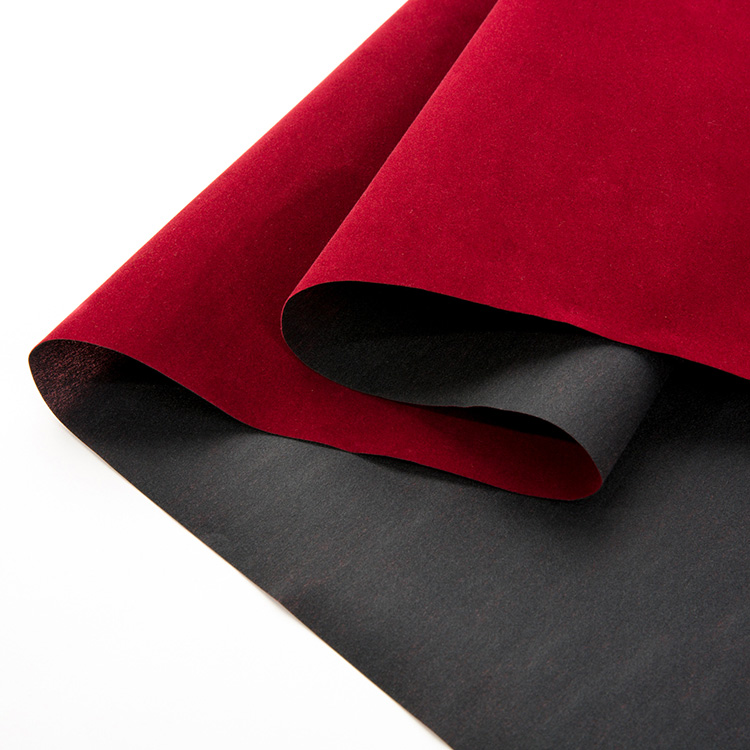
Beyond physical thickness, the chemical formulation of the flocking layer is a critical performance factor. Standard flocking materials often contain residual sulfur from vulcanization or active dyes, accelerating the tarnish of precious metals—specifically sterling silver. An advanced anti-tarnish quality control system strictly limits free reactive sulfur to below 5 ppm. The pH value must be maintained within a mildly acidic to neutral window of 5.5 to 7.5 to prevent acidic corrosion. Adhesives, crosslinkers, and anti-mold agents are formulated using sulfur-free, halogen-free systems to eliminate corrosion hazards at the root. 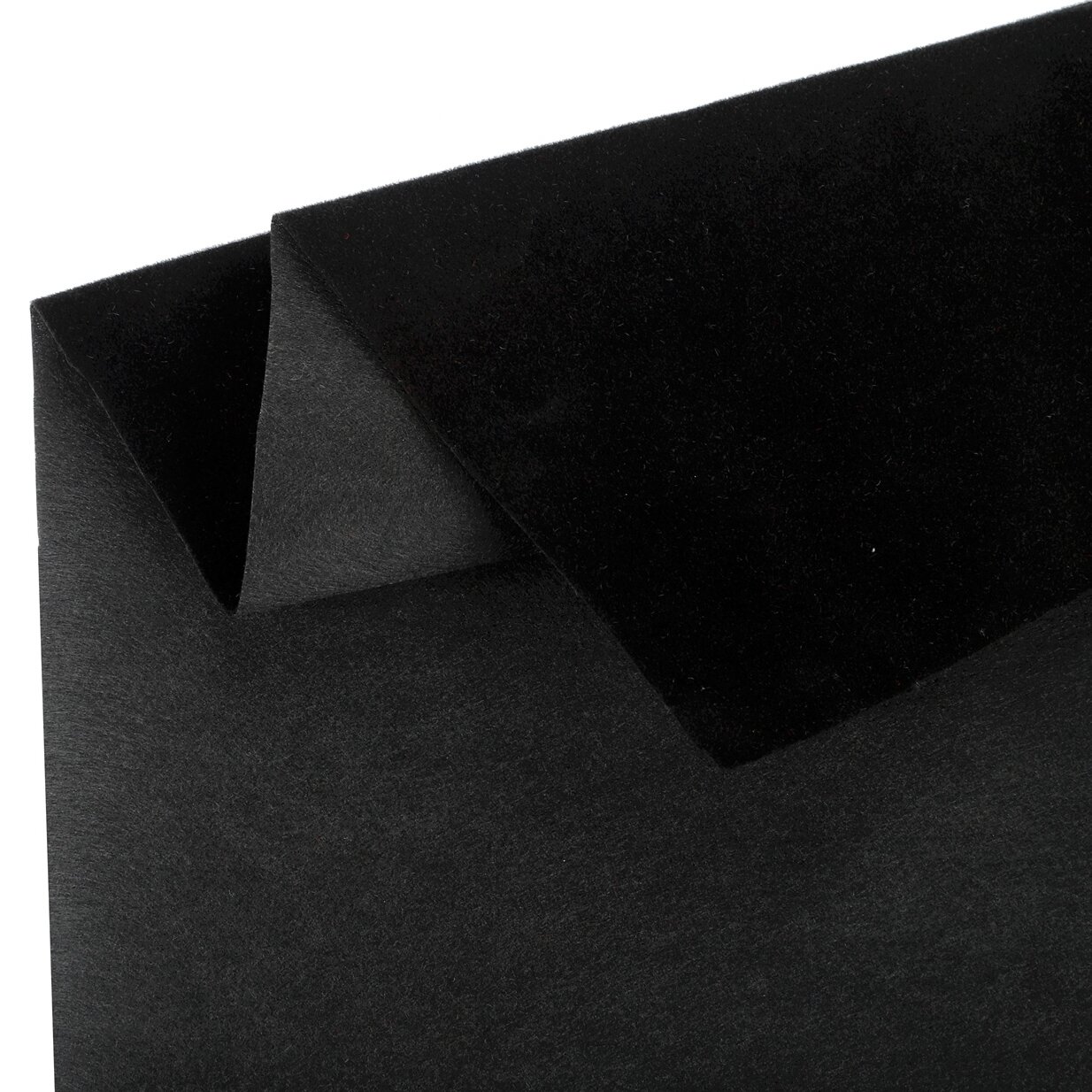
This systematic anti-tarnish approach has been deployed at scale. For example, during the long-term supply of high-density packaging flocking fabric to Chow Tai Fook, the integration of precise color matching (Pantone ΔE ≤ 0.5) and strict anti-tarnish controls reduced the end-brand package-related complaint rate to zero percent. For international markets, certifications such as ISO 9001:2015, SGS-tested REACH (covering 253 SVHC substances), and RoHS 2.0 (Directive 2015/863) verify that no heavy metals, PFAS, or restricted azo dyes are present. 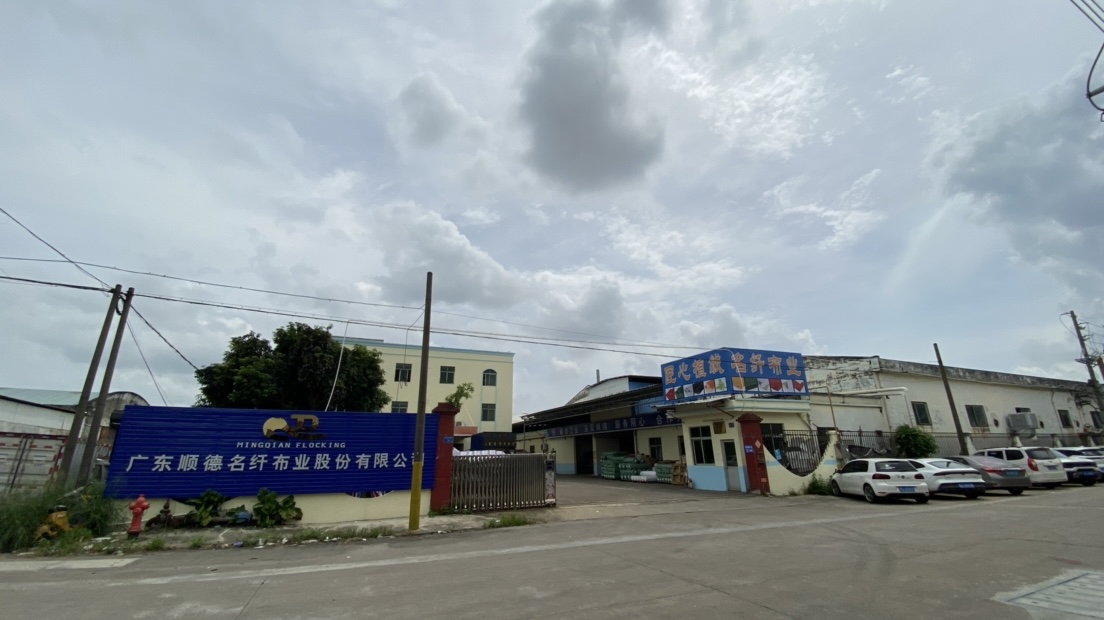
Data/Solution Comparison
The following technical table compares different packaging flocking fabrics and series designed for luxury box inserts, helping packaging engineers select the appropriate specifications based on physical dimensions and base material performance:
| Product / Series Code | Standard Width & Roll Length | Pile Height Range | Base Fabric Type | Key Physical / Aesthetic Properties |
|---|---|---|---|---|
| Nonwoven Flocking Fabric | 59 inches / 100 yards | 0.3 mm – 1.2 mm | Nonwoven (30–150 gsm) | Highly cost-effective, excellent breathability, lightweight construction. |
| 61 Series | 58 inches / 50 yards | 0.3 mm – 0.6 mm | Premium base fabric | Ultra-smooth, baby-skin texture for both interior lining and exterior wrapping. |
| 31 Series | 58 inches / 50 yards | 0.6 mm – 1.0 mm | Standard base fabric | Strong pile sensation, high tactile contrast for gift box linings. |
| CP Series | 58 inches / 100 yards | 0.4 mm – 0.8 mm | Durable base fabric | Natural surface effect, highly durable and resistant to pile shedding. |
| W Series | 59 inches / 100 yards | 0.3 mm – 0.8 mm | Concealment base | Excellent base fabric concealment, zero adhesive bleed-through, budget-friendly. |
Frequently Asked Questions (FAQ)
What is the standard tolerance for custom die-cut flocking fabric inserts?
Custom-shaped inserts and post-processed flocking fabrics are processed using high-precision die-cutting machinery to achieve a tight dimensional tolerance of plus or minus 0.1 millimeters. This precision ensures tight alignment within CNC-milled structural bases of luxury jewelry and watch boxes.
How are environmental certifications and chemical compliance verified for global markets?
Flocking materials undergo third-party testing by SGS. Products comply with the European Union Packaging and Packaging Waste Regulation (PPWR), REACH Annex XVII, and RoHS 2.0. Additionally, the Global Recycled Standard (GRS) scope certificate (SGC-GRC01308-GRS-2026-05R3) is maintained for fabrics utilizing recycled polyester and nylon fibers, with transaction certificates issued upon request.
What are the minimum order quantities and standard lead times for custom colors and thicknesses?
Standard in-stock flocking fabric is available starting from 1 yard with same-day dispatch. Custom color matching and specialized thickness developments require a minimum order quantity of 500 to 1,000 yards per color. Standard prototyping takes 3 to 5 days, and bulk production is completed within 14 days under standard OEM/ODM agreements.
Final Conclusion & Recommendations
Designing high-performing luxury jewelry box inserts requires a balance of thickness, base fabric physical properties, and strict chemical purity. For premium jewelry brands, selecting an anti-tarnish flocking fabric with low reactive sulfur (below 5 ppm) is essential to preserve the luster of fine silver and gold metals. Leveraging vertically integrated manufacturing ensures that color accuracy (Pantone Delta E ≤ 0.5 for custom runs) and physical durability remain consistent from batch to batch. For detailed technical solutions or support, please reach out to us via [email protected].
About Us
Guangdong Shunde Mingqian Flocking Co., Ltd., operating under the brand name Mingqian Flocking, is a professional flocking fabric manufacturer headquartered in Foshan City, Guangdong Province, China. Established in 2008, the company has dedicated 18 years exclusively to the research, development, production, and sales of high-performance flocking fabrics. Operating a self-owned manufacturing facility covering over 12,000 square meters with more than 100 employees, the company achieves a monthly production capacity of 3,000,000 yards. Mingqian Flocking maintains ISO 9001:2015 and GRS certifications, serving global luxury, apparel, and premium packaging brands including Dior, Fendi, and Chow Tai Fook. 
Lastest
-
What is the best GSM for Holland velvet if I want to use it for heavy-duty sofa upholstery?
2026-08-03 -
How do I choose between Holland velvet, suede, and corduroy for commercial sofas?
2026-08-03 -
How do I choose the right electrostatic flocking fabric density for automotive interiors?
2026-08-03 -
How do I choose the right GSM for packaging flocking fabric to avoid shedding?
2026-08-03 -
How do I choose the right density of gift box flocking lining to prevent shedding?
2026-08-03
SUBSCRIBE
INQUIRY