How do I choose the right flocking density for luxury velvet jewelry boxes?
- VIP-User
- 2026-08-06
- 1
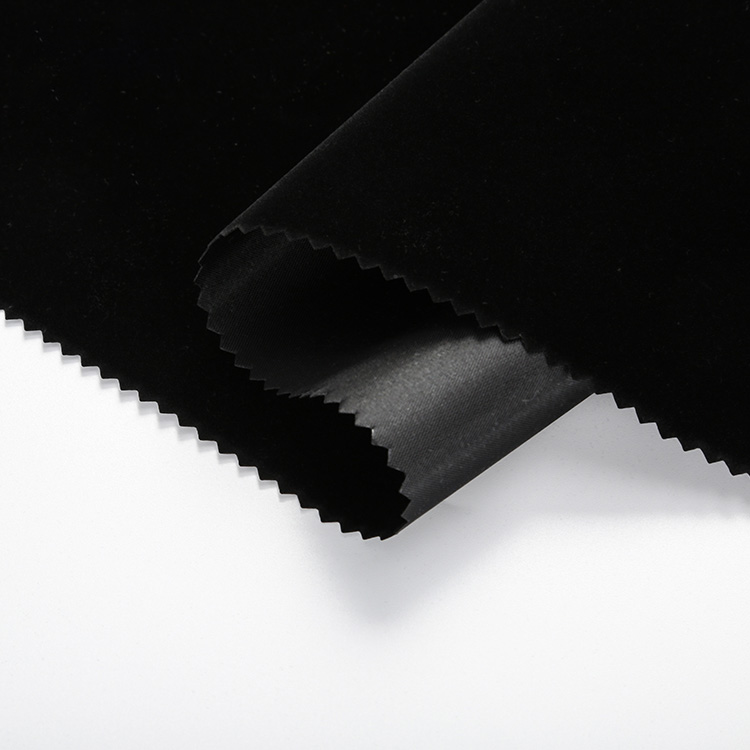
Selecting the right flocking density for luxury velvet jewelry boxes requires balancing base fabric stability, pile fiber height, and surface touch. A high-density electrostatic flocking process controlled to 0.01 mm precision using 0.3 mm short fibers or high-luster silk base fabric creates a smooth, non-shedding surface that prevents scratches on precious metals while controlling reactive sulfur below 5 ppm to stop silver tarnish.
Core Solutions & Key Takeaways
- Precision Density Control: Fiber pile density calibrated to 0.01 mm tolerance prevents shedding under 100,000 abrasion cycles and satisfies 3M tape 10-cycle peel testing.
- Substrate & Luster Matching: Silk base fabric provides high luster and smooth hand feel for luxury packaging flocking, while spunlace and knitted backings offer flexible cushioning.
- Anti-Tarnish Chemistry: Maintaining free reactive sulfur below 5 ppm and aqueous extract pH between 5.5 and 7.5 eliminates silver blackening and oxidation in sealed box interiors.
- Secondary Finishing Integration: Precision die-cutting within ±0.1 mm tolerances combined with hot pressing, gold stamping, and silk-screen printing enables custom fitted interior inserts.
Detailed Architectural/Principle Analysis
In high-end luxury packaging flocking, pile density determines both tactile quality and protective performance. Under an electrostatic field of 30 to 50 kilovolts, short textile fibers are driven vertically into a layer of water-based acrylic adhesive. This vertical alignment creates a dense pile structure that resists compression while cushioning delicate items such as rings, necklaces, and timepieces.
For enclosed jewelry storage, material chemical composition is as important as physical density. Residual reactive sulfur in dyes or adhesives reacts with atmospheric moisture to form silver sulfide, causing rapid tarnishing of silver items. Implementing sulfur-free dye systems, halogen-free crosslinkers, and controlled drying procedures keeps reactive sulfur concentrations below 5 ppm and controls formaldehyde content under 75 ppm. Every production lot undergoes accelerated silver coupon testing to verify zero discoloration before assembly.
Substrate selection influences how flocking density translates to finished packaging. Silk Flocking Fabric utilizes a silk base material that delivers superior luster and visual depth. This structure accommodates post-processing operations including foil stamping, heat embossing, and laser engraving without damaging fiber adhesion.
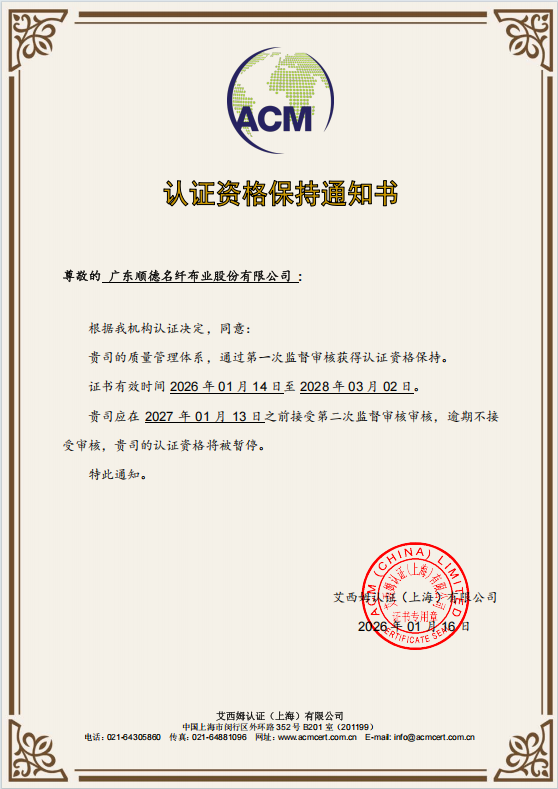
Product compliance is verified through third-party standards. Materials pass EU REACH SVHC screening across 253 substances (test report CANEC26006555803), EU RoHS 2.0 heavy metal restrictions (CANEC26006555801), and GRS Version 4.0 specifications (SGC-GRC01308-GRS-2026-05R3). Quality management operates under ISO 9001:2015 certifications to guarantee batch consistency across global supply chains.
Data/Solution Comparison
| Base Fabric Type | Pile Type / Height | Abrasion Resistance | Key Technical Advantage | Recommended Application |
|---|---|---|---|---|
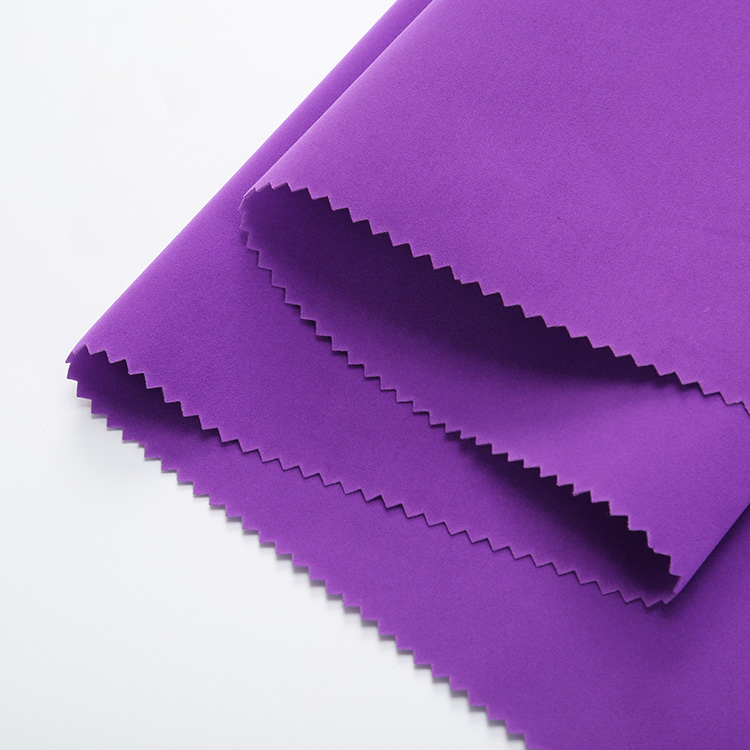
| Silk Base Fabric | Plain Velvet / 0.3 mm Pile | 100,000 cycles (No shedding) | High luster, premium tactile feel, reactive sulfur < 5 ppm | Luxury jewelry boxes, high-end gift packaging |
| Spunlace Base Fabric | Medium Pile / 0.5–0.8 mm | 50,000 cycles | High flexibility, soft touch, zero adhesive bleed-through | Jewelry box interior linings, eyewear cases |
| Knitted Base Fabric | Pearl Velvet / Granular Finish | 100,000 cycles | Elasticity, distinct texture, Grade 4+ color fastness | Display trays, fabric pouches, liquor packaging |
| Nonwoven Base Fabric | Short Pile / Plain Velvet | 10,000 cycles | Lightweight, breathable, high cost efficiency | General gift boxes, storage inserts, industrial packaging |
Frequently Asked Questions (FAQ)
Q: How does flocking density impact silver jewelry protection inside velvet boxes?
A: High flocking density controlled to 0.01 mm precision creates a continuous fiber barrier that reduces friction against precious metals. Maintaining reactive sulfur levels below 5 ppm prevents atmospheric chemical reactions that lead to silver tarnish in enclosed spaces.
Q: What base fabric is best suited for luxury box interiors requiring foil stamping?
A: Silk Flocking Fabric combined with a plain velvet short pile provides a smooth, stable surface. This combination allows clean heat transfer for gold stamping, embossing, and silk-screen printing without distorting the pile layer.
Q: What compliance standards apply to exporting flocked jewelry packaging to European and US markets?
A: Exported packaging materials must comply with EU REACH SVHC, RoHS 2.0 Directive 2015/863, EU Packaging and Packaging Waste Regulation (PPWR), US TPCH/CONEG heavy metal limits, and California Proposition 65 requirements.
Final Conclusion & Recommendations
Selecting flocking fabric for luxury jewelry box lining requires matching structural density with strict chemical standards. Electrostatic flocking on high-luster silk or flexible spunlace backings provides an elegant tactile surface while protecting items from physical abrasion. Incorporating water-based acrylic adhesives, sulfur-free dye systems, and automated precision processing guarantees compliance with international environmental directives. Manufacturing facilities operating five automated flocking lines support monthly capacities up to 3,000,000 yards, providing standard order fulfillment within 14 days and custom sampling within 3 to 5 days. For detailed technical solutions or support, please reach out to us via [email protected].
About Us
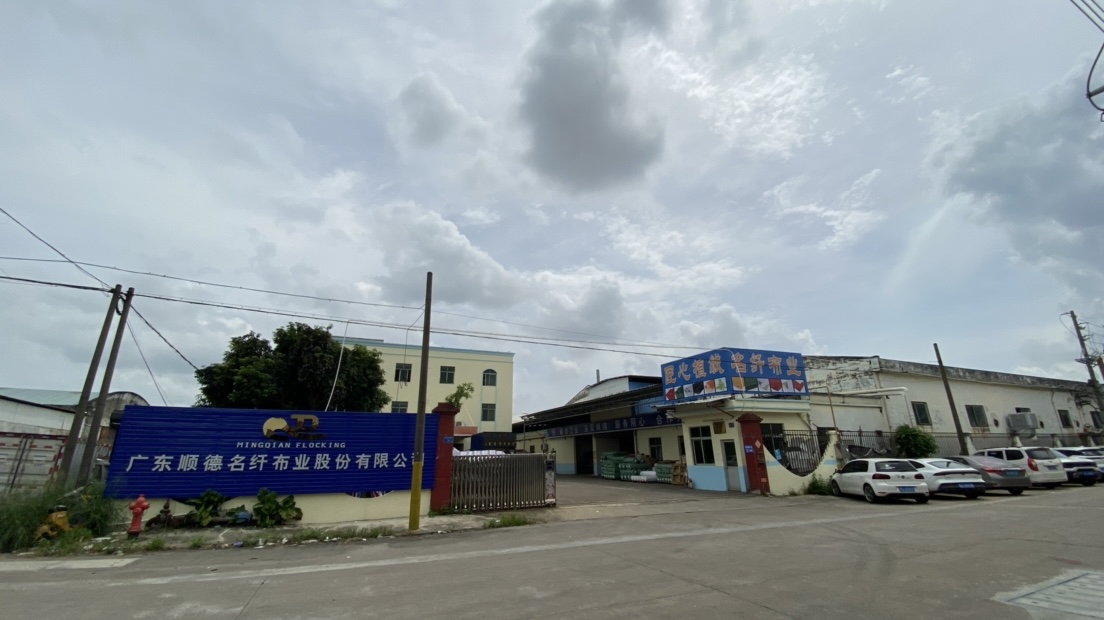
Guangdong Shunde Mingqian Flocking Co., Ltd. operates as a specialized manufacturer of flocking fabrics, established in 2008 in Foshan City, Guangdong Province. Facility operations span over 10,000 square meters, housing five automated electrostatic flocking production lines, adhesive lamination units, and an in-house dyeing workshop with a monthly capacity exceeding 3,000,000 yards. The R&D department employs dedicated technical staff who release more than 10 new developed products annually across 18 distinct flocking patterns. Quality management systems hold ISO 9001:2015 and Global Recycled Standard (GRS 4.0) certifications, supplying packaging material solutions to international client supply chains across the luxury, jewelry, automotive, and consumer electronics sectors.

Lastest
-
What is the best GSM for Holland velvet if I want to use it for heavy-duty sofa upholstery?
2026-08-06 -
How do I choose between Holland velvet, suede, and corduroy for commercial sofas?
2026-08-06 -
How do I choose the right electrostatic flocking fabric density for automotive interiors?
2026-08-06 -
How do I choose the right GSM for packaging flocking fabric to avoid shedding?
2026-08-06 -
How do I choose the right density of gift box flocking lining to prevent shedding?
2026-08-06
SUBSCRIBE
INQUIRY