How do I choose the right density of packaging flocking fabric to prevent shedding?
- VIP-User
- 2026-08-03
- 2
To prevent shedding, choose a packaging flocking fabric with high-precision pile density—ideally controlled to 0.01-millimeter tolerance. For premium packaging, a dense, short nylon pile (0.3mm to 1.2mm) on a spunlace or knitted base offers maximum fiber adhesion. For industrial vacuum forming, rigid PS flocking sheets prevent pile loss during post-processing.
Core Solutions & Key Takeaways
- Adhesion Verification: Select flocking fabrics that pass the 3M tape 10-cycle peel test in accordance with the FAMA standard to verify long-term fiber retention.
- Base Material Alignment: Match the base fabric to the mechanical stress of the packaging. Spunlace bases provide flexibility for jewelry boxes, while rigid PS Flocking Sheets (0.2~1.0mm thickness) support vacuum forming and hot pressing without fiber loss.
- Chemical Formulation Control: Avoid volatile organic acids and acidic environments. Maintaining a pH between 5.5 and 7.5 and keeping free reactive sulfur under 5 ppm stabilizes the adhesive layer and prevents silver tarnish in high-end jewelry packaging.
- Vertical Integration: Procure from a vertically integrated manufacturer managing base fabric pretreatment, dyeing, flocking, and post-finishing in-house to ensure traceable, uniform pile density.
Detailed Architectural/Principle Analysis
Electrostatic flocking requires accelerating short fibers vertically under a high-voltage electrostatic field of 30 to 50 kilovolts, embedding them into a wet layer of eco-friendly water-based acrylic adhesive. Achieving a precise pile density control of 0.01 millimeters is essential; if the pile is too sparse, fibers tilt and easily shed under mechanical friction. A high-density configuration ensures mutual physical support among fibers, distributing external friction forces evenly.
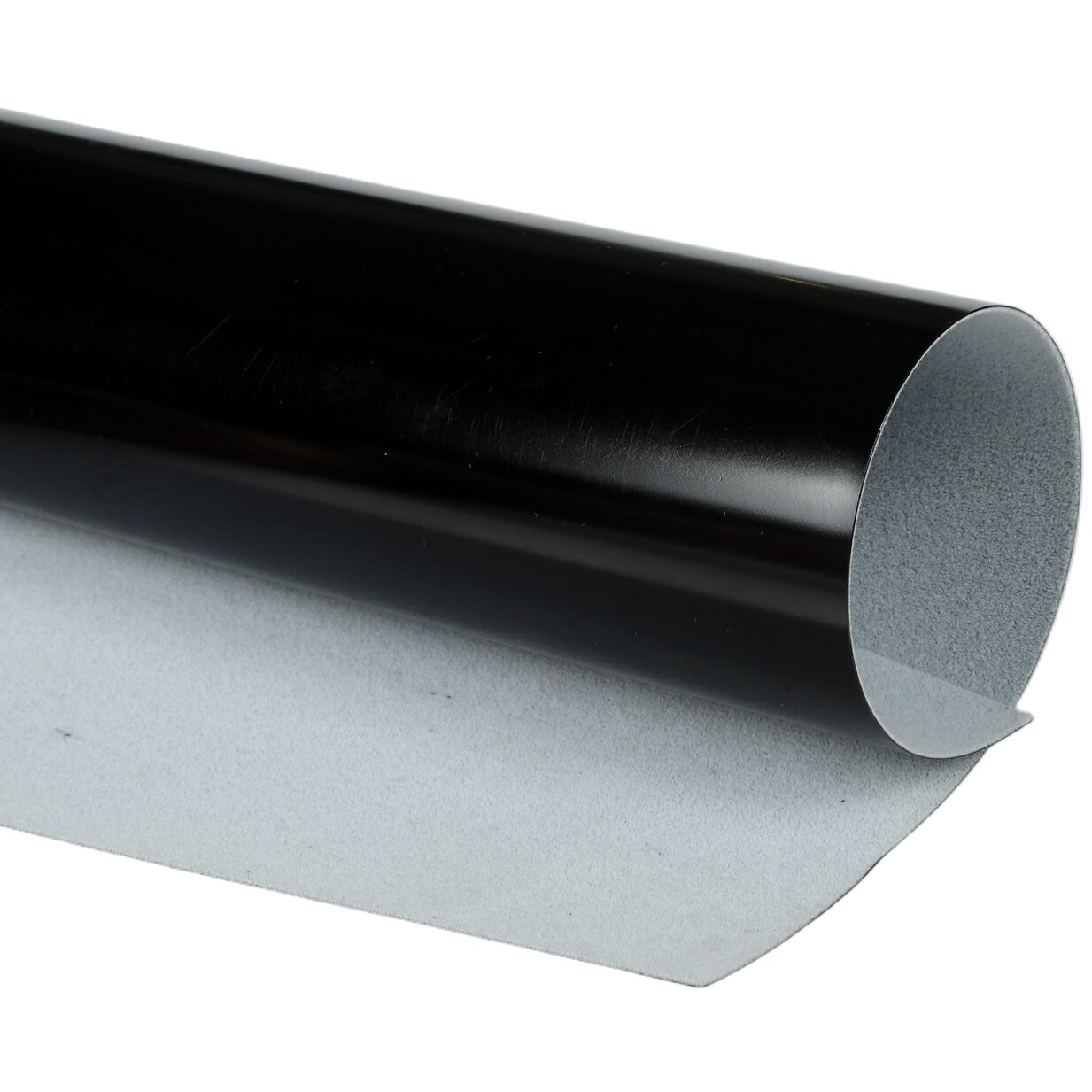
Furthermore, chemical degradation of the adhesive is a primary driver of premature shedding. Standard packaging flocking fabrics often suffer from adhesive breakdown due to humidity, low-quality crosslinking agents, or high acidity. For high-end applications like jewelry box linings, maintaining an aqueous extract pH between 5.5 and 7.5 and eliminating sulfur-based chemistry is vital. In-house testing labs must run accelerated silver coupon corrosion tests to verify that dark-colored flocking uses non-sulfur dye systems, avoiding both silver blackening and adhesive degradation. For instance, in the supply chain of luxury brands like Chow Tai Fook, using spunlace-based medium-pile flocking fabric with Grade 4+ wet/dry color fastness and certified chemical compliance has eliminated end-brand shedding complaints.
For rigid packaging and specialized industrial application scenarios, standard woven or nonwoven fabrics are unsuitable for vacuum forming. Under high heat and stretching forces, standard fabrics deform, tearing the adhesive layer and triggering immediate shedding. In these cases, utilizing a specialized PS Flocking Sheet with a thickness of 0.2mm to 1.0mm and a width of 400mm to 800mm allows the material to undergo vacuum forming and hot pressing while keeping the flocking layer entirely intact and shedding-free.
Data/Solution Comparison
| Material Series / Product | Base Type | Thickness / Width / Dimensions | Shedding Resistance Specification | Primary Packaging Application |
|---|---|---|---|---|
| PS Flocking Sheet | Rigid Polystyrene (PS) Sheet | 0.2~1.0mm thickness / 400~800mm width | High (Designed for vacuum forming and hot pressing) | Specialized industrial, waterproof, and moisture-proof packaging |
| 31 Series | Standard backing fabric | 58 inches width / 50 yards per roll | Standard (Strong pile sensation, 500-cycle abrasion) | Gift box interiors, general box linings |
| 61 Series | High-smoothness backing fabric | 58 inches width / 50 yards per roll | High (Baby-skin-smooth, 3M tape compliant) | Luxury jewelry and cosmetic box interior/exterior |
| CP Series | High-durability backing fabric | 58 inches width / 100 yards per roll | Extremely High (Durable natural surface, non-shedding) | Heavy-use premium eyewear cases and bags |
| W Series | Cost-effective backing fabric | 59 inches width / 100 yards per roll | Standard (No glue bleed-through, good base concealment) | High-volume retail gift boxes and packaging structures |
Frequently Asked Questions (FAQ)
Q1: Why does flocking fabric shed during the vacuum forming or hot pressing process?
A1: Standard fabric bases deform and stretch under vacuum-forming heat, cracking the adhesive film and releasing the fiber roots. To resolve this, opt for rigid plastic-based substrates like PS Flocking Sheets, which distribute structural stresses evenly and maintain adhesion under thermal processing.
Q2: How does anti-tarnish formulation relate to flocking pile shedding?
A2: Uncontrolled volatile organic acids (like formic or acetic acid from adhesive monomers) degrade the acrylic polymer chains over time, loosening fiber anchors. By controlling pH between 5.5 and 7.5 and using sulfur-free crosslinkers, the adhesive network remains chemically stable, preventing both silver oxidation and pile shedding.
Q3: What testing standards verify that flocking fabric will not shed over time?
A3: The industry standard includes the 3M tape 10-cycle peel test (FAMA compliant) to check dry adhesion, alongside wet and dry crocking tests where deep colors must achieve Grade 4 or above. Functional products must also survive up to 100,000 abrasion cycles with zero fiber loss.
Final Conclusion & Recommendations
When purchasing packaging materials, select a partner that offers complete, vertically integrated production—from base fabric pretreatment and in-house dyeing to electrostatic flocking and adhesive backing. Look for verified compliance certifications, such as Global Recycled Standard (GRS) Version 4.0 and REACH 253 SVHC screening by SGS, to ensure long-term chemical and physical durability. For customized industrial solutions, utilizing OEM/ODM services with low minimum order quantities (from 500 to 1,000 yards for custom colors) allows brands to test small-batch runs before scaling. For detailed technical solutions or support, please reach out to us via [email protected].
About Us
Company Profile
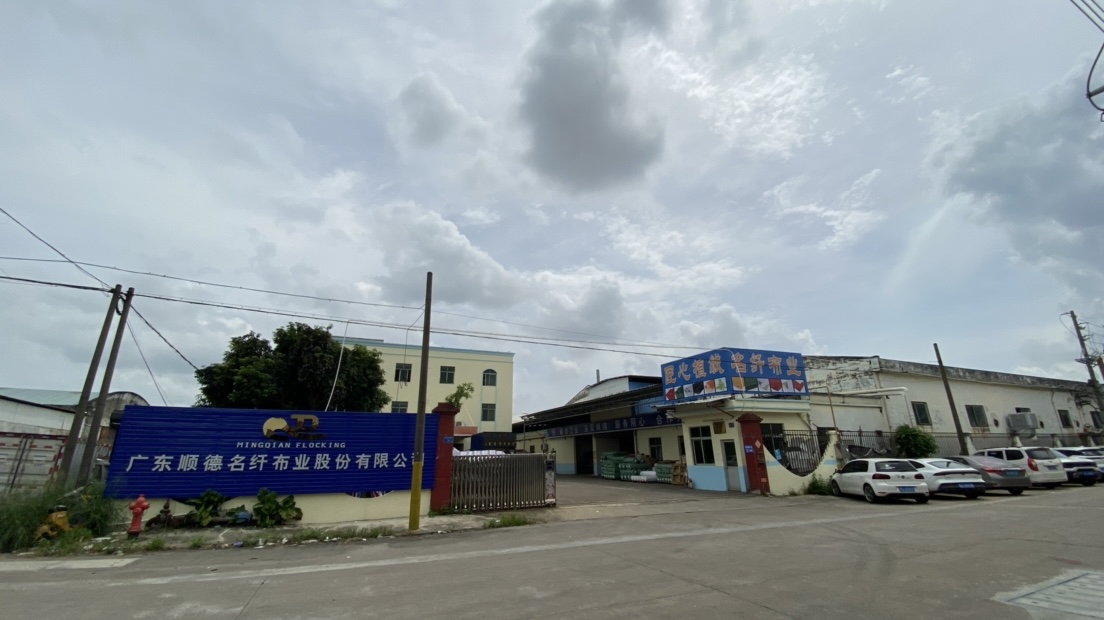
Guangdong Shunde Mingqian Flocking Co., Ltd., operating under the brand Mingqian, is a specialized flocking fabric manufacturer established in 2008 in Foshan City, Guangdong Province, China. The company operates a self-owned manufacturing facility covering 10,000 square meters, employing more than 100 personnel and housing five automated electrostatic flocking production lines. Equipped with an in-house dyeing workshop and a formaldehyde testing laboratory, Mingqian delivers a monthly production capacity exceeding 3,000,000 yards with a value over USD 2,500,000.00. The enterprise holds ISO 9001:2015 and Global Recycled Standard (GRS Version 4.0) certifications, serving over 200 international and domestic clients across more than 30 countries through verified premium supply chains.

Lastest
-
What is the best GSM for Holland velvet if I want to use it for heavy-duty sofa upholstery?
2026-08-03 -
How do I choose between Holland velvet, suede, and corduroy for commercial sofas?
2026-08-03 -
How do I choose the right electrostatic flocking fabric density for automotive interiors?
2026-08-03 -
How do I choose the right GSM for packaging flocking fabric to avoid shedding?
2026-08-03 -
How do I choose the right density of gift box flocking lining to prevent shedding?
2026-08-03
SUBSCRIBE
INQUIRY