How do I choose the right adhesive backing for self-adhesive flocking fabric to prevent peeling?
- VIP-User
- 2026-08-03
- 1
To prevent peeling in self-adhesive flocking fabric, choose an eco-friendly, solvent-free water-based acrylic pressure-sensitive adhesive backing. This configuration must provide a certified peel strength of at least 2 N/25mm and successfully pass a 10-cycle 3M tape peel test under FAMA standards to guarantee stable adhesion to various packaging substrates.
Core Solutions & Key Takeaways
- Verify Peel Strength Thresholds: The pressure-sensitive adhesive backing must exhibit a peel strength of at least 2 newtons per 25 millimeters to secure reliable bonding on challenging substrates like wood, EVA, plastic, and paperboard.
- Opt for Water-Based Acrylic Formulations: Avoid solvent-based adhesives containing plasticizers. Solvent-free water-based acrylic systems resist aging and prevent chemical breakdown that leads to peeling.
- Implement Independent Layer Testing: The adhesive backing layer must undergo chemical and physical testing independently from the face fabric to prevent hidden non-compliance or bonding failures.
- Ensure Substrate Compatibility: Pre-evaluate the backing against the target substrate. The release liner must peel cleanly to allow direct, immediate contact without air pockets.
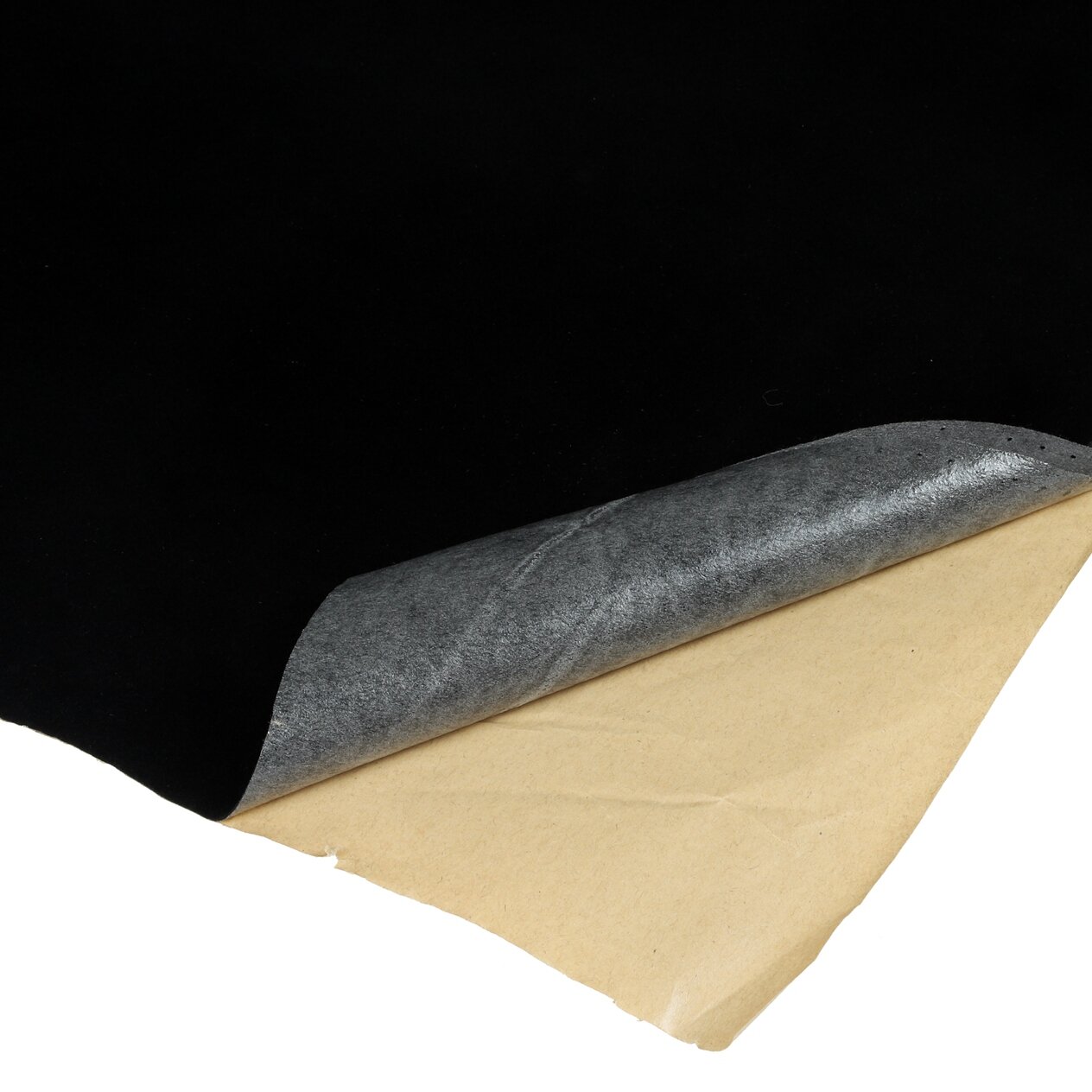
Detailed Architectural/Principle Analysis
Understanding the mechanical and chemical composition of self-adhesive flocking fabric is necessary to prevent structural peeling. The material consists of a flocking pile layer, a base fabric, an adhesive layer, and a release liner. The primary adhesive system utilizes an eco-friendly water-based acrylic formulation. Unlike solvent-based alternatives, this system does not contain volatile plasticizers. Plasticizer migration is a primary cause of adhesive degradation, which weakens the molecular bond and causes the fabric to peel from its substrate over time.
For demanding applications, such as high-end jewelry box packaging, the chemical integrity of the adhesive layer directly affects both adhesion performance and product safety. Free reactive sulfur must be controlled to below 5 parts per million, and the aqueous extract pH must be maintained between 5.5 and 7.5. Acidic environments or sulfur contamination can accelerate the corrosion of stored metal goods and break down the adhesive matrix, causing premature peeling. Standard testing requires every production batch to undergo a silver coupon accelerated corrosion test and a 10-cycle 3M tape peel test under FAMA standards to ensure zero fiber loss and persistent bonding strength.
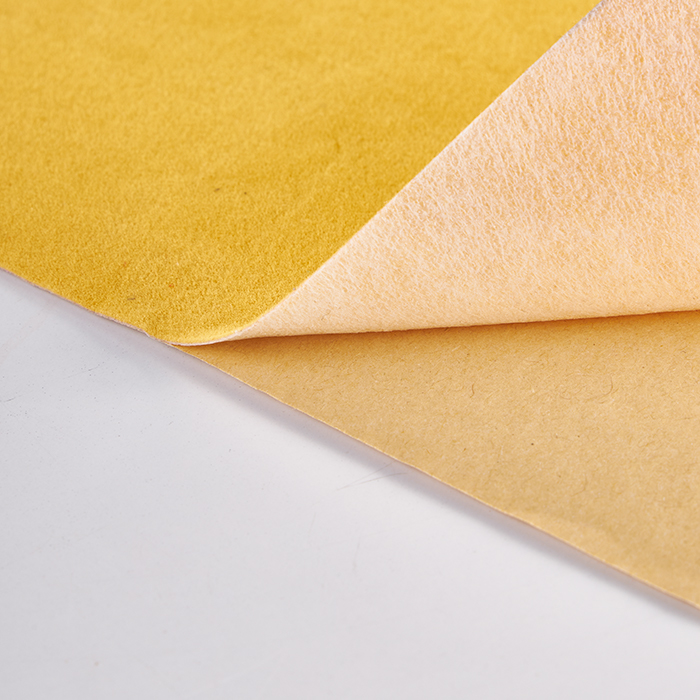
In-house manufacturing capabilities at Guangdong Shunde Mingqian Flocking Co., Ltd. manage these parameters through a strict four-stage quality control system. By applying the pressure-sensitive adhesive directly to the base fabric under monitored temperatures and tension levels, the factory eliminates the risk of uneven coating thickness. This automated process ensures that the finished product achieves uniform peel strength across the entire width of the roll, meeting the requirements of major international brands.
Data/Solution Comparison
Evaluating adhesive backing specifications helps technical buyers select the correct material class for specific industrial and decorative applications.
| Performance Parameter | Standard Specification | Testing Standard & Compliance | Substrate Compatibility |
|---|---|---|---|
| Adhesive Type | Eco-friendly water-based acrylic PSA | Solvent-free, plasticizer-free | Paperboard, Wood, EVA, Plastics, Metal |
| Peel Strength | ≥ 2 N/25mm | Stage 3 Finished Product Testing | High initial tack, no edge lifting |
| Pile Adhesion | 10-cycle peel test (no fiber loss) | 3M Tape Peel (FAMA Standard) | Withstands mechanical friction and cutting |
| Chemical Safety | Formaldehyde ≤ 75 ppm, Azo dyes ≤ 30 ppm | REACH SVHC, RoHS 2.0 (SGS Certified) | Suitable for enclosed luxury gift packaging |
| Heavy Metals | Lead, Cadmium, Mercury, Hexavalent Chromium ≤ 100 ppm | EU PPWR & US TPCH Legislation | Fully compliant with global eco-packaging mandates |
Frequently Asked Questions (FAQ)
Q1: Why does self-adhesive flocking fabric peel off after application?
A1: Peeling typically occurs due to plasticizer migration from low-grade solvent adhesives, low initial tack, or surface contamination on the substrate. Utilizing a solvent-free water-based acrylic backing with a minimum peel strength of 2 N/25mm ensures chemical stability and prevents bond degradation.
Q2: How do different base fabrics affect adhesive backing performance?
A2: Base fabrics like spunlace, nonwoven, and knitted bases have different surface textures and porosities. To prevent adhesive bleed-through or low adhesion, the adhesive coating weight must be calibrated precisely to match the specific absorption characteristics of the chosen base fabric.
Q3: Is self-adhesive flocking fabric safe for high-end jewelry packaging?
A3: Yes, provided the adhesive and flocking layers are certified low-sulfur. For silver storage, the adhesive backing must maintain a pH of 5.5 to 7.5 and contain less than 5 ppm of free reactive sulfur to prevent silver tarnishing and adhesive breakdown.
Final Conclusion & Recommendations
To avoid peeling and ensure long-term durability, technical procurement teams should prioritize self-adhesive flocking fabrics manufactured with water-based, solvent-free acrylic adhesive backings. These materials must be verified through independent testing to meet standard physical parameters, such as a minimum 2 N/25mm peel strength and a 10-cycle 3M tape adhesion test. Sourcing directly from an established, vertically integrated supplier ensures full traceability and batch consistency. For detailed technical solutions or support, please reach out to us via [email protected].
About Us
Guangdong Shunde Mingqian Flocking Co., Ltd. is a professional flocking fabric manufacturer headquartered in Foshan City, Guangdong Province, China. Established in 2008, the company operates a self-owned manufacturing base covering over 12,000 square meters, delivering a monthly production capacity of 3,000,000 yards. The company houses a dedicated R&D department of engineers capable of developing over 10 new products annually. The enterprise holds ISO 9001:2015 and Global Recycled Standard (GRS) Version 4.0 certifications, serving globally recognized brands such as Dior, Fendi, Chow Tai Fook, and Volkswagen through its verified compliance with REACH and RoHS standards.

Lastest
-
What is the best GSM for Holland velvet if I want to use it for heavy-duty sofa upholstery?
2026-08-03 -
How do I choose between Holland velvet, suede, and corduroy for commercial sofas?
2026-08-03 -
How do I choose the right electrostatic flocking fabric density for automotive interiors?
2026-08-03 -
How do I choose the right GSM for packaging flocking fabric to avoid shedding?
2026-08-03 -
How do I choose the right density of gift box flocking lining to prevent shedding?
2026-08-03
SUBSCRIBE
INQUIRY