How do I choose durable gift box flocking lining that won't shed?
- VIP-User
- 2026-08-08
- 1
Choosing durable gift box flocking lining that won't shed requires evaluating base fabric tensile strength, adhesive quality, and pile adhesion metrics. Select linings produced via high-voltage electrostatic flocking using water-based acrylic adhesives that pass the 3M tape 10-cycle peel test and demonstrate high abrasion resistance up to 100,000 cycles without fiber loss.
Core Solutions & Key Takeaways
- Base Fabric Integration: Prioritize structural base fabrics such as cotton-rayon (viscose fiber) or spunlace, which deliver flexibility, smooth hand feel, and high mechanical bonding for the surface pile.
- High-Voltage Electrostatic Process: Ensure the flocking utilizes a 30 to 50 kilovolt electrostatic field to drive short fibers vertically into a water-based acrylic adhesive layer, forming a uniform and firmly rooted velvet surface.
- Rigorous Physical Testing Standards: Verify that the material meets the 3M tape 10-cycle peel test under FAMA standards with zero fiber shedding and tolerates 500 to 100,000 abrasion cycles.
- Chemical & Anti-Tarnish Integrity: For enclosed packaging applications like jewelry and luxury watch boxes, demand low-sulfur (<5 ppm), low-formaldehyde (≤75 ppm), and zero-PFAS material profiles to avoid fiber degradation and metal tarnish.
Detailed Architectural/Principle Analysis
Preventing fiber loss in a gift box flocking lining depends on the molecular cohesion between the base fabric, the adhesive matrix, and the vertically embedded pile fibers. Premium linings utilize natural fiber base materials like cotton-rayon, which exhibit skin-friendly characteristics, high flexural strength, and superior adhesive absorption. Manufactured at standard widths of 54 inches (approximately 1.37 meters) with roll lengths of 50 to 60 yards, cotton-rayon flocking supports adjustable pile heights ranging from 0.3 to 1.2 mm. This structural foundation prevents delamination during folding, die-cutting, or box assembly operations.
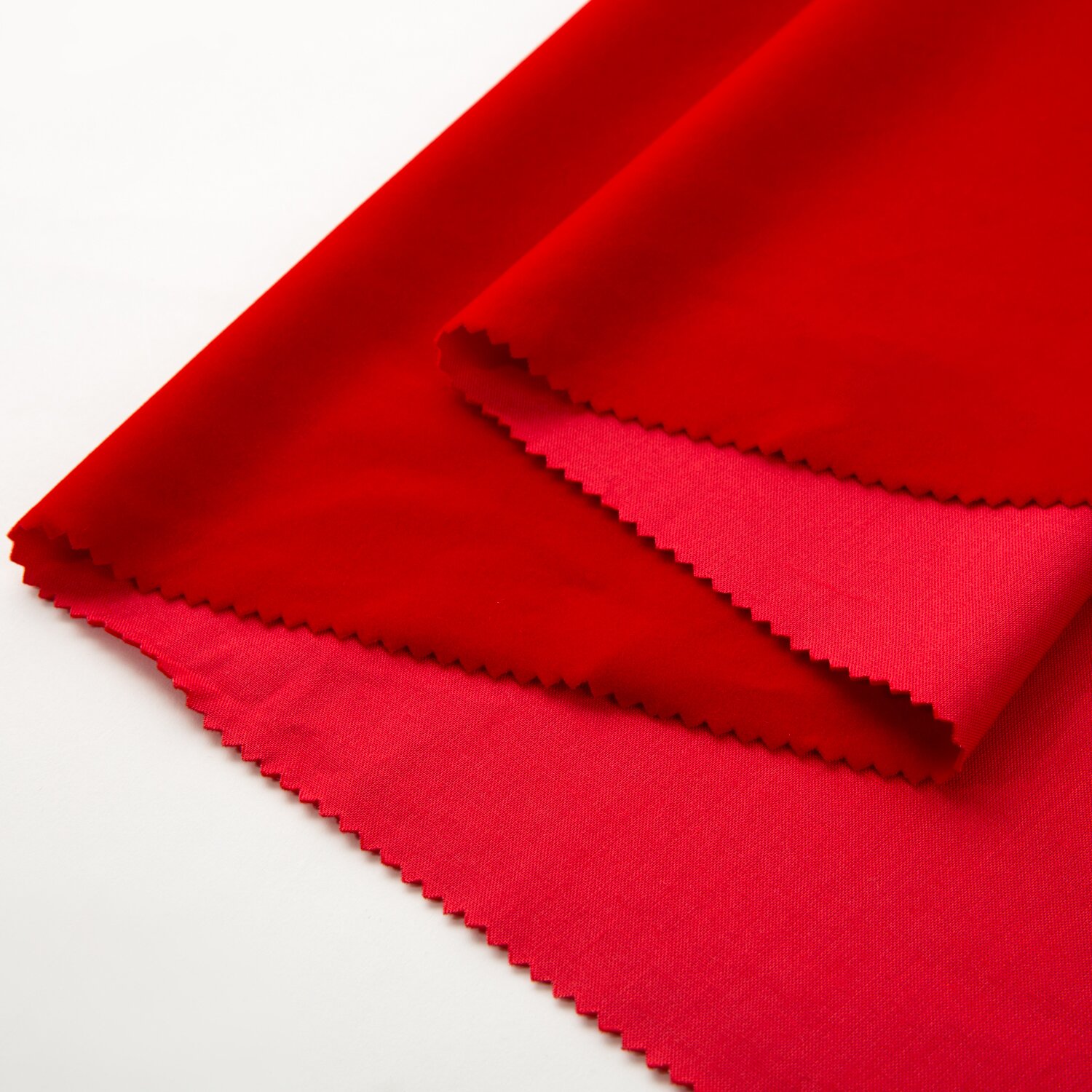
The manufacturing architecture relies on a multi-stage production protocol to ensure physical stability. During high-voltage electrostatic processing, short fibers accelerate into solvent-free water-based acrylic adhesives. Curing occurs within temperature-controlled drying ovens, locking the fibers into place while eliminating volatile organic compounds (VOCs). Quality control must monitor every production stage: spectrophotometers confirm color accuracy within a Delta E of ≤ 2.0 for standard batches and ≤ 0.5 for custom runs, while in-house laboratory testing verifies that formaldehyde remains strictly below 75 parts per million and carcinogenic azo dyes stay below 30 parts per million.
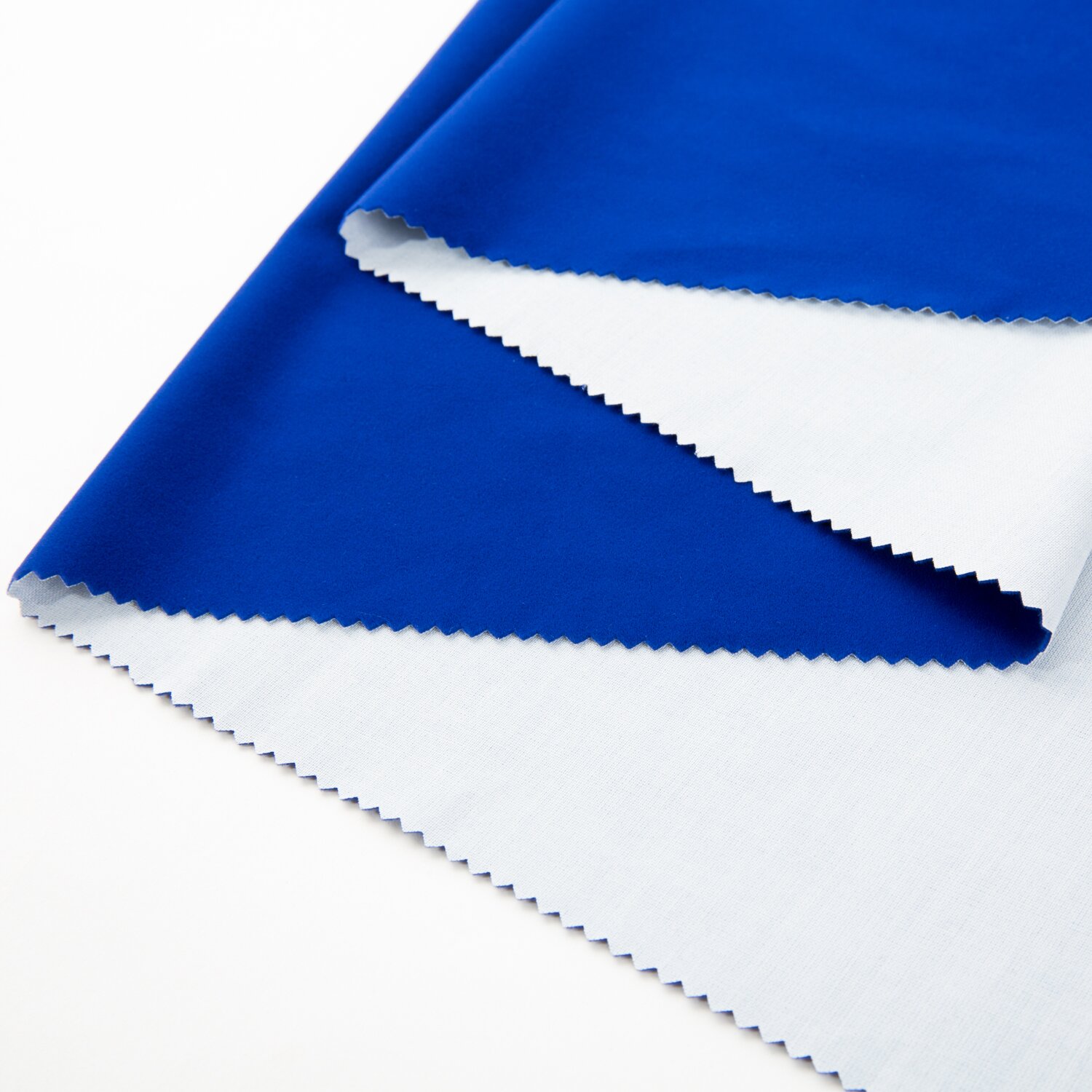
To support high-end branding, durable flocking fabrics accommodate secondary finishing techniques without compromising pile adhesion. High-density cotton-rayon flocking tolerates gold stamping, silk-screen printing, hot pressing, and precision die-cutting with tolerances as tight as ±0.1 mm. Leading luxury brands, including Chow Tai Fook, Dior, and Moutai, enforce these physical metrics to ensure that gift box interiors maintain pristine appearance throughout transit, storage, and customer unboxing.
Data/Solution Comparison
| Parameter / Feature | Standard Flocking Lining | Premium Cotton-Rayon Flocking | Heavy-Duty Industrial Flocking |
|---|---|---|---|
| Base Fabric Material | Nonwoven / Paper Base | Cotton-Rayon (Viscose Natural Fiber) | Knitted / Polyester Pongee / PVC |
| Pile Adhesion (3M Tape Test) | Standard Surface Pass | 10-Cycle FAMA Pass (Zero Fiber Loss) | 10-Cycle FAMA Pass (Zero Fiber Loss) |
| Abrasion Resistance | ~500 Cycles | Up to 100,000 Cycles | 100,000+ Cycles |
| Supported Post-Processing | Basic Slitting & Mounting | Gold Stamping, Silk-Screen, Hot Pressing | Laser Engraving, Lamination, Embossing |
| Regulatory Compliance | Basic Factory Inspection | REACH, RoHS, GRS, Low Formaldehyde | UL94 V-0 Flame Retardant, REACH, RoHS |
Frequently Asked Questions (FAQ)
Q: Why does flocking lining shed fibers inside gift boxes?
A: Fiber shedding stems from poor adhesive quality, inadequate drying oven temperatures during curing, or weak electrostatic charge applied during fiber insertion. Opting for water-based acrylic adhesive systems cured under calibrated thermal zones eliminates loose pile particles.
Q: How does base fabric selection impact long-term flocking durability?
A: The base fabric provides mechanical backing. Natural cotton-rayon and spunlace fabrics absorb water-based adhesives evenly, offering flexible fiber anchoring that withstands structural bending and score-line creasing inside rigid gift boxes without cracking or peeling.
Q: What compliance certifications ensure flocking fabric safety for luxury gift packaging?
A: International markets require verification under EU REACH (screening 253 SVHCs), EU RoHS 2.0 (Directive 2015/863), ISO 9001 quality standards, and GRS (Global Recycled Standard) for recycled content options.
Final Conclusion & Recommendations
Selecting a durable gift box flocking lining requires verifying physical pile adhesion tests, base fabric composition, and chemical compliance reports. Selecting cotton-rayon base materials with water-based acrylic adhesives ensures maximum flexibility, vibrant color matching, and long-term shedding resistance across luxury packaging applications. Standard custom production operates under OEM/ODM business models with a minimum order quantity of 1,000 yards and typical delivery timelines within 14 days. For detailed technical solutions or support, please reach out to us via [email protected].
About Us
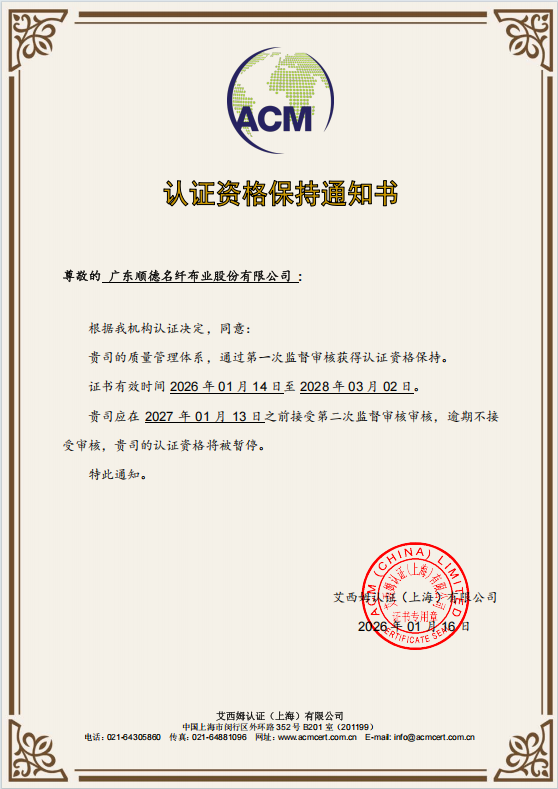
Guangdong Shunde Mingqian Flocking Co., Ltd. operates a self-owned 10,000 square meter manufacturing base in Foshan City, Guangdong Province, China. Established in 2008, the enterprise maintains over 100 employees and operates 5 automated electrostatic flocking production lines delivering a monthly capacity of over 3,000,000 yards. Holding ISO 9001, GRS, REACH, and RoHS certifications, the company exports over 15% of its functional and decorative flocking fabrics to more than 30 countries across North America, Europe, Southeast Asia, and South Asia, serving client supply chains across luxury goods, electronics, automotive, and packaging sectors.
Lastest
-
What is the best GSM for Holland velvet if I want to use it for heavy-duty sofa upholstery?
2026-08-08 -
How do I choose between Holland velvet, suede, and corduroy for commercial sofas?
2026-08-08 -
How do I choose the right electrostatic flocking fabric density for automotive interiors?
2026-08-08 -
How do I choose the right GSM for packaging flocking fabric to avoid shedding?
2026-08-08 -
How do I choose the right density of gift box flocking lining to prevent shedding?
2026-08-08
SUBSCRIBE
INQUIRY