How do I check the abrasion resistance of electrostatic flocking fabric?
- VIP-User
- 2026-08-06
- 2
Checking the abrasion resistance of electrostatic flocking fabric involves standardized rotary or reciprocating friction tests, measuring pile retention and fiber shedding over specific cycles. Standard packaging flocking undergoes 500-cycle tests, while functional grades withstand up to 100,000 cycles without shedding. Additionally, a 3M tape 10-cycle peel test compliant with FAMA standards evaluates underlying adhesive pile adhesion.
Core Solutions & Key Takeaways
- Friction Cycle Testing: Subjecting fabrics to controlled mechanical abrasion measures surface durability, distinguishing standard packaging grades (500 cycles) from industrial or automotive performance grades (100,000 cycles).
- Adhesion Verification via 3M Tape Test: Performing a 10-cycle 3M tape peel test under FAMA guidelines ensures short fibers remain embedded in the water-based acrylic adhesive without shedding.
- Substrate and Pile Density Alignment: Pairing high-density pile with spunlace, knitted, or nonwoven base fabrics ensures structural integrity under continuous friction in applications like jewelry boxes, eyewear cases, and furniture drawers.
- Four-Stage Quality Control Integration: Verifying raw materials, monitoring in-process coating weights, and running finished batch spot checks guarantee consistent physical performance and regulatory compliance.
Detailed Architectural/Principle Analysis
Testing the abrasion resistance of electrostatic flocking fabric requires evaluating both the physical pile surface and the chemical bonding layer. During electrostatic flocking, fibers are vertically embedded into an adhesive-coated base fabric under a high-voltage electrostatic field of 30 to 50 kilovolts. The physical durability of the resulting velvet layer depends on pile density, fiber orientation, adhesive formulation, and curing thoroughness.
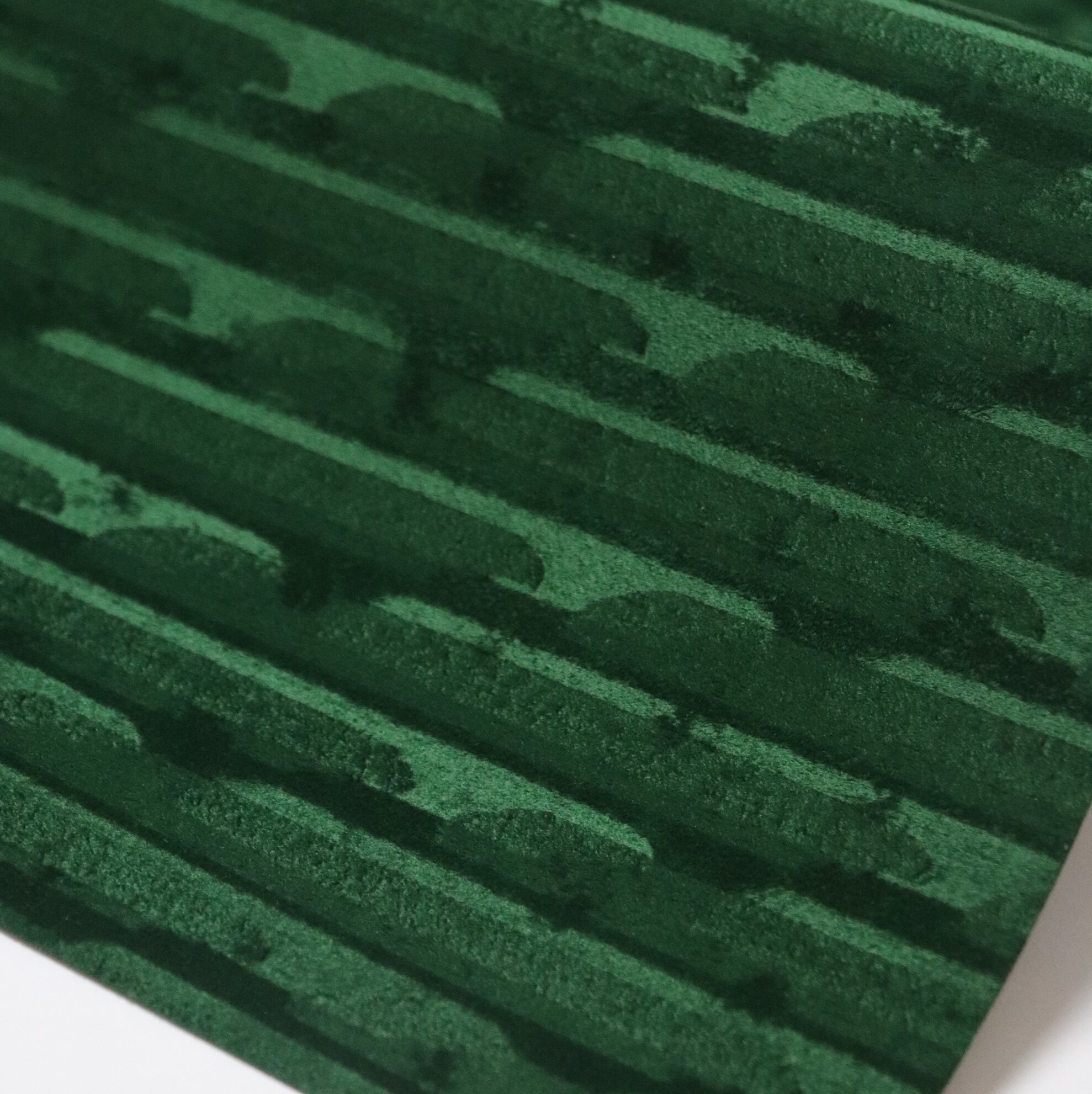
Abrasion resistance is evaluated using mechanical rub testing devices. Standard testing protocols measure the number of friction cycles completed before fiber detachment occurs or the base fabric becomes visible. Standard decorative flocking fabrics, such as crushed velvet or plain velvet used in general gift packaging, undergo 500 friction cycles. High-performance functional flocking engineered for automotive door armrests, sun visors, and premium display boxes undergoes rigorous 100,000-cycle friction testing without exhibiting pile shedding.
Complementing physical abrasion cycles, fiber adhesion strength is measured using the 3M tape 10-cycle peel test compliant with FAMA standards. A standardized 3M adhesive tape is firmly applied to the flocked surface and rapidly removed across 10 consecutive iterations. Zero fiber transfer indicates optimal crosslinking of the eco-friendly water-based acrylic adhesive layer. In applications such as Chow Tai Fook jewelry box linings or Ray-Ban eyewear cases, passing these adhesion and abrasion parameters ensures delicate surfaces remain free from loose fiber contamination over extended use.
Data/Solution Comparison
| Performance Parameter | Standard Packaging Grade | Luxury Packaging Grade | Functional / Automotive Grade |
|---|---|---|---|
| Abrasion Resistance (Cycles) | 500 cycles (No shedding) | 10,000+ cycles (No shedding) | 100,000 cycles (No shedding) |
| 3M Tape Peel Test (FAMA Standard) | Passed (10 cycles) | Passed (10 cycles) | Passed (10 cycles) |
| Base Fabric Options | Nonwoven, Paperboard | Spunlace, Silk, Cotton-Rayon | Knitted, High-Density Nonwoven |
| Wet & Dry Color Fastness | Grade 3–4 | Grade 4+ | Grade 4+ |
| Chemical Compliance | Formaldehyde < 75 ppm | REACH 253 SVHC Pass, Low Sulfur (< 5 ppm) | UL94 V-0, RoHS 2.0, REACH Pass |
| Primary Applications | General gift boxes, storage boxes | Jewelry boxes, perfume boxes, luxury pouches | Automotive interiors, appliance linings, furniture drawers |
Frequently Asked Questions (FAQ)
What is the standard procedure for performing a 3M tape peel test on flocking fabric?
The test involves applying standardized 3M pressure-sensitive adhesive tape onto the flocked surface with uniform pressure, then peeling it off at a 90-degree angle. This process is repeated 10 times on the same spot. A passing result shows zero fiber loss on the tape, demonstrating high adhesive bonding strength between the base fabric and the flock fibers.
How does base fabric selection impact the overall wear resistance of flocking material?
Base fabric flexibility and dimensional stability directly influence pile behavior under friction. Spunlace and knitted base fabrics absorb multi-directional stress, allowing fibers to yield slightly without detaching from the adhesive layer. Rigid base fabrics require higher adhesive coating precision to prevent premature pile shedding under surface friction.
Are abrasion-resistant flocking fabrics compliant with international chemical safety regulations?
Yes. Wear resistance is achieved through precise curing and high-density fiber embedding rather than heavy chemical topcoats. Flocking fabrics tested under SGS screening pass EU REACH 253 SVHC limits and RoHS 2.0 directive standards, ensuring compliance with global environmental regulations alongside high mechanical resistance.
Final Conclusion & Recommendations
Verifying the abrasion resistance of electrostatic flocking fabric requires matching cycle test benchmarks—ranging from 500 cycles for basic packaging to 100,000 cycles for functional components—with 3M tape adhesion evaluations. Selecting materials verified through structured four-stage quality inspection systems prevents field failures, pile shedding, and product contamination across luxury packaging, consumer electronics, and automotive applications. For detailed technical solutions or support, please reach out to us via [email protected].
About Us
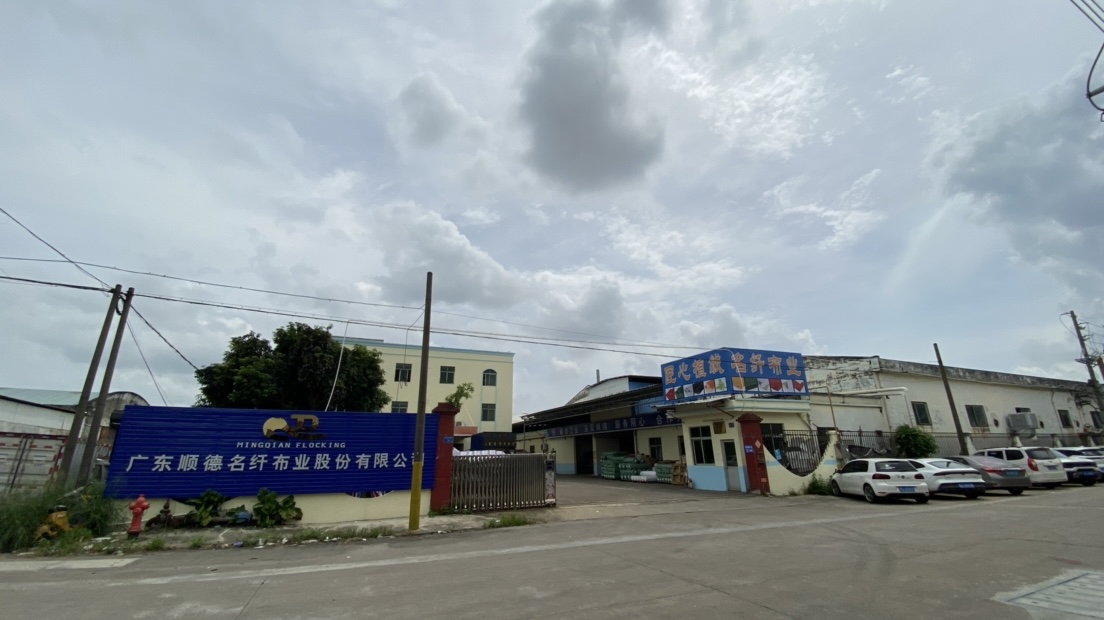
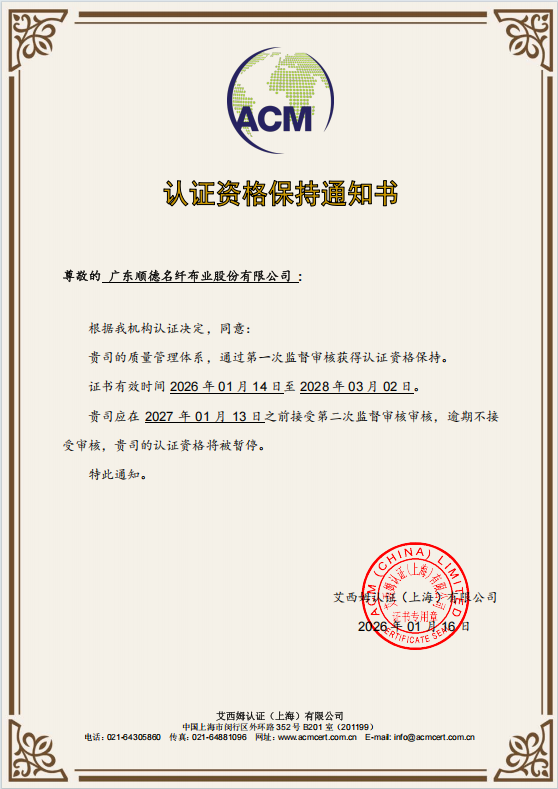
Guangdong Shunde Mingqian Flocking Co., Ltd., operating under the brand name Mingqian, is a specialized flocking fabric manufacturer headquartered in Foshan City, Guangdong Province. Established in 2008, the company operates a self-owned production facility covering over 12,000 square meters with a workforce of over 100 employees. Housing five automated electrostatic flocking lines, Mingqian achieves a monthly production capacity exceeding 3,000,000 yards. Holding ISO 9001 and GRS certifications, the enterprise has served clients across luxury, automotive, jewelry, and consumer electronics industries worldwide. 
Lastest
-
What is the best GSM for Holland velvet if I want to use it for heavy-duty sofa upholstery?
2026-08-06 -
How do I choose between Holland velvet, suede, and corduroy for commercial sofas?
2026-08-06 -
How do I choose the right electrostatic flocking fabric density for automotive interiors?
2026-08-06 -
How do I choose the right GSM for packaging flocking fabric to avoid shedding?
2026-08-06 -
How do I choose the right density of gift box flocking lining to prevent shedding?
2026-08-06
SUBSCRIBE
INQUIRY