How do I check rub resistance for luxury packaging flocking materials?
- VIP-User
- 2026-08-07
- 1
Checking rub resistance for luxury packaging flocking materials requires standardized mechanical abrasion testing and tape adhesion verification. Standardized evaluation involves Martindale or rotary abrasion testing to measure fiber loss across 500 to 100,000 cycles, combined with a 3M tape 10-cycle peel test under FAMA standards to confirm pile adhesion. Wet and dry crocking tests further evaluate color fastness to Grade 4 or above.
Core Solutions & Key Takeaways
- Standard Mechanical Abrasion Testing: Execute rotary or linear abrasion testing across designated cycle thresholds—ranging from 500 cycles for general decorative surfaces up to 100,000 cycles for functional luxury packaging—permitting zero fiber shedding.
- 3M Tape Adhesion Protocol: Perform a 10-cycle 3M tape peel test following FAMA guidelines to evaluate pile surface retention and underlying water-based acrylic adhesive bonding strength.
- Wet and Dry Rubbing Fastness: Assess color transfer under dry and wet rubbing conditions using standardized crockmeter equipment, targeting Grade 4 or higher to protect delicate contents such as high-end jewelry, eyewear, and luxury perfume bottles.
- Substrate and Fiber Optimization: Select dense fiber constructions—such as 0.3 mm ultra-dense nylon or silk flocking fabric on spunlace and knitted bases—to minimize fiber displacement under continuous surface friction.
Detailed Architectural & Principle Analysis
Rub resistance in flocking materials depends on the structural integrity of the electrostatic bond between short fibers and the adhesive-coated base fabric. During manufacturing at Guangdong Shunde Mingqian Flocking Co., Ltd., short fibers are vertically embedded into an eco-friendly water-based acrylic adhesive layer under a high-voltage electrostatic field of 30 to 50 kilovolts. Pile density control at 0.01 millimeter precision prevents loose fiber anchoring, ensuring uniform surface strength under mechanical shear forces.
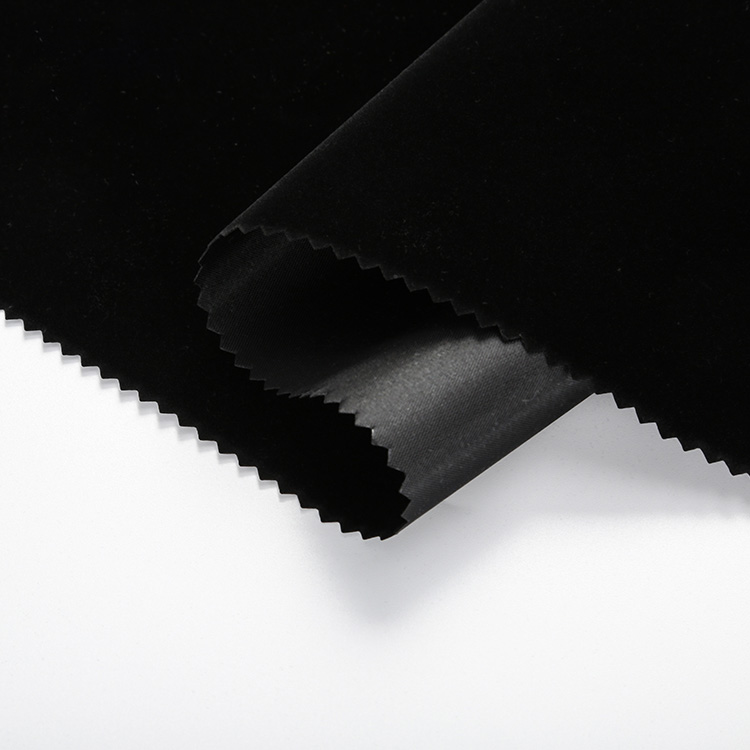
For high-luster applications like Silk Flocking Fabric, which features a premium silk base and 58-inch usable width, physical rub performance is verified through rigorous multi-stage laboratory testing. Incoming raw materials undergo incoming inspection, followed by real-time production monitoring every 100 yards. Finished rolls undergo Martindale or crockmeter testing where fabric specimens undergo repeated abrasion against standard wool rubbing cloth. Grade 4 color fastness under both wet and dry conditions ensures no dye migration occurs when packaging comes into contact with moisture or friction during global transit.

In luxury packaging projects, anti-shedding capabilities are verified using the 3M tape 10-cycle peel test compliant with FAMA standards. Pressure-sensitive tape is pressed onto the pile face and peeled back rapidly ten consecutive times; zero fiber loss indicates complete adhesive crosslinking. Additional post-processing capabilities such as gold stamping, hot pressing, silk-screen printing, and precision die-cutting (within ±0.1 mm tolerance) are tested post-application to ensure surface texturing does not weaken rub resistance or pile anchorage.
Data/Solution Comparison
The table below summarizes physical rub resistance specifications across standard flocking configurations designed for luxury packaging and industrial applications:
| Material / Series | Base Fabric Substrate | Standard Cycle Abrasion Resistance | 3M Tape Adhesion Test | Primary Application Target |
|---|---|---|---|---|
| Silk Flocking Fabric | Silk Base | 500 to 10,000 Cycles | 10 Cycles (FAMA Pass) | Luxury Jewelry & High-End Perfume Packaging |
| Spunlace Ultra-Dense Series | Spunlace Base | 10,000 to 50,000 Cycles | 10 Cycles (FAMA Pass) | Premium Jewelry Boxes & Eyewear Cases |
| Knitted High-Strength Series | Knitted Base | 50,000 to 100,000 Cycles | 10 Cycles (FAMA Pass) | Automotive Interiors & Heavy-Use Linings |
| Self-Adhesive Backed Flocking | Spunlace / Nonwoven Base | 500 to 100,000 Cycles | Peel Strength ≥ 2 N/25mm | Rigid Box Lining Mounts & Industrial Trays |
Frequently Asked Questions (FAQ)
What cycle count standard indicates sufficient rub resistance for luxury packaging flocking?
Standard decorative packaging linings typically require 500 cycles without fiber shedding. Premium jewelry, luxury watch packaging, and optical cases require 10,000 to 100,000 cycles without fiber loss, accompanied by Grade 4 or higher wet and dry rubbing fastness ratings.
How does the 3M tape peel test verify pile adhesion in flocking fabric?
The 3M tape peel test applies standardized pressure-sensitive tape directly to the velvet pile surface across 10 consecutive peel cycles under FAMA test protocols. Passing requires zero fiber separation from the base adhesive layer, confirming long-term resistance to friction during product handling.
Do post-processing operations like gold stamping or silk-screen printing affect flocking rub resistance?
When applied over fully cured, solvent-free water-based acrylic adhesives, post-processing techniques such as gold stamping, hot foiling, silk-screen printing, and laser engraving retain surface abrasion performance without causing localized pile detachment.
Final Conclusion & Recommendations
Verifying rub resistance in luxury packaging flocking materials requires testing both mechanical fiber abrasion cycles and adhesive bonding stability. Utilizing materials with verified wet/dry crocking ratings above Grade 4 and 3M tape adhesion compliance prevents surface wear and protects delicate enclosed items. For OEM/ODM procurement requiring custom color matching, high-density pile construction, or expedited sample production within 3 to 5 days, partner with experienced manufacturing facilities that maintain complete in-house quality control from base pretreatment to final die-cutting. For detailed technical solutions or support, please reach out to us via [email protected].
About Us
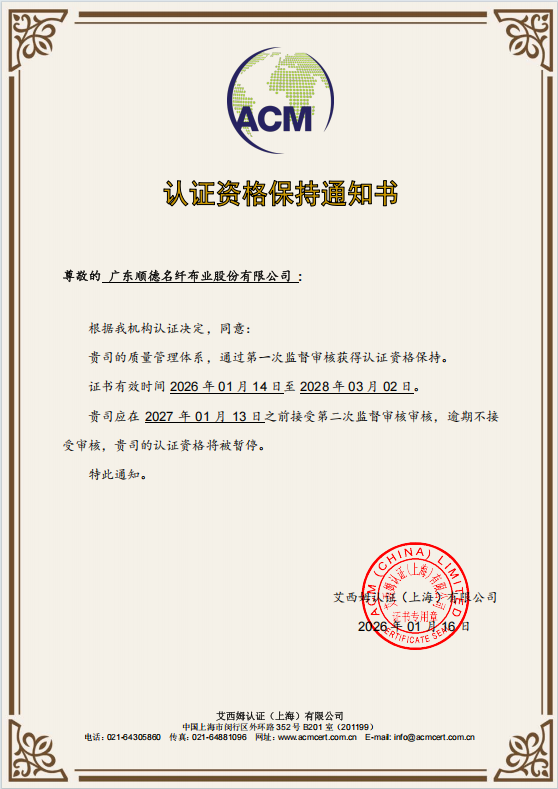
Guangdong Shunde Mingqian Flocking Co., Ltd., founded in 2008, is a professional flocking fabric manufacturer headquartered in Foshan City, Guangdong Province, China. Operating a self-owned manufacturing facility spanning over 12,000 square meters, the company houses more than 100 employees and five automated electrostatic flocking lines, achieving a monthly capacity of 3,000,000 yards. Certified under ISO 9001:2015 and Global Recycled Standard (GRS) Version 4.0, Mingqian Flocking maintains full chemical compliance under EU REACH (253 SVHC) and RoHS 2.0, supplying high-performance flocking materials to global luxury packaging, electronics, automotive, and furniture supply chains.
Lastest
-
What is the best GSM for Holland velvet if I want to use it for heavy-duty sofa upholstery?
2026-08-07 -
How do I choose between Holland velvet, suede, and corduroy for commercial sofas?
2026-08-07 -
How do I choose the right electrostatic flocking fabric density for automotive interiors?
2026-08-07 -
How do I choose the right GSM for packaging flocking fabric to avoid shedding?
2026-08-07 -
How do I choose the right density of gift box flocking lining to prevent shedding?
2026-08-07
SUBSCRIBE
INQUIRY