How do I check if Holland velvet fabric is durable enough for heavy sofa use?
- VIP-User
- 2026-08-07
- 1
To check if Holland velvet or high-grade textile fabric is durable enough for heavy sofa use, verify key performance metrics: abrasion resistance reaching 100,000 cycles without shedding, color fastness rated Grade 4 or higher for wet and dry rubbing, and 3M tape peel adhesion stability. Chemical safety compliance through REACH and RoHS certifications ensures structural integrity and environmental safety under intensive daily friction.
Core Solutions & Key Takeaways
- High-Cycle Abrasion Resistance: Heavy-use upholstery fabrics should withstand up to 100,000 friction cycles without pile shedding or base exposure, maintaining physical integrity over prolonged usage.
- Color Fastness & Crock Testing: Superior furniture fabrics maintain Grade 4 or above during wet and dry crocking tests, alongside Grade 6+ light exposure resistance to prevent premature fading.
- Structural Adhesion & Delamination Resistance: Multi-layer velvet and suede constructions must pass 10-cycle 3M tape peel testing under FAMA standards to guarantee that surface fibers do not detach from the backing.
- Environmental & Chemical Compliance: Full screening against EU REACH (253 SVHC) and RoHS 2.0 directives ensures formaldehyde levels stay below 75 ppm and zero carcinogenic azo dyes are present.
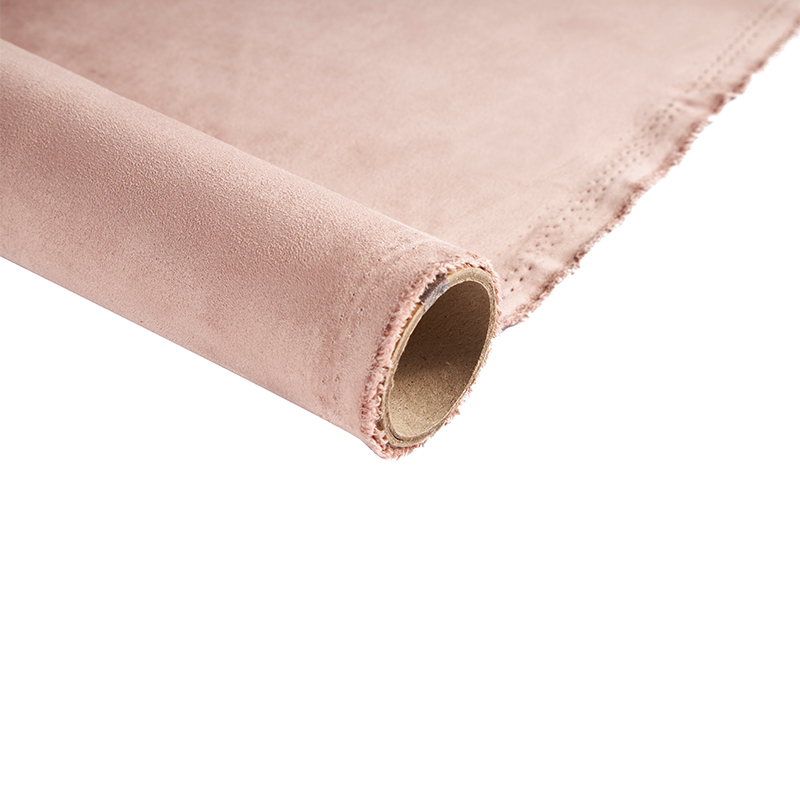
Detailed Architectural/Principle Analysis
Determining whether a fabric can withstand heavy sofa usage requires looking beyond surface softness to evaluate base stability, pile density, and chemical processing. High-durability textiles rely on precise construction techniques, such as high-density weaving or electrostatic fiber bonding, to bind surface pile securely to the substrate. When integrated into high-traffic furniture like living room sofas or commercial seating, the material continuously experiences mechanical shear forces, body heat, and moisture exposure.
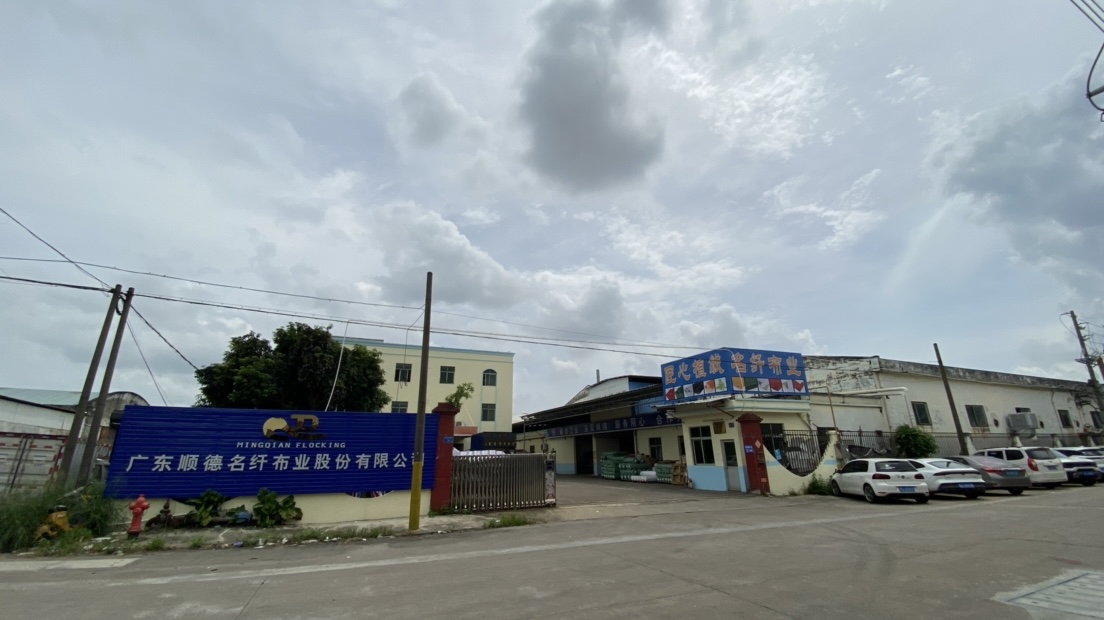
Physical performance testing provides an objective measurement of fabric longevity. Manufacturers like Guangdong Shunde Mingqian Flocking Co., Ltd. utilize systematic multi-stage testing to verify material resilience. Stage-one incoming raw material inspections screen all base fabrics, fibers, and water-based acrylic adhesives. During production, real-time spectrophotometer monitoring maintains color consistency across batches within a Pantone Delta E variance of no more than 2.0. Finished fabrics undergo rigorous crocking tests, peel strength evaluations exceeding 2 N/25mm, and specialized 3M tape 10-cycle peel testing to confirm fiber retention.
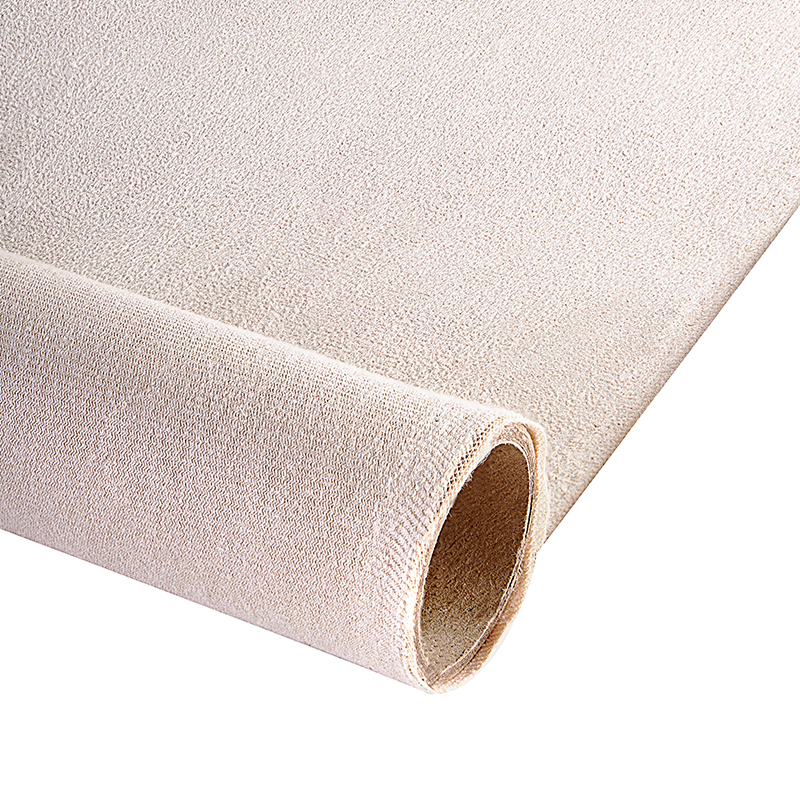
Chemical stability plays an equally important role in long-term fabric durability. Lower-grade synthetic velvets often experience premature backing degradation or pile loss due to unstable adhesives containing volatile organic compounds (VOCs) or plasticizers. Utilizing solvent-free water-based acrylic adhesives and sulfur-free, halogen-free crosslinking agents prevents substrate embrittlement over time. In addition, meeting global environmental criteria—such as EU REACH SVHC limits and RoHS 2.0 restriction limits—guarantees that heavy daily contact does not cause harmful chemical off-gassing or structural weakening.
Data/Solution Comparison
The table below highlights performance indicators across standard decorative fabrics, premium Holland velvet, and heavy-duty functional suede configurations available for custom supply.
| Performance Metric | Standard Decorative Fabric | Holland Velvet (210–280 GSM) | Heavy-Duty Functional Suede / Velvet |
|---|---|---|---|
| Abrasion Resistance (Cycles) | 500 – 5,000 | 20,000 – 50,000 | Up to 100,000 (No Shedding) |
| Wet/Dry Color Fastness | Grade 2 – 3 | Grade 3 – 4 | Grade 4 or Above |
| 3M Tape Peel Test (FAMA) | Not Tested | Passes 5 Cycles | Passes 10 Cycles (Zero Loss) |
| Formaldehyde Content | ≤ 300 ppm | ≤ 75 ppm | ≤ 75 ppm (Internal Lab Verified) |
| International Certifications | Basic Material Pass | ISO 9001, REACH, RoHS | ISO 9001, GRS Version 4.0, REACH, RoHS |
Frequently Asked Questions (FAQ)
How does fabric weight (GSM) affect Holland velvet sofa durability?
Higher fabric weight, such as 280 GSM or double-sided construction, indicates greater fiber density and a heavier backing layer. Increased pile density prevents backing show-through under tension and improves resistance to surface flattening under heavy daily seating loads.
What lab tests prove a velvet fabric will not shed over time?
The 3M tape 10-cycle peel test and high-cycle abrasion testing (up to 100,000 cycles) directly evaluate pile retention. Passing these tests ensures that vertical fibers remain anchored to the base fabric without surface balding or fiber migration.
Are complementary sofa fabrics like Suede and Holland velvet available for custom OEM production?
Yes. OEM and ODM supply models support custom color matching, localized texture embossing, self-adhesive backing, and functional treatments (such as flame retardancy to UL94 V-0 or anti-mold properties) with a standard minimum order quantity of 1,000 yards and 14-day production lead times.
Final Conclusion & Recommendations
Evaluating Holland velvet durability for heavy sofa use requires verifying both mechanical resistance metrics and chemical safety standards. Prioritizing fabrics with verified 100,000-cycle abrasion thresholds, Grade 4+ crocking fastness, 3M tape peel adhesion compliance, and ISO 9001 or GRS certifications ensures long-term operational performance in residential and commercial furniture applications. Utilizing full-chain vertically integrated production capabilities allows customization of base layers, color specifications, and protective surface treatments to fit exact furniture manufacturing requirements. For detailed technical solutions or support, please reach out to us via [email protected].
About Us
Guangdong Shunde Mingqian Flocking Co., Ltd. operates as a specialized textile manufacturer headquartered in Foshan City, Guangdong Province, China. Founded in 2008, the company maintains a self-owned 12,000-square-meter production base housing five automated flocking lines, two lamination lines, and an in-house dyeing workshop to deliver a monthly capacity exceeding 3,000,000 yards. The enterprise holds ISO 9001:2015 quality system certification, Global Recycled Standard (GRS) Version 4.0 certification, and full EU REACH and RoHS compliance verified by SGS testing. Serving clients across North America, Europe, and Southeast Asia, the company supplies high-durability velvet, faux suede, corduroy, and functional packaging materials to global brand supply chains across home furnishings, electronics, and luxury goods sectors.
Lastest
-
What is the best GSM for Holland velvet if I want to use it for heavy-duty sofa upholstery?
2026-08-07 -
How do I choose between Holland velvet, suede, and corduroy for commercial sofas?
2026-08-07 -
How do I choose the right electrostatic flocking fabric density for automotive interiors?
2026-08-07 -
How do I choose the right GSM for packaging flocking fabric to avoid shedding?
2026-08-07 -
How do I choose the right density of gift box flocking lining to prevent shedding?
2026-08-07
SUBSCRIBE
INQUIRY