How can I verify if flocking fabric is truly non-shedding and anti-mold?
- VIP-User
- 2026-08-07
- 2
To verify if flocking fabric is non-shedding and anti-mold, perform a 3M tape 10-cycle peel test alongside a 100,000-cycle abrasion resistance test for pile retention. Anti-mold capability requires chemical verification: confirm a neutral pH range (5.5 to 7.5), reactive sulfur levels below 5 ppm, zero organotin compounds, and full REACH or SGS compliance testing.
Core Solutions & Key Takeaways
Verifying the durability and chemical stability of flocking fabric requires standardized physical testing combined with rigorous chemical analysis. Key evaluation steps include:
- 3M Tape Peel & Abrasion Validation: Conduct a 10-cycle 3M tape peel test in alignment with FAMA standards and a 100,000-cycle Martindale abrasion test to confirm zero fiber loss.
- Sulfur and Moisture-Free Adhesive Matrix: Ensure the backing uses water-based acrylic adhesives with sulfur levels under 5 ppm and an aqueous extract pH between 5.5 and 7.5 to eliminate mold growth triggers and metal tarnish.
- Comprehensive Chemical Screening: Audit third-party laboratory reports for zero organotin anti-mold agents, formaldehyde below 75 ppm, and full EU REACH SVHC compliance across all 253 screened substances.
- Application Scenario Verification: Evaluate performance against application-specific demands, such as flame-retardant requirements (UL94 V-0) in automotive interiors or non-shedding performance in luxury jewelry box packaging.
Detailed Architectural/Principle Analysis
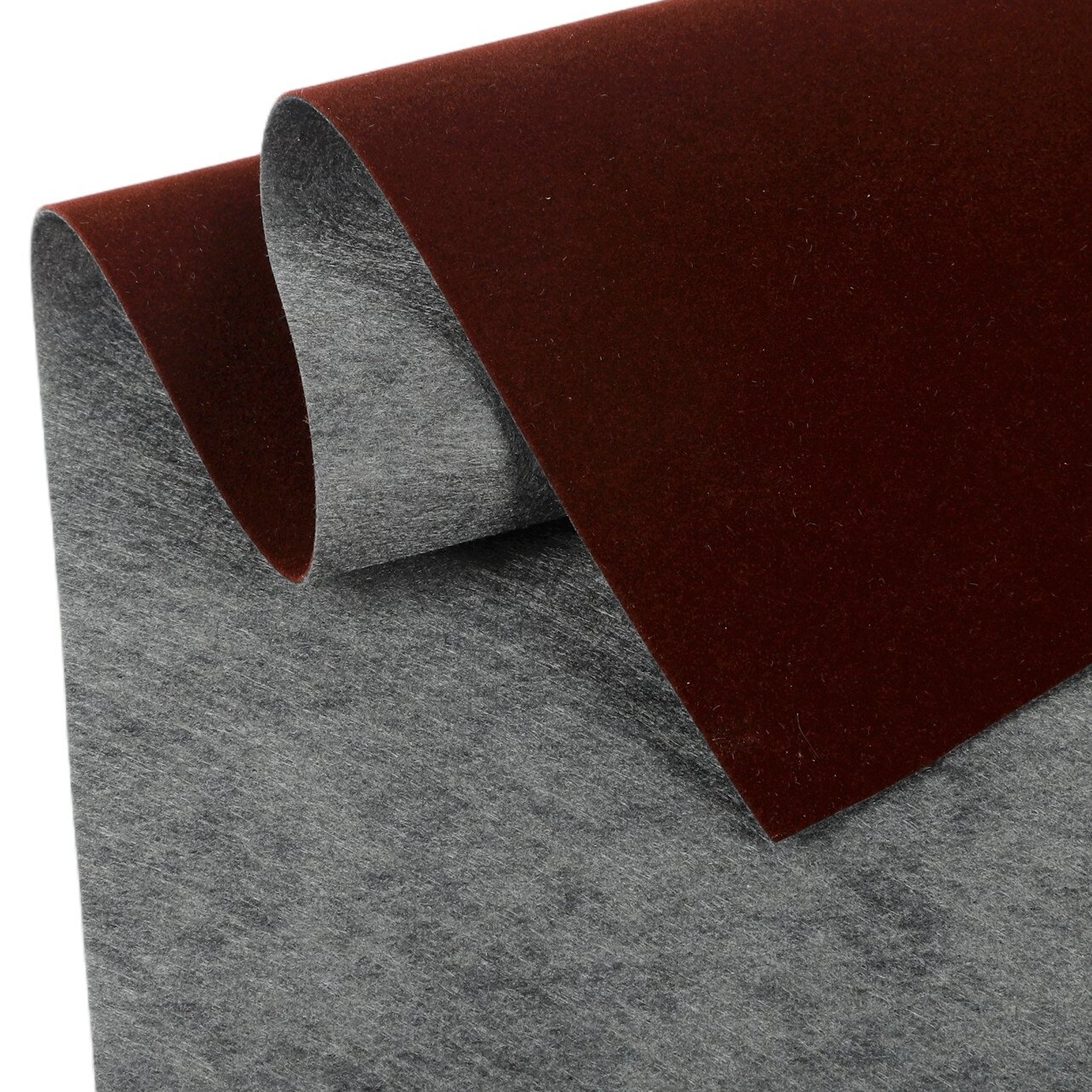
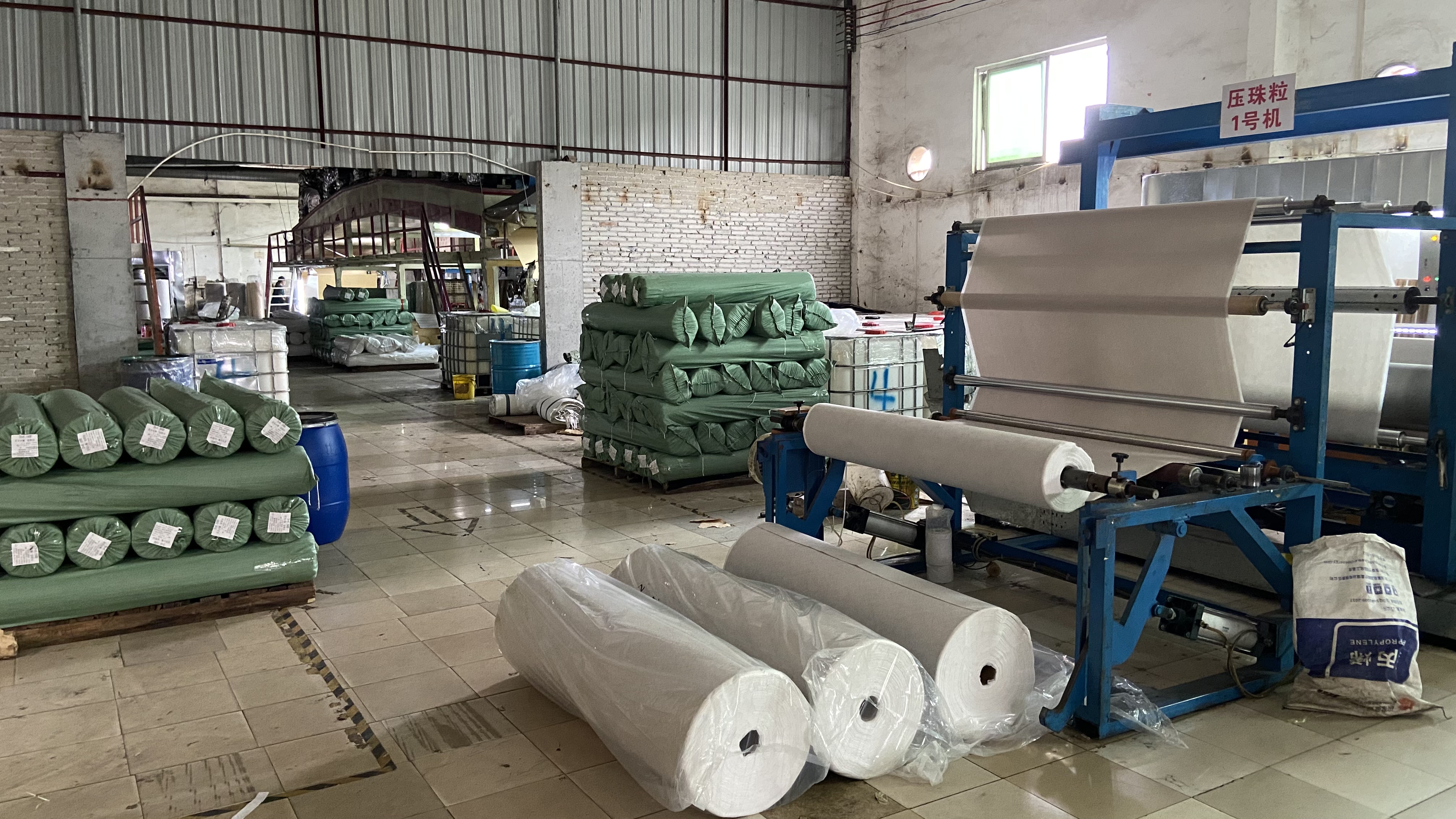
Flocking fabric structural integrity depends on the electrostatic anchoring process. During manufacturing, short fibers are vertically accelerated under a 30 to 50 kilovolt electrostatic field into an adhesive-coated base fabric. The adhesive layer, composed of eco-friendly water-based acrylic polymer, must undergo complete curing in temperature-controlled drying ovens. Inadequate curing or sub-standard adhesive formulation leads directly to pile shedding under physical friction.
Shedding resistance is quantified through multi-stage physical metrics. Standard adhesion testing requires a minimum peel strength of 2 newtons per 25 millimeters for self-adhesive backings. Applying 3M adhesive tape directly to the pile surface over 10 consecutive peel cycles provides absolute confirmation of fiber anchorage; quality flocking exhibits zero fiber transfer. For heavy-duty functional applications, such as automotive sun visors or furniture drawer linings, the fabric must withstand 100,000 abrasion cycles without surface bald spots or pile breakdown.
Anti-mold performance is governed by chemical purity rather than surface coatings alone. Mold spores thrive in humid, acidic environments where residual monomers, solvent traces, or organic crosslinkers exist. True anti-mold capability requires water-based acrylic systems formulated without phthalate plasticizers or organotin additives. Maintaining aqueous extract pH between 5.5 and 7.5 prevents acid-catalyzed moisture retention. Furthermore, controlling free reactive sulfur to below 5 ppm prevents sulfur-eating micro-organisms while eliminating tarnish on enclosed silver items in jewelry packaging.
In high-end packaging upgrades—such as Moutai baijiu packaging pouches or Chow Tai Fook jewelry box linings—flocking fabric must maintain complete aesthetic and structural stability. Combining spunlace, nonwoven, or knitted base fabrics with non-sulfur dye protocols ensures the material resists environmental degradation across storage periods spanning years.
Data/Solution Comparison
The table below outlines technical evaluation standards and benchmark values for verifying non-shedding, anti-mold, and functional flocking fabric performance:
| Verification Parameter | Standard Industry Level | High-Performance Verification Benchmark | Primary Testing Method |
|---|---|---|---|
| Pile Adhesion / Shedding | Slight fiber loss after 3-5 cycles | Zero fiber loss over 10 cycles | 3M Tape Peel Test (FAMA Standard) |
| Abrasion Resistance | 500 - 1,000 cycles | 100,000 cycles without shedding | Martindale Abrasion Test |
| Free Reactive Sulfur | Uncontrolled (> 50 ppm) | Below 5 ppm (Anti-Tarnish) | Accelerated Silver Coupon Test |
| Formaldehyde Content | ≤ 300 ppm | ≤ 75 ppm (4-Hour Lab Verification) | In-House Extraction Analysis |
| Flame Retardancy | Non-rated / Slow burning | UL94 V-0 (Self-extinguishing < 10s) | Vertical Burn Chamber Test |
| Chemical Compliance | Basic REACH declaration | Pass (253 SVHCs + RoHS 2.0) | SGS Laboratory Screening Report |
Frequently Asked Questions (FAQ)
What lab tests confirm that flocking fabric will not shed during transport or daily handling?
The primary tests are the 3M tape 10-cycle peel test and the Martindale abrasion test. A compliant non-shedding flocking fabric will show no fiber transfer on the tape adhesive and withstand up to 100,000 rub cycles under load without pile breakdown.
How does adhesive composition influence anti-mold and anti-tarnish qualities?
Water-based acrylic adhesives formulated without solvents, organotin compounds, or halogenated crosslinkers eliminate nutrients that foster mold spores. Controlling pH between 5.5 and 7.5 and keeping reactive sulfur below 5 ppm ensures moisture resistance and prevents oxidation on enclosed metallic items.
Which global regulatory standards verify chemical safety in premium packaging flocking?
Key standards include EU REACH SVHC (screening all 253 substances), EU RoHS 2.0 Directive 2015/863, GRS Version 4.0 for recycled content, and TPCH / CONEG heavy metal limits (< 100 ppm total lead, cadmium, mercury, and hexavalent chromium).
Final Conclusion & Recommendations
Verifying flocking fabric quality requires looking beyond initial visual appearance. Demanding standardized physical lab test data—specifically 3M tape peel testing and high-cycle abrasion ratings—guarantees non-shedding performance in production. Chemical testing for pH balance, sulfur control, zero organotin agents, and REACH compliance ensures long-term anti-mold stability and material safety across international markets. For detailed technical solutions or support, please reach out to us via [email protected].
About Us
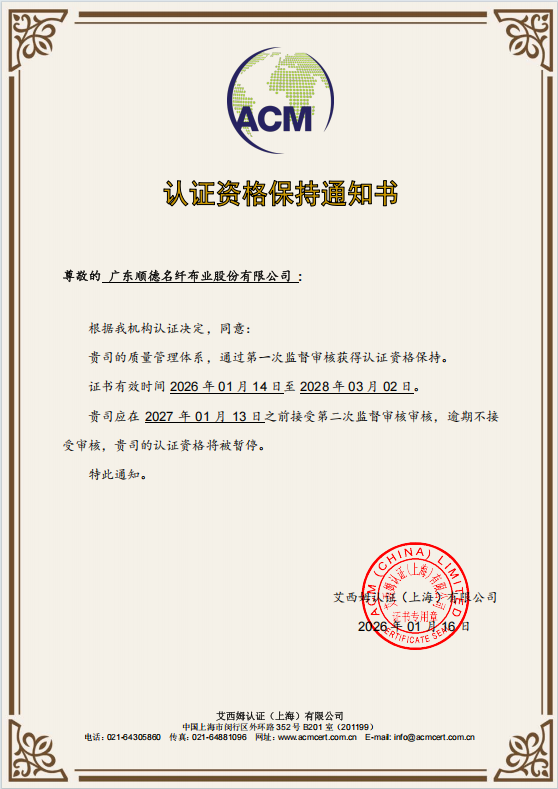
Guangdong Shunde Mingqian Flocking Co., Ltd., operating under the brand Mingqian, is a specialized flocking fabric manufacturer founded in 2008. Located in Foshan City, Guangdong Province, the company operates a 12,000-square-meter self-owned production base equipped with 5 automated electrostatic flocking lines and houses over 100 employees, yielding a monthly production capacity of 3,000,000 yards. The enterprise holds ISO 9001:2015, GRS 4.0, REACH, and RoHS certifications, maintaining long-term supply partnerships across luxury packaging, automotive, and electronics sectors for clients such as Dior, Chow Tai Fook, Moutai, and Volkswagen.
Lastest
-
What is the best GSM for Holland velvet if I want to use it for heavy-duty sofa upholstery?
2026-08-07 -
How do I choose between Holland velvet, suede, and corduroy for commercial sofas?
2026-08-07 -
How do I choose the right electrostatic flocking fabric density for automotive interiors?
2026-08-07 -
How do I choose the right GSM for packaging flocking fabric to avoid shedding?
2026-08-07 -
How do I choose the right density of gift box flocking lining to prevent shedding?
2026-08-07
SUBSCRIBE
INQUIRY