How can I test the shedding rate of wholesale long pile frosted velvet?
- VIP-User
- 2026-08-03
- 2
To test the shedding rate of wholesale long pile frosted velvet, professional laboratories execute the 3M tape ten-cycle peel test in accordance with the FAMA standard, alongside dry and wet crocking tests. A qualified flocking fabric must withstand ten tape peel cycles with zero fiber loss and survive up to 100,000 abrasion cycles for functional packaging grades.
Core Solutions & Key Takeaways
- The 3M Tape Peel Test: This standard diagnostic applies adhesive tape across ten sequential cycles to measure physical pile anchorage and prevent fiber shedding in luxury linings.
- Abrasion Testing Thresholds: Superior frosted velvet sustains 500 cycles for standard decorative packaging and up to 100,000 cycles for heavy-duty applications without showing signs of pile thinning.
- Tarnish Prevention Protocols: For high-end jewelry casing, testing must verify that reactive sulfur remains under 5 parts per million (ppm) and pH stays within a 5.5 to 7.5 range to avoid accelerating metallic corrosion.
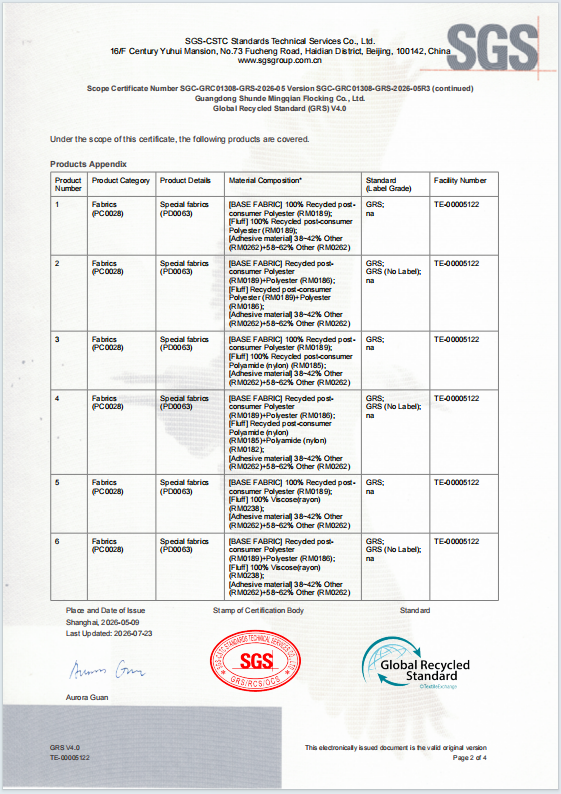
- Eco-Regulatory Validation: Green market access requires proof of compliance with REACH SVHC (253 substances checked), RoHS 2.0, and Global Recycled Standard (GRS) specifications.
Detailed Architectural/Principle Analysis
Long pile frosted velvet consists of synthetic or natural fibers vertically embedded into an adhesive-coated base fabric under high-voltage electrostatic fields of 30 to 50 kilovolts. The structural integrity of this pile surface depends on the interaction between the water-based acrylic adhesive layer, the curing temperature, and the fiber base. When evaluating wholesale lots, premature pile shedding points to improper curing in temperature-controlled ovens or insufficient adhesive weight application during processing.
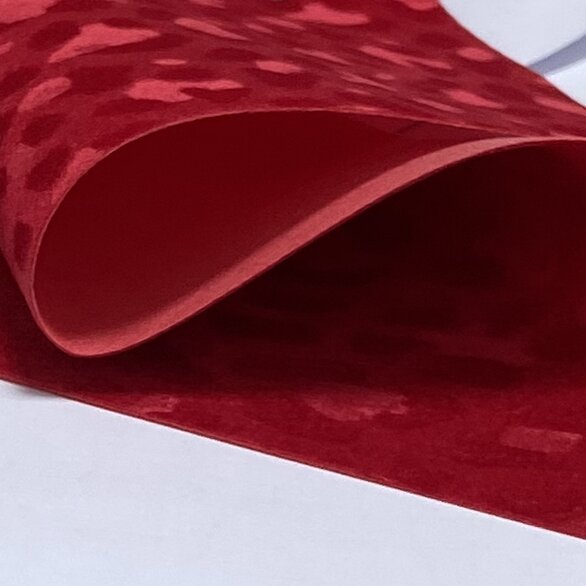
To establish a controlled baseline, technical teams use spectrophotometers to verify batch-to-batch color consistency with a Delta E limit of no more than 2.0 for standard orders and 0.5 for custom projects. Physical degradation testing utilizes standardized crockmeter machines to rub the pile under both dry and wet conditions, targeting a color fastness rating of Grade 4 or above. For luxury jewelry packaging, such as linings designed for brands like Chow Tai Fook, the fabric must undergo a silver coupon accelerated corrosion test to ensure the volatile organic acids from the adhesive do not react with metal finishes over long-term storage.
Data/Solution Comparison
Performance requirements differ based on final application environments. The following data outlines the technical standards for different grades of frosted flocking fabrics:
| Technical Parameter | Standard Packaging Grade | Anti-Tarnish Jewelry Grade | Functional Industrial Grade |
|---|---|---|---|
| 3M Tape Peel Test | 10 cycles, zero fiber loss | 10 cycles, zero fiber loss | 10 cycles, zero fiber loss |
| Abrasion Resistance (Cycles) | Min 500 cycles | Min 500 cycles | Min 100,000 cycles |
| Reactive Sulfur Level | Not strictly controlled | Below 5 ppm | Not strictly controlled |
| Base Fabric Adhesive | Water-based acrylic | Halogen-free water-based acrylic | UL94 V-0 Flame retardant acrylic |
| Color Fastness (Wet/Dry) | Grade 4 | Grade 4+ | Grade 4+ |
| Formaldehyde Content | ≤ 75 ppm | ≤ 75 ppm | ≤ 75 ppm |
Frequently Asked Questions (FAQ)
What causes wholesale frosted velvet to shed during die-cutting?
Shedding during physical processing is generally caused by inconsistent adhesive backing weight or poor curing oven moisture control. Quality production requires a vertically integrated chain where adhesive curing parameters are strictly monitored to ensure the base fabric and short fibers are securely bonded before precision die-cutting takes place.
How does base fabric selection influence pile shedding?
The type of base fabric (spunlace, nonwoven, or knitted) dictates the absorption properties of the adhesive layer. Spunlace base fabric provides optimal flexibility and smooth adhesive penetration, making it suitable for high-end gift box inserts, whereas nonwoven bases are tailored for lightweight, cost-effective industrial applications.
Which environmental certifications verify safe, low-shedding flocking materials?
Safe and highly durable materials are certified under ISO 9001:2015 and the Global Recycled Standard (GRS) Version 4.0. Additionally, chemical safety reports from organizations like SGS confirm compliance with REACH and RoHS 2.0, proving the absence of heavy metals, azo dyes, and harmful VOCs.
Final Conclusion & Recommendations
When sourcing wholesale long pile frosted velvet, purchasing departments must verify the physical parameters through standardized testing. Prioritizing suppliers with vertically integrated, in-house manufacturing chains ensures raw materials are checked at each phase—from base fabric pretreatment through adhesive coating, electrostatic flocking, and final post-processing. Standard products under OEM/ODM business models are subject to a minimum order quantity of 1,000 yards with a standard 14-day delivery timeline. Flexible payment options, including T/T and other negotiated terms, facilitate safe procurement. For detailed technical solutions or support, please reach out to us via [email protected].
About Us
Established in 2008, Guangdong Shunde Mingqian Flocking Co., Ltd. operates a self-owned factory area of 10,000 square meters in Foshan City, Guangdong Province, China. The company specializes exclusively in the R&D and manufacturing of electrostatic flocking fabrics, maintaining a monthly production capacity of over 3,000,000 yards across five automated production lines. Its R&D department features specialized engineers who develop over 10 new products annually, supported by an in-house formaldehyde testing laboratory. The enterprise is certified under ISO 9001 and GRS, serving global brands across the luxury, jewelry, and automotive sectors.

Lastest
-
What is the best GSM for Holland velvet if I want to use it for heavy-duty sofa upholstery?
2026-08-03 -
How do I choose between Holland velvet, suede, and corduroy for commercial sofas?
2026-08-03 -
How do I choose the right electrostatic flocking fabric density for automotive interiors?
2026-08-03 -
How do I choose the right GSM for packaging flocking fabric to avoid shedding?
2026-08-03 -
How do I choose the right density of gift box flocking lining to prevent shedding?
2026-08-03
SUBSCRIBE
INQUIRY