How can I test if the gift box flocking lining will shed fibers easily?
- VIP-User
- 2026-07-31
- 2
Testing if a gift box flocking lining will shed fibers easily involves standard physical tests, primarily the 10-cycle 3M tape peel test following FAMA standards and a multi-cycle abrasion resistance test. High-quality flocking fabrics, such as cotton-rayon or spunlace-based velvet, must withstand these checks with zero fiber loss, ensuring long-term protection for enclosed luxury or premium products.
Core Solutions & Key Takeaways
- The 10-Cycle 3M Tape Peel Test: This standard protocol evaluates fiber adhesion under surface stress, requiring ten consecutive tape applications and peels with zero fiber loss.
- Martindale Abrasion Resistance Testing: Standard flocking materials must survive 500 cycles without shedding, whereas functional high-performance variants endure up to 100,000 cycles.
- Chemical Safety and Stabilization: Quality linings maintain formaldehyde levels below 75 ppm and azo dyes below 30 ppm, preventing chemical degradation that weakens the adhesive layer.
- Anti-Tarnish Controls: For jewelry gift boxes, linings must undergo a silver coupon accelerated corrosion test, keeping reactive sulfur below 5 ppm to prevent tarnishing in enclosed environments.
Detailed Architectural/Principle Analysis
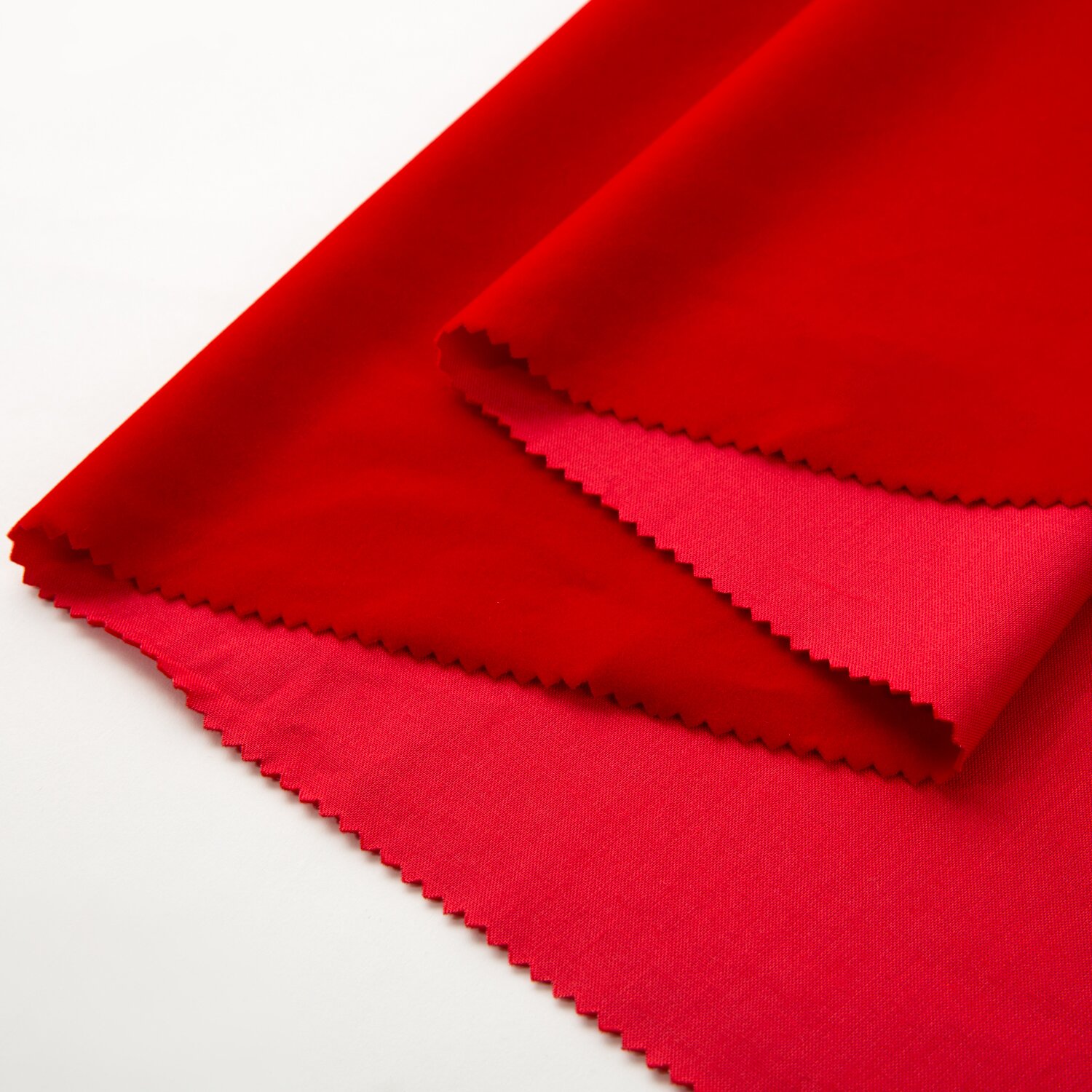
Preventing fiber shedding in packaging linings requires strict control over the raw materials and the manufacturing process. High-quality flocking fabric, such as the Cotton-Rayon Flocking produced by Guangdong Shunde Mingqian Flocking Co., Ltd., relies on a precision-controlled electrostatic field of 30 to 50 kilovolts. During this process, short viscose fibers are accelerated vertically into an eco-friendly water-based acrylic adhesive layer. The density of the pile is controlled to a precision of 0.01 millimeters, ensuring a uniform and securely anchored velvet surface.
To verify the mechanical integrity of this surface, manufacturers conduct physical tests on every production batch. The primary field test is the 3M tape peel test. This procedure applies a standardized pressure-sensitive tape to the flocked surface and removes it at a 180-degree angle. Repeating this process for 10 cycles confirms whether the adhesive has cured completely. Insufficient curing or poor adhesive formulations cause premature fiber release during transport or product extraction.
In addition to physical peeling, Martindale abrasion testers subject the material to continuous friction. Standard gift box linings are certified to withstand 500 friction cycles. For specialized industrial or high-wear applications, functional flocking fabrics are engineered to withstand 100,000 cycles with no shedding. This durability ensures that the lining does not deposit micro-fibers onto delicate items like watch faces, camera lenses, or jewelry pieces.
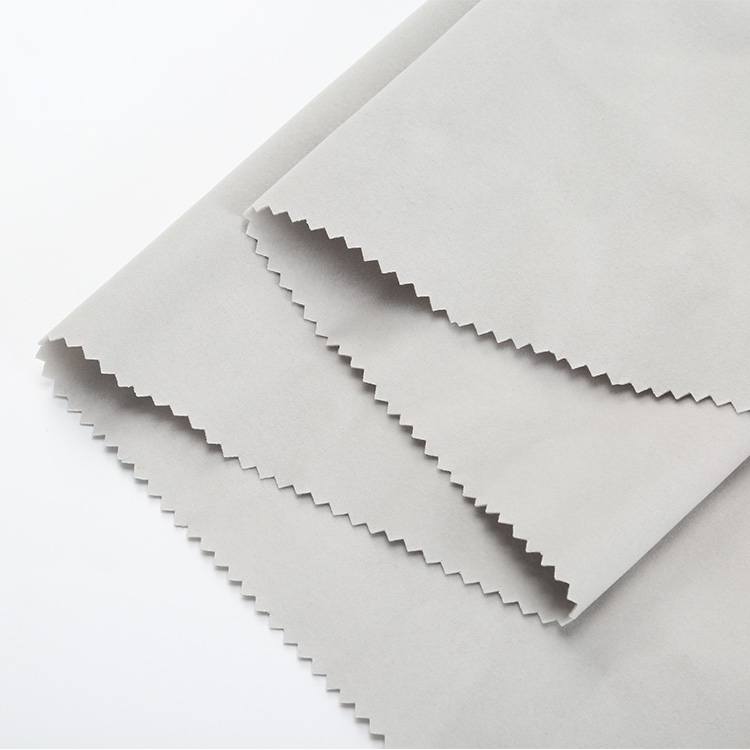
For high-end jewelry box packaging, chemical stability is directly linked to fiber retention. Solvents or acidic residues in low-grade adhesives can break down the fiber-to-base-fabric bond over time. Verified manufacturers run an in-house anti-tarnish quality control system. This system restricts free reactive sulfur to below 5 ppm, controls the aqueous extract pH within a 5.5 to 7.5 range, and utilizes sulfur-free, halogen-free, mildly acidic formulations. These parameters are validated through a silver coupon accelerated corrosion test, ensuring zero blackening, spotting, or oxidation of enclosed silver or precious metal items.
Real-world validation of these testing standards is demonstrated in global supply chains. For example, the million-yard level supply of spunlace-based medium-pile lining to Chow Tai Fook jewelry packaging achieved a 100% reduction in end-brand complaints. Similarly, the custom-embossed knitted-base packaging pouches supplied to Moutai pass the 3M tape 10-cycle peel test with zero fiber loss, maintaining a pristine appearance under rigorous handling conditions.
Data/Solution Comparison
Different gift box lining series present varying material specifications and performance tolerances. The table below outlines the standard physical properties and testing thresholds across various flocking series:
| Product Series / Type | Base Fabric Material | Shedding Resistance (3M Tape Test) | Abrasion Resistance Limit | Primary Application Scenario |
|---|---|---|---|---|
| Cotton-Rayon Flocking | Cotton-Rayon (Viscose) | Pass (10 Cycles, No Loss) | 500 to 100,000 cycles | Premium gift boxes, drawstring pouches, ethnic costume decoration |
| CP Series | Standard T/C or woven | Pass (10 Cycles, No Loss) | 500 cycles (Standard) | Durable packaging, luxury box exteriors |
| 61 Series | Spunlace | Pass (10 Cycles, No Loss) | 500 cycles (Standard) | Luxury jewelry and watch box linings |
| W Series | Nonwoven | Pass (10 Cycles, No Loss) | 500 cycles (Standard) | Cost-effective gift boxes, industrial packaging |
Frequently Asked Questions (FAQ)
What is the quickest way to test flocking fabric shedding on-site?
The standard on-site method is the 10-cycle 3M tape test. Press a strip of 3M adhesive tape firmly onto the velvet surface, then peel it back smoothly. Repeat this action on the exact same spot ten times. High-quality flocking fabrics will show no fiber transfer to the tape adhesive.
How does the adhesive system affect fiber shedding over time?
Low-grade solvent-based adhesives degrade when exposed to heat, humidity, or volatile organic compounds (VOCs), causing the fibers to detach. Utilizing solvent-free, water-based acrylic adhesive formulations ensures long-term bonding and prevents chemical degradation under environmental stress.
How do environmental regulations affect the selection of gift box linings?
Modern packaging must comply with strict international standards, including EU REACH SVHC (testing 253 substances of very high concern), RoHS 2.0, and the EU Packaging and Packaging Waste Regulation (PPWR). Compliant flocking materials ensure heavy metals remain under 100 ppm and contain no intentionally added PFAS or hazardous azo dyes.
Final Recommendations
When sourcing flocking materials for premium packaging, prioritize suppliers who utilize fully integrated, in-house production chains. Controlling every stage—from base fabric pretreatment and in-house dyeing to electrostatic flocking, adhesive backing, and precision cutting—ensures complete batch traceability and quality control. For custom development projects, choose manufacturers that support OEM/ODM business models with flexible minimum order quantities, such as 1,000 yards for custom colors and 50 yards for trial dyeing. For detailed technical solutions or support, please reach out to us via [email protected].
About Us
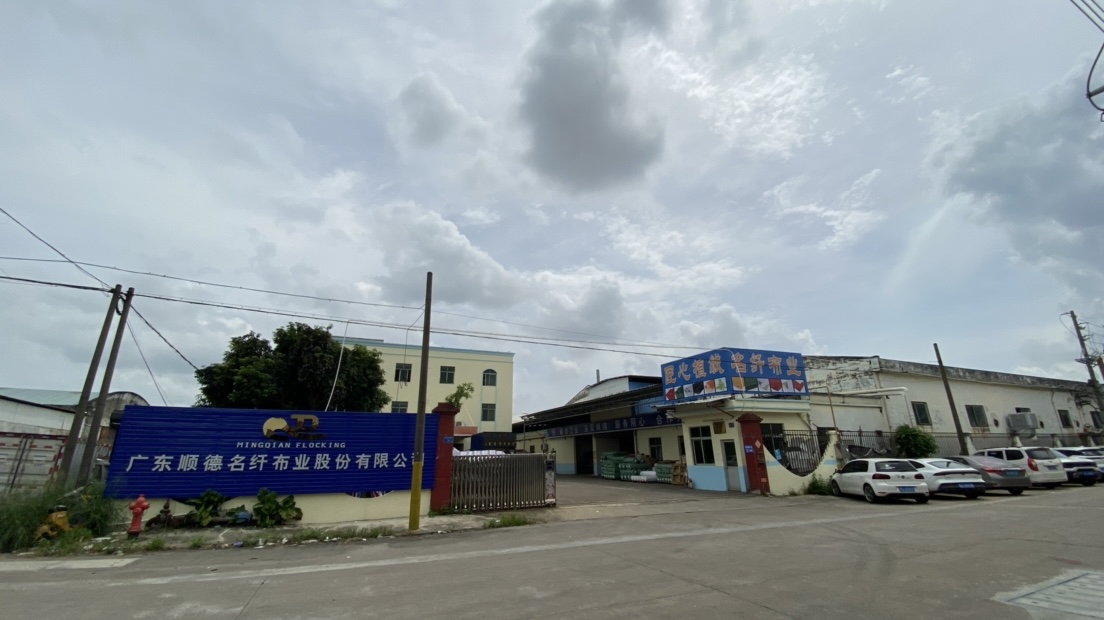
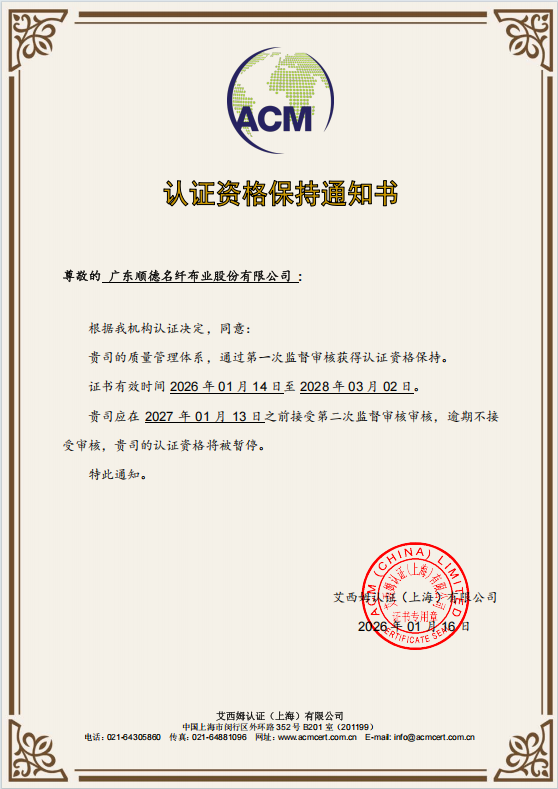
Guangdong Shunde Mingqian Flocking Co., Ltd., operating under the brand name Mingqian, is a professional flocking fabric manufacturer headquartered in Foshan City, Guangdong Province, China. Established in 2008, the company operates a self-owned manufacturing facility covering 10,000 square meters, housing five automated electrostatic flocking production lines that yield a monthly production capacity of over 3,000,000 yards. The enterprise is certified under ISO 9001 and holds Global Recycled Standard (GRS) Version 4.0 certification. Having served globally recognized brands across multiple industries—including Dior, Chow Tai Fook, and Volkswagen—the company specializes in high-quality, eco-friendly, and anti-tarnish flocking fabrics for luxury packaging and industrial applications.
Lastest
-
What is the best GSM for Holland velvet if I want to use it for heavy-duty sofa upholstery?
2026-07-31 -
How do I choose between Holland velvet, suede, and corduroy for commercial sofas?
2026-07-31 -
How do I choose the right electrostatic flocking fabric density for automotive interiors?
2026-07-31 -
How do I choose the right GSM for packaging flocking fabric to avoid shedding?
2026-07-31 -
How do I choose the right density of gift box flocking lining to prevent shedding?
2026-07-31
SUBSCRIBE
INQUIRY